
Zamora on Jinggoy Estrada: Third Plunder Charge in 25 Years Shows Pattern of Allegations
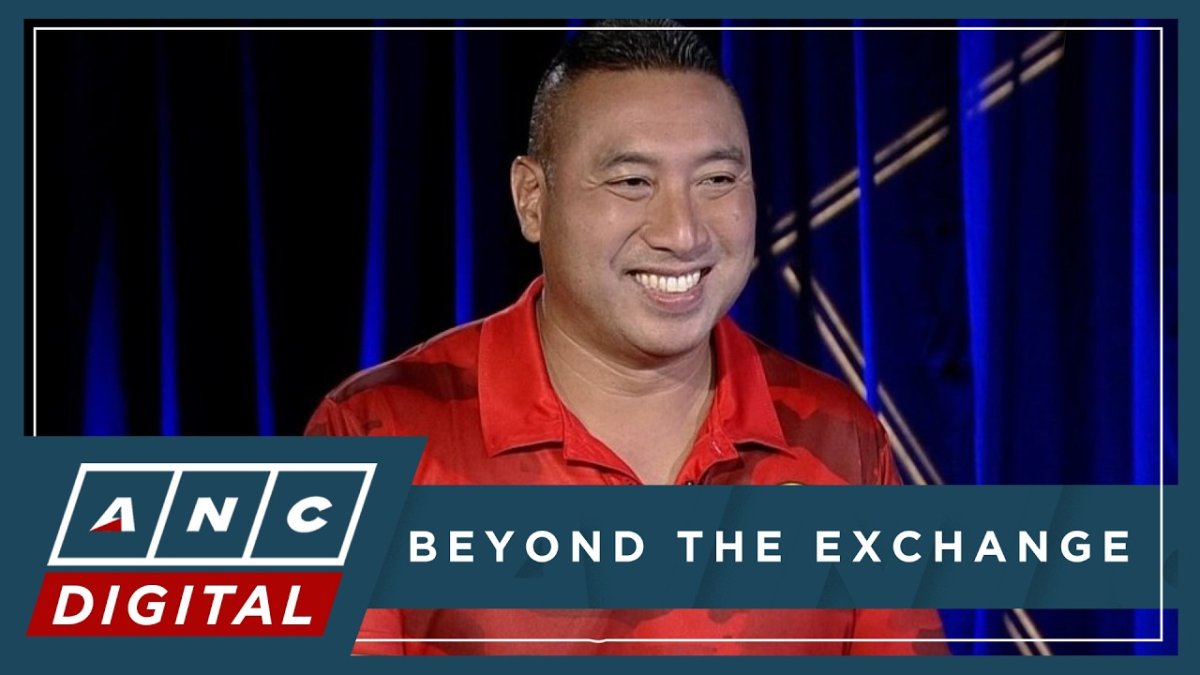
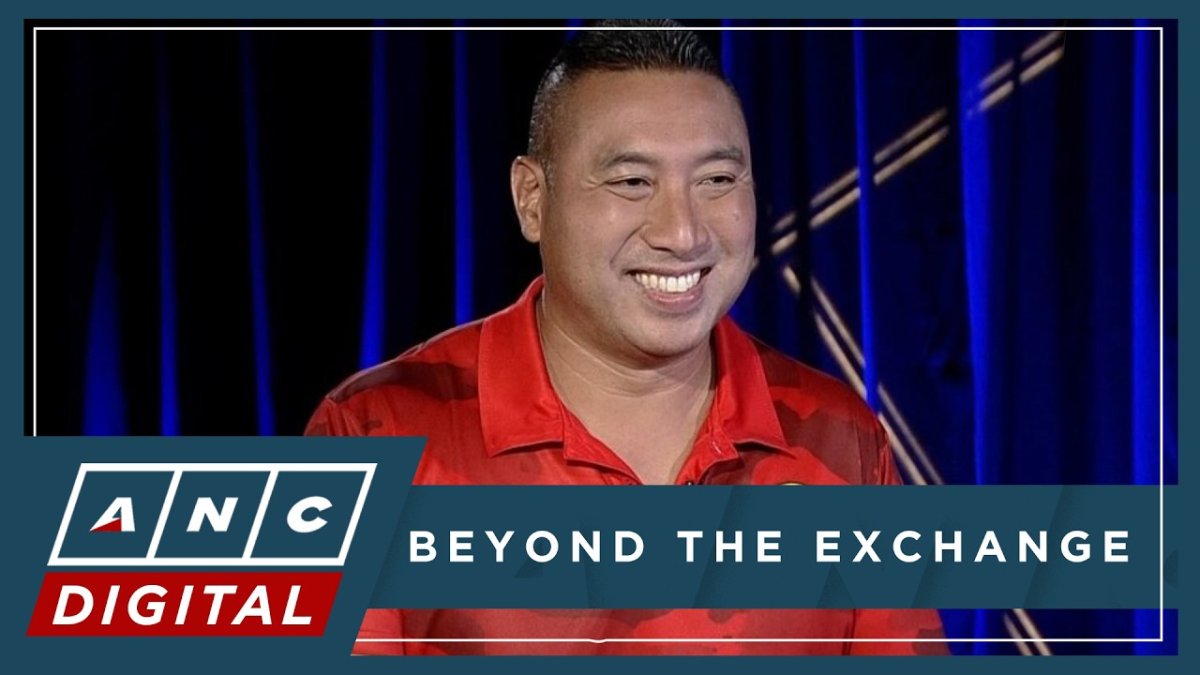
In a recent ANC 24/7 "Beyond the Exchange" interview with Rico Hizon on Episode 83, San Juan City Mayor Francis Zamora addressed the latest legal challenges facing Senator Jinggoy Estrada. The discussion highlighted how the senator now faces plunder charges for the third time in his career, drawing renewed attention to long-standing issues in public infrastructure projects acro
A Story of Three Plunder Charges
Senator Jinggoy Estrada now faces plunder charges for the third time, with cases filed in 2001, 2014, and 2026. The pattern shows repeated accusations tied to large-scale government projects, each time involving significant public funds. Estrada previously served as San Juan mayor from 1992 to 2001 before moving to the Senate, where his family maintained influence in local politics for decades.
The 2026 case adds to this history as the Sandiganbayan 5th Division issued an arrest warrant on June 1, 2026. Estrada surrendered to the Philippine National Police Criminal Investigation and Detection Group the same day after holding a Senate press conference. He is now detained at the New Quezon City Male Dormitory Jail in Barangay Payatas, where families of detainees often visit under strict security protocols.
Plunder remains a non-bailable offense that carries a penalty of life imprisonment. Estrada posted P90,000 bail for a related graft case but stays in detention due to the plunder charge. He has described the accusations as nonsense and denies any involvement in the alleged scheme.
The P573 Million Flood Control Case
The current 2026 plunder case centers on P573 million in alleged kickbacks from flood control project allocations. The charges name former Department of Public Works and Highways Secretary Manuel Bonoan along with DPWH NCR engineers Denryl Caesar Cortuna, Manny Bulusan, and Arturo Gonzales Jr. as co-accused. These projects formed part of a larger P252 billion allocation later removed from the 2026 DPWH budget.
Flood control projects directly affect communities in low-lying areas of Quezon City and nearby barangays, where heavy rains during the typhoon season often displace families. Residents in these neighborhoods rely on such infrastructure to protect homes and small businesses like sari-sari stores from annual flooding. Delays or irregularities in these projects leave families vulnerable each monsoon period.
The Sandiganbayan's arrest warrant came after investigators traced the alleged kickbacks through project documents. Estrada surrendered promptly on June 1, 2026, and has maintained that he had no role in the fund allocations under scrutiny.
Zamora's Call for Due Process
San Juan City Mayor Francis Zamora, a political rival of the Estrada clan, called for the courts to examine the evidence thoroughly. Zamora stated, "Let the court examine the evidence," and added that this is a time to respect institutions and allow the legal process to take its course. He broke the Estrada clan's 50-year hold on the San Juan mayoralty in 2019.
Zamora emphasized that due process protects everyone involved, including public officials and ordinary citizens. His comments come as residents in San Juan continue daily routines around the city hall, where local services such as health programs and barangay assistance operate regardless of national headlines.
Political Turmoil at the Senate
Estrada claimed he faced political pressure to leave the Senate majority bloc in exchange for dismissal of the case. He refused the offer and stated he would not use the Senate as a shield against the charges. This development has created tension within Senate alliances ahead of key budget deliberations.
Senate sessions in recent days have proceeded amid whispers about shifting loyalties. Staff members and legislative aides continue their work on committee reports, while senators from various regions weigh how the case might influence upcoming votes on infrastructure funding that affects provinces far beyond Metro Manila.
The refusal to switch blocs underscores Estrada's position that he will face the charges directly. This stance affects not only his own legal defense but also the balance of power in Senate committees handling matters important to local government units across the country.
Impact on San Juan and the Estrada Legacy
The case reverberates through San Juan, where the Estrada family built its political base over five decades. Residents recall the era when Estrada served as mayor from 1992 to 2001, a period when local projects shaped the city's growth. Today, families in the city navigate daily life around ongoing local programs managed by the current administration.
Barangay leaders in San Juan organize community activities that continue despite the national attention on the senator. Workers and small business owners in the area focus on their livelihoods, from jeepney routes to neighborhood markets, while watching how the legal proceedings unfold at the Sandiganbayan.
The detention of Estrada at the New Quezon City Male Dormitory Jail in Barangay Payatas separates him from direct participation in Senate activities. This situation affects his ability to represent constituents who previously benefited from his legislative work on issues ranging from labor rights to disaster preparedness.
What Comes Next for the Embattled Senator
The Sandiganbayan will proceed with hearings on the plunder case, where prosecutors must present evidence linking Estrada to the alleged P573 million in kickbacks. The court process will determine whether the charges hold under scrutiny from the 5th Division.
Estrada's legal team prepares arguments while he remains in detention. Meanwhile, the Department of Public Works and Highways continues operations under new leadership following the removal of the P252 billion flood control projects from the 2026 budget.
Communities across Metro Manila, including those in San Juan and Quezon City, await outcomes that could influence future infrastructure spending. The case serves as a reminder of how allegations against high officials intersect with the daily needs of families who depend on reliable flood control and public services.
By Bella Reyes, Staff Writer
This article was produced with AI-assisted research and editorial support. Reporting is based on sources cited in the article.
What's Your Reaction?
 Like
0
Like
0
 Dislike
0
Dislike
0
 Love
0
Love
0
 Funny
0
Funny
0
 Wow
0
Wow
0
 Sad
0
Sad
0
 Angry
0
Angry
0

Philippines/Southeast Asia Correspondent at Global1.News. Manila-based journalist covering Philippine politics, environment, maritime security, and social issues. Passionate about marine conservation and the communities protecting the Philippines' natural heritage.














Comments (0)