
Yanomami Mercury Crisis: Illegal Mining Devastates Indigenous Health in Brazil's Amazon
The Al Jazeera English report from July 5, 2026, exposes the unrelenting devastation facing the Yanomami people as illegal mining operations continue to poison their ancestral lands and bodies. This crisis, rooted in unchecked garimpo activity across Brazil's northern frontiers, demands urgent regional accountability. The Yanomami Health Crisis The Yanomami Indigenous Territory
The Al Jazeera English report from July 5, 2026, exposes the unrelenting devastation facing the Yanomami people as illegal mining operations continue to poison their ancestral lands and bodies. This crisis, rooted in unchecked garimpo activity across Brazil's northern frontiers, demands urgent regional accountability.
The Yanomami Health Crisis
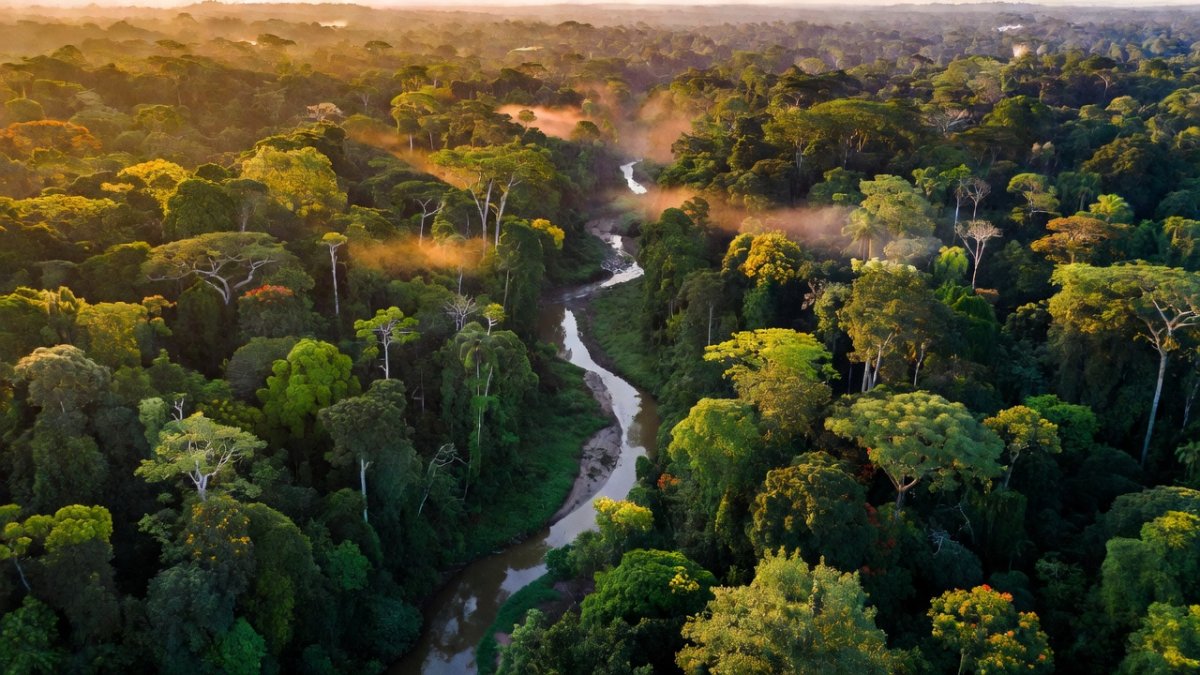
The Yanomami Indigenous Territory spans 9.6 million hectares across Roraima and Amazonas states in Brazil, representing one of the largest continuous indigenous areas in Latin America. Yet this vast expanse has become a battleground where illegal mining has triggered a profound public health emergency, formally declared by the Lula government in January 2023. Nearly 3,000 Yanomami deaths were recorded over the decade from 2014 to 2024, a staggering toll driven by preventable diseases, malnutrition, and toxic exposure that has decimated communities already marginalized by historical neglect.
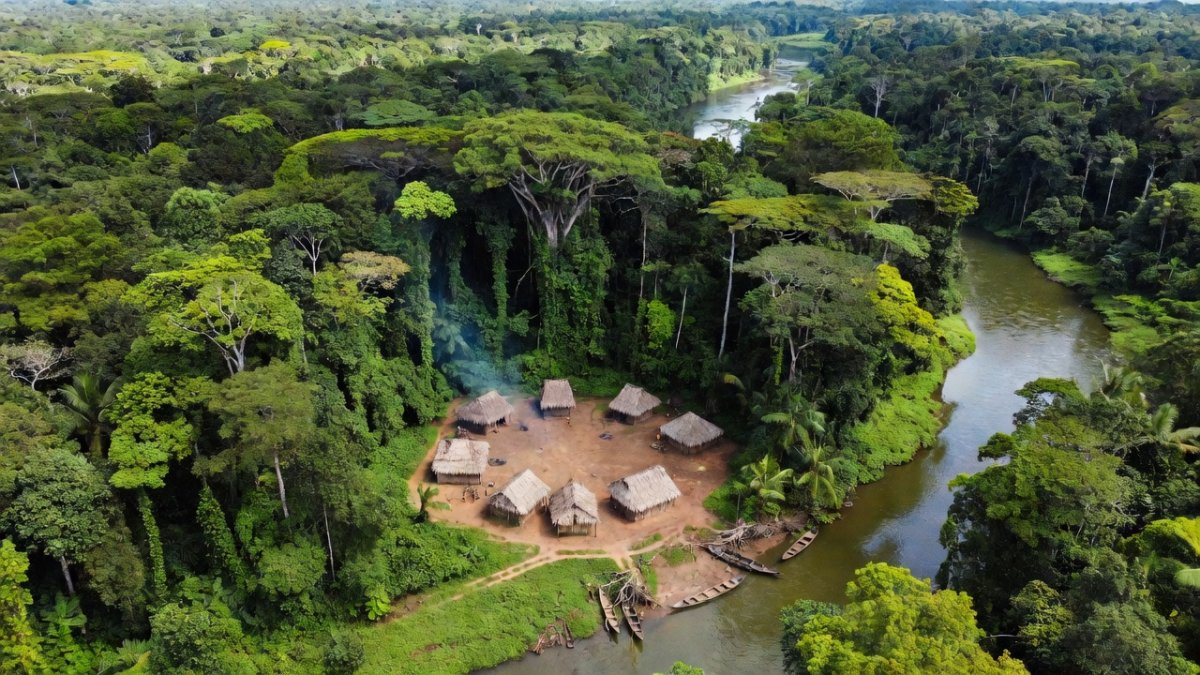
Al Jazeera's July 2026 video captures the raw human cost, showing emaciated children and elders struggling amid contaminated rivers and abandoned mining pits. The footage underscores how the territory's isolation has allowed the crisis to fester, with cross-border pressures from Venezuela amplifying vulnerabilities. Institutions such as IBAMA, FUNAI, and the Federal Police have been mobilized, yet the scale of the emergency reveals systemic failures in protecting indigenous sovereignty. This is not merely a Brazilian issue but a Latin American indictment of extractive economies that prioritize gold over human lives, leaving the Yanomami to bear the brunt of global demand.
Community leaders emphasize that the 3,000 deaths represent far more than statistics; they signify lost knowledge, disrupted lineages, and a direct assault on cultural survival. The emergency declaration aimed to reverse this trajectory, but persistent invasions highlight the gap between policy announcements and on-the-ground realities in remote Amazonian outposts.
Mercury: A Silent Poison
A 2024 Fiocruz and ISA study delivered damning evidence: 100% of 287-300 Yanomami individuals tested across nine villages showed mercury contamination. This toxic metal, released through illegal mining processes, infiltrates the food chain with devastating efficiency. Up to 81% of carnivorous fish in affected areas now carry dangerous mercury levels, turning traditional protein sources into vectors of chronic poisoning that bioaccumulate over generations.
Mercury exposure triggers irreversible neurological damage, developmental delays in children, and severe risks to pregnant women, including miscarriages and birth defects. In the Yanomami context, these effects compound existing health burdens, eroding cognitive capacities essential for hunting, storytelling, and community governance. Latin America's indigenous populations have long faced such environmental assaults, yet the Yanomami case stands out for its speed and intensity, fueled by global gold demand that incentivizes rapid, unregulated extraction.
Fiocruz researchers documented how mercury travels from river sediments into human tissues, creating a silent epidemic invisible to distant policymakers. Without immediate remediation and mining bans, this contamination threatens to define Yanomami futures for decades, underscoring the need for stronger enforcement by PRF and Federal Police units operating in the territory.
Malaria, Malnutrition and Preventable Deaths
Child malnutrition deaths surged 331% during the Bolsonaro era from 2019 to 2022, resulting in approximately 570 preventable child deaths. This explosion coincided with expanded mining incursions that disrupted food systems and water access. Each 1% increase in mining area correlates with roughly 24% more monthly malaria cases, illustrating the direct epidemiological link between environmental destruction and disease proliferation.
In February 2026, three Yanomami children died from whooping cough amid critically low vaccination coverage, prompting the Ministry of Health to dispatch an emergency team. These tragedies reflect broader gaps in healthcare delivery across isolated villages. APIB and UNICEF Brasil have highlighted how mining-related displacement exacerbates malnutrition, while institutions like Hutukara (HAY) track the cascading effects on community resilience.
The malaria-malnutrition nexus reveals how garimpo operations create breeding grounds for vectors while destroying traditional agriculture. Latin American indigenous health crises often stem from such interconnected drivers, demanding integrated responses that address both environmental and medical fronts simultaneously.
Government Crackdown: Progress and Pushback
Since 2023, the government claims 10,800 enforcement actions by IBAMA, FUNAI, and Federal Police, inflicting R$ 746 million to R$ 1 billion in damage to illegal operations and seizing 15 kg of gold valued at approximately R$ 10 million. Official metrics report respiratory lethality down 73%, malaria down 42%, and child malnutrition deaths down 21%, alongside a 158% increase in healthcare workers to 1,781 personnel.
Yet these figures face sharp contestation. In April 2026, Dário Kopenawa, Vice President of Hutukara Associação Yanomami, stated that "malaria has not decreased," while a March 2026 indigenous report described the situation as still "very serious." The disconnect between Brasília's dashboards and forest-floor realities underscores persistent challenges in verifying progress amid ongoing invasions.
Expanded personnel and seizures represent tangible steps, but criminal networks adapt quickly. Sustained pressure from PRF and coordinated federal efforts remains essential to translate enforcement into lasting health gains for the Yanomami.
The Garimpo Economy and Organized Crime
Criminal factions now control tunnels, power supplies, and food depots deep within the Yanomami territory, transforming isolated mining sites into sophisticated logistical hubs. Cross-border garimpo from Venezuela compounds the crisis, allowing operators to evade Brazilian authorities while exploiting porous frontiers. Global gold demand continues to drive this expansion, turning the territory into a profitable frontier for organized crime syndicates.
These networks undermine national sovereignty and indigenous autonomy alike, with profits flowing to distant urban centers rather than local communities. ISA and APIB reports detail how such operations degrade rivers and forests at unprecedented rates, creating feedback loops of poverty and disease. Latin America's history of resource extraction shows repeated patterns where weak governance enables criminal entrenchment, leaving indigenous groups to confront both environmental ruin and armed intimidation.
Disrupting these supply chains requires binational intelligence sharing and financial scrutiny of gold markets, measures that could curb the economic incentives sustaining the invasion.
Voices from the Territory
Dário Kopenawa and Hutukara leaders have consistently challenged official narratives, emphasizing that health improvements remain uneven and fragile. Community testimony reveals daily struggles with contaminated water and restricted mobility due to mining infrastructure. Indigenous youth, supported by UNICEF Brasil mobile apps, now monitor invasions and fires in real time, bridging generational knowledge with digital tools to assert territorial control.
This grassroots monitoring exposes the disconnect between distant capital decisions and lived experiences on the forest floor. June 2026 demands by Yanomami and Ye'kwana leaders for a binational Brazil-Venezuela strategy reflect a growing recognition that unilateral actions fall short. Hutukara (HAY) continues to amplify these voices, insisting that solutions must center indigenous leadership rather than top-down interventions.
The resilience shown through youth-led technology and elder advocacy offers hope amid despair, highlighting how Latin American indigenous movements increasingly fuse tradition with innovation to defend their lands.
The Bottom Line — What Comes Next
A robust binational framework between Brazil and Venezuela is essential to address cross-border garimpo flows and restore sovereignty over the Yanomami territory. Strengthened enforcement by IBAMA and Federal Police must pair with mercury remediation programs to reverse decades of contamination. Scrutiny of global gold supply chains could reduce demand-side pressures that fuel the crisis.
Environmental justice for the Yanomami serves as a critical test for Latin American governance, determining whether indigenous rights can prevail against extractive interests. Sustained investment in healthcare infrastructure, vaccination campaigns, and community monitoring will be required to prevent further preventable deaths. The 9.6 million hectares represent not only a territorial expanse but a moral frontier where regional cooperation could set precedents for protecting vulnerable populations across the Amazon basin.
Without decisive action, the patterns of 2014-2024 risk repeating, perpetuating cycles of toxicity and loss that no enforcement statistic can erase.
By Elena Vasquez, Staff Writer
This article was produced with AI-assisted research and editorial support. Reporting is based on sources cited in the article.
What's Your Reaction?
 Like
0
Like
0
 Dislike
0
Dislike
0
 Love
0
Love
0
 Funny
0
Funny
0
 Wow
0
Wow
0
 Sad
0
Sad
0
 Angry
0
Angry
0

Latin America Correspondent at Global1.News. Based in Mexico City, covering politics, economics, energy, and culture across the region. Brings an on-the-ground perspective to stories spanning from the Rio Grande to Patagonia.












Comments (0)