
Dominion Fox Settlement: Did $787M Bring Accountability?
What the Dominion Case Really Proved: Accountability Has a Price — But Did Fox Pay It? The Settlement: What happened and the $787.5M price tag The Dominion Voting Systems lawsuit against Fox News reached its dramatic conclusion on April 18, 2023, when the network agreed to pay $787.5 million to settle the defamation claims. This massive payout came just days after jury selectio
The Settlement: What happened and the $787.5M price tag
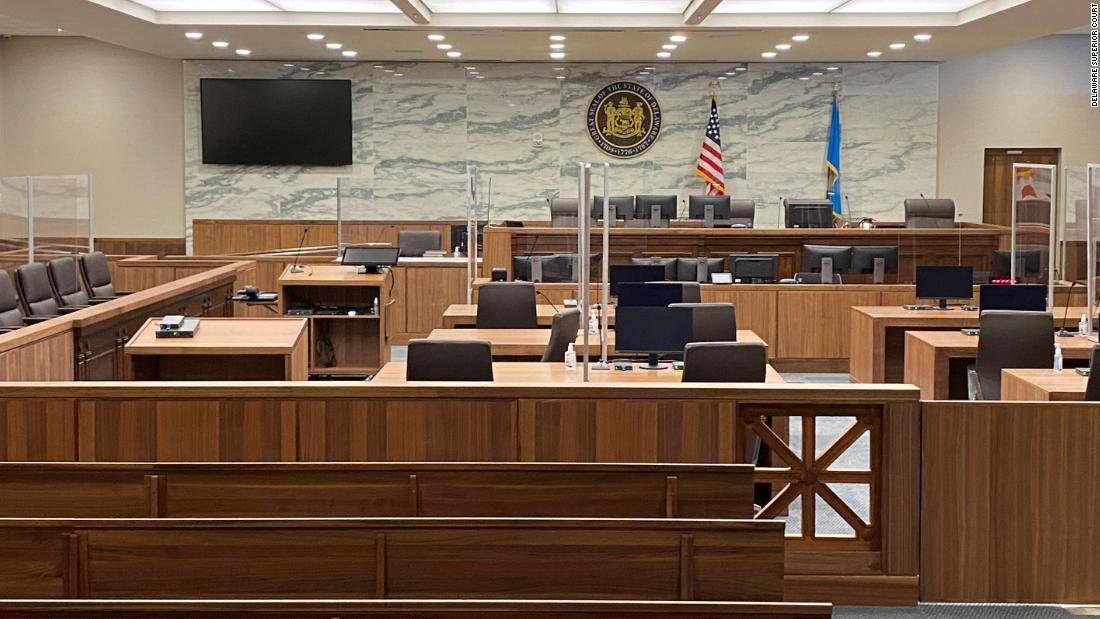
The Dominion Voting Systems lawsuit against Fox News reached its dramatic conclusion on April 18, 2023, when the network agreed to pay $787.5 million to settle the defamation claims. This massive payout came just days after jury selection wrapped up in Wilmington, Delaware, where 300 potential jurors had been summoned for what promised to be a high-stakes trial. Dominion had originally sought $1.6 billion in damages, arguing that Fox's repeated false claims about its voting machines cost the company its reputation and contracts. The settlement avoided a public verdict but forced Fox to acknowledge in court filings that the aired allegations of election fraud were false. For a media company built on bold commentary, this financial hit represented a rare moment of reckoning.
Historical context shows how unusual such a large media settlement truly was in American journalism. Previous defamation cases against major outlets rarely reached eight figures, let alone hundreds of millions. The $787.5 million figure underscored the scale of the alleged harm Dominion claimed from Fox's 2020 election coverage. Analysts noted that this amount exceeded many annual profits for cable news divisions, sending a clear signal about the risks of broadcasting unverified claims. The payment also highlighted how private internal doubts among executives could translate into public financial consequences when exposed through litigation.
Implications for journalism became immediately apparent as newsrooms across the country absorbed the news. Outlets began reviewing their own election-related reporting practices to avoid similar exposure. The settlement demonstrated that even powerful media organizations could face severe monetary penalties when they prioritized ratings over accuracy. Fox's decision to settle rather than proceed to trial suggested that the network calculated the cost of continued litigation as higher than the payout itself. This calculation revealed the growing intersection between legal accountability and business strategy in modern cable news.
Further analysis of the settlement terms showed it bought Fox a measure of silence without requiring on-air admissions. No executives or hosts had to testify under oath, preserving the network's public narrative. Yet the sheer size of the $787.5 million check made it impossible to dismiss the case as a minor dispute. Dominion's victory, even without a trial win, established a precedent that voting technology companies could successfully challenge media narratives. The payout stood as concrete proof that accountability in media carries a tangible price tag.
The Lead-Up: How the case reached the brink of trial
Dominion Voting Systems filed its $1.6 billion defamation suit against Fox News in early 2021, alleging the network knowingly spread false claims about its machines flipping votes in the 2020 election. The case moved slowly through Delaware courts until it accelerated toward a scheduled April 2023 trial in Wilmington. By April 13, 2023, jury selection had concluded with hundreds of residents called to serve, signaling that both sides were preparing for a full public airing of evidence. Fox had already conceded in pretrial filings that the specific fraud allegations broadcast on its airwaves lacked factual basis. This concession set the stage for a trial that would have focused less on truth and more on intent and damages.
Historical context from the 2020 election period explains why the lawsuit gained such momentum. Widespread misinformation about voting systems flooded cable news and social media in the weeks after the election. Dominion positioned itself as a target of coordinated attacks that threatened its survival as a business. The company's decision to sue Fox specifically reflected the network's outsized influence on conservative audiences. As discovery progressed, the case revealed the gap between what Fox hosts said publicly and what they discussed privately.
Implications for journalism emerged as the pretrial process exposed internal communications. Reporters and producers at other networks watched closely, recognizing that their own emails and texts could become evidence in future cases. The brink-of-trial tension forced Fox to confront whether its defense of "fair reporting" would hold up under scrutiny. Legal experts noted that the case tested the boundaries of the actual malice standard established in prior Supreme Court precedents. This legal pressure ultimately pushed the parties toward settlement rather than risking an unpredictable jury verdict.
Analysis of the lead-up period shows how the threat of public testimony altered the dynamics. Murdoch, Carlson, and Hannity faced the prospect of explaining their private skepticism under oath. The completed jury selection on April 13 made the trial feel imminent, increasing settlement pressure. Dominion's persistence through years of litigation demonstrated the determination of companies harmed by election misinformation. The path to the April 18 settlement illustrated how discovery can force media organizations to weigh reputational damage against financial costs.
What the Discovery Revealed: Internal Fox communications showing hosts doubted claims
Discovery in the Dominion case uncovered internal Fox communications that revealed significant private doubts among top figures about the 2020 election fraud claims being broadcast. Rupert Murdoch, Tucker Carlson, Sean Hannity, and other executives exchanged messages expressing skepticism toward the very allegations their network promoted to viewers. These documents showed hosts privately dismissing claims of Dominion machine manipulation while continuing to air them on prime-time programs. The contrast between private doubt and public promotion became central to Dominion's argument that Fox acted with actual malice. Such revelations transformed the case from a simple defamation dispute into an examination of editorial decision-making.
Historical context from the post-election period highlights how these internal doubts developed amid intense political pressure. Fox faced competition from newer outlets pushing more aggressive fraud narratives, creating incentives to match the tone. Yet the discovered messages indicated that key personnel recognized the lack of evidence supporting the claims. This gap between knowledge and broadcast content formed the core of the legal exposure. The communications provided a rare window into how cable news balances audience expectations against factual accuracy.
Implications for journalism proved profound as the internal messages circulated publicly. Newsrooms confronted the reality that private conversations could later serve as evidence of reckless disregard for truth. The case underscored the importance of editorial processes that separate opinion from demonstrably false factual assertions. Other networks began auditing their own internal discussions around contested stories. The exposure served as a cautionary tale about the long-term risks of prioritizing engagement over verification.
Analysis of the discovery materials showed how the absence of on-air corrections contributed to the legal vulnerability. Even when hosts privately questioned the claims, the network rarely walked back the reporting. This pattern allowed Dominion to argue that Fox knowingly amplified damaging falsehoods. The communications involving Murdoch, Carlson, and Hannity demonstrated that skepticism existed at the highest levels. Ultimately, these revelations forced a broader conversation about accountability mechanisms within cable news organizations.
The Accountability Question: Did Fox actually pay a price or buy its way out?
The $787.5 million settlement raised immediate questions about whether Fox truly faced accountability or simply purchased an exit from further scrutiny. By settling before any executives or hosts testified under oath, the network avoided the public spectacle of its internal doubts being dissected in open court. Dominion received substantial compensation, yet the agreement included no requirement for on-air corrections or admissions of wrongdoing. This structure allowed Fox to frame the payout as a business decision rather than an acknowledgment of journalistic failure. Critics argued that the settlement let the network escape the deeper reputational consequences a trial verdict might have imposed.
Historical context from previous media defamation cases shows that large settlements often serve dual purposes of compensation and containment. The Dominion agreement followed this pattern by ending litigation without establishing legal precedent through a jury decision. Fox's financial resources enabled it to absorb the hit without fundamental changes to its programming model. The settlement amount, while significant, represented a fraction of the company's overall valuation and ongoing revenue streams. This reality fueled debate over whether monetary penalties alone can deter future misinformation.
Implications for journalism centered on the precedent of settling high-profile cases to protect internal processes. Other outlets observed that paying large sums could shield editorial practices from public examination. The lack of testimony meant viewers never heard direct explanations from Murdoch, Carlson, or Hannity about their private assessments. This outcome limited the educational value the trial might have provided about responsible election coverage. The settlement thus achieved financial resolution while leaving broader questions about media responsibility unanswered.
Analysis of the accountability question reveals that the $787.5 million payment created short-term pain without guaranteeing long-term behavioral change. Fox continued its programming approach after the settlement, suggesting the financial cost did not alter its core incentives. Dominion achieved a major victory in monetary terms, yet the absence of public testimony reduced the case's potential to reshape industry norms. The settlement demonstrated that accountability in media often arrives through negotiated payments rather than judicial findings. Whether this model truly deters future misconduct remains an open question for the industry.
Smartmatic and the Unfinished Business: The $2.7B case still active
While the Dominion matter concluded with the $787.5 million settlement, Smartmatic's separate $2.7 billion defamation lawsuit against Fox remains ongoing, representing unfinished business in the accountability process. Smartmatic, another voting technology company targeted by similar 2020 election claims on Fox, continues to pursue its claims through the courts. The Dominion settlement provided some insight into how Fox might approach future negotiations, but Smartmatic has shown no signs of backing down. This parallel case keeps pressure on the network regarding its election coverage practices. The existence of multiple active suits underscores that one payout does not resolve all legal exposure from the same set of broadcasts.
Historical context from the 2020 election cycle explains why multiple companies filed suits against the same media outlets. Both Dominion and Smartmatic faced widespread allegations that their machines were central to supposed fraud. The overlapping claims created a pattern that plaintiffs could use to demonstrate systemic issues in Fox's reporting. Smartmatic's larger damage request reflects its assessment of greater harm or different contractual losses. The ongoing nature of this case ensures continued scrutiny of Fox's internal decision-making processes.
Implications for journalism include the possibility of additional large settlements or verdicts that compound the financial and reputational costs. News organizations must now consider the cumulative effect of multiple lawsuits arising from the same reporting period. The Smartmatic case could produce different outcomes, including potential testimony that the Dominion settlement avoided. This prospect keeps the issue of election misinformation alive in legal and public discourse. The dual litigation serves as a reminder that one resolution does not end all consequences.
Analysis of the unfinished business shows how the Dominion settlement may influence Smartmatic's strategy. Plaintiffs in the remaining case have access to the same internal communications involving Murdoch, Carlson, and Hannity. This shared evidence could strengthen Smartmatic's position in settlement talks or at trial. The $2.7 billion figure signals the company's determination to seek substantial compensation. Until this case concludes, Fox's overall accountability for 2020 election coverage remains incomplete.
What Changed in Journalism: Did the Dominion case change how cable news covers elections?
The Dominion settlement prompted widespread discussion about whether cable news outlets adjusted their approach to election-related claims in subsequent cycles. Many networks implemented stricter verification protocols for voting technology stories following the $787.5 million payout. The case highlighted the dangers of amplifying unverified allegations from partisan sources without sufficient skepticism. Journalists across the industry cited the internal Fox communications as a warning about the risks of private doubts conflicting with public reporting. Yet measurable changes in coverage patterns have proven difficult to quantify in the years since April 2023.
Historical context from earlier election cycles shows recurring patterns of misinformation that the Dominion case sought to address. The 2020 claims echoed previous unsubstantiated allegations about voting systems in prior contests. The settlement forced a reckoning with how cable news had handled these narratives over time. Outlets began emphasizing disclaimers and sourcing requirements when discussing election integrity. This shift reflected a broader industry response to the legal and financial consequences exposed by the case.
Implications for journalism include heightened awareness among producers and hosts about potential legal exposure. The case demonstrated that internal communications could become public evidence, encouraging more cautious language in private discussions. Newsrooms invested in additional legal review of sensitive political reporting. The settlement also sparked debates about the balance between opinion programming and factual news presentation. These conversations continue to shape editorial standards at major cable networks.
Analysis of post-settlement coverage reveals mixed results in how election stories are now presented. Some programs adopted more measured tones when discussing voting processes, while others maintained aggressive framing. The absence of a full trial limited the case's ability to establish clear industry-wide guidelines. Fox itself showed limited visible changes in its approach after paying the $787.5 million. The Dominion matter thus served as a catalyst for reflection rather than a guaranteed transformation of cable news practices.
The Bigger Picture: What this means for disinformation accountability in 2026
Looking ahead to 2026, the Dominion settlement stands as a landmark example of how financial penalties can intersect with media accountability for disinformation. The $787.5 million payment demonstrated that companies harmed by false election claims possess viable legal avenues for redress. Yet the settlement's structure, which avoided executive testimony, raised questions about whether such resolutions truly deter future misconduct. Murdoch, Carlson, and Hannity's private doubts, once exposed, became symbols of the gap between internal knowledge and public broadcasting. This precedent continues to influence how media organizations assess risks around politically charged content.
Historical context from the evolution of defamation law shows increasing willingness by plaintiffs to pursue large media defendants. The Dominion case built on earlier victories by individuals and companies targeted by misinformation campaigns. The involvement of voting technology firms highlighted the economic stakes when false claims threaten business operations. Smartmatic's ongoing $2.7 billion suit extends this trend into the present. Together, these developments signal a more litigious environment for cable news around election coverage.
Implications for journalism include the need for robust internal fact-checking mechanisms that operate independently of ratings pressures. The case illustrated how private skepticism among hosts like Carlson and Hannity could later undermine legal defenses. Networks now face greater incentives to align their public reporting with their internal assessments of truth. This alignment could reduce the spread of election-related disinformation in future cycles. The settlement thus contributed to a gradual professionalization of standards in politically sensitive reporting.
Analysis of the bigger picture reveals that monetary accountability alone may not fully address the structural incentives driving misinformation. Fox absorbed the $787.5 million cost without fundamental alterations to its business model. The ongoing Smartmatic litigation suggests that repeated financial hits could eventually force more substantial changes. For 2026 and beyond, the Dominion case serves as both a warning and a template for holding media organizations responsible. True accountability will likely require a combination of legal, regulatory, and market pressures to reshape how cable news handles contested factual claims.
By Jessica Ali, Staff Writer.This article was produced with AI-assisted research and editorial support. Reporting is based on sources cited in the article.
What's Your Reaction?
 Like
0
Like
0
 Dislike
0
Dislike
0
 Love
0
Love
0
 Funny
0
Funny
0
 Wow
0
Wow
0
 Sad
0
Sad
0
 Angry
0
Angry
0

Editor-in-Chief at Global1.News. Atlanta-based journalist who cuts through the BS and tells it like it is. Lead anchor, host, and the voice you hear when the spin stops and the truth starts.














Comments (0)