
Oil Tops $100 as Houthi Red Sea Attack Opens Second Front in Iran War
Brent Crude Breaks $100 Threshold Amid Escalating Conflict Oil prices have surged past the $100 per barrel mark for the first time since May, driven by Houthi missile and drone strikes on Saudi tankers in the Red Sea.
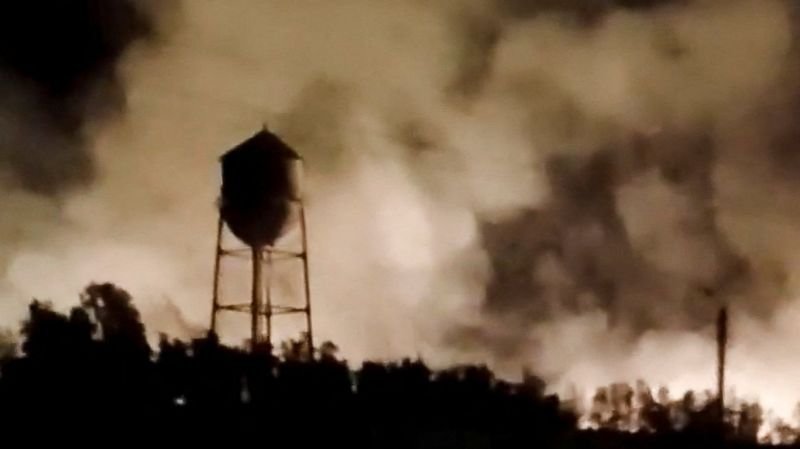
Brent Crude Breaks $100 Threshold Amid Escalating Conflict
Oil prices have surged past the $100 per barrel mark for the first time since May, driven by Houthi missile and drone strikes on Saudi tankers in the Red Sea. Brent crude climbed from $95 to over $100 in a single trading session on July 23, 2026, according to S&P Global and CNN reporting. This marks the fifth consecutive day of gains as markets react to simultaneous threats at two critical oil chokepoints.
The spike follows a sharp drop to $71 per barrel in early July on hopes of a ceasefire that has now collapsed. Goldman Sachs analysts project Brent could exceed $120 per barrel in the fourth quarter if disruptions persist, with an average of $100 expected next year. IEA chief Fatih Birol warned there is no room for complacency as cushioning factors in the market begin to erode.
Traders are pricing in sustained volatility after the IRGC declared the Strait of Hormuz completely closed. The combination of Iranian actions and Houthi attacks has erased earlier optimism and pushed energy costs higher across global benchmarks.
Houthi Forces Strike Two Saudi Tankers in Red Sea
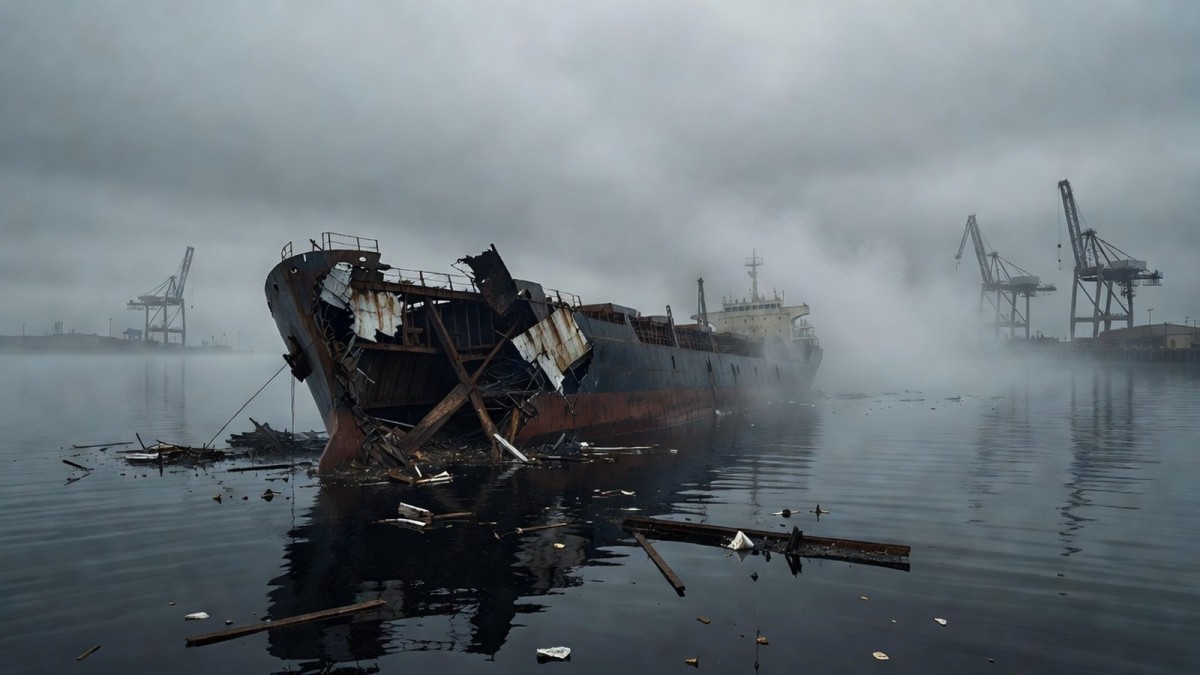
Houthi militants launched ballistic missiles, cruise missiles, and drones at the Saudi tankers Encelia and Layla on July 23, 2026, marking the first such attacks on Red Sea shipping in a year. One vessel was left ablaze following the assault through the Bab al-Mandab strait. These strikes represent a direct expansion of the conflict into a second maritime front.
The attacks target Saudi oil flows and threaten the Bab al-Mandab strait alongside the already closed Strait of Hormuz. S&P Global noted that two major oil chokepoints now face simultaneous risk for the first time in the current crisis. This development has amplified concerns over global supply routes that carry millions of barrels daily.
President Trump stated that any damage to the ships would be paid for using Iranian funds under US control, with frozen assets estimated between $124 billion and $167 billion. Iranian Foreign Minister Araghchi condemned the potential seizure as an incendiary precedent that could escalate tensions further.
US Completes 13th Night of Strikes on Iranian Targets
American forces carried out their 13th consecutive night of strikes against Iran on July 23, 2026, hitting military command centers, drone storage facilities, communication networks, coastal surveillance sites, and maritime capabilities. CENTCOM operations focused on provinces including Khuzestan, Markazi, Lorestan, and Hormozgan.
Four people were killed in strikes on Iran's Khuzestan province near Ahvaz. Additional targets included sites in Andimeshk, Omidiyeh, Khondab, Khorramabad, and Bandar Abbas. Iran rejected a US ceasefire proposal delivered through Iraqi Prime Minister Ali al-Zaidi, insisting any deal must address the Hormuz Strait.
The IRGC has maintained that the Strait of Hormuz remains fully closed, cutting off a vital passage for oil exports. This sustained military pressure has kept markets on edge as both sides show no immediate signs of de-escalation.
Dual Chokepoints Create Unprecedented Supply Risk
The Bab al-Mandab strait now faces Houthi threats at the same time Iran has shut the Strait of Hormuz, creating simultaneous pressure on two key maritime passages. S&P Global described this as the first instance of linked attacks on Red Sea shipping in over a year combined with Hormuz closure.
Oil flows through these routes represent a significant portion of global supply, and any prolonged disruption could tighten markets beyond current levels. Analysts at Goldman Sachs have modeled scenarios where Brent averages $100 next year if both passages remain contested.
Market participants are watching for further Houthi actions that could widen the Red Sea front. The dual threat has already lifted prices for five straight days and erased the brief calm seen in early July.
House Votes to Restrict War Powers as Senate Measure Fails
The US House voted on July 23, 2026, to halt further military action against Iran without congressional approval. A parallel measure in the Senate did not advance, leaving the executive branch with continued authority to conduct operations.
President Trump attended the dignified transfer of four US service members at Dover Air Force Base on July 22 following recent losses. The ceremony underscored the human cost of the 13-night campaign that has now expanded to include warnings directed at Houthi forces.
Trump threatened major military punishment against the Houthis in response to the tanker attacks. Iranian officials have shown no interest in temporary arrangements that leave the Hormuz issue unresolved, according to statements reported by Al Jazeera.
Markets Reel as Tesla Drops 12 Percent and Bond Yields Rise
Tesla shares fell 12 percent on July 23 while the Nasdaq declined 2 percent amid the oil surge and geopolitical uncertainty. UK 10-year bond yields climbed above 5.1 percent, reaching the highest level since the 2025 market panic.
Susannah Streeter of the Wealth Club noted investors remain in a wary mood as energy costs feed into broader inflation concerns. The rapid price move from $71 to over $100 has caught many portfolios off guard after the brief July dip.
Goldman Sachs forecasts continued upside risk to oil if Hormuz stays closed, with potential for $120 Brent in the fourth quarter. These shifts are rippling through equities and fixed-income markets simultaneously.
Four US Service Members Honored as Conflict Expands
The dignified transfer at Dover Air Force Base on July 22 brought renewed attention to the four US service members killed during operations against Iran. Their return home highlights the direct stakes for American forces now engaged on multiple fronts.
Strikes have continued across Iranian provinces even as Houthi attacks open a Red Sea theater. CENTCOM has prioritized command centers and maritime assets in an effort to degrade capabilities on both sides of the conflict.
Public statements from the administration have linked any compensation for damaged Saudi tankers to Iranian frozen assets valued at $124-167 billion. This approach has drawn sharp criticism from Tehran as an escalation of economic pressure.
Implications for American Drivers and Global Economy
Higher oil prices at $100 per barrel are already translating into elevated costs at the pump for US consumers, with further increases likely if both chokepoints remain contested. Goldman Sachs projections of $120 Brent in coming months would add additional pressure on household budgets.
Global growth forecasts face downside risks as energy volatility combines with rising bond yields above 5.1 percent in key markets. The collapse of the mid-June ceasefire has removed earlier cushions that helped stabilize prices at $71 in early July.
Analysts warn that sustained disruption through the Bab al-Mandab and Hormuz straits could keep Brent elevated through 2027, affecting everything from transportation costs to manufacturing supply chains. Markets will continue to monitor developments in both theaters for signs of further escalation or negotiated pauses.
By Jessica Ali, Staff WriterThis article was produced with AI-assisted research and editorial support. Reporting is based on sources cited in the article.
What's Your Reaction?
 Like
0
Like
0
 Dislike
0
Dislike
0
 Love
0
Love
0
 Funny
0
Funny
0
 Wow
0
Wow
0
 Sad
0
Sad
0
 Angry
0
Angry
0

Editor-in-Chief at Global1.News. Atlanta-based journalist who cuts through the BS and tells it like it is. Lead anchor, host, and the voice you hear when the spin stops and the truth starts.













Comments (0)