
CAAT Bans Airline Crew From Carrying Items After Heroin Case
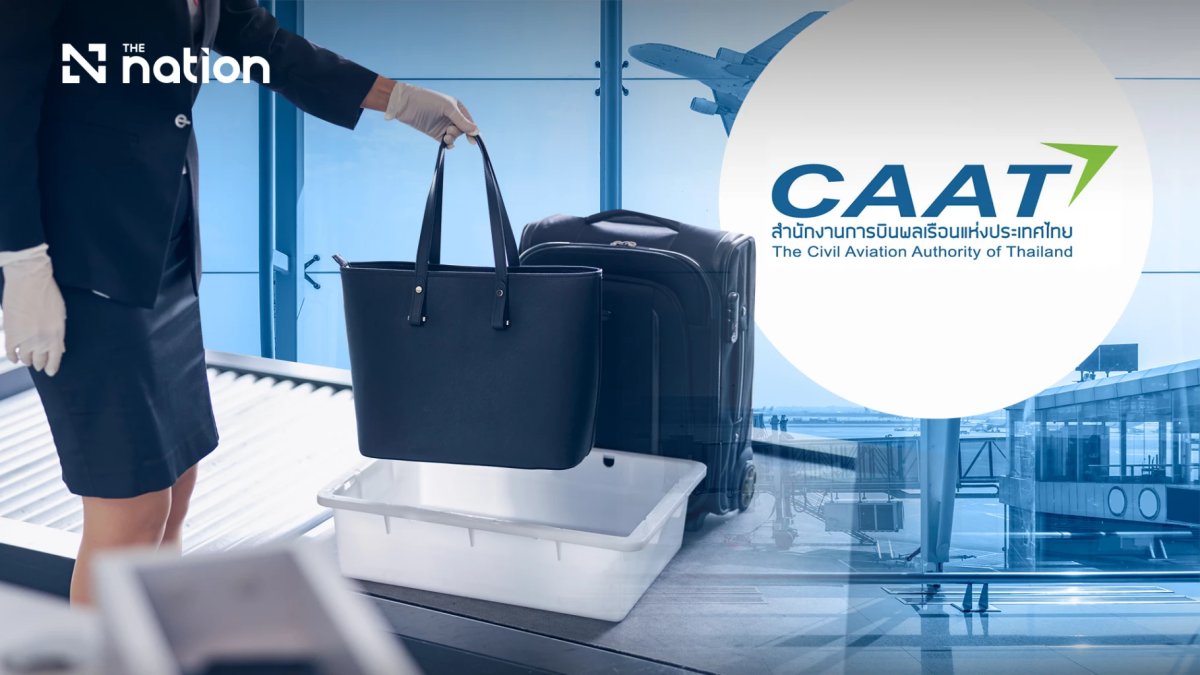
Thailand's aviation regulator has imposed sweeping new restrictions on airline crew members, banning them from carrying items for third parties after a Thai Airways flight attendant was caught smuggling more than one kilogramme of heroin into Australia. The Civil Aviation Authority of Thailand issued the directive on Friday, closing security loopholes that allowed prohibited go
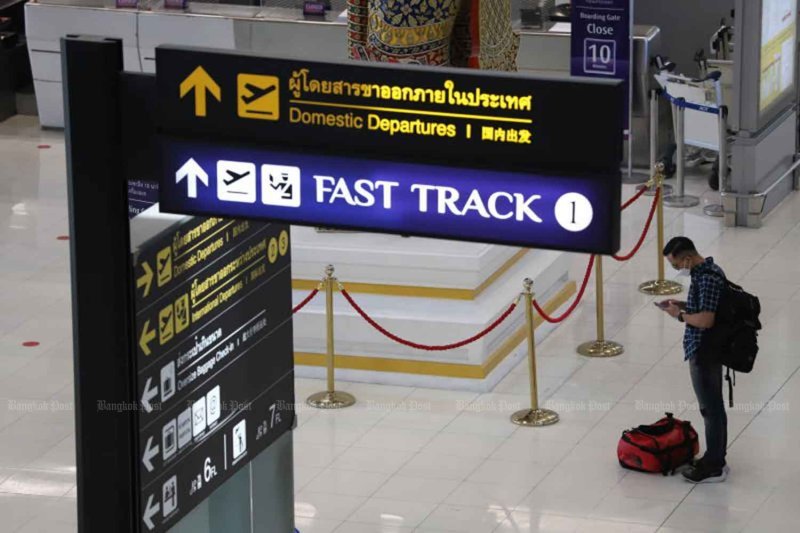
Thailand's aviation regulator has imposed sweeping new restrictions on airline crew members, banning them from carrying items for third parties after a Thai Airways flight attendant was caught smuggling more than one kilogramme of heroin into Australia. The Civil Aviation Authority of Thailand issued the directive on Friday, closing security loopholes that allowed prohibited goods to pass through crew checkpoints and threatening licence revocation for airlines that fail to comply.
New Regulations Target Crew Baggage Loopholes
The Civil Aviation Authority of Thailand issued the announcement titled "Measures to control the acceptance or carriage of items by crew members of air operator certificate holders, B.E. 2569" on July 4, 2026. CAAT director-general ACM Manat Chavanaprayoon announced the directive following resolutions from the national narcotics suppression committee meeting held on July 3. The rules require every Air Operator Certificate holder to establish systematic Crew Baggage Control measures that define permissible item types, sizes, and weights for airline personnel.
All carriers must ban crew members from carrying goods for third parties, whether paid or unpaid, unless the airline officially assigns the task. The measures also mandate risk management systems, random baggage inspections, crew awareness training, whistleblower channels, and clear disciplinary procedures. Airlines must assess risk levels and consider temporary suspension of any crew member under reasonable suspicion while reporting cases to CAAT without delay.
Violations can result in suspension or revocation of individual licenses, certificates, or entire Air Operator Certificates. These steps directly address gaps in inspection procedures for airline personnel that the Transport Ministry had previously acknowledged.
The Melbourne Heroin Case That Sparked Reform
Australian authorities arrested a Thai Airways International flight attendant identified only as "Mina" at Melbourne Airport on June 25. Officers discovered more than one kilogramme of heroin valued at 11.5 million baht, equivalent to approximately AUD 500,000, hidden in 12 tote bags inside her luggage. The attendant was working on flight TG 465 at the time of the arrest.
The incident occurred after the flight attendant received a parcel in Bangkok before departure. Thai officials confirmed the case exposed weaknesses in how airlines and authorities screen cabin crew baggage. The arrest immediately prompted the national narcotics suppression committee to convene on July 3 and direct CAAT to issue the new controls.
Thai Airways crew members operate routes that connect Bangkok to major Australian cities, carrying both passengers and cargo that support tourism and trade links between Thailand and Australia. The discovery of Category 1 narcotics on one of these flights raised immediate concerns among Thai communities in Bangkok and the Isaan region whose family members work in aviation.
Investigation Expands to International Drug Network
Pol Lt Gen Archayon Kraithong, commissioner of the Narcotics Suppression Bureau, confirmed that a special investigation team has been formed to examine the case. Investigators believe the smuggling attempt connects to an international drug trafficking network operating across borders. The task force includes officers from the Metropolitan Police Bureau, the Office of the Narcotics Control Board, and the Australian Federal Police.
ONCB deputy secretary-general Areepak Ngernbamroong stated that officers are actively coordinating with police counterparts in multiple countries. Additional charges under Thai law on participation in transnational organised crime carry penalties of four to fifteen years imprisonment and fines between 80,000 and 300,000 baht. These provisions allow Thai authorities to pursue the broader network rather than treating the incident as an isolated act by one crew member.
Arrests in Thailand and the Search for a Mystery Contact
Thai police arrested Uthai Khanaphiwat, aged 47, in Phitsanulok for allegedly delivering a parcel containing heroin to the flight attendant before her departure. Uthai admitted to hiring Atirat Suphian to deliver the parcel to the attendant at a condominium in Bang Na district on June 22. Both suspects now face charges of possessing heroin for sale and illegally exporting a Category 1 narcotic.
Investigators continue to identify a mystery contact who allegedly linked the flight attendant to the Australian drug network. The Office of the Narcotics Control Board is working with the Royal Thai Police to trace communications and financial trails that may extend beyond Bangkok into other provinces. These domestic arrests demonstrate how the case reaches from international airports into local communities across Thailand.
Implications for Thailand's Aviation Security and International Reputation
Thailand's aviation security standards face international scrutiny following the incident on flight TG 465. The Transport Ministry has acknowledged that existing inspection procedures for airline personnel contained loopholes that allowed prohibited items to pass through checkpoints. Neighbouring ASEAN countries that rely on Thai air hubs for regional connectivity now watch how quickly the new Crew Baggage Control measures restore confidence among foreign carriers and regulators.
Tourism operators in Phuket and Chiang Mai depend on reliable Thai Airways routes that bring visitors from Australia and other markets. Any prolonged perception of security gaps could affect booking numbers and related income for hotels, restaurants, and transport services in these provinces. The case also touches diplomatic channels, as Thai and Australian authorities continue joint work through the established task force.
Buddhist temples and community groups in Bangkok's Bang Na district have expressed concern for families affected by the arrests. The emphasis on whistleblower channels in the new CAAT directive may encourage crew members to report suspicious requests, strengthening internal accountability within airlines that employ thousands of Thai nationals.
What to Watch For
Airlines must submit detailed Crew Baggage Control plans to CAAT in the coming weeks and begin random inspections and training programmes. Observers will note whether carriers implement temporary suspensions for crew members under suspicion and whether reports reach CAAT without delay. The special investigation team led by the Narcotics Suppression Bureau will continue to pursue the international network and the unidentified contact.
Further arrests or additional charges under the transnational organised crime law could emerge as coordination with the Australian Federal Police and the Office of the Narcotics Control Board progresses. Thai readers should monitor updates from the Transport Ministry and CAAT regarding any changes to Air Operator Certificates that might affect flight schedules or crew assignments on routes to Australia and within ASEAN.
By Ann Srisawat, Staff WriterThis article was produced with AI-assisted research and editorial support. Reporting is based on sources cited in the article.
What's Your Reaction?
 Like
0
Like
0
 Dislike
0
Dislike
0
 Love
0
Love
0
 Funny
0
Funny
0
 Wow
0
Wow
0
 Sad
0
Sad
0
 Angry
0
Angry
0

Southeast Asia Correspondent at Global1.News. Based in Bangkok, covering Thai and Southeast Asian politics, economy, technology, and culture. Deep regional perspective on one of the world's most dynamic regions.














Comments (0)