
Chile Climate Crisis: Science, Renewables & Water Solutions
Chile is confronting one of the most severe climate crises on the planet — a 15-year megadrought, accelerating glacier melt in the Andes, and ocean temperatures spiking more than 2 degrees Celsius off its coast. But in the face of existential threat, the country is emerging as Latin America laboratory for climate solutions, deploying renewable energy at breathtaking speed, pioneering AI-driven water conservation, and legislating a path to carbon neutrality by 2050 that could
Chile is confronting one of the most severe climate crises on the planet — a 15-year megadrought, accelerating glacier melt in the Andes, and ocean temperatures spiking more than 2 degrees Celsius off its coast. But in the face of existential threat, the country is emerging as Latin America laboratory for climate solutions, deploying renewable energy at breathtaking speed, pioneering AI-driven water conservation, and legislating a path to carbon neutrality by 2050 that could reshape the region environmental future.
Chile Climate Crisis: Science, Renewables, and the Fight for Water Security
Santiago, Chile July 22, 2026 —
Chile's Climate Crisis: A Decade-Long Emergency Reshaping the Nation
Chile stands at the epicenter of Latin America's intensifying climate emergency, where a megadrought spanning over 15 years from 2010 into 2025 and beyond has delivered the worst dry spell in a millennium. Central regions face IPCC-projected relentless drops in annual rainfall, while ocean temperatures spike more than 2 degrees Celsius off southern and central coasts, triggering widespread marine die-offs that ripple through fisheries and coastal economies. Andean and Patagonian glaciers retreat at alarming rates, stripping water security from millions who depend on seasonal melt for drinking supplies, irrigation, and hydropower. This crisis extends beyond water: reduced glacier mass may heighten volcanic eruption risks by easing pressure on magma chambers beneath the peaks. A heavy snow winter in 2026 offered fleeting relief, yet long-term models forecast sustained pressure from heatwaves, extreme precipitation events known as temporales, and destructive storms that overwhelm aging urban infrastructure across Santiago and Valparaíso.
These impacts strike at the heart of Chile's identity as a Latin American powerhouse, threatening agriculture from world-renowned wine valleys to avocado orchards that feed export markets. Ecosystems from the Atacama to Patagonia buckle under scarcity, while human consumption faces rationing in growing cities. The data paints an urgent portrait: unchecked warming could slash GDP by 28 percent by mid-century through lost productivity and disaster recovery costs. Yet within this turmoil lies the seed of transformation. Chile's scientists and policymakers are forging solutions that could serve as a beacon for the entire region, turning vulnerability into leadership on the global stage. The scale demands immediate action, blending adaptation with bold mitigation to protect vulnerable communities from the Andes foothills to the Pacific shores.
The Megadrought and Melting Andes: Water Security Under Siege
The megadrought's grip has reshaped daily life across central Chile, where rainfall deficits compound year after year in a pattern unseen for a thousand years. IPCC scenarios warn of continued average annual rainfall decline, pushing rivers to historic lows and reservoirs toward critical thresholds. Ocean anomalies exceeding 2 degrees Celsius have already decimated kelp forests and shellfish populations, devastating artisanal fishing communities that form the backbone of coastal economies. Meanwhile, accelerated glacier retreat in the Andes and Patagonia threatens the water lifeline for over 10 million people, as these ice reserves historically supplied steady flows during dry summers. Reduced overlying pressure from melting ice may even elevate volcanic risks, adding geological hazards to an already strained landscape.
Winter 2026's heavy snow brought temporary respite to some basins, yet projections indicate this anomaly will not reverse the trajectory of scarcity. Heatwaves now strike with greater frequency and intensity, while temporales unleash flash floods that destroy roads, homes, and crops in single events. Agriculture bears the brunt: wine production faces shifting terroirs, avocado groves require ever-deeper wells, and staple crops wither under combined heat and drought stress. Ecosystems lose biodiversity at accelerating rates, from high-Andean wetlands to Mediterranean forests. Human consumption in urban centers risks shortages that could spark social unrest. These interconnected threats demand integrated responses that address both immediate relief and long-term resilience, positioning Chile's water crisis as a defining test for Latin American climate adaptation strategies.
Renewable Revolution: From Atacama Solar to Green Hydrogen
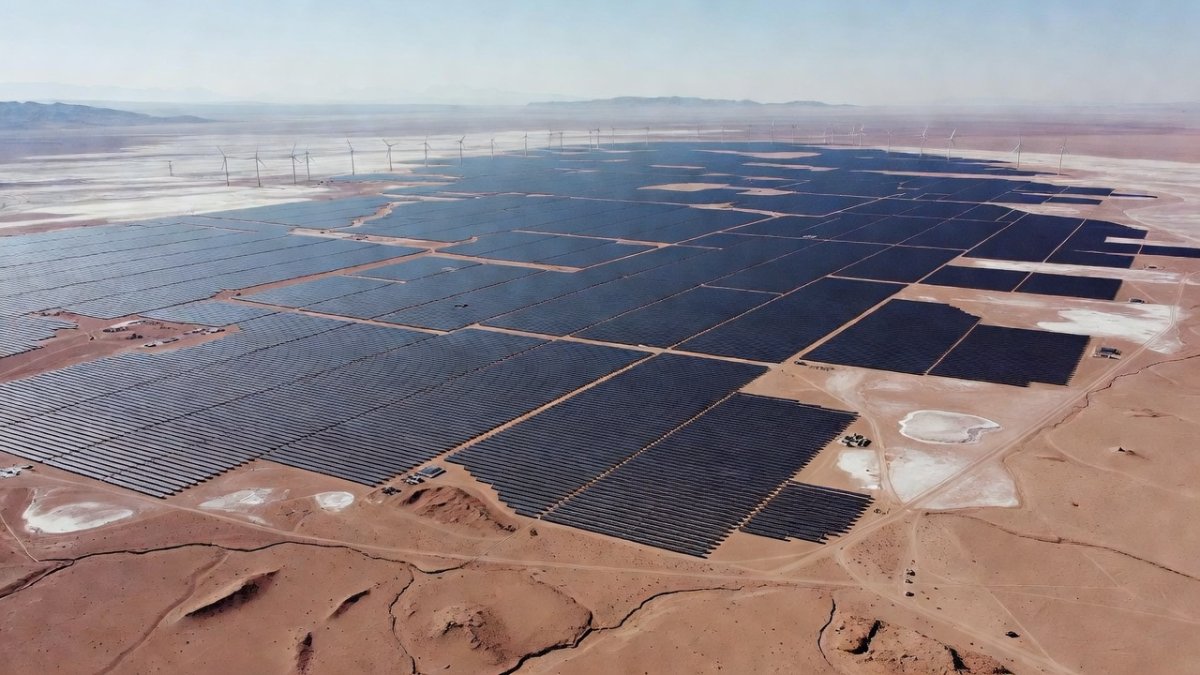
Chile has executed one of the world's most rapid renewable energy transitions, scaling utility-scale wind and solar from near zero to more than 60 percent of clean electricity generation. The Atacama Desert delivers among the planet's highest solar irradiance levels, powering vast arrays that now feed national grids with unprecedented efficiency. A landmark 2026 tender for 2,835 GWh of backup electricity explicitly excludes coal, opening doors for solar, wind, hydro, and battery storage to dominate future supply. The Oasis de Atacama project exemplifies this ambition, combining 2 GW of solar capacity with 11 GWh of battery storage to stabilize intermittent generation and deliver round-the-clock clean power.
Green hydrogen emerges as Chile's flagship export strategy, leveraging abundant renewables to produce zero-emission fuel for global markets while decarbonizing domestic industry. The Climate Change Framework Law anchors these efforts, mandating carbon neutrality by 2050 through binding sectoral targets. Economic modeling reveals that proactive climate measures could lift GDP by 4.4 to 5.2 percent by 2050, while avoiding the catastrophic 28 percent contraction projected under business-as-usual emissions. This renewable surge not only cuts emissions but creates thousands of jobs in manufacturing, installation, and maintenance across northern deserts and southern wind corridors. Chile's model demonstrates how resource-rich Latin American nations can leapfrog fossil dependence, exporting both electrons and expertise to neighbors facing similar transitions.
Scientific Innovation: Desalination, AI Agriculture, and Glacier Monitoring
Twenty-eight reverse-osmosis desalination plants now operate across Chile, primarily serving mining operations that have shifted 40 percent of northern water demand onto desalinated sources, with projections reaching 65 percent in coming years. Breakthrough research has slashed desalination energy requirements by up to 80 percent, making large-scale deployment economically viable even for smaller municipalities. At the University of La Serena in Coquimbo, AI-driven precision agriculture systems optimize irrigation timing and volume, cutting water losses by more than 50 percent while maintaining or increasing crop yields in drought-stressed valleys. Alternative rice cultivation techniques further reduce both water consumption and methane emissions, offering scalable pathways for staple food production under water constraints.
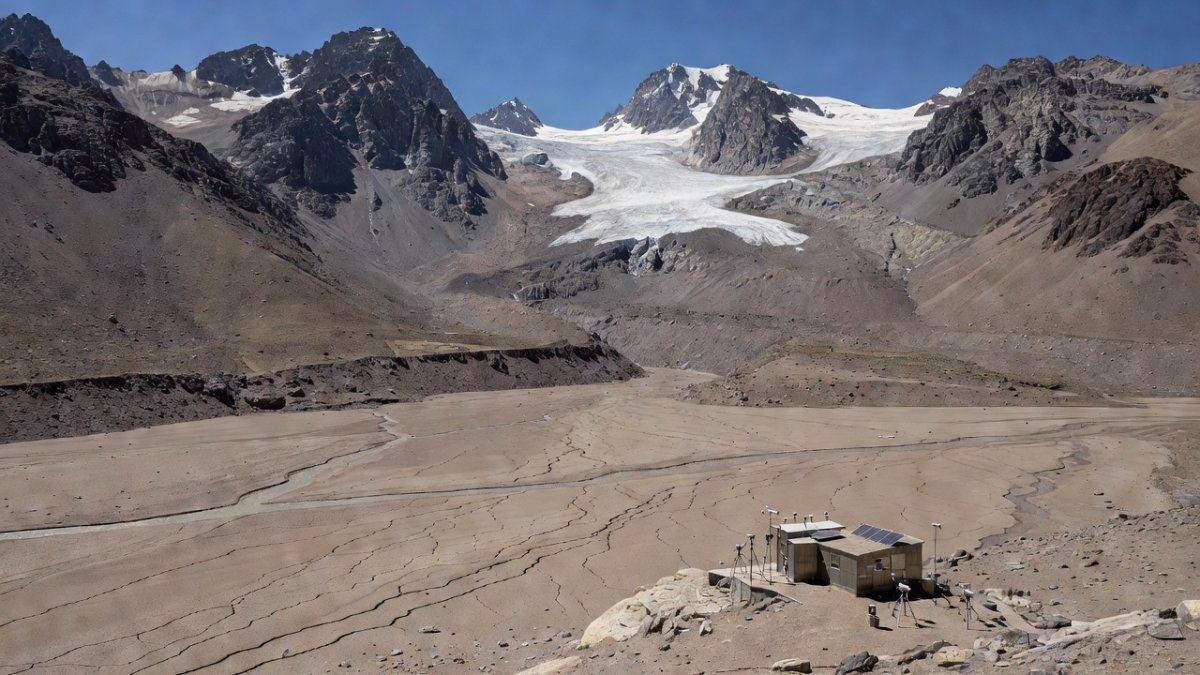
Green hydrogen integration with desalination creates synergistic opportunities for mining decarbonization, pairing clean fuel production with freshwater generation in the arid north. Glacier monitoring programs, bolstered by scientific collaboration with Germany, deploy advanced sensors and satellite imagery to track retreat rates and inform water allocation models. These innovations extend beyond technical fixes to ecosystem restoration led by CONAF, where reforestation and wetland recovery enhance natural water retention. Together, these scientific advances form a comprehensive toolkit that addresses Chile's water-energy-food nexus, delivering measurable efficiency gains while generating exportable technologies for other Latin American countries confronting parallel climate pressures.
Policy Framework: The Climate Change Law and Carbon Neutrality by 2050
Chile's Climate Change Framework Law establishes permanent state policy, requiring sectoral adaptation plans across government ministries and binding emissions reductions aligned with the 2050 carbon neutrality target. Complementary legislation includes the Glacier Protection Law, which safeguards critical ice reserves from mining and development pressures. The Ministry of Environment coordinates with the Dirección General de Aguas to enforce water rights reforms and drought contingency measures, while CONAF advances large-scale ecosystem restoration that bolsters carbon sinks and watershed health. International partnerships, notably with Germany on Antarctic and glacier research, accelerate knowledge transfer and monitoring capacity.
These institutional mechanisms translate scientific data into enforceable action, ensuring that renewable targets, desalination expansion, and agricultural innovation receive sustained funding and regulatory support. The law's emphasis on equity prioritizes vulnerable communities in adaptation planning, recognizing that climate impacts fall hardest on low-income and Indigenous populations. By embedding long-term goals into national governance, Chile creates predictability for investors and continuity across political cycles. This framework positions the country as a regional leader, demonstrating how comprehensive legislation can align economic growth with planetary boundaries and inspire similar policy architectures throughout Latin America.
Voices from the Ground: Communities, Mining, and the Water Debate
Across Chile's northern mining districts, communities voice both hope and concern as desalination scales to 65 percent of industrial water use. Local leaders in Coquimbo celebrate AI precision agriculture that halves irrigation needs, yet demand greater transparency on how desalinated supplies reach smallholder farmers rather than solely large operations. Mining executives highlight the 40 percent shift already achieved and the 80 percent energy reductions in new plants, framing these as shared victories. However, residents downstream of retreating glaciers express fears that volcanic risks and water shortages could displace families who have farmed Andean slopes for generations.
Temporales and heatwaves have mobilized urban neighborhoods in Santiago to advocate for resilient infrastructure investments. Fisherfolk affected by 2-degree ocean anomalies push for marine protected areas alongside renewable expansion. Green hydrogen projects spark debate over land use in the Atacama, with Indigenous groups insisting on benefit-sharing agreements. These ground-level perspectives underscore that technical solutions succeed only when paired with inclusive governance. Chile's water debate reveals tensions between export-driven mining and domestic food security, yet also surfaces collaborative models where communities co-design adaptation plans. Such voices ensure that the transition remains just and grounded in lived realities across Latin America's most climate-exposed nation.
The Bottom Line: Chile's Model for a Climate-Resilient Latin America
Chile's convergence of megadrought response, renewable dominance, and scientific ingenuity offers a replicable blueprint for Latin America. By reaching over 60 percent clean electricity, advancing 28 desalination facilities, and legislating carbon neutrality by 2050, the country demonstrates that ambitious targets deliver both environmental and economic returns, potentially adding 4.4 to 5.2 percent to GDP. AI agriculture, energy-efficient desalination, and green hydrogen integration address water scarcity while creating export opportunities. Glacier protection and German research partnerships safeguard long-term water security amid ongoing retreat.
The Climate Change Framework Law and sectoral plans institutionalize these gains, ensuring continuity and equity. Communities, miners, and scientists together shape solutions that balance industrial needs with ecosystem health. As temporales, heatwaves, and ocean anomalies intensify, Chile's experience proves that data-driven innovation paired with strong policy can reverse vulnerability. For the broader region facing similar megadroughts and glacier loss, Chile's path illuminates how Latin American nations can transform crisis into opportunity, building resilient societies that thrive within planetary limits. The time for scaled adoption across the continent is now.
Keywords: Chile climate crisis, megadrought, Atacama solar, green hydrogen, desalination plants, glacier retreat, carbon neutrality 2050, AI agriculture, renewable energy Chile, water scarcity Latin America, Climate Change Framework Law, Oasis de Atacama, mining water use, Patagonian glaciersBy Elena Vasquez, Staff Writer
This article was produced with AI-assisted research and editorial support. Reporting is based on sources cited in the article.
What's Your Reaction?
 Like
0
Like
0
 Dislike
0
Dislike
0
 Love
0
Love
0
 Funny
0
Funny
0
 Wow
0
Wow
0
 Sad
0
Sad
0
 Angry
0
Angry
0

Latin America Correspondent at Global1.News. Based in Mexico City, covering politics, economics, energy, and culture across the region. Brings an on-the-ground perspective to stories spanning from the Rio Grande to Patagonia.















Comments (0)