
What to Expect From the Upcoming Israeli Elections: Bennett-Lapid Alliance Challenges Netanyahu
Introduction In a recent i24NEWS video broadcast from Jerusalem, analysts dissected the accelerating momentum toward snap elections in Israel, highlighting how public fatigue and coalition fractures have converged at a critical juncture. The footage captured street interviews and Knesset reactions, underscoring a nation still reeling from the October 7 attacks while facing an O
Introduction
In a recent i24NEWS video broadcast from Jerusalem, analysts dissected the accelerating momentum toward snap elections in Israel, highlighting how public fatigue and coalition fractures have converged at a critical juncture. The footage captured street interviews and Knesset reactions, underscoring a nation still reeling from the October 7 attacks while facing an October 27, 2026 deadline for the next vote. With 106 out of 120 MKs now backing early elections, the political landscape has shifted dramatically, setting the stage for a contest that will test every major party’s vision for security, diplomacy, and recovery. This first election since October 7 carries unique weight, as voters weigh the trauma of 1,139 killed and roughly 250 abducted against ongoing threats from Hamas, Hezbollah, and Iran. The video’s emphasis on unity versus division mirrors the broader debate now dominating headlines, where opposition forces sense an opening and the governing coalition fights to retain power amid internal strains. As the country approaches this pivotal moment, the analysis reveals how every policy disagreement traces back to that fateful day in 2023, reshaping priorities in ways that could redefine Israel’s future trajectory for years to come.
The Push for Early Elections
The drive for early elections has gained unstoppable force as 106 MKs across the political spectrum have signaled support for advancing the vote well before the October 27, 2026 constitutional deadline. An election bill introduced in the Knesset reflects this broad consensus, driven by mounting dissatisfaction with the current government’s handling of the prolonged conflict and economic pressures. Coalition dynamics have grown increasingly fragile, with smaller parties leveraging their leverage to extract concessions while larger factions struggle to maintain discipline. Within Likud itself, internal pressure has intensified from rank-and-file members who fear electoral erosion if the party delays confronting the opposition head-on. Prime Minister Netanyahu faces competing demands from allies who want stability and from hardliners pushing for immediate confrontation at the ballot box. This convergence of forces has transformed what began as scattered calls for accountability into a unified parliamentary push, illustrating how the post-October 7 reality has upended traditional timelines. Analysts note that such widespread backing for early elections signals a deeper crisis of confidence, where even coalition partners recognize the need for renewed public mandate. The bill’s progress through committees highlights tactical maneuvering, yet the underlying driver remains the electorate’s demand for clarity on security strategy and national direction after nearly three years of war.
The Beyahad Alliance Takes Shape
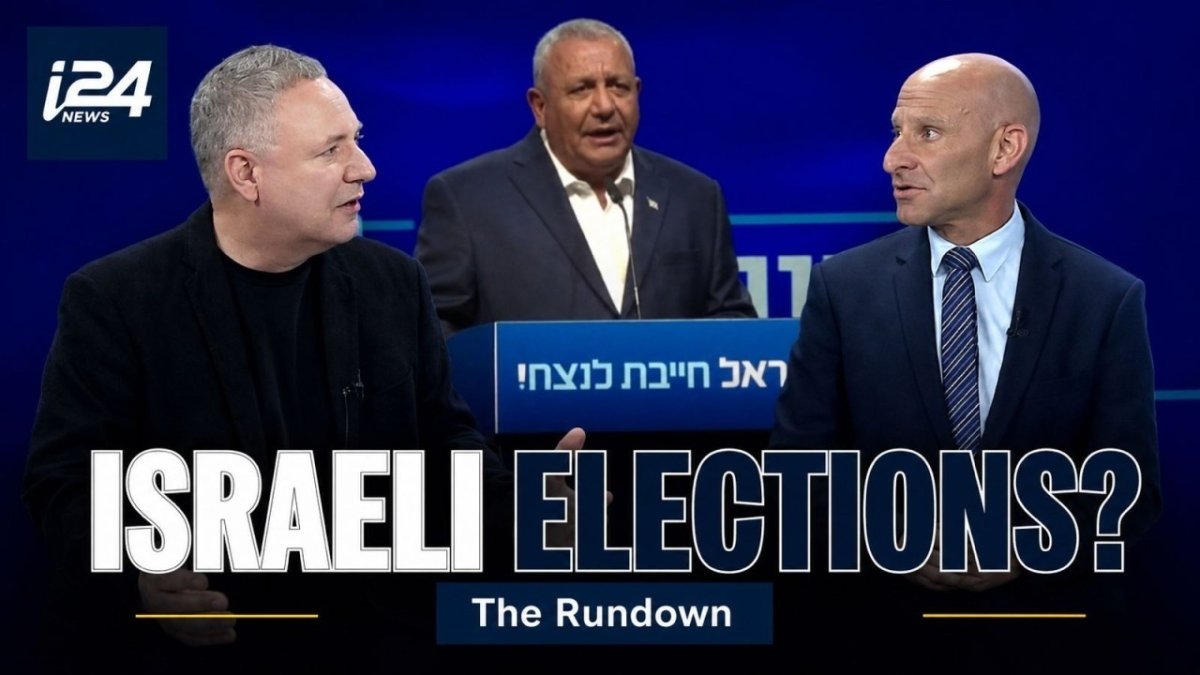
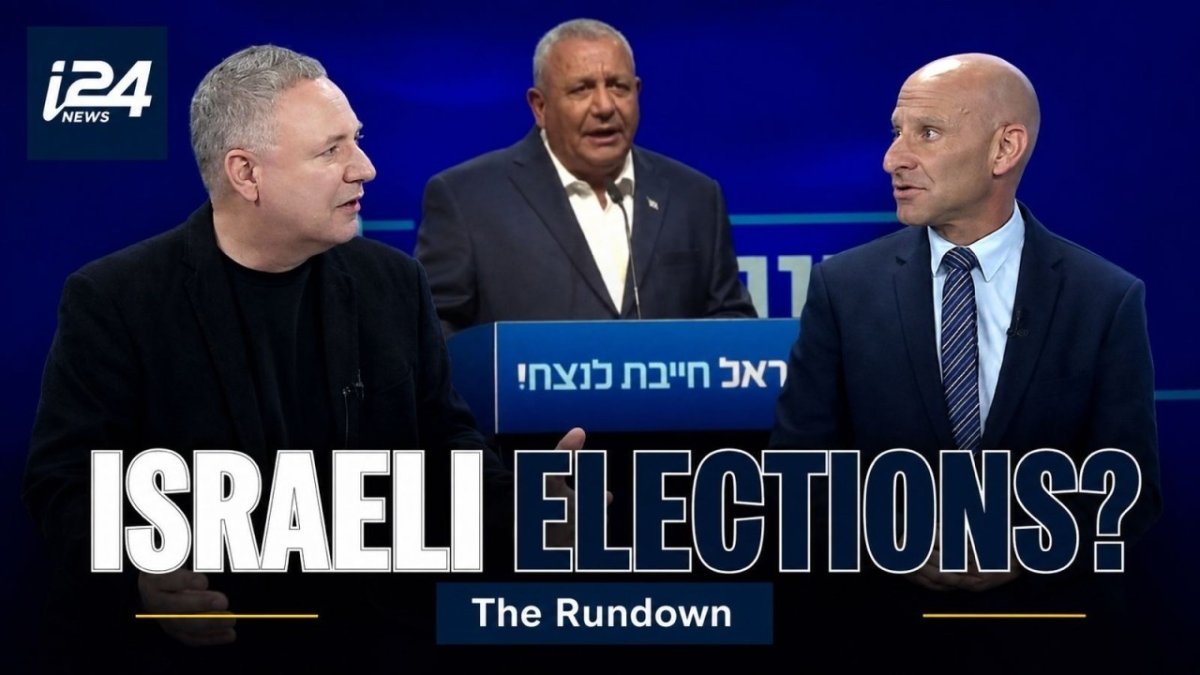
Under the Beyahad (Together) banner, Naftali Bennett and Yair Lapid have forged a merger that positions Bennett as the lead candidate, aiming to consolidate centrist and right-leaning voters disillusioned with both extremes. Former IDF Chief of Staff Gadi Eisenkot plays a pivotal role in the alliance, bringing military credibility and personal resonance after his son was killed in Gaza operations. Recent polling indicates the opposition bloc could secure 67 to 69 seats, while the current coalition hovers between 49 and 53, suggesting a potential shift in power if trends hold. The Herzliya Conference at Reichman University served as a key platform for unveiling joint positions, allowing the pair to contrast their approach with the government’s record. This partnership echoes their previous rotation government from 2021 to 2022, which demonstrated an ability to bridge ideological gaps on governance despite differing emphases on security and domestic policy. Bennett’s leadership in Beyahad emphasizes pragmatic decision-making honed during his earlier tenure, while Lapid contributes diplomatic experience and media savvy. The alliance’s formation reflects strategic calculations to maximize seat totals by avoiding vote splitting, particularly among voters prioritizing competence over ideology. Eisenkot’s inclusion strengthens appeals to security-minded constituencies wary of perceived hesitancy in confronting threats. As the campaign unfolds, Beyahad’s cohesion will be tested by the need to articulate a unified platform that addresses both immediate military needs and longer-term diplomatic isolation.
Netanyahu's Coalition and Campaign
Netanyahu’s coalition draws strength from established partners including Shas led by Aryeh Deri with 11 seats, UTJ under Goldknopf holding 7, Religious Zionist Party with Smotrich commanding 7, and Otzma Yehudit under Ben-Gvir securing 6. These factions provide a reliable base but also impose rigid demands on policy, particularly regarding settlements and religious issues. Channel 14 rhetoric has amplified the prime minister’s messaging with the refrain “It will never end… Be strong,” framing the conflict as an existential struggle requiring unwavering resolve. Ben-Gvir and Smotrich have pushed aggressive stances that energize their bases yet risk alienating moderates. Meanwhile, Gantz’s Blue and White party holds 8 seats, Lieberman’s Yisrael Beiteinu commands 6, and Sa’ar’s New Hope retains 4, representing potential swing elements that could influence post-election bargaining. The campaign strategy centers on portraying the opposition as inexperienced in managing multi-front threats, while highlighting incremental security gains. Internal coalition negotiations reveal tensions over resource allocation and portfolio control, yet shared interest in retaining power sustains unity for now. Netanyahu’s messaging leverages personal resilience narratives to counter corruption trials and public fatigue. The arithmetic of these seat distributions underscores how fragile majorities depend on maintaining discipline among disparate ideological partners, many of whom view early elections as an opportunity to expand influence rather than risk losses.
Policy Divergence at Herzliya
At the Herzliya Conference, sharp policy divergences emerged that illuminate the stakes of the coming election. Bennett stated, “After a thousand days of war, Hamas rearming, Hezbollah growing stronger, Tehran remains standing,” underscoring his critique of incomplete victories and the need for sustained pressure. Eisenkot countered by arguing that Netanyahu exaggerated the Iran nuclear threat, advocating a more calibrated assessment that avoids unnecessary escalation while addressing genuine dangers. Lapid emphasized that Israel has never been more isolated internationally, calling for renewed diplomatic engagement to complement military efforts. Touma-Sliman observed that the opposition reflects Israeli society’s diversity, noting that all sides agree on the necessity of the wars yet differ on execution and aftermath planning. Shenhav-Shahrabani added that opposition figures support potential action against Iran but criticize only the subservience to Trump that they believe undermines Israeli autonomy. These exchanges at Reichman University revealed fundamental disagreements on threat prioritization, with Bennett and Eisenkot stressing operational realities on multiple fronts while Lapid focused on restoring global standing. The debate also touched on balancing deterrence with reconstruction, highlighting how personal experiences shape strategic outlooks. Such divergences offer voters clear contrasts, yet they also expose the challenges of forging consensus within any future government formed by the opposition alliance.
Arab Parties and the Electoral Landscape
The revival of the Joint List, encompassing Ra’am, Hadash, Ta’al, and Balad, signals a renewed effort to consolidate Arab representation amid heightened national tensions. Mansour Abbas’s UAL continues to operate separately, pursuing pragmatic alliances that distinguish it from the broader Joint List framework. Yair Golan’s The Democrats party projects 4 seats, focusing on progressive security alternatives that appeal to left-leaning voters. Party dynamics within the Arab sector remain complex, balancing demands for equality and recognition with the imperative to influence coalition formations. The electoral landscape shows these factions navigating voter disillusionment stemming from the October 7 aftermath, where security concerns have overshadowed traditional socioeconomic platforms. Revival efforts aim to increase turnout by emphasizing shared stakes in ending the conflict and addressing internal divisions. Mansour Abbas’s independent path allows flexibility in negotiations, potentially positioning UAL as a kingmaker in tight scenarios. Meanwhile, The Democrats under Golan seek to bridge Arab and Jewish progressive voters through emphasis on democratic values. These configurations illustrate how Arab parties must calibrate between ideological purity and pragmatic influence, especially as overall polling suggests the opposition could benefit from higher Arab participation rates. The interplay among these groups will shape not only seat totals but also the tone of post-election bargaining on issues ranging from budgets to legal reforms.
1,000 Days Since October 7
The milestone of 1,000 days since the October 7 attack has fundamentally reshaped every dimension of Israeli political discourse, embedding security considerations into debates once dominated by economics or social policy. The assault, which claimed 1,139 lives and resulted in approximately 250 abductions, marked the worst day since the state’s establishment according to Goren of the Mitvim Institute. This trauma continues to influence voter priorities, elevating military preparedness and hostage recovery above other concerns in recent surveys. The hostage crisis remains a visceral reminder of unresolved wounds, fueling demands for accountability and strategic clarity from all candidates. Goren’s analysis stresses that the opposition must balance military force with diplomatic initiatives to achieve sustainable outcomes, avoiding the pitfalls of perpetual conflict. A security mindset shift has taken hold across the electorate, where even traditionally dovish constituencies now prioritize deterrence capabilities. The first election since October 7 thus serves as a referendum on whether current approaches have delivered sufficient protection or whether alternative leadership could better integrate force with negotiation. Public discourse at this juncture reveals deep fatigue yet persistent resolve, with parties tailoring messages to acknowledge collective grief while projecting forward-looking solutions. This anniversary underscores how the attack’s legacy will define campaign narratives and ultimately determine which coalition emerges with a mandate to address both immediate threats and long-term resilience.
Diplomatic and International Stakes
US-Israel relations under the Trump administration present both opportunities and risks, with opposition voices critiquing what they describe as excessive subservience that limits Israeli maneuverability. European relations have cooled amid differing views on Gaza operations and settlement policies, complicating efforts to secure broader international support. At the United Nations, dynamics remain adversarial, with recurring resolutions testing Israel’s diplomatic isolation highlighted by Lapid. The opposition argues that closer alignment with Washington has come at the expense of independent strategy, potentially alienating traditional European partners essential for economic and technological cooperation. Netanyahu’s coalition counters that strong ties with the current US leadership provide unmatched security assistance and political backing. These international stakes intersect with domestic debates, as voters assess whether a Beyahad government would recalibrate alliances toward greater balance or whether continuity under Netanyahu better safeguards core interests. European engagement on trade and research programs hangs in the balance, while UN forums continue to serve as arenas for narrative contests. The interplay between American support and multilateral pressures will influence post-election foreign policy flexibility, affecting everything from arms procurement to regional normalization efforts. Candidates must therefore address how their diplomatic postures would navigate these competing pressures without compromising deterrence or economic stability.
What Comes Next
The path to October 27 now hinges on finalizing the election bill and managing the transition period, with coalition math determining whether Beyahad can translate polling leads into a governing majority. A Beyahad government would likely feature Bennett at the helm, incorporating Eisenkot in a security role and Lapid in foreign affairs, emphasizing integrated military-diplomatic strategies alongside domestic reforms. Such an arrangement could prioritize hostage resolutions and measured responses to Iran while seeking to mend international ties strained by recent years. Conversely, a Netanyahu victory would extend the current coalition’s tenure, potentially expanding influence for parties like Shas and Otzma Yehudit while maintaining the hardline posture articulated on Channel 14. The arithmetic of 67-69 opposition seats versus 49-53 for the coalition suggests that turnout and alliance discipline will prove decisive. What emerges after the vote will shape responses to rearming threats from Hamas and Hezbollah, as well as the nuclear question. Voters face a choice between continuity and change, with each path carrying distinct implications for security doctrine, international standing, and internal cohesion. As the campaign intensifies, attention will focus on whether the opposition can convert widespread dissatisfaction into actionable majorities or whether the incumbent coalition can rally its base around resilience narratives. The outcome will set Israel’s course for the remainder of the decade. By Hannah Berg, Staff Writer
This article was produced with AI-assisted research and editorial support. Reporting is based on sources cited in the article.
What's Your Reaction?
 Like
0
Like
0
 Dislike
0
Dislike
0
 Love
0
Love
0
 Funny
0
Funny
0
 Wow
0
Wow
0
 Sad
0
Sad
0
 Angry
0
Angry
0
Israel Correspondent at Global1.News. Based in Tel Aviv, covering Israeli politics, security, technology, and society. Provides balanced, deeply-sourced reporting on one of the most closely-watched regions in the world.











Comments (0)