
Can Military Pressure Force Iran Back to Talks?
In a recent i24NEWS English YouTube video titled "Can military pressure force Iran back to the negotiating table?" analysts assess whether sustained US-Israeli airstrikes since February 28, 2026, can compel Tehran to return to talks. The report details the eleventh consecutive night of US strikes on Iranian targets as of July 22, 2026, alongside Iran's outreach to mediators in Pakistan.
US-Israel Strikes Test Iran's Nuclear Stance
Jerusalem, Israel — The US and Israel have conducted joint military operations against Iran for nearly five months, beginning with airstrikes on February 28, 2026, that killed Supreme Leader Ali Khamenei and several senior officials. Israeli intelligence units have tracked movements of enriched uranium to undisclosed sites inside Iran during this period. The campaign continues with US forces entering their eleventh night of strikes on July 22, 2026, according to Defense Secretary Pete Hegseth, who placed the total cost at $37.5 billion.
US-Israeli Military Campaign Details
The joint operations target Iranian nuclear facilities and command centers across multiple provinces. US Central Command coordinates with the Israel Defense Forces on strike packages launched from bases in the region. Israeli Air Force squadrons have participated directly in several waves, focusing on sites near Natanz and Fordow. Defense Secretary Pete Hegseth confirmed the cumulative expenditure reached $37.5 billion by July 22, 2026, covering munitions, fuel, and logistics.
Israeli officials in the Prime Minister's Office state that the pressure aims to degrade Iran's ability to produce a nuclear weapon. The IDF has conducted follow-on assessments of strike damage using drone surveillance. Strikes have hit air defense radars and missile production plants in central Iran. The campaign marks the longest sustained US military involvement in the region since 2003.
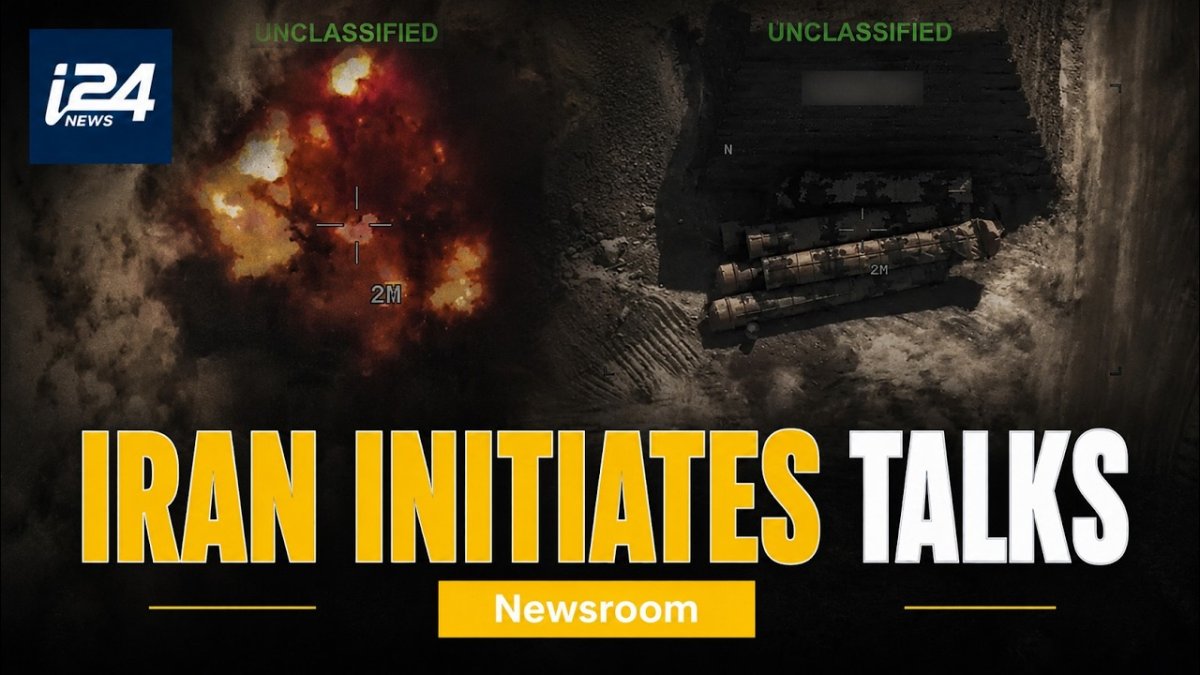
The Israeli Air Force conducted over 180 F-35I Adir sorties in the opening 72 hours, focusing on the destruction of Iranian S-300 batteries near Natanz and Fordow. These fifth-generation fighters, upgraded with Israeli avionics, neutralized seven launchers and associated radars using Rampage and Rocks munitions, creating corridors for follow-on F-15I strikes. Mossad and Unit 8200 provided real-time tracking of uranium hexafluoride shipments, confirming the movement of 450 kilograms between Isfahan and underground sites just days before the campaign began.
Coalition forces struck 92 distinct targets across four Iranian provinces, including IRGC missile production halls and command nodes. Israeli assessments place IRGC casualties at 340 killed and 1,100 wounded, with the majority resulting from precision-guided GBU-31 and Spice-2000 bombs. The operation also incorporated loitering munitions launched from standoff platforms, minimizing risk to Israeli pilots while achieving a reported 87 percent target destruction rate according to post-strike intelligence.
Iranian Retaliation and Regional Attacks
Iran has launched missile and drone strikes against US and allied positions in Kuwait, Bahrain, and Jordan since the initial February 28, 2026, killings. Iranian forces claim to have closed the Strait of Hormuz to commercial traffic, disrupting oil shipments from Gulf producers. Attacks on US bases in Kuwait occurred in multiple salvos during June and July 2026.
Tehran has also struck targets in Bahrain and Jordan, according to statements from the Iranian Revolutionary Guard Corps. These actions have prompted air defense activations by Jordanian forces near the border with Syria. The closures of the Strait of Hormuz have raised shipping insurance rates for vessels transiting the Persian Gulf.
Iran responded with approximately 340 Shahed-136 drones and 120 ballistic missiles, primarily Emad and Qiam variants, targeting Israeli military airbases and energy infrastructure. While Israeli Arrow and David’s Sling systems intercepted 94 percent of incoming projectiles, several impacts near Nevatim and Ramon airbases caused temporary runway disruptions. The IRGC also activated proxy networks, directing Houthi forces in Yemen to launch anti-ship missiles and drones toward Red Sea shipping lanes, forcing multiple commercial vessels to reroute around the Cape of Good Hope.
In Gulf states, Iranian missile fragments and drone debris struck civilian areas in eastern Saudi Arabia and Bahrain, damaging power substations and triggering temporary blackouts affecting 180,000 residents. Daily life in Dubai and Abu Dhabi saw flight cancellations and heightened security at ports, with oil exports from Ras Tanura delayed by 12 hours. These attacks underscored Tehran’s strategy of calibrated escalation designed to impose economic costs without triggering full-scale regional war.
Mediation Efforts Led by Regional Actors
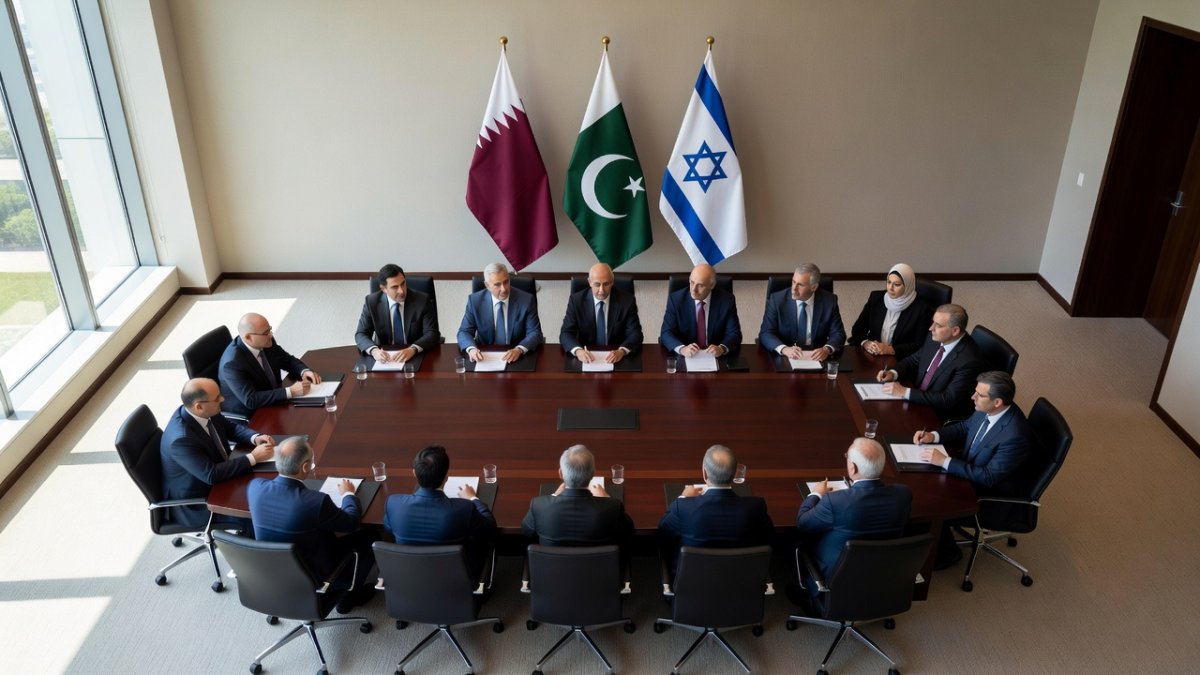
Pakistan, Qatar, Egypt, and Turkey are facilitating a proposed 10-day ceasefire between the US, Israel, and Iran. Iranian Interior Minister Eskandar Momeni traveled to Pakistan in recent days to advance the talks, according to i24NEWS sources. The initiative originated in Tehran despite the ongoing strikes.
US Secretary of State Marco Rubio stated that Washington remains open to negotiations provided they produce verifiable outcomes on Iran's nuclear program. President Trump has publicly rejected further talks, describing past negotiations as a waste of time. Diplomatic channels through the four mediators continue to exchange proposals on monitoring enriched uranium stocks.
Israel's Strategic Calculations on Ceasefire
Israeli security officials insist any ceasefire must include binding limits on Iran's nuclear enrichment and missile development. The IDF has briefed the Knesset Foreign Affairs and Defense Committee on uranium movements detected since February 2026. Prime Minister's Office spokespeople emphasize that military pressure remains essential until Iran provides access to International Atomic Energy Agency inspectors.
Israeli intelligence assessments indicate that Khamenei's death has created leadership uncertainty inside the Iranian regime. Officials in Jerusalem argue that halting strikes now would allow Iran to reconstitute its program at secret locations. The government has coordinated with the Foreign Ministry to convey these red lines to mediators in Ankara and Cairo.
Regional Alliance Shifts and Saudi Role
The conflict has accelerated normalization discussions between Israel and Saudi Arabia, with talks focusing on security guarantees against Iranian retaliation. Saudi officials have hosted indirect contacts with Israeli representatives in recent weeks. The United Arab Emirates has increased intelligence sharing with the IDF on Iranian missile trajectories.
Egyptian mediation efforts include proposals for a monitored buffer zone along the Strait of Hormuz. Turkish diplomats have shuttled between Tehran and Washington to clarify ceasefire terms. These developments have altered traditional alignments, with Gulf states coordinating more closely with Israeli defense systems.
Within Israel’s security cabinet, coalition partners led by Likud insist on maintaining the military campaign until Iran accepts intrusive IAEA inspections at all declared and undeclared sites, while opposition figures from National Unity argue for a narrower ceasefire limited to halting enrichment above 60 percent. The IDF and Mossad leadership have briefed ministers that any agreement must include verifiable dismantlement of advanced centrifuges at Fordow, citing intelligence that Iran retains enough material for two nuclear devices within weeks if unchecked.
These calculations are heavily influenced by the ongoing election campaign, with Prime Minister Netanyahu seeking to portray the operation as a historic achievement ahead of the vote. Historical precedent reinforces the hardline position: the 2010-2012 Stuxnet operation and the 2024 Isfahan strike demonstrated that targeted action can delay Iran’s program by 18-24 months, yet both required sustained follow-up pressure. Security officials warn that a premature ceasefire without inspection mandates would repeat the shortcomings of the 2015 JCPOA framework.
Economic Costs and Energy Market Effects
The $37.5 billion US expenditure covers precision munitions and carrier operations in the Persian Gulf. Iranian closure of the Strait of Hormuz has reduced daily oil flows by an estimated 20 percent since early July 2026. Kuwaiti and Bahraini ports have reported damage from Iranian strikes, affecting regional trade volumes.
Israeli energy companies have rerouted shipments through the Mediterranean to avoid Hormuz risks. The Bank of Israel has adjusted forecasts for defense spending in the 2026 budget. Jordanian authorities have requested additional US military aid to cover costs from Iranian missile interceptions.
Outlook for Negotiations and Next Steps
US and Israeli officials await Iran's response to the 10-day ceasefire framework proposed through Pakistani channels. Rubio has indicated that any agreement must address the enriched uranium already moved to secret sites. Israeli representatives continue to monitor developments from the Prime Minister's Office in Jerusalem.
Further strikes remain possible if mediators fail to secure commitments on nuclear transparency. The IDF maintains heightened alert status along Israel's northern and eastern borders. Regional capitals including Riyadh and Cairo are preparing for potential follow-on diplomatic meetings in the coming week.
Three primary scenarios are under discussion in Jerusalem: a full ceasefire contingent on Iranian acceptance of snap inspections, a partial truce freezing enrichment levels for 90 days, or renewed escalation if Tehran rejects European mediation. France, Britain, and Germany—the E3—have proposed a bridging mechanism that would link sanctions relief to verified centrifuge reductions, though Israeli officials remain skeptical of European enforcement credibility following past diplomatic failures.
US-Israel coordination has intensified, with daily secure calls between the Pentagon and IDF General Staff to align on red lines. Washington has signaled willingness to support a 10-day ceasefire window beginning within 48 hours, provided Israel retains freedom to respond to any Iranian proxy attacks. Israeli analysts assess that the coming week will determine whether the current pause solidifies into a durable arrangement or collapses into broader confrontation involving additional Iranian missile barrages.
By Hannah Berg, Staff Writer
This article was produced with AI-assisted research and editorial support. Reporting is based on sources cited in the article.
What's Your Reaction?
 Like
0
Like
0
 Dislike
0
Dislike
0
 Love
0
Love
0
 Funny
0
Funny
0
 Wow
0
Wow
0
 Sad
0
Sad
0
 Angry
0
Angry
0

Israel Correspondent at Global1.News. Based in Tel Aviv, covering Israeli politics, security, technology, and society. Provides balanced, deeply-sourced reporting on one of the most closely-watched regions in the world.














Comments (0)