
JFTC Plans New Bureau to Address Big Tech Market Power
The move aims to address market dominance by companies such as Google and Apple while promoting fairer conditions for smaller enterprises. JFTC Signals Structural Expansion The Japan Fair Trade Commission has outlined intentions to create a specialized unit within its organization. This bureau would concentrate resources on investigations involving major digital platforms.
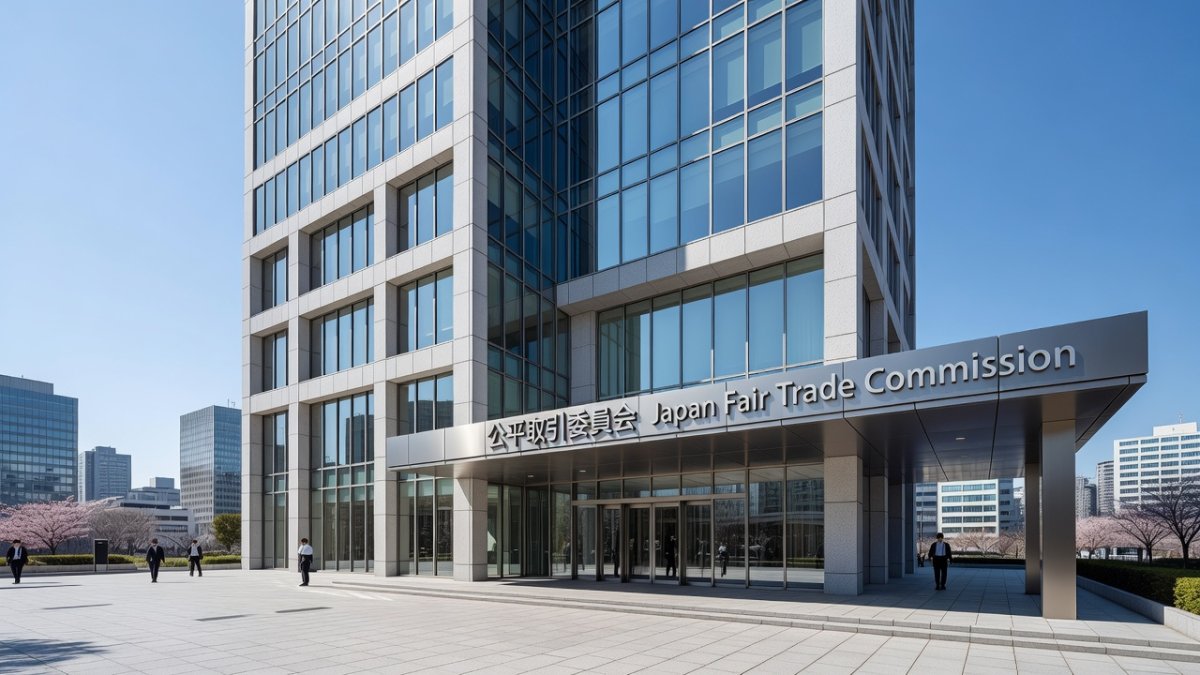
Japan Antitrust Watchdog to Add New Bureau to Tackle Big Tech
Tokyo, Japan — July 23, 2026 — The Japan Fair Trade Commission has indicated plans to establish a new bureau focused on large technology platforms. The move aims to address market dominance by companies such as Google and Apple while promoting fairer conditions for smaller enterprises.
JFTC Signals Structural Expansion
The Japan Fair Trade Commission has outlined intentions to create a specialized unit within its organization. This bureau would concentrate resources on investigations involving major digital platforms. Officials have described the step as necessary to manage complex cases involving pre-installed software and app distribution practices.
Recent Enforcement Record Provides Context
Actions taken by the JFTC in prior months illustrate the scope of current oversight. On April 15, 2025, the commission issued a cease-and-desist order concerning Google’s Android app practices. The order addressed requirements placed on at least six manufacturers since July 2020 that favored Google Search and Chrome. On February 25, 2026, JFTC personnel conducted an on-site inspection at Microsoft Japan’s Tokyo headquarters as part of a separate inquiry. Additional reviews of artificial intelligence companies operating in Japan have also been reported.
The Google cease-and-desist order marked the JFTC's first formal action of this type against any Big Tech firm, targeting revenue-sharing agreements that locked manufacturers into pre-installing Google Search and Chrome while blocking rival engines such as Yahoo! JAPAN or Microsoft Bing. Documents released by the commission showed these contracts, active since 2020, covered devices accounting for over 40 percent of Japan's Android shipments and generated an estimated ¥120 billion in annual search advertising revenue funneled through the agreements. Google responded by stating it would appeal the order and cooperate with revisions, yet it declined to alter global policies immediately, highlighting tensions between Japan's enforcement priorities and Silicon Valley's standardized contracts. This case fits a broader JFTC pattern that includes 2023 warnings to Apple over App Store terms and 2024 market studies on digital advertising, demonstrating the agency's shift from advisory guidance to binding orders.
The February 2026 on-site inspection at Microsoft Japan's Tokyo headquarters examined cloud services and enterprise software licensing practices, focusing on how Azure bundling and volume licensing may disadvantage domestic competitors such as Sakura Internet and IIJ. Investigators reviewed contracts with more than 200 Japanese firms, seeking evidence that restrictive clauses limited multi-cloud deployments. Meanwhile, separate probes into artificial intelligence companies have centered on three foreign operators—OpenAI, Google DeepMind, and Anthropic—examining data collection methods and preferential access to training datasets from Japanese users. The JFTC cited concerns that these practices could entrench market power before local AI startups gain scale, with preliminary findings expected by mid-2026.
Legislative Framework Underpins New Efforts
Japan has already enacted a smartphone app store law modeled on the European Union’s Digital Markets Act. The legislation includes provisions that raise potential fines for violations to 20 percent of relevant sales. These rules operate alongside the existing Act on Prohibition of Private Monopolization and Maintenance of Fair Trade. The proposed bureau would coordinate enforcement under both the new statute and the longstanding antimonopoly framework.
Support for Japanese SMEs Remains Central
Small and medium-sized enterprises constitute 99.7 percent of Japanese companies. Many of these firms operate as app developers, content creators, or providers of digital services that rely on major platforms for distribution. The JFTC has stated that improved oversight could reduce barriers that currently limit access to app stores and search rankings. METI has separately emphasized the importance of competitive digital markets for the growth of these enterprises.
Japanese gaming studios, which exported ¥1.8 trillion in content in 2024 according to the Computer Entertainment Supplier's Association, face direct pressure from the 30 percent Apple App Store fee and Google's 15-30 percent commission tiers. Mid-sized developers such as Game Freak and smaller mobile studios in Osaka report that these charges consume up to 35 percent of net revenue on titles priced under ¥500, limiting reinvestment in new intellectual property. Productivity app makers including JustSystems and e-commerce platforms like BASE have voiced similar complaints, noting that search ranking algorithms favor established foreign services and reduce visibility for domestic alternatives. The Japan App Developers Association, representing over 1,200 member firms, submitted formal comments to the JFTC in 2025 urging adoption of an app store fairness law modeled on South Korea's 2021 statute.
These platform costs intersect with Japan's national startup policy, which aims to double the number of unicorns to 100 by 2027 under the Startup Ecosystem Promotion Program. High commission structures and opaque ranking systems raise entry barriers for new entrants in fintech and health tech, sectors METI has identified as critical for regional revitalization. Industry data from the Information-Technology Promotion Agency show that 68 percent of Japanese app developers rely on a single distribution channel, amplifying the impact of any fee increase or policy change by Apple or Google. Strengthened JFTC oversight could therefore support both SME survival and the broader goal of fostering a more diverse domestic digital economy.
Alignment with International Regulatory Trends
Japan’s approach parallels measures adopted elsewhere. The European Union continues implementation of the Digital Markets Act targeting designated gatekeepers. The United Kingdom has established its Digital Markets Unit. In the United States, the Department of Justice has pursued cases alleging search monopoly. Japanese authorities have referenced these developments while tailoring rules to domestic conditions.
Economic Stakes for Digital Transformation
Japan’s “Digital Garden City Nation” initiative depends on open access to digital infrastructure. Platform fees and ranking algorithms can influence the viability of local services. The JFTC has noted that sustained dominance by a limited number of foreign platforms may slow innovation among domestic developers. A dedicated bureau could provide specialized expertise in data analysis and market definition required for these cases.
Japan continues to lag in global digital competitiveness, ranking 29th in the 2025 IMD World Digital Competitiveness Ranking—behind South Korea at 6th and Singapore at 3rd—largely due to slow adoption of advanced digital services outside major urban centers. An aging population and 92 percent smartphone penetration create unique demands for accessible cashless payment systems and remote health services, yet dominance by foreign platforms can constrain local innovation tailored to these needs. The government's target of 80 percent cashless transaction volume by 2027, for example, risks being shaped by algorithms that prioritize international payment apps over domestic solutions such as PayPay or LINE Pay when search visibility is limited.
South Korea's 2021 app store law, which banned mandatory in-app purchase systems, offers a regional contrast; Japanese officials have cited that precedent in internal METI briefings while developing their own framework. In the Japanese context, digital sovereignty refers not to outright exclusion of foreign firms but to ensuring that data governance, payment flows, and algorithmic transparency remain subject to domestic regulatory review. A specialized JFTC bureau would address these issues by building in-house capacity for economic analysis of multi-sided markets, supporting both the Digital Garden City Nation vision and Japan's long-term goal of raising productivity in an economy facing chronic labor shortages.
Operational and Resource Considerations
Establishment of the new bureau would require allocation of personnel with technical knowledge of algorithms, mobile operating systems, and cloud services. The commission has not released a detailed staffing plan or timeline for the unit’s launch. Discussions with relevant ministries, including METI, are understood to be ongoing. Budget requests for the coming fiscal year may include provisions for expanded investigative capacity.
Outlook for Implementation
Further details on the bureau’s mandate and leadership are expected in the months ahead. The JFTC continues to monitor compliance with the smartphone app store law and the outcomes of current investigations. Any structural changes will be implemented within the existing legal authorities rather than through immediate new legislation. Stakeholders representing both platforms and smaller businesses have been invited to submit views during the planning process.
Tags: JFTC, Big Tech, antitrust, Google, Apple, Japanese SMEs, smartphone app store law, METI, digital transformation
By Kenji Tanaka, Staff Writer
This article was produced with AI-assisted research and editorial support. Reporting is based on sources cited in the article.
What's Your Reaction?
 Like
0
Like
0
 Dislike
0
Dislike
0
 Love
0
Love
0
 Funny
0
Funny
0
 Wow
0
Wow
0
 Sad
0
Sad
0
 Angry
0
Angry
0

Japan Correspondent at Global1.News. Tokyo-based voice covering Japanese politics, technology, economy, and culture. Tracks the intersection of tradition and innovation in one of the world's most dynamic societies.













Comments (0)