
PM Anutin Charnvirakul Answers Critics with ABBA and a Royal Verse
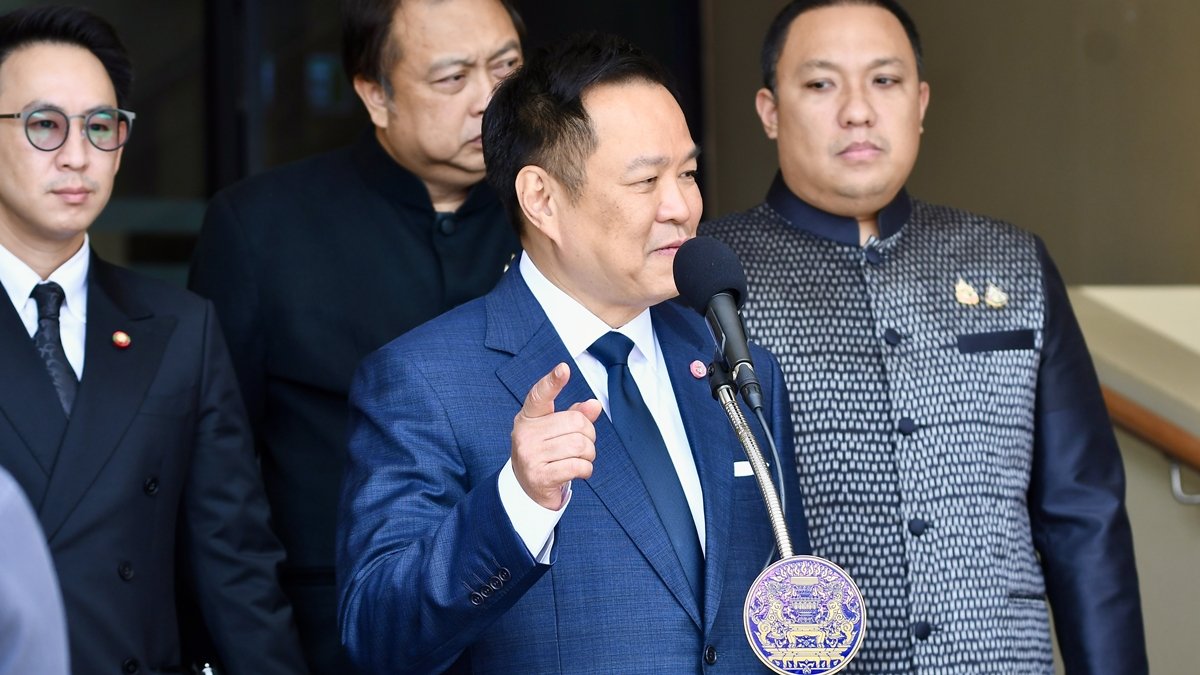
In the heart of Bangkok on Tuesday, July 21, 2026, Prime Minister Anutin Charnvirakul turned online chatter into a gentle melody. Facing questions about his singing during an official trip to China, he posted ABBA’s “Thank You For The Music” on Facebook, pairing it with a beloved line from King Rama VI and a string of cheerful emojis.
PM Anutin Charnvirakul Answers Critics with ABBA and a Royal Verse
In the heart of Bangkok on Tuesday, July 21, 2026, Prime Minister Anutin Charnvirakul turned online chatter into a gentle melody. Facing questions about his singing during an official trip to China, he posted ABBA’s “Thank You For The Music” on Facebook, pairing it with a beloved line from King Rama VI and a string of cheerful emojis. The post spread quickly across living rooms from Chiang Mai to the rice fields of Isaan, reminding Thais that music still sits at the center of daily life.
Anutin rose through the ranks of the Bhumjaithai Party, first as a health minister known for pragmatic rural policies before ascending to the premiership in 2025 after coalition negotiations that surprised many observers. His steady, low-key style has always contrasted with more theatrical politicians, yet it has won quiet loyalty in the northeast heartland where the party draws its strongest support. In recent years Facebook has become the preferred channel for Thai leaders to speak directly to citizens, bypassing traditional press briefings and letting a single post reach millions within minutes, whether from the prime minister’s office or a village headman’s page.
The July 2026 Facebook Post That Carried a Clear Message
Exactly on Tuesday, July 21, 2026, the Prime Minister’s page filled with saxophone, musical-note, and microphone emojis. Beneath them sat the English lyrics of the ABBA classic and the Thai verse: “Those who have no music in their hearts are truly strange and peculiar people.” Within hours the post had traveled from Bangkok timelines to family group chats in every region, showing how one short message can quiet criticism with warmth rather than argument.
Instead of issuing a formal rebuttal, Anutin let the music and the verse stand as his reply to those who questioned his performance in China. In Thai culture, answering criticism through art rather than confrontation carries deep resonance; it signals confidence without aggression and invites the public to share in something beautiful. Thailand’s social-media landscape, where over 50 million users scroll daily, rewards precisely this kind of light, shareable gesture, turning potential controversy into a nationwide sing-along.
After the China Visit, a Song Called “Tian Mi Mi” Drew Comment
During his recent official visit to China, Anutin sang Teresa Teng’s “Tian Mi Mi” (Sweet Honey) at a public event. Clips traveled home fast, and some voices online wondered whether a Thai leader should perform a foreign classic on foreign soil. By mid-July the discussion had grown lively enough that the Prime Minister chose to answer not with a speech, but with another song and an old royal line that every Thai schoolchild recognizes.
The trip itself underscored deepening trade ties, with new agreements on rice exports and high-speed rail links between Bangkok and Kunming. Cultural exchange formed an equally important thread; Thai and Chinese orchestras performed together in Chengdu, and Anutin’s choice of “Tian Mi Mi” echoed decades of affection for Teresa Teng across Southeast Asia. The late Taiwanese singer’s honeyed voice remains a staple at Thai family gatherings and karaoke nights, her songs bridging generations and borders long before the prime minister stepped onto that stage.
King Rama VI’s Verse Still Speaks to Modern Ears
King Rama VI, who reigned from 1910 to 1925, wrote poetry, plays, and essays that celebrated the arts as essential to a good life. The single line Anutin chose remains one of his most quoted, taught in classrooms and recited at family gatherings. Its gentle warning against a music-less heart needs no explanation in Thailand; the words carry the same quiet authority they held a century ago.
Beyond that famous verse, Rama VI’s plays such as “Matthanaphatha” and his essays on Western literature shaped modern Thai theater and encouraged educated citizens to value artistic expression. Today his poetry appears in primary-school textbooks and university literature courses alike, where students memorize lines alongside the national anthem. Teachers often ask pupils to explain how the verse still applies to daily life, ensuring the king’s belief in music’s civilizing power passes intact to each new generation.
Thai Music Traditions Live in Every Province
From the khene pipes of Isaan to the string ensembles of Bangkok temples and the lullabies sung in Chiang Mai courtyards, music has always marked Thai moments of joy and sorrow. These sounds travel easily between village festivals and city stages, linking generations without needing translation. The Prime Minister’s post simply continued that long, easy conversation.
Across the country the piphat ensemble’s bright xylophones and oboes accompany masked dance dramas in central Thailand, while the saw duang’s two-stringed sweetness fills temple courtyards during evening chants. In the northeast the khene’s bamboo reeds underpin mor lam storytelling that can last until dawn. During Songkran, water-splashing songs echo through streets; at Loy Krathong, candlelit boats drift to the strains of “Sao Sieng Thian”; and at temple fairs, local bands blend ancient melodies with modern rhythms so that grandparents and grandchildren sway together under the same string of lights.
Anutin’s Habit of Playing and Singing at Public Events
Long before he became Prime Minister, Anutin often picked up an instrument or led a chorus at official ceremonies and community visits. Supporters in both the capital and the countryside have grown used to seeing him trade policy talk for a quick song. The July 2026 post therefore felt consistent with the man they already knew—one who reaches for melody when words alone feel insufficient.
Thai leaders must balance approachability with the dignity expected of high office, and music offers a graceful middle path. When Anutin joins a village band or sings at a school opening, he steps closer to ordinary citizens without diminishing his role. Thailand’s celebrity-infused political culture amplifies this effect; images of the prime minister with a microphone spread as quickly as those of film stars, turning each performance into a moment of shared national warmth rather than a breach of protocol.
A Simple Reply That Still Resonates Across Thailand
By choosing an ABBA track and a verse every Thai knows, Anutin offered neither defense nor debate. Instead he reminded listeners that a shared love of music can soften sharp online exchanges. Days after the post, families in Bangkok coffee shops and Isaan markets continued to hum both the Swedish pop chorus and the royal line, proving that one light-hearted answer can travel farther than any formal statement.
Reactions varied by region yet remained affectionate. In Chiang Mai, university students posted acoustic covers blending “Thank You For The Music” with northern folk tunes. In Khon Kaen, market vendors sang the Rama VI line between sales of sticky rice. In the deep south, community radio played both melodies back-to-back, inviting callers to request their own favorites. Across these differences, the episode highlighted how joy and lightness function as quiet political tools in Thailand, allowing leaders and citizens alike to meet on common ground that feels more like a living-room sing-along than a battlefield.
By Ann Srisawat, Staff Writer
This article was produced with AI-assisted research and editorial support. Reporting is based on sources cited in the article.
What's Your Reaction?
 Like
0
Like
0
 Dislike
0
Dislike
0
 Love
0
Love
0
 Funny
0
Funny
0
 Wow
0
Wow
0
 Sad
0
Sad
0
 Angry
0
Angry
0

Southeast Asia Correspondent at Global1.News. Based in Bangkok, covering Thai and Southeast Asian politics, economy, technology, and culture. Deep regional perspective on one of the world's most dynamic regions.














Comments (0)