
UN Warns Gaza Safe Zones Shrink Despite Ceasefire
In a Middle East Eye video report, UN rights office spokesman Thameen Al-Kheetan revealed how Israeli forces continue shifting the yellow line westward in Gaza, trapping over two million Palestinians in an ever-shrinking zone with no safe areas left. The footage underscores mounting ceasefire violations that have already claimed more than 1,100 lives since October 2025. This development exposes the gap between the US-brokered agreement and the reality on the ground. UN Warns Gaza Safe Zones S...
In a Middle East Eye video report, UN rights office spokesman Thameen Al-Kheetan revealed how Israeli forces continue shifting the yellow line westward in Gaza, trapping over two million Palestinians in an ever-shrinking zone with no safe areas left. The footage underscores mounting ceasefire violations that have already claimed more than 1,100 lives since October 2025. This development exposes the gap between the US-brokered agreement and the reality on the ground.
UN Warns Gaza Safe Zones Shrink Despite Ceasefire
Gaza, Palestine — July 22, 2026 —
UN Rights Office Details Pattern of Attacks
Thameen Al-Kheetan addressed reporters at a press conference, stating that nowhere is safe for Palestinians in Gaza. The Office of the High Commissioner for Human Rights documented repeated strikes on civilian areas, including residential zones and displacement camps. These incidents occurred after the ceasefire was announced, raising questions about compliance with the 20-point proposal that was intended to bring stability.
OHCHR officials noted that the attacks may constitute war crimes under international law. The office called on third states to take urgent action to ensure ceasefire compliance and to pursue accountability for violations. Figures from the Gaza Government Media Office indicate at least 3,795 ceasefire violations between October 10, 2025, and July 19, 2026.
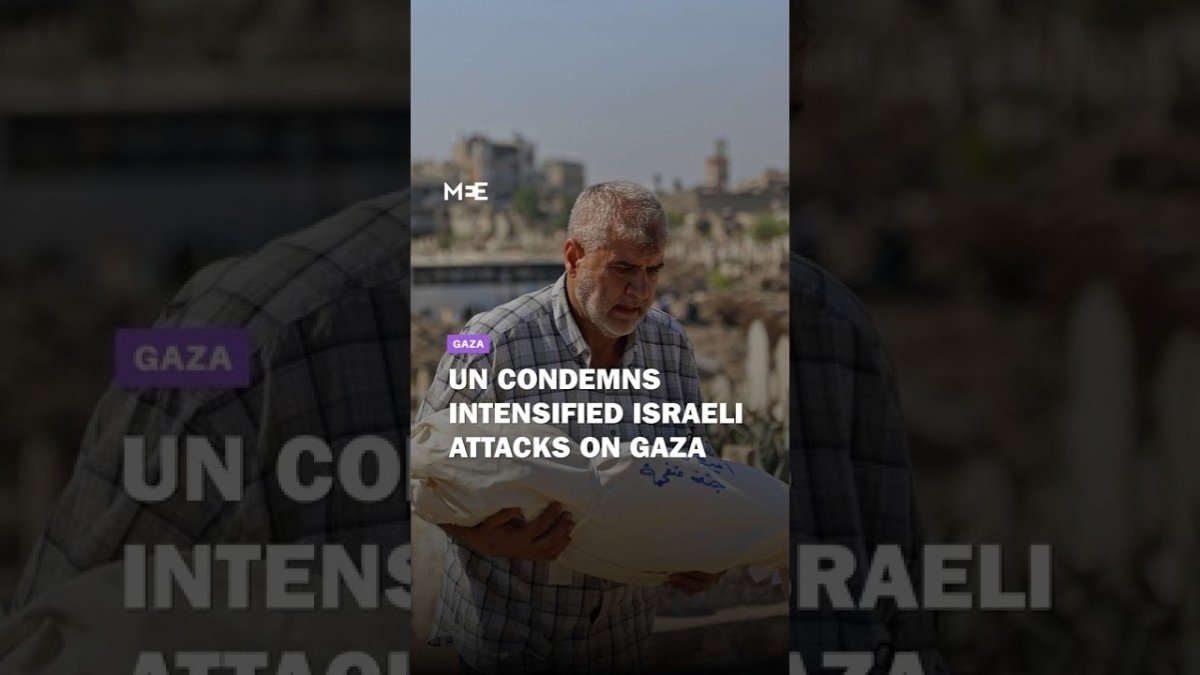 " alt="UN press conference on Gaza">
Buffer Zone Expansion Shrinks Habitable Space
The so-called yellow line, a buffer zone enforced by Israeli forces, has been pushed steadily westward. This movement has reduced the territory available for Palestinian movement and residence. Families previously displaced during earlier phases of the conflict now face further restrictions, with entire neighborhoods falling inside the expanded exclusion area.
Residents describe daily life as increasingly confined. Access to farmland, water sources, and basic services has been cut off in newly designated zones. The Gaza Government Media Office reports that this gradual encroachment continues despite the ceasefire framework that was expected to stabilize territorial lines.
Thameen Al-Kheetan’s remarks build on longstanding UN positions, including repeated resolutions from the General Assembly and Security Council that have addressed the protection of civilians in occupied territories under the Fourth Geneva Convention. The Office of the High Commissioner for Human Rights has previously issued reports detailing patterns of strikes on civilian infrastructure, underscoring that such actions may fall under the jurisdiction of the International Criminal Court when they involve willful targeting of protected persons.
These latest incidents follow a documented sequence of violations tracked by OHCHR since the ceasefire announcement. While specific numerical comparisons to the 2021 and 2014 ceasefires remain unavailable in the current briefing, the office notes that the frequency of post-agreement strikes raises similar accountability questions raised in earlier monitoring cycles. Third states are again urged to move beyond diplomatic statements toward concrete enforcement measures.
Human impact is evident in the accounts of families in displacement camps who describe repeated displacements within shrinking safe zones. Al-Kheetan emphasized that without third-state intervention, the cycle of documented breaches continues to erode any prospect of sustained protection for Gaza’s residents.
Humanitarian Conditions Remain Catastrophic
More than two million people in Gaza continue to face a catastrophic humanitarian situation. Aid convoys required under the ceasefire terms have not entered in sufficient volume. Medical supplies, food, and fuel remain scarce, leaving hospitals and shelters struggling to meet basic needs.
Children and the elderly are particularly affected. Malnutrition rates have risen, and water contamination has led to increased cases of preventable illness. International organizations have warned that without immediate and sustained access, the health crisis will deepen in the coming months.
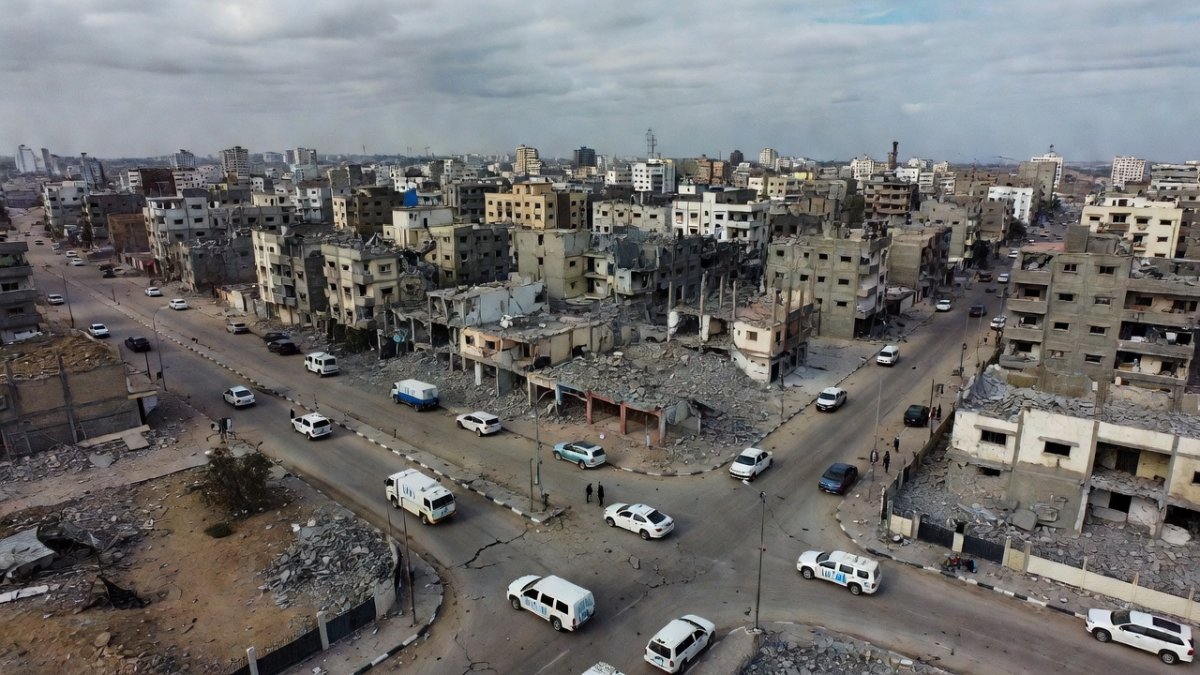 " alt="Gaza residents waiting for aid">
The steady westward shift of the yellow line has compounded restrictions on movement that predate the current ceasefire. Residents who once accessed farmland east of the line now report complete loss of agricultural plots, with water sources similarly placed out of reach. The Gaza Government Media Office has recorded ongoing encroachment that directly affects daily survival needs for families already displaced multiple times.
Impact on Gaza’s agricultural sector is severe, as lost land reduces local food production capacity and further strains an economy already limited by border controls. Pre-war buffer zones were narrower, allowing limited cultivation; the expanded exclusion area has eliminated that margin, leaving many households without means to supplement aid that remains insufficient.
Personal testimonies collected by local organizations describe elderly residents unable to reach traditional water collection points and children barred from open spaces once used for play. These changes translate the abstract territorial line into immediate, daily confinement for thousands of households.
Casualties and Detentions Since October 2025
Since the ceasefire began, 57 Palestinians have been killed in the past week alone, including six children. In total, 3,798 people have been injured during the same period. These figures add to the broader toll that has surpassed 73,000 deaths in Gaza since October 2023.
Israeli forces have also detained 149 Palestinians from Gaza since the ceasefire took hold. Families report limited information about the whereabouts or legal status of those held. Human rights groups continue to document these cases as part of ongoing monitoring efforts.
Malnutrition rates among children have risen sharply, with hospitals reporting increased cases of severe wasting that strain already limited pediatric capacity. Water contamination levels have contributed to outbreaks of preventable diseases, particularly affecting the elderly and infants in overcrowded shelters. UNRWA and partner agencies have warned that current aid inflows fall far short of the volumes required to stabilize these trends.
Winter conditions are expected to intensify pressure on remaining medical facilities, where fuel shortages limit generator operation and essential supplies. Specific quantities of aid pledged under the ceasefire versus actual deliveries show a persistent gap, leaving organizations unable to meet minimum caloric and medical thresholds for the population.
The role of international agencies remains critical yet constrained by access restrictions. Without sustained increases in food, fuel, and medical shipments, health outcomes for the most vulnerable groups will continue to deteriorate in the months ahead.
Calls for Third-State Accountability
The UN has urged third states to enforce the ceasefire provisions and to hold parties responsible for repeated breaches. Thameen Al-Kheetan emphasized that diplomatic statements alone have not produced measurable change on the ground. Concrete measures, including sanctions and legal referrals, were highlighted as necessary steps.
Local civil society organizations in Gaza have echoed these demands. They point to the daily reality of restricted movement and insufficient aid as evidence that the ceasefire has not delivered the protections originally promised in the 20-point proposal.
Among the 57 killed in the past week were six children, alongside reports of injuries to medics and journalists attempting to document conditions. The broader toll of 3,798 injured since the ceasefire includes civilians from multiple age groups, adding to the cumulative figure of more than 73,000 deaths recorded since October 2023. International casualty monitoring groups have noted challenges in independent verification due to access limitations.
Psychological effects on the population are profound, with families describing constant fear from ongoing strikes and uncertainty over detained relatives. The 149 Palestinians held since October 2025 include individuals whose families receive minimal information on location or legal status, prolonging trauma across communities.
Human rights documentation continues to track these cases as part of wider monitoring. The pattern of detentions without transparent process compounds the physical casualties, leaving lasting effects on social cohesion and mental health for survivors.
Analysis and Implications
The pattern of violations documented since October 2025 reveals a ceasefire that exists more in name than in practice. The westward movement of the yellow line directly contradicts the territorial stability envisioned in the agreement. For Palestinian families, each new restriction translates into lost access to homes, livelihoods, and safety.
Continued attacks and detentions undermine any prospect of recovery. The humanitarian blockade, maintained despite explicit ceasefire requirements for full aid entry, compounds physical harm with long-term economic and social damage. Children growing up under these conditions face interrupted education and chronic health risks that will shape future generations.
International calls for accountability remain largely unheeded. Without enforcement mechanisms, the cycle of violations is likely to persist. The situation in Gaza illustrates how fragile ceasefires can become when one party retains effective control over borders, airspace, and movement. Palestinian communities continue to bear the immediate costs while the international community debates next steps.
Local voices stress that sustainable peace requires not only an end to active hostilities but also the reversal of territorial encroachments and the restoration of full humanitarian access. Until these conditions are met, the daily reality for over two million people will remain one of confinement and uncertainty.
Egypt, Qatar, and Türkiye have issued statements supporting enforcement of the ceasefire terms, while the UN Security Council has been urged to consider binding measures. Potential ICC actions include referral of documented incidents for investigation, building on precedents such as South Africa’s ICJ case that addressed obligations under the Genocide Convention.
Concrete measures referenced by Thameen Al-Kheetan include targeted sanctions and suspension of arms transfers that could contribute to violations. Local civil society groups in Gaza stress that diplomatic statements alone have failed to alter daily realities of restricted movement and aid shortfalls.
Comparison to earlier accountability efforts shows limited follow-through when enforcement mechanisms remain absent. Third states face renewed calls to translate verbal support into actions that would compel compliance with the 20-point proposal’s provisions.
The ongoing violations undermine the viability of a two-state solution by entrenching territorial changes that reduce Palestinian contiguity and self-determination prospects. US-brokered ceasefires lose credibility when one party maintains effective control over borders and movement, allowing the agreement to function more as a temporary pause than a durable framework.
Long-term demographic and economic consequences for Gaza include accelerated displacement, loss of productive land, and interrupted generational opportunities in education and health. Over two million residents face compounded effects that will shape population dynamics for decades if territorial and humanitarian access issues remain unaddressed.
Local voices emphasize that sustainable outcomes require reversal of buffer zone expansions alongside full aid restoration. Without these steps, the pattern of confinement and uncertainty will persist, eroding prospects for any negotiated stability.
By Fatima Al-Rashid, Staff WriterThis article was produced with AI-assisted research and editorial support. Reporting is based on sources cited in the article.
What's Your Reaction?
 Like
0
Like
0
 Dislike
0
Dislike
0
 Love
0
Love
0
 Funny
0
Funny
0
 Wow
0
Wow
0
 Sad
0
Sad
0
 Angry
0
Angry
0

Gulf/MENA Correspondent at Global1.News. Based in Doha, covering Gulf politics, energy markets, diplomacy, and development across the Middle East and North Africa. Tracks the economic transformation of the Gulf states.












Comments (0)