
When Even Camels Can't Cope: Africa's Iconic Animals Face Deadly Heat
Across Africa's arid expanses, the camels long known as the ships of the desert are now succumbing to extreme heat in ways that alarm herders and scientists alike. These sturdy animals, vital to nomadic life from the Horn to the Sahel, are showing unprecedented signs of distress as temperatures soar beyond their natural limits. The losses ripple through families who depend on camel milk, transport, and trade for daily survival.
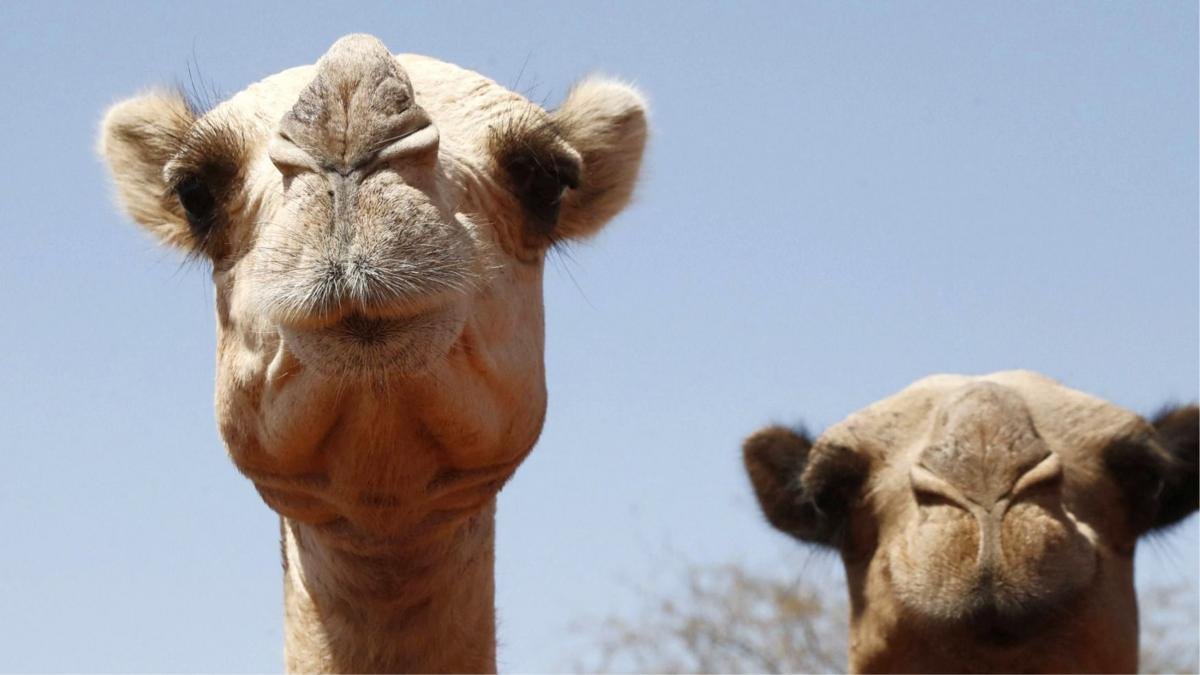
Across Africa's arid expanses, the camels long known as the ships of the desert are now succumbing to extreme heat in ways that alarm herders and scientists alike. These sturdy animals, vital to nomadic life from the Horn to the Sahel, are showing unprecedented signs of distress as temperatures soar beyond their natural limits. The losses ripple through families who depend on camel milk, transport, and trade for daily survival.
When Even Camels Can't Cope: Africa's Iconic Animals Face Deadly Heat
Dakar, Senegal — Amara Diop reports on a crisis quietly unfolding across the continent's driest lands...
Camels Face Rising Heat Across the Continent
In the vast dry lands of Africa, camels have long served as reliable companions for herders who move with the seasons. These animals carry goods, provide milk, and symbolise endurance in places where few other livestock survive. Yet even they now show clear signs of strain as temperatures climb higher each year. From the Horn of Africa to the edges of the Sahara, reports describe camels suffering blisters, dehydration, and sudden deaths that herders had rarely seen before.
Stories from Herders in Ethiopia's Afar Region
Ali Umer, a camel herder from Semera in Ethiopia's Afar region, describes watching his animals suffer under intensifying sun. He owns around 500 camels and has already lost eight calves in the past month alone. The hot sand burns their skin and removes their hair when they rest, while their eyes water and their feet develop painful blisters. Umer notes that even the wind, once a source of relief, now carries only heat. He has observed these changes grow sharper in recent years, forcing him to seek new ways to protect his herd.
Losses Reported Across Somalia and Kenya
In Somalia and Kenya, pastoralist families have long relied on camels for milk that sustains daily nutrition and generates steady income through local markets. When herds suffer heavy losses, households lose not only a source of food but also the trade value that supports school fees and medical costs. Camel ownership also carries social weight in many communities, where larger herds signal stability and standing during gatherings and ceremonies.
The camel milk trade, often called white gold in Kenya, moves through collection points in Isiolo and Garissa before reaching urban centers like Nairobi. Reduced yields from heat-stressed animals cut into this chain, leaving families with fewer options for cash. Some herders respond by selling younger camels earlier than planned, shifting herds toward higher ground, or trying small plots of sorghum and vegetables to spread risk.
These adjustments show how tightly camel health ties into everyday decisions across the Horn of Africa. When animals weaken, the ripple reaches children’s meals and women’s market stalls alike, forcing communities to weigh short-term survival against longer-term herd recovery.
Scientific Views on Health and Reproduction
Dr. Bengoumi of the FAO has pointed to practical steps such as improved shade structures, regular water access, and basic veterinary checks that can ease heat load on camels. These measures help maintain body condition and support breeding cycles that otherwise slow under prolonged stress. Without them, reproduction rates drop and recovery of herds takes years.
Professor Chehma has warned that camels, once seen as resilient, are becoming climate victims as temperatures push beyond their tolerance. Heat stress weakens immune responses, opening the way for infections that spread quickly through weakened animals and lead to higher death rates. The chain from rising heat to illness to loss now appears more direct than earlier studies suggested.
Lower milk output also touches family nutrition and earnings in direct ways. When yields fall, children receive less protein-rich milk, and women who sell surplus at markets bring home smaller amounts. This economic pressure adds to the daily strain already felt by pastoralist households across the region. Beyond immediate survival, the decline threatens the generational knowledge passed down through herding families, where children learn to read animal health from subtle signs that heat stress now obscures.
How Camels Normally Handle High Temperatures
Camels manage heat up to around 40C by allowing their body temperature to rise and fall several degrees during the day. This natural adjustment reduces sweating and, together with concentrated urine and dry faeces, helps them conserve water. Their thick skin also shields them from direct solar radiation. When temperatures climb beyond this range, however, their metabolism slows, food intake drops sharply, and fatigue sets in quickly. The result is lower milk production and greater vulnerability to disease.
North Africa's Fastest Warming Trend
The WMO State of the Climate in Africa 2025 report highlights how North Africa has warmed at 0.43 degrees Celsius per decade, a pace well above the global average. This faster rise intensifies pressure on rangelands and water sources that herders have used for generations. Countries such as Algeria, Tunisia, and Libya have recorded temperatures above 50 degrees Celsius in recent seasons, pushing both people and livestock to their limits.
These changes connect to broader Sahelian patterns that stretch southward into Senegal. Shifts in rainfall timing and stronger heat waves alter the same grazing routes that link North African and West African pastoral systems. Families notice shorter rainy periods and hotter dry seasons that dry up traditional water points earlier each year.
The trend leaves less room for the natural recovery that once followed difficult seasons. Herders across the Sahel now track these changes closely, adjusting movement and herd size in response to forecasts that grow more urgent with each report.
Similar Pressures Reach Senegal's Ferlo and River Valley
In Senegal’s Ferlo region, camel herding forms part of the wider Sahelian pastoral tradition practiced by Peulh and Fulani communities. These families move with the seasons between the Ferlo grasslands and the Senegal River Valley, relying on camels for milk, transport, and occasional trade. Rising heat now shortens the time animals can graze comfortably before seeking shade or water.
Temperature records for Senegal show steady increases alongside more variable rainfall, with dry spells arriving earlier and lasting longer. This pattern affects both the quality of pasture and the reliability of seasonal wells that herders have counted on for decades. The result is greater distance between viable grazing areas and increased fatigue for both people and animals.
Senegalese herders say they need better veterinary access along migration routes, additional water points that hold through the dry season, and early warning systems that reach remote camps in time to act. These supports would help families protect their herds while keeping the cultural practices of mobility and shared grazing alive in a changing climate. In the Ferlo, where community decisions often rest on collective wisdom about the land, such tools could preserve the dignity of a life built on movement and mutual care rather than forcing abrupt settlement.
Protecting a Way of Life That Sustains Many
The Horn of Africa is recovering from its longest recorded drought between 2020 and 2023, yet another harsh period has already begun, according to Oxfam. Water prices in parts of Somalia have risen more than 2,000 percent. Across the Sahel, including Senegal, the loss of camels would remove a vital safety net for thousands of families. Professor Chehma warns that the current intensity of heatwaves directly threatens the vital functions of an animal long viewed as the last defence against the desert. Communities across West and East Africa now seek practical support, from improved veterinary care to better water access, so that camels and the people who depend on them can continue to endure together.
By Amara Diop, Staff Writer
This article was produced with AI-assisted research and editorial support. Reporting is based on sources cited in the article.
What's Your Reaction?
 Like
0
Like
0
 Dislike
0
Dislike
0
 Love
0
Love
0
 Funny
0
Funny
0
 Wow
0
Wow
0
 Sad
0
Sad
0
 Angry
0
Angry
0

West Africa/Sahel Correspondent at Global1.News. Dakar-based journalist covering politics, security, climate, and development across Francophone and Anglophone West Africa. Tells the stories of a region undergoing profound transformation.













Comments (0)