
Kapunan to Senator-Judges: The Public Is Watching in Duterte Impeachment Trial
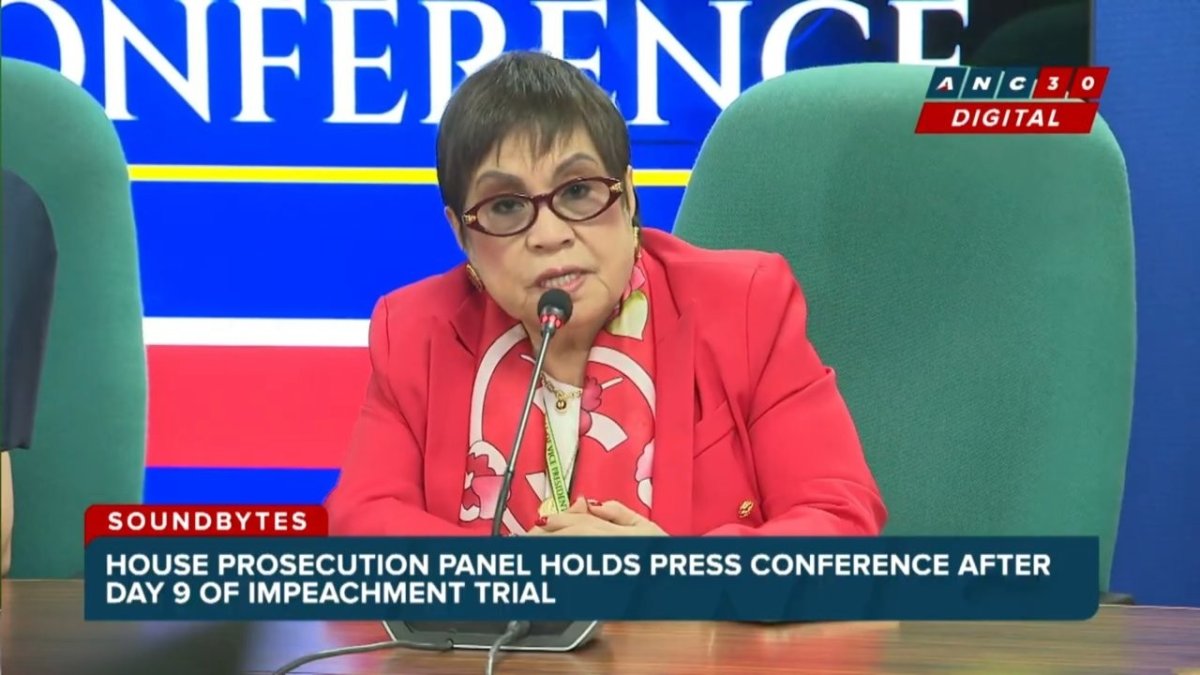
As the impeachment trial of Vice President Sara Duterte enters a critical phase, prosecutors have wrapped up their case on the grave threats article while reminding senator-judges that the Filipino public is watching every move. Private prosecutor Atty.
As the impeachment trial of Vice President Sara Duterte enters a critical phase, prosecutors have wrapped up their case on the grave threats article while reminding senator-judges that the Filipino public is watching every move. Private prosecutor Atty. Lorna Kapunan's statement — that senator-judges are also being judged — resonates from the Senate halls in Manila to barangay halls across the archipelago, where ordinary Filipinos follow the proceedings with deep interest in accountability and justice.
Kapunan to Senator-Judges: The Public Is Watching in Duterte Impeachment Trial
Manila, Philippines — The House prosecution panel has marked a significant milestone in the impeachment trial of Vice President Sara Duterte, completing its presentation of evidence for Article IV, which alleges grave threats and an assassination plot against top Philippine officials. As the trial prepares to move to the confidential funds article on July 29, the atmosphere in the Senate chamber has been charged with political tension and public scrutiny.
The Prosecution Completes Article IV on Grave Threats
The House prosecution panel finished presenting evidence for Article IV, which centers on alleged threats made by Vice President Duterte against President Ferdinand Marcos Jr., First Lady Liza Araneta-Marcos, and former House Speaker Martin Romualdez. NBI Director Melvin Matibag served as the final witness for this article, providing testimony that the prosecution described as powerful. The panel presented three NBI officials in total during this phase, and lead prosecutor Gerville Luistro stated the team felt satisfied with how the witnesses performed under questioning.
Matibag's appearance marked the end of the prosecution's case on the grave threats article. The allegations involve statements that prosecutors say amounted to serious intimidation against top government officials. This portion of the trial unfolded inside the Senate building in Manila, where the 24 senator-judges sit as the impeachment court. The proceedings have drawn attention from communities across the country, including barangays in Quezon City and Cebu, where residents discuss the case during evening gatherings at sari-sari stores.
The three NBI witnesses built a layered account that prosecutors say left little room for doubt. The first official outlined how the bureau collected digital records of the vice president's remarks, while the second walked through forensic checks that confirmed the statements were unaltered. Director Matibag closed the presentation by connecting these pieces to the legal definition of grave threats, stressing that the evidence showed clear intent and potential for harm. Together, their testimonies painted a picture of methodical preparation by the House panel.
Prosecutors pointed to supporting documents such as transcripts, timestamps, and internal NBI reports as key proof that the threats were not isolated outbursts. They argued these materials demonstrated a pattern of intimidation aimed at shielding the vice president's office from scrutiny. Lead prosecutor Luistro noted that the witnesses remained consistent even when defense lawyers pressed on minor details, which strengthened the panel's belief that the case for Article IV now stands on firm ground.
The team expressed confidence that this foundation will carry into later articles. By showing how the threats affected not only the targeted officials but also public confidence in institutions, the prosecutors believe they have met the threshold for impeachment on this count.
The next phase on Article V will examine how confidential funds allocated to the Office of the Vice President were used and whether proper accounting rules were followed. Prosecutors plan to introduce financial records and witness accounts that allegedly show funds were diverted without required oversight from Congress. This shift raises the stakes because it moves from verbal threats to questions about the handling of public money that communities across the country rely on for essential services.
Both sides recognize that this portion could sway undecided senator-judges. The prosecution aims to prove misuse that harmed government transparency, while the defense will likely argue that the funds supported legitimate security needs in volatile regions. Analysts note that any findings here may influence future budgets for local projects in places like Cebu and Mindanao, where residents already feel the pinch of delayed infrastructure.
The resumption on July 29 will test how well the prosecution can link these financial allegations to the earlier articles. Success could solidify public support for accountability, but missteps might allow the defense to portray the entire case as politically motivated.
Kapunan's Direct Message to the Senator-Judges
Atty. Lorna Kapunan told the senator-judges that the public is watching their conduct throughout the trial. Her statement came after several days of questioning that some observers viewed as leaning toward one side. Kapunan emphasized that the Filipino people expect fairness from those entrusted with deciding the fate of a sitting vice president. She spoke in clear terms, noting that every objection, ruling, and exchange is being judged by citizens who follow the case on television and online platforms.
This reminder landed during a session that included cross-examination of Director Matibag by the defense. Kapunan later apologized to Senator Robin Padilla after audience reactions interrupted the flow of questions. Padilla had directed the sergeant-at-arms to restore order in the chamber. The exchange highlighted the pressure inside the room and the awareness that ordinary Filipinos in places like Davao and Baguio are paying close attention to how the senator-judges maintain control and impartiality.
Cross-Examination and Calls for Order on Day 8
Defense lawyers questioned NBI Director Matibag at length on Day 8. The session focused on details of the alleged threats and the evidence gathered by the bureau. Senator Padilla stepped in when reactions from the prosecution side caused disruptions, underscoring the need for decorum in the Senate hall. Kapunan offered an apology on behalf of the panel, showing an effort to keep the proceedings respectful despite the high stakes.
The prosecution had earlier considered calling Vice President Duterte as a hostile witness, but that plan did not move forward during this phase. The four articles of impeachment include betrayal of public trust, culpable violation of the Constitution, bribery, and the grave threats covered in Article IV. Each article touches on actions that prosecutors argue harmed public trust in government institutions based in Manila.
Prosecutors Address Perceived Bias Among Senator-Judges
House lead prosecutor Gerville Luistro expressed hope that any appearance of bias among the senator-judges simply reflects their desire to ask thorough questions. She stated that the panel expects the judges to uphold neutrality as the trial continues. Rep. Garin added that the overall case remains solid even when some senator-judges appear more inquisitive than others during witness testimony.
The prosecution team reported feeling positive about the proceedings so far. They noted that the NBI witnesses delivered clear and strong accounts that supported the articles presented. This optimism comes as the panel prepares for the next phase, which will examine Article V on the use of confidential funds. The trial is scheduled to resume on July 29 with this new article.
Impact on Families and Communities Across the Philippines
The impeachment trial reaches beyond the Senate chamber and touches the daily lives of Filipino families. In barangays from Quezon City to rural areas in Mindanao, parents discuss how threats against national leaders affect the safety of their children and the stability of their communities. OFWs in the Middle East and Europe follow updates online, concerned that political instability could influence remittances that support households back home.
Jeepney drivers in Manila and students in Baguio universities talk about the need for accountability from elected officials. They see the trial as a test of whether institutions like the Senate and the Supreme Court can deliver justice without favoritism. The public scrutiny mentioned by Kapunan resonates with these groups, who view the senator-judges as representatives of the people's will rather than isolated figures in Manila.
Ordinary Filipinos from jeepney terminals in Manila to rice fields in Nueva Ecija follow each session with quiet concern, seeing the trial as a mirror of how leaders treat power. Many parents worry that unchecked threats at the top could trickle down and affect the safety of their children in schools and markets. The steady gaze of the public, as Kapunan reminded the chamber, reflects a deep desire for leaders who prioritize community well-being over personal rivalries.
The proceedings also touch on trust in institutions that everyday citizens depend on for fair governance. When senator-judges ask pointed questions or maintain order, viewers in Baguio cafes and Davao sari-sari stores interpret these moments as signs of whether the Senate can rise above partisan lines. This shared watching strengthens the sense that democracy works best when people remain engaged rather than detached.
Ultimately, the outcome will shape how future administrations handle public resources and political disagreements. Families hope the process restores faith that justice reaches every barangay, not just the halls of power in Manila.

Preparations for the Confidential Funds Article
The prosecution will shift focus to Article V on confidential funds when the trial resumes on July 29. This article examines how public money was spent and whether proper oversight was followed. Prosecutors plan to present additional evidence that they believe will strengthen the overall case against Vice President Duterte.
Communities in Cebu and Davao are already preparing for the next round of testimony. Local organizations plan to hold discussions after each session to explain the developments to residents who cannot watch the full proceedings. These gatherings reflect the bayanihan spirit that many Filipinos rely on when national events feel distant yet directly affect their livelihoods and sense of security.
The Ongoing Demand for Accountability and Justice
The impeachment trial continues to test the strength of Philippine democratic institutions. Senator-judges face pressure to demonstrate that they can separate personal or political ties from their duty to weigh evidence fairly. Kapunan's statement that the public is watching serves as a reminder that citizens expect decisions based on facts rather than influence from any political camp.
For workers, farmers, and small business owners across the country, the outcome matters because it shapes how future leaders handle power and public resources. The trial's progress on Article IV and the upcoming hearing on confidential funds show that the process moves forward despite tensions inside the chamber. Filipinos remain engaged because they understand that justice in Manila affects the peace and fairness they seek in their own barangays and homes.
By Bella Reyes, Staff WriterThis article was produced with AI-assisted research and editorial support. Reporting is based on sources cited in the article.
What's Your Reaction?
 Like
0
Like
0
 Dislike
0
Dislike
0
 Love
0
Love
0
 Funny
0
Funny
0
 Wow
0
Wow
0
 Sad
0
Sad
0
 Angry
0
Angry
0

Philippines/Southeast Asia Correspondent at Global1.News. Manila-based journalist covering Philippine politics, environment, maritime security, and social issues. Passionate about marine conservation and the communities protecting the Philippines' natural heritage.














Comments (0)