
Rajasthan Maternal Death Crisis: Screening After 18 Deaths
Rajasthan has recorded a sharp and alarming spike in maternal deaths, with 18 fatalities in government hospitals across five districts since May 2026, including nine deaths in just six days. The cluster far exceeds the state's normal monsoon-period average and has prompted urgent state-level intervention, including the death of a 17-year-old girl in Banswara. Health authorities are now racing to close critical gaps in anaemia management, emergency obstetric care and antenatal tracking.
Rajasthan has recorded a sharp and alarming spike in maternal deaths, with 18 fatalities in government hospitals across five districts since May 2026, including nine deaths in just six days. The cluster far exceeds the state's normal monsoon-period average and has prompted urgent state-level intervention, including the death of a 17-year-old girl in Banswara. Health authorities are now racing to close critical gaps in anaemia management, emergency obstetric care and antenatal tracking.
Rajasthan Maternal Deaths: 18 Fatalities Force Emergency Screening
Jaipur, Rajasthan – July 15, 2026 — Nine maternal deaths in six days across Bhilwara and Banswara have prompted the Rajasthan government to launch a five-day statewide screening campaign for all pregnant women from July 15. The cluster represents a sharp deviation from Rajasthan's baseline MMR of 141 per 100,000 live births recorded in 2018, with state health data showing the recent spike exceeding the expected daily toll by more than fourfold.
The Scale of Maternal Deaths Across Five Districts
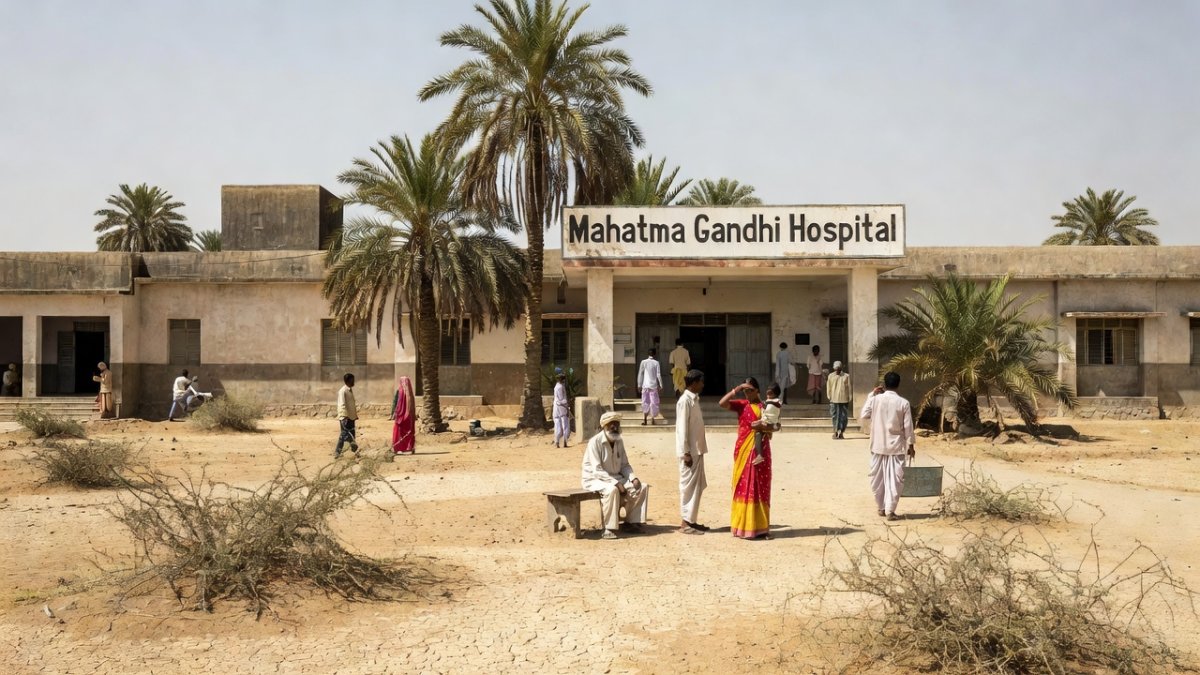
Rajasthan recorded 18 maternal deaths in government hospitals across five districts since May 2026. Nine of these occurred between July 5 and July 10 alone. Five deaths took place at Mahatma Gandhi Hospital in Bhilwara and four at Mahatma Gandhi Hospital in Banswara, including one minor girl. Additional fatalities were reported from Kota, Bikaner, and Jodhpur. Health Secretary Vaibhav Galriya has ordered an immediate line-listing of all deaths reported through the Pregnancy, Child Tracking and Health Services portal, noting that the geographic spread across five districts points to systemic rather than isolated failures in referral and blood-bank linkages.
Particularly alarming is the death of a 17-year-old girl in Banswara district, underscoring how early marriage and adolescent anaemia continue to intersect with weak antenatal surveillance. Officials from the Rajasthan State Health Society acknowledge that such incidents reflect cumulative gaps in first-referral units that serve tribal blocks in Banswara and the industrial zones of Bhilwara.
Clinical Factors: Anaemia, C-Sections and District Hospital Gaps
Severe anaemia, prevalent in approximately 52 percent of pregnant women according to NFHS-5, emerged as the dominant clinical factor in both Bhilwara and Banswara fatalities. Three women underwent C-sections, one was pregnant, and one had gynaecological surgery. Bhilwara CMHO Arun Gaud confirmed multiple medical factors in each case. District hospital records indicate haemoglobin levels below 7 g/dL at admission, yet none had received the full course of parenteral iron mandated under Anaemia Mukt Bharat. Director of Public Health Dr. Ravi Sharma confirmed that stock-outs of iron sucrose injections lasted 11 days in Banswara's community health centres during June.
Two deaths followed emergency C-sections at Bhilwara district hospital, where post-operative monitoring was compromised by the absence of a dedicated high-dependency unit and delayed blood transfusion. A six-member expert committee headed by Principal Medical Officer Dr. Suman Meena will audit operative notes, anaesthetic charts and post-operative vital-sign data. Only 41 percent of Rajasthan's 33 district hospitals currently meet the Indian Public Health Standards for emergency obstetric care.
Government Response: Expert Teams and Screening Drive
Health Minister Gajendra Singh Khimsar met experts on Monday and visited hospitals in Bhilwara and Banswara to ascertain the cause of these deaths. Principal Secretary (Medical and Health) Gayatri Rathore announced the five-day statewide screening campaign from July 15. Specialist teams from Jaipur were deployed immediately, and a six-member committee of senior doctors was formed to review every case.
Rathore directed that accountability would be fixed for ASHA workers, ANMs, CHOs and other officials if any negligence was found in the screening and monitoring of pregnant women. She specifically instructed hospitals to ensure that no pregnant woman is deprived of antenatal check-ups, haemoglobin tests, vaccination or institutional delivery services.
Five-Day Screening Campaign: PCTS Portal and High-Risk Tracking
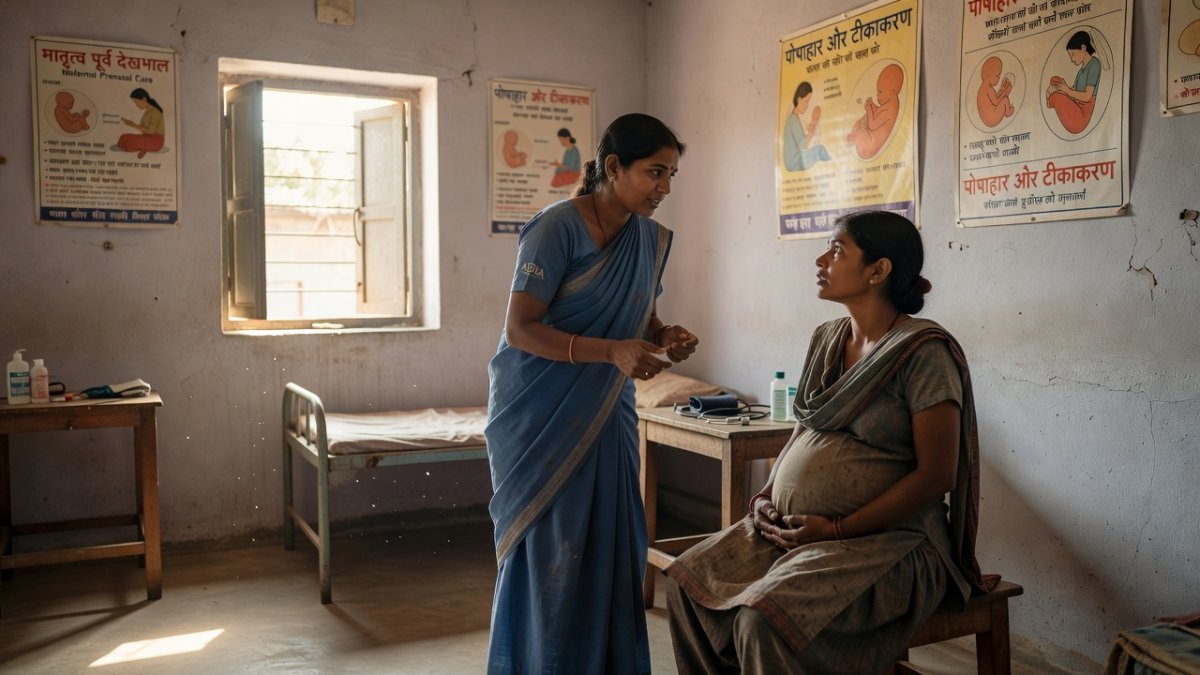
The campaign requires registration of every pregnant woman within the first 12 weeks of pregnancy. The Pregnancy and Child Tracking System (PCTS) portal, operational since 2012, registers every woman at the sub-centre level and generates automated alerts for missed antenatal visits. For an estimated 1.2 million annual pregnancies in Rajasthan, auxiliary nurse midwives have been instructed to update real-time data on the portal during the five-day campaign.
Minimum four antenatal care check-ups covering blood pressure, haemoglobin levels, weight, urine, and blood sugar are mandated. The portal flags women who have not completed four check-ups by 28 weeks; compliance audits in 2023 revealed that 34 percent of high-risk cases still lacked a single recorded blood-pressure or haemoglobin reading after registration. High-risk classification includes haemoglobin below 9 g/dL, previous caesarean section, age under 19 or over 35, and twin gestation. Once flagged, referral to comprehensive emergency obstetric care centres is required within 24 hours, but 108 ambulance service data shows an average response time of 47 minutes in tribal blocks, often exceeding the critical intervention window.
Accountability Framework for Health Workers
ASHA workers, ANMs and CHOs face direct accountability for negligence. Hospitals must maintain adequate stocks of essential medicines, ensure availability of blood, and keep labour rooms, operation theatres and newborn resuscitation equipment fully functional. Weekly reviews of high-risk pregnancies and maternal deaths will take place alongside initial reviews within 24 hours of any death. Districts have been instructed to develop separate tracking systems for high-risk pregnancies and maintain name-wise lists from the sub-health centre level to the district level, ensuring periodic review by specialist doctors.
India's MMR Progress and the Rajasthan Gap
India's maternal mortality ratio has declined from 130 per 100,000 live births in 2014–16 to 88 in 2022–24, reflecting expanded Janani Suraksha Yojana coverage and improved institutional delivery rates. Rajasthan, however, remains at 141, placing it among the eight high-focus states that continue to lag behind the national average. To meet the Sustainable Development Goal target of fewer than 70 deaths per 100,000 live births by 2030, the state must achieve an annual reduction of at least 8 percent — more than double its current pace.
Comparative figures illustrate the disparity: Kerala reports an MMR of 19 and Tamil Nadu 29, both sustained through near-universal antenatal coverage and functional blood banks at every delivery point. The persistent gap between high-focus northern states and southern performers constitutes India's central maternal-health challenge, requiring not only increased budgetary allocation but also governance reforms ensuring uninterrupted availability of essential commodities and specialist cadres in district hospitals.
The Bottom Line
Families in affected Rajasthan districts are demanding systemic reforms. Strengthened antenatal tracking and rapid review mechanisms can reduce preventable deaths if implemented consistently — but the stock-outs of iron sucrose, gaps in post-operative monitoring, and ambulance delays documented in this crisis reveal how far the system still has to go. This connects directly to Ayushman Bharat's goals of quality care at district hospitals and supports broader efforts to meet India's national MMR targets by 2030. The question is whether the political will and accountability structures now being put in place will sustain beyond this immediate crisis.
— By Dr. Raj Patel, Staff Writer
This article was produced with AI-assisted research and editorial support. Reporting is based on sources cited in the article.
What's Your Reaction?
 Like
0
Like
0
 Dislike
0
Dislike
0
 Love
0
Love
0
 Funny
0
Funny
0
 Wow
0
Wow
0
 Sad
0
Sad
0
 Angry
0
Angry
0

India/South Asia Correspondent at Global1.News. Analytical voice with a background in science and health journalism. Based in New Delhi, covering Indian politics, education, healthcare, technology, and policy. Breaks down complex data into clear, actionable reporting.














Comments (0)