
US Strikes Iran Over Hormuz Attack: Ceasefire Tested
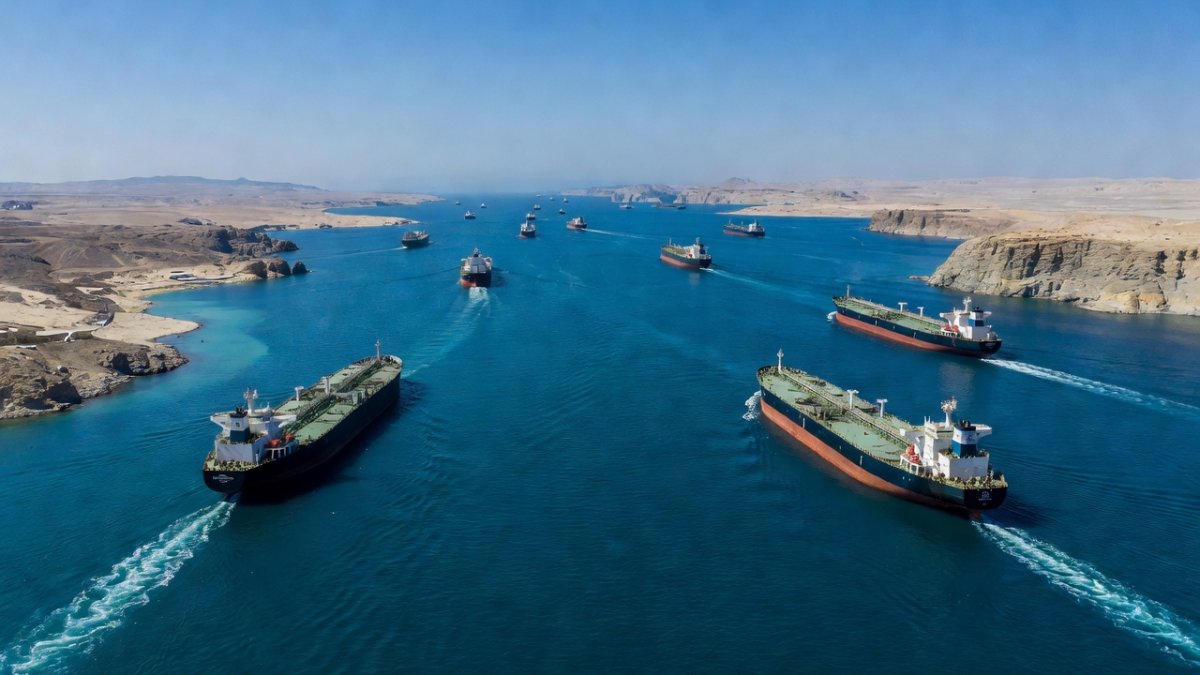
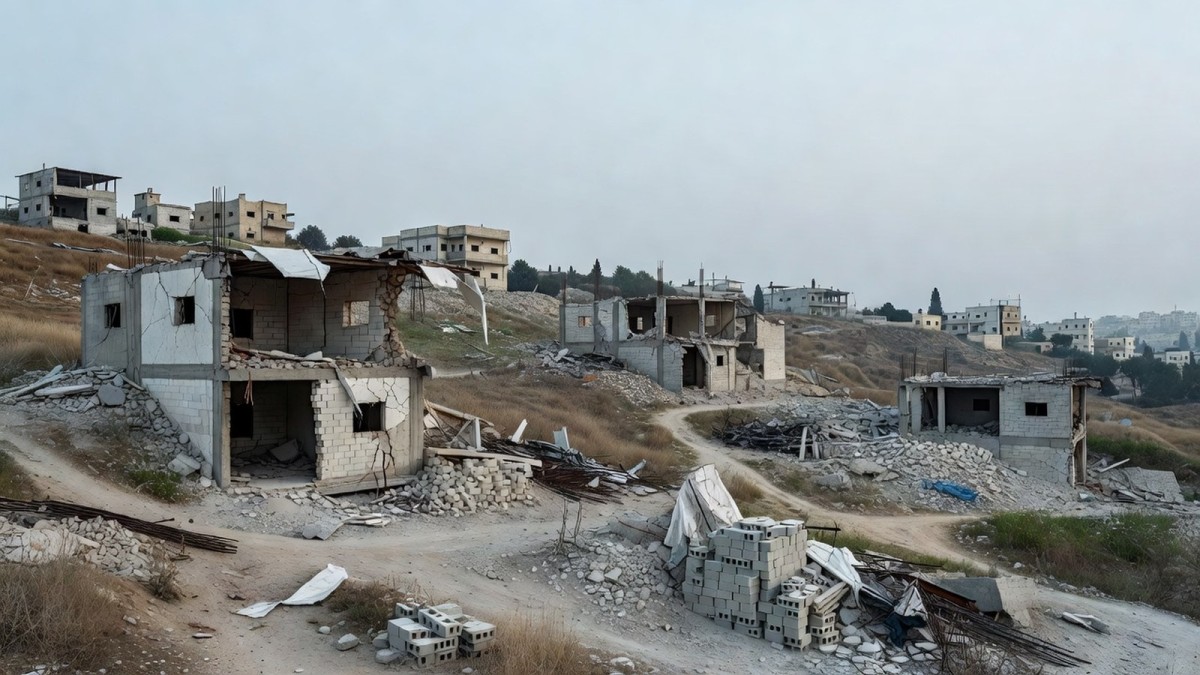
The United States has launched military strikes inside Iran for the first time since the signing of a bilateral memorandum of understanding, retaliating against Tehran for a drone attack on a commercial vessel in the strategic Strait of Hormuz. The operation, confirmed by US Central Command and documented in released footage, targeted Iranian missile and drone storage facilitie
The United States has launched military strikes inside Iran for the first time since the signing of a bilateral memorandum of understanding, retaliating against Tehran for a drone attack on a commercial vessel in the strategic Strait of Hormuz. The operation, confirmed by US Central Command and documented in released footage, targeted Iranian missile and drone storage facilities along with coastal radar installations. President Donald Trump described the Iranian drone assault as a "foolish violation" of the fragile ceasefire, raising urgent questions about the durability of US-Iran detente and the security of global energy chokepoints.
US Strikes Iran After Hormuz Drone Attack Tests Fragile Ceasefire
Beirut, Lebanon – June 27, 2026 —
Details of the Iranian Drone Operation
CENTCOM described the Iranian drone launches as “dangerous behavior” and “unwarranted aggression” that clearly breached the ceasefire terms. Iranian state television reported an explosion in the city of Sirik in Hormozgan Province, which directly overlooks the Strait of Hormuz, but provided no official explanation for the blast. The limited disclosure from Tehran reflects the regime’s cautious approach to acknowledging any damage inflicted by US forces.
Strategic Calculus Behind Washington’s Decision
The US response was calibrated to restore deterrence without triggering a wider conflict. By striking storage and radar sites rather than nuclear or leadership targets, Washington signaled that it would enforce the ceasefire’s red lines while leaving room for de-escalation. The choice of targets also aimed to degrade Iran’s ability to repeat low-cost drone harassment against commercial shipping.
Analysts note that the Strait of Hormuz remains the critical chokepoint through which 20–25 percent of global oil supply transits daily. Any sustained disruption would immediately affect energy prices and the diversification timelines of Gulf economies in Saudi Arabia, the UAE, and Qatar.
Gulf Arab Reactions and Energy Market Concerns
Saudi Arabia, the UAE, and Qatar have monitored the renewed US-Iran friction with visible concern. Riyadh and Abu Dhabi have invested heavily in economic diversification away from oil dependence; renewed Hormuz tensions threaten both export revenues and investor confidence. Doha, which maintains its own channels to Tehran, faces the additional challenge of balancing LNG export security with its regional diplomacy.
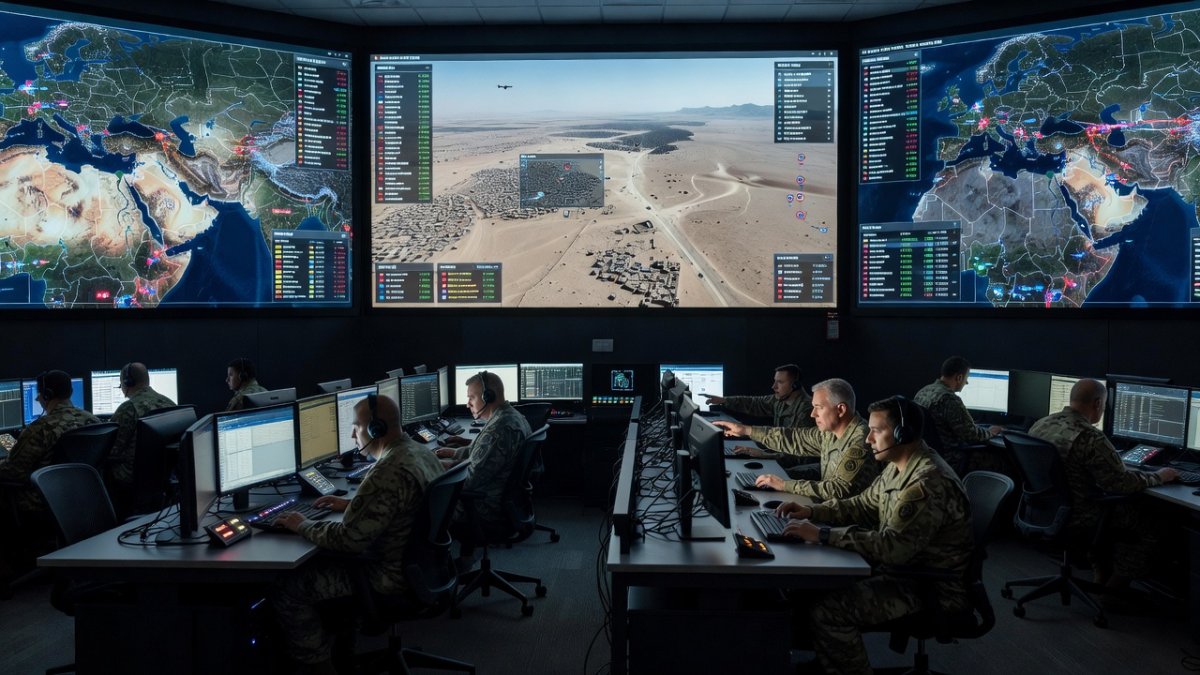
Erol Morkoç of Republican Overseas stated that “the US completed its military objectives” and has shifted focus to economic goals. He added that “Iran charging tolls is NOT GOING TO HAPPEN” and that “the world would reject Iranian tolls in Hormuz,” underscoring the international consensus against any Iranian attempt to monetize passage through the strait.
Impact on Trump’s Credibility and Ceasefire Viability
Al Arabiya English reporting highlighted that renewed tensions could test President Trump’s credibility. The MOU was presented as a pragmatic pause in hostilities; its rapid violation by Iran raises questions about whether either side views the arrangement as durable. Experts interviewed by the network warned that further incidents could erode the diplomatic space Trump has sought to maintain ahead of broader regional negotiations.
Regional Dynamics: Sunni-Shia Competition and Great-Power Interests
The episode occurs against the backdrop of longstanding Sunni-Shia competition and Iran’s nuclear file. Gulf Arab states have watched Tehran’s missile and drone capabilities expand even as nuclear talks remain stalled. The US strikes reinforce Washington’s commitment to freedom of navigation, yet they also illustrate the limits of the current MOU in constraining Iranian asymmetric tactics.
Turkey’s foreign policy and the trajectory of Arab-Israeli normalization add further layers. Ankara has sought to position itself as a mediator while expanding its own regional influence. Meanwhile, the Abraham Accords framework remains vulnerable to any escalation that draws Israel into direct confrontation with Iran-backed proxies.

Outlook for De-escalation and Energy Stability
If both sides exercise restraint in the coming days, the incident may remain a limited exchange that tests rather than collapses the ceasefire. However, the structural incentives for Iran to probe US resolve remain intact, as do Washington’s commitments to Gulf partners and global energy markets. The episode underscores how quickly localized maritime incidents in the Strait of Hormuz can reverberate across the wider Middle East strategic landscape.
By Malik Hassan, Staff WriterThis article was produced with AI-assisted research and editorial support. Reporting is based on sources cited in the article.
What's Your Reaction?
 Like
0
Like
0
 Dislike
0
Dislike
0
 Love
0
Love
0
 Funny
0
Funny
0
 Wow
0
Wow
0
 Sad
0
Sad
0
 Angry
0
Angry
0

Middle East Correspondent at Global1.News. Based in Beirut, covering politics, conflict, energy, and society across the Middle East. Brings context and depth to a region often reduced to headlines.














Comments (0)