
The Fragile Peace: US-Iran Deal Hangs in the Balance as Israel-Iran Strikes Resume
The Middle East Geopolitical Chessboard The renewed exchanges between Israel and Iran in June 2026 unfold against a backdrop of entrenched Sunni-Shia competition that shapes alliances across the Gulf and Levant. Saudi Arabia and the United Arab Emirates have pursued economic diversification under Vision 2030 frameworks while maintaining cautious distance from direct confrontati
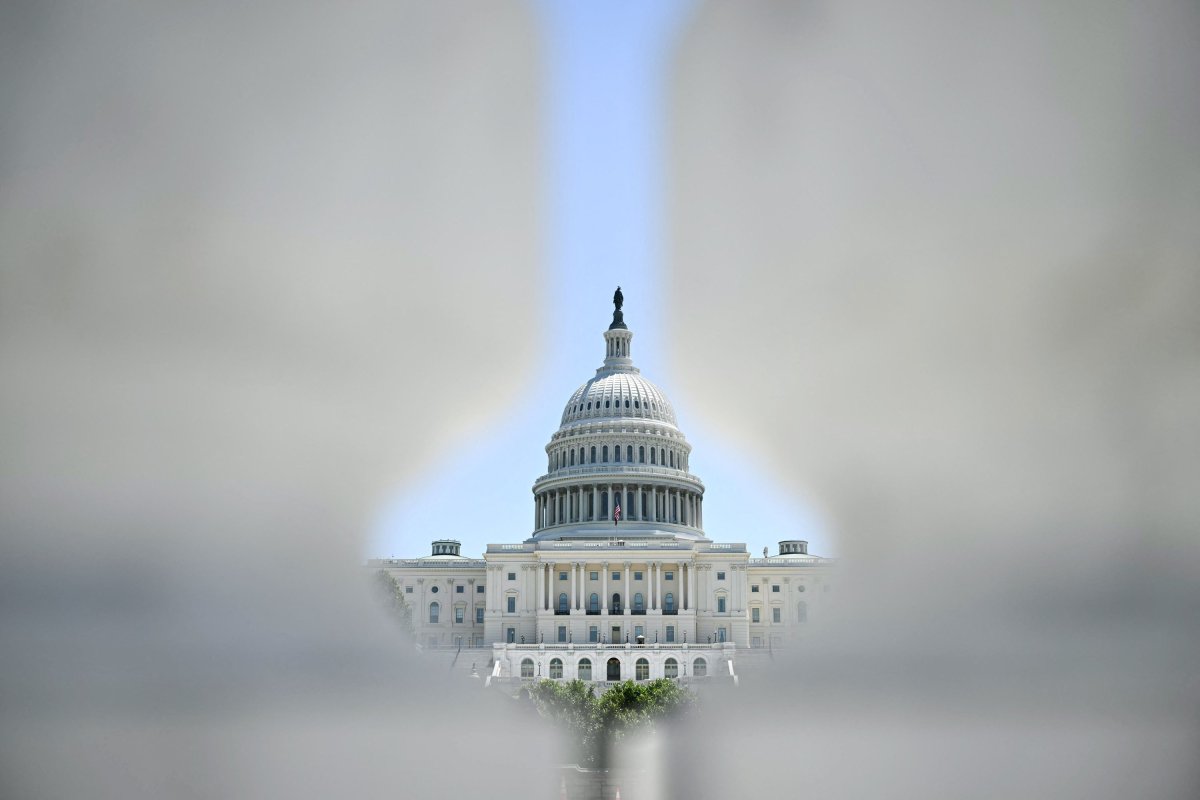
The Middle East Geopolitical Chessboard
The renewed exchanges between Israel and Iran in June 2026 unfold against a backdrop of entrenched Sunni-Shia competition that shapes alliances across the Gulf and Levant. Saudi Arabia and the United Arab Emirates have pursued economic diversification under Vision 2030 frameworks while maintaining cautious distance from direct confrontation with Tehran. This dynamic intersects with great power rivalry, as Washington seeks to reassert influence after years of shifting priorities, while Beijing and Moscow position themselves through energy partnerships and arms supplies to various actors.
Iran's proxy networks, including Hezbollah in Lebanon and the Houthis in Yemen, continue to test the limits of Israeli and American responses. The Abraham Accords have normalized relations between Israel and several Sunni Arab states, creating a loose alignment that Tehran views as an existential encirclement. Energy markets remain sensitive to any disruption in the Strait of Hormuz, where Iranian toll policies now generate substantial revenue even as they raise shipping costs for Gulf exporters.
JCPOA Origins and the Road to 2026 Conflict
The 2015 Joint Comprehensive Plan of Action represented a multilateral effort to constrain Iran's nuclear program in exchange for sanctions relief. European signatories and Russia initially supported implementation, yet the agreement faced immediate domestic opposition in the United States. President Trump's 2018 withdrawal reimposed secondary sanctions and set the stage for escalating tensions that culminated in direct military action nearly eight years later.
By early 2026, accumulated grievances over enrichment levels and regional proxy activities produced the February 28 outbreak of hostilities. US and Israeli strikes targeted Iranian leadership, resulting in the death of Supreme Leader Ayatollah Ali Khamenei. This sequence marked a departure from prior shadow warfare and forced regional capitals to recalibrate their security calculations amid fears of wider Sunni-Shia spillover.
Ceasefire Terms and Hormuz Strait Realities
A ceasefire took hold on April 8, 2026, after weeks of intense fighting that included Iranian closure of the Strait of Hormuz. Tehran subsequently reopened the waterway while imposing tolls exceeding one million dollars per vessel, a measure that has altered shipping economics for oil tankers departing from Saudi Arabia, Iraq, and Kuwait. These fees provide Iran with leverage even as they strain relations with Gulf Cooperation Council members dependent on steady export revenues.
The arrangement remains provisional, with no formal monitoring mechanism yet agreed upon by all parties. Iranian Revolutionary Guard Corps statements emphasize that any perceived violation could prompt renewed restrictions. Meanwhile, OPEC+ consultations have intensified as member states assess how sustained Hormuz costs might affect global crude benchmarks and downstream refining margins in Asia and Europe.
Congressional War Fatigue and the June Resolution
On June 3, 2026, the US House of Representatives passed a war powers resolution by a 215-208 margin, reflecting growing bipartisan discomfort with prolonged engagement. Only four Republicans joined Democratic colleagues in supporting the measure, underscoring the narrow political space available to the administration. Lawmakers cited mounting costs and uncertain strategic gains as primary concerns driving the vote.
This congressional signal arrives as midterm campaign cycles intensify and lobbying efforts from various interest groups seek to shape candidate positions. The resolution does not immediately halt operations but signals that future funding requests will face heightened scrutiny. Administration officials must now balance diplomatic overtures with domestic political constraints that limit flexibility in negotiations with Tehran.
Israeli Calculations and Netanyahu's Position
Israeli officials have publicly described elements of the emerging US-Iran understanding as a bad deal, citing insufficient guarantees against future nuclear advances. Prime Minister Benjamin Netanyahu has maintained that Israel retains independent decision-making authority over its security requirements. This stance echoes longstanding Israeli policy that no external power can veto actions deemed vital to national survival.
Israeli strikes on June 8 targeted western and central Iran using air-launched ballistic missiles, focusing on missile launch sites according to IRGC reports. These actions followed Iranian launches of eleven ballistic missiles toward Israeli territory earlier the same day. The sequence illustrates how quickly de-escalation efforts can unravel when core deterrence calculations remain unresolved between the two adversaries.
US Negotiating Team and Asset Freeze Leverage
Special envoys Steve Witkoff and Jared Kushner lead the American side in current talks, operating under instructions that no Iranian assets will be unfrozen until a comprehensive agreement is finalized. President Trump has emphasized personal control over the process, stating on June 7 that he calls the shots rather than deferring to Israeli preferences. This approach seeks to insulate diplomacy from immediate battlefield pressures.
Yet Israeli lobbying continues to influence segments of Congress and public discourse, particularly around midterm fundraising. The administration faces the challenge of delivering a deal that satisfies enough domestic constituencies while addressing Iranian demands for sanctions relief. Historical precedent from the original JCPOA suggests that verification mechanisms and sunset clauses will remain contentious points in any new text.
Pakistan's Mediation Initiative
Pakistan dispatched a senior minister to Tehran on June 7 carrying a letter aimed at facilitating communication between Washington and Iranian counterparts. Islamabad's involvement reflects its interest in preventing further regional instability that could affect its own border security and economic corridors. The effort occurs alongside ongoing Chinese economic investments in Pakistan that could be jeopardized by wider conflict.
Tehran has welcomed third-party channels that might offset perceived American-Israeli coordination. Whether Pakistani mediation can bridge gaps on core issues such as enrichment limits and proxy force reductions remains uncertain. Success would require buy-in from Riyadh and Abu Dhabi, whose economic diversification plans depend on predictable energy flows through the Gulf.
June 8 Strikes and Immediate Escalation Patterns
The June 8 exchanges began with Iranian missile launches and continued with Israeli retaliatory strikes on multiple Iranian provinces. Tehran closed its airspace in response, while Houthi forces in Yemen launched a missile that was intercepted before reaching its target. These events demonstrate the interconnected nature of Iran's regional network and the difficulty of containing any single front.
President Trump had urged restraint on Prime Minister Netanyahu prior to the Israeli response, highlighting transatlantic and intra-alliance tensions over escalation thresholds. IRGC confirmation of damage to missile infrastructure suggests both sides retain significant capabilities despite the April ceasefire. Further cycles risk drawing in additional actors and undermining the fragile diplomatic track.
Energy Market and Stability Implications
Prolonged uncertainty around the Strait of Hormuz directly affects global oil supply dynamics and price volatility. Gulf producers have accelerated diversification investments, yet short-term revenue remains tied to export volumes that face new cost pressures from Iranian tolls. European and Asian importers are exploring alternative routes and strategic reserves to mitigate risks.
Regional stability hinges on whether negotiators can convert the current pause into durable arrangements that address both nuclear concerns and conventional force postures. Failure could accelerate arms races among Sunni Arab states and further fragment the already polarized Middle East security architecture. The coming weeks will test whether personal diplomacy can overcome structural mistrust accumulated over a decade of sanctions, strikes, and proxy confrontations.
By Malik Hassan, Staff WriterThis article was produced with AI-assisted research and editorial support. Reporting is based on sources cited in the article.
What's Your Reaction?
 Like
0
Like
0
 Dislike
0
Dislike
0
 Love
0
Love
0
 Funny
0
Funny
0
 Wow
0
Wow
0
 Sad
0
Sad
0
 Angry
0
Angry
0

India/South Asia Correspondent at Global1.News. Analytical voice with a background in science and health journalism. Based in New Delhi, covering Indian politics, education, healthcare, technology, and policy. Breaks down complex data into clear, actionable reporting.










Comments (0)