
Ro Khanna Detained by Armed Settlers in Occupied West Bank
Armed Israeli settlers detained U.S. Congressman Ro Khanna in the occupied West Bank. He says any visitor to the area would conclude it is apartheid.
In a tense encounter captured on video by Middle East Eye, U.S. Congressman Ro Khanna found his delegation halted for over an hour by armed Israeli settlers wielding U.S.-made M4 rifles near the Palestinian village of Khirbet Zanuta, an incident that laid bare the routine terror and movement restrictions Palestinians endure daily under occupation. The footage shows settlers blocking the road while Israeli forces later reinforced the blockade instead of intervening, transforming what should have been a routine congressional visit into a stark demonstration of settler power in the occupied West Bank. This episode, detailed in the Middle East Eye report titled "'I Saw Terrorization of the Palestinians': U.S. Congressman Detained by Settlers," underscores how such confrontations have become normalized amid expanding outposts and unchecked violence.
\n
Ro Khanna's West Bank Detention Exposes Reality of Occupation
\nOccupied West Bank – July 20, 2026 — U.S. Representative Ro Khanna, a Democrat from California serving in the House since 2017, experienced firsthand the restrictions that define daily movement for Palestinians during his visit to the occupied West Bank on July 8-9, 2026.
\nThe Detention Near Khirbet Zanuta
\nArmed Israeli settlers carrying U.S.-made M4 rifles blocked Khanna's convoy near Khirbet Zanuta, a Palestinian village in the South Hebron Hills. The group held the congressman and his delegation for over an hour. When Israeli Defense Forces arrived, they aligned with the settlers and prolonged the stoppage rather than clearing the path.
Khirbet Zanuta, a small Palestinian herding community in the South Hebron Hills, has long been targeted for forced displacement amid expanding settler outposts. Residents have faced repeated attacks involving arson, livestock theft, and intimidation by armed groups that operate with minimal interference from Israeli authorities. These settlers frequently use U.S.-supplied weapons, including rifles and ammunition provided through military aid packages, to assert control over land designated under international agreements as Palestinian territory. Data from monitoring groups show that such violence has accelerated depopulation efforts, leaving families with few options but to abandon ancestral grazing lands.
\nSettler operations in the region follow a pattern of establishing unauthorized outposts that gradually receive retroactive approval from Israeli officials. In the South Hebron Hills, these groups coordinate movements to block Palestinian access to water sources and roads, often citing security pretexts. Reports from Al Jazeera and the Guardian document how U.S.-origin firearms appear in footage of clashes, raising questions about the end-use monitoring of American military assistance. This dynamic has contributed to a steady erosion of Palestinian presence, with Khirbet Zanuta's population dwindling as families relocate under duress. Historically, the settlement enterprise traces its roots to the 1967 occupation, when Israel began transferring civilians into captured territory in violation of emerging international norms; by the 1990s Oslo Accords, Area C—comprising 60 percent of the West Bank—was placed under full Israeli control, enabling unchecked outpost growth that now fragments Palestinian communities and severs access to farmland and resources.
\n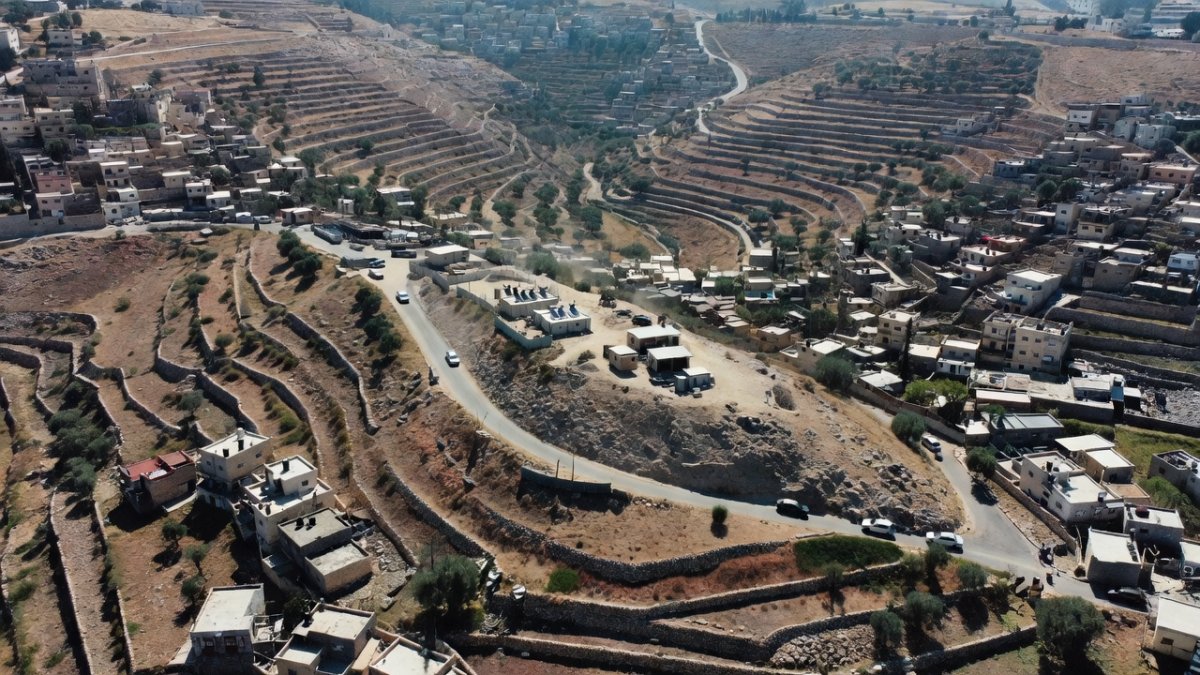 \n
\nKhanna's Direct Assessment
\nKhanna described the episode as a VIP version of the daily ordeal for Palestinians in the West Bank. He stated that anyone who visits the area would conclude it amounts to apartheid. He further accused Israeli forces of committing a serious error by supporting armed settlers against a sitting U.S. congressman.
\nKhanna told reporters after the incident that the detention highlighted the unchecked power settlers wield in Area C of the West Bank. "I was stopped by individuals carrying automatic weapons who made clear they controlled the area, not the Israeli military," he stated in remarks carried by NPR and AP. Several Democratic colleagues, including members of the Congressional Progressive Caucus, issued statements expressing alarm and calling for a review of U.S. policy toward settlement expansion. The episode carries implications for Khanna's potential 2028 presidential bid, as it positions him as a critic willing to confront on-the-ground realities that many U.S. lawmakers avoid.
\nPolitical analysts note that Khanna's direct experience could intensify debates within the Democratic Party over conditioning aid to Israel. Reactions from moderate voices remained cautious, emphasizing alliance maintenance while acknowledging settler violence concerns. The Intercept reported that the congressman's account aligns with long-standing Palestinian testimonies, potentially shifting media framing ahead of future elections. This visibility may encourage other lawmakers to undertake similar visits, altering the domestic political calculus surrounding West Bank policy. U.S. foreign aid, totaling over $3.8 billion annually to Israel, includes provisions for weapons like the M4 rifles documented in settler hands, yet end-use monitoring remains lax, allowing American taxpayers to indirectly subsidize land grabs that contravene stated U.S. policy against settlement expansion.
\nPatterns of Settler Violence
\nThe incident fits into a documented rise in settler activity that now reaches communities under Palestinian Authority control. An Israeli general recently described illegal settler outposts as security assets that advance the removal of Palestinian residents. Israeli authorities conducted 341 demolition operations across the occupied West Bank in the first half of 2026 alone.
\nIsraeli authorities recorded 341 demolition operations across the West Bank in the first half of 2026, according to OCHA figures cited by Middle East Eye. These actions primarily targeted structures in Area C, where Palestinians require rarely granted permits. An unnamed Israeli general recently remarked to Israeli media that many outposts function as de facto extensions of state control, contradicting official claims of rogue activity. UN agencies including WFP and OCHA have warned that such violence risks triggering broader humanitarian crises, with settler attacks documented at rates several times higher than previous years.
\nThese patterns violate provisions of the Fourth Geneva Convention prohibiting the transfer of civilian populations into occupied territory and the destruction of civilian property. International observers argue that the lack of accountability perpetuates a cycle where settlers face few consequences while Palestinian communities endure collective punishment. Data compiled by human rights organizations show that incidents often involve coordinated efforts between outpost residents and elements within the Israeli security apparatus, further complicating enforcement of international law. The International Court of Justice's 2004 advisory opinion on the separation barrier and subsequent UN resolutions have repeatedly affirmed that settlements constitute a flagrant breach of international humanitarian law, yet enforcement mechanisms remain absent, allowing the enterprise to expand with impunity.
\n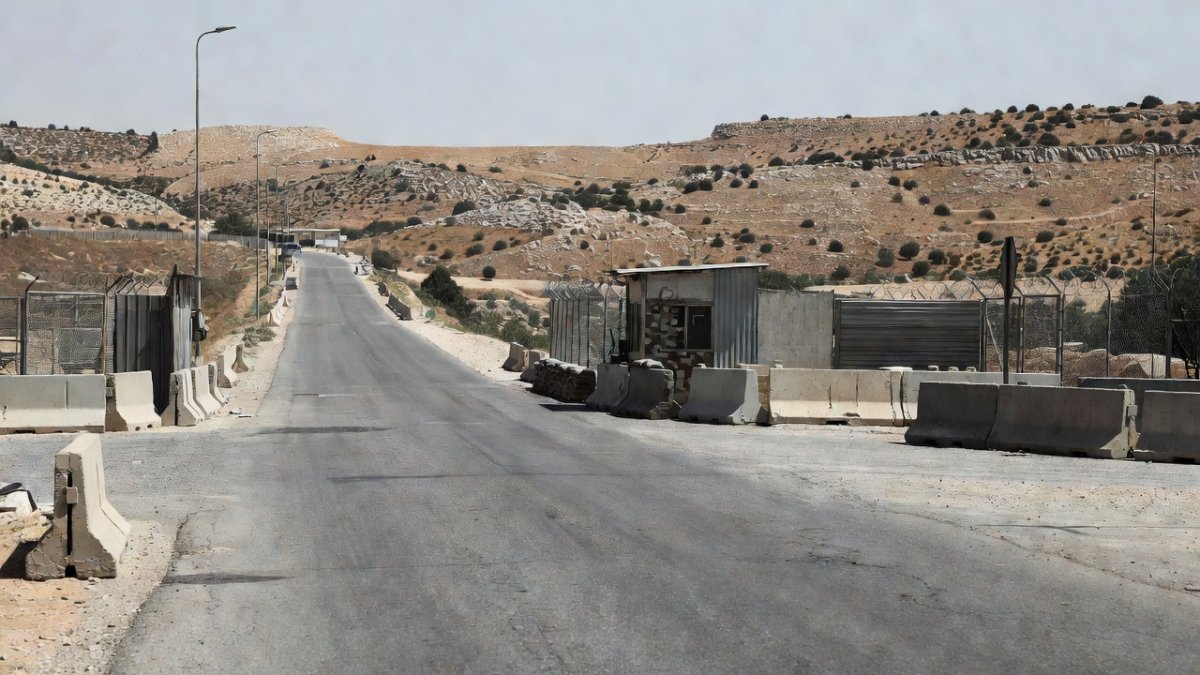 \n
\nLife Under Continued Restrictions
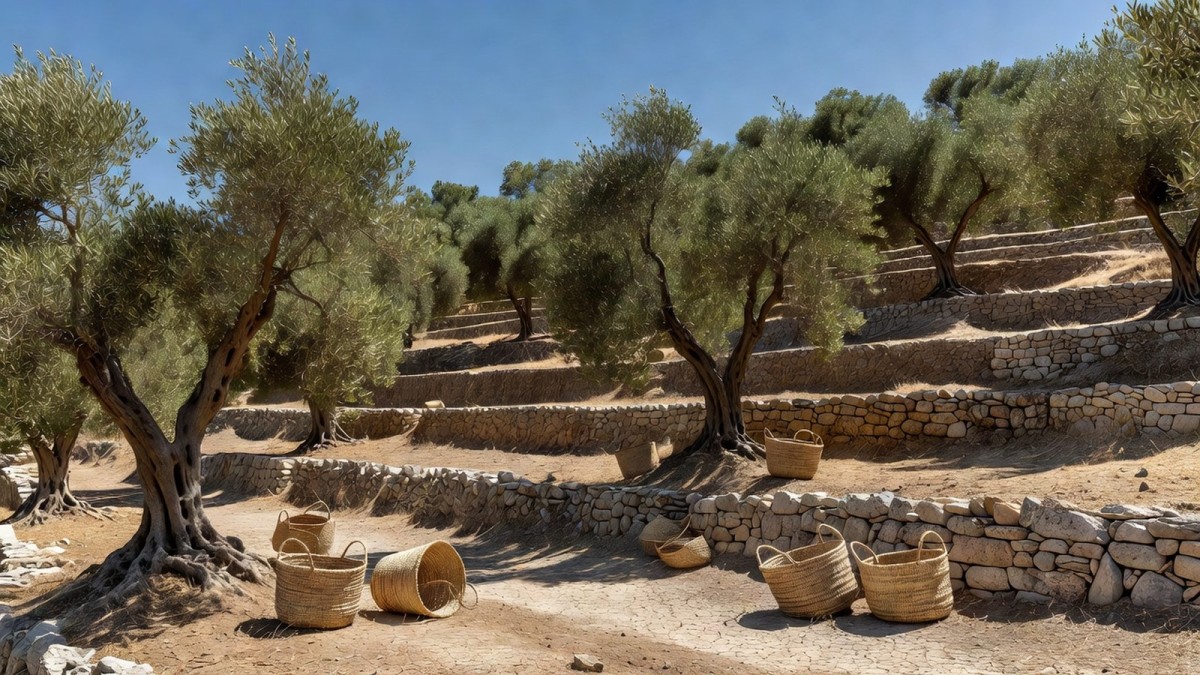
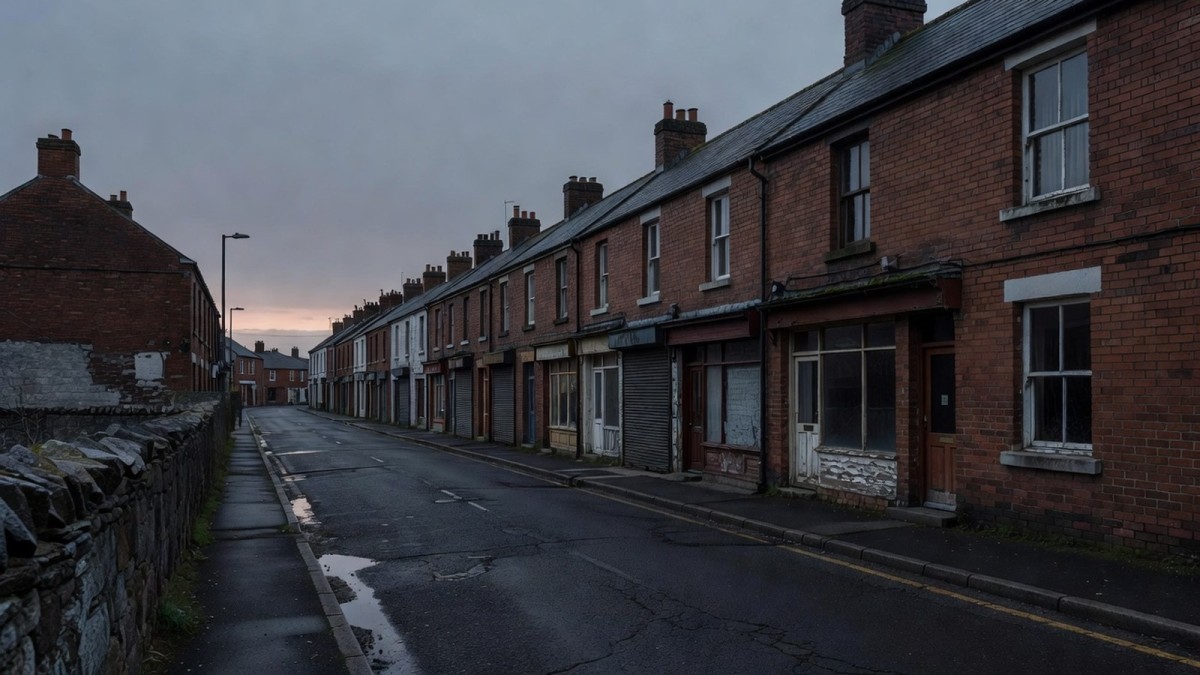
\nPalestinian families in villages like Khirbet Zanuta navigate checkpoints, land seizures, and armed presence as part of ordinary routines. These conditions limit access to schools, medical care, and farmland, shaping economic and social life across the South Hebron Hills and beyond. Local testimonies collected by human rights monitors describe how children must detour around settler roads for hours to reach classes, while herders lose livestock to nightly raids that leave families without income or food security; one resident recounted watching armed groups torch olive groves planted generations ago, an act that erased both livelihood and cultural heritage in a single afternoon. Such accounts reveal the cumulative psychological toll, where fear of violence dictates every movement and decision, turning daily existence into a negotiation with dispossession.
\nRegional Developments Since the Ceasefire
\nThe U.S.-brokered Gaza ceasefire reached in October 2025 has not halted near-daily Israeli strikes, with roughly 1,000 Palestinians killed since that agreement. Israel now controls nearly 70 percent of Gaza, according to NPR reporting from July 10, 2026. Trump's Board of Peace has scaled back earlier recovery plans to the provision of temporary cabins.
\nKhanna's Record and Future Considerations
\nKhanna has previously described Israeli actions in Gaza as genocide and conditions in the West Bank as apartheid. The July detention occurred while he weighs a possible 2028 presidential campaign. Coverage of the event appeared across The Guardian, Al Jazeera, The Intercept, AP, and Fox News.
\nThe detention of a U.S. lawmaker by armed settlers, followed by military reinforcement of that blockade, points to deeper questions about accountability and the sustainability of current arrangements in the West Bank. Palestinian communities continue to document these encounters as part of efforts to secure recognition of their rights and daily realities. International law experts emphasize that without conditioning aid on settlement freezes or enforcing Geneva Convention obligations, such incidents will recur, entrenching a system where Palestinian dispossession accelerates under the shadow of American weapons and diplomatic cover.
\nBy Fatima Al-Rashid, Staff Writer
Meta description: U.S. Congressman Ro Khanna details his detention by armed Israeli settlers near Khirbet Zanuta and links the incident to broader apartheid conditions in the occupied West Bank. (158 chars)This article was produced with AI-assisted research and editorial support. Reporting is based on sources cited in the article.
What's Your Reaction?
 Like
0
Like
0
 Dislike
0
Dislike
0
 Love
0
Love
0
 Funny
0
Funny
0
 Wow
0
Wow
0
 Sad
0
Sad
0
 Angry
0
Angry
0
Gulf/MENA Correspondent at Global1.News. Based in Doha, covering Gulf politics, energy markets, diplomacy, and development across the Middle East and North Africa. Tracks the economic transformation of the Gulf states.









Comments (0)