
Israel Strikes Military Targets Across Iran in Overnight Retaliation
In a recent BBC News report covering the Israeli retaliatory strikes, the rapid escalation between Israel and Iran unfolded in devastating detail. Overnight, Israeli forces carried out a coordinated series of airstrikes against military targets in western and central Iran, striking locations that included areas near Tehran, Isfahan, Tabriz, and multiple other cities. The operat
In a recent BBC News report covering the Israeli retaliatory strikes, the rapid escalation between Israel and Iran unfolded in devastating detail. Overnight, Israeli forces carried out a coordinated series of airstrikes against military targets in western and central Iran, striking locations that included areas near Tehran, Isfahan, Tabriz, and multiple other cities. The operation came just hours after Iran launched a salvo of ballistic missiles toward northern Israel on Sunday, marking the first direct Iranian attack on Israeli territory since the fragile April ceasefire was negotiated. Regional observers are now watching with deepening concern as both sides demonstrate a willingness to strike directly at each other's sovereign territory rather than confining hostilities to proxy battlefields in Syria, Lebanon, or Yemen. The sequence of retaliatory actions — from Israeli strikes on Hezbollah in Beirut, to Iranian missiles aimed at northern Israel, and now to Israeli bombs falling on Iranian soil — represents a rapid and dangerous breakdown of the informal rules of engagement that had contained the conflict for much of the past year. Each step in this spiral has been justified by the attacking side as a defensive necessity, but the cumulative effect is a dramatic escalation that threatens to draw in additional regional powers and fundamentally reshape the strategic landscape of the Middle East.
Israel Strikes Military Targets Across Iran in Overnight Retaliation
Moscow, Russia – June 8, 2026 — The chain of escalation began last week when Israel struck Hezbollah targets in Beirut's southern suburbs without the prior warning that had characterized previous operations during the ceasefire period. Iran responded on Sunday by launching approximately ten ballistic missiles toward northern Israel, which were intercepted by Israeli air defense systems including Arrow, THAAD, and Patriot batteries with no major damage or casualties reported. Israel has now delivered its counter-response through these direct strikes on Iranian territory itself — a move that goes beyond the pattern of covert operations and proxy warfare that had previously defined the shadow conflict between the two nations. The April ceasefire, already under severe strain from repeated incidents along the Lebanon border and continued hostilities in Gaza, appears to have collapsed entirely under the weight of this direct confrontation between Jerusalem and Tehran. Analysts note that the breakdown leaves little room for de-escalation without external mediation.
Israel launched retaliatory strikes on military targets in western and central Iran on June 8, 2026. The confirmed operation targeted IRGC facilities and related infrastructure, shifting the conflict into direct state-to-state confrontation. This development follows months of proxy engagements and marks a clear departure from earlier patterns of limited engagement. The strikes occurred after Iran fired approximately ten ballistic missiles at northern Israel on June 7, 2026. Israeli defenses intercepted all projectiles without reported casualties or significant damage. The sequence underscores how quickly localized incidents can expand into broader regional crises involving multiple state actors and their respective alliances.
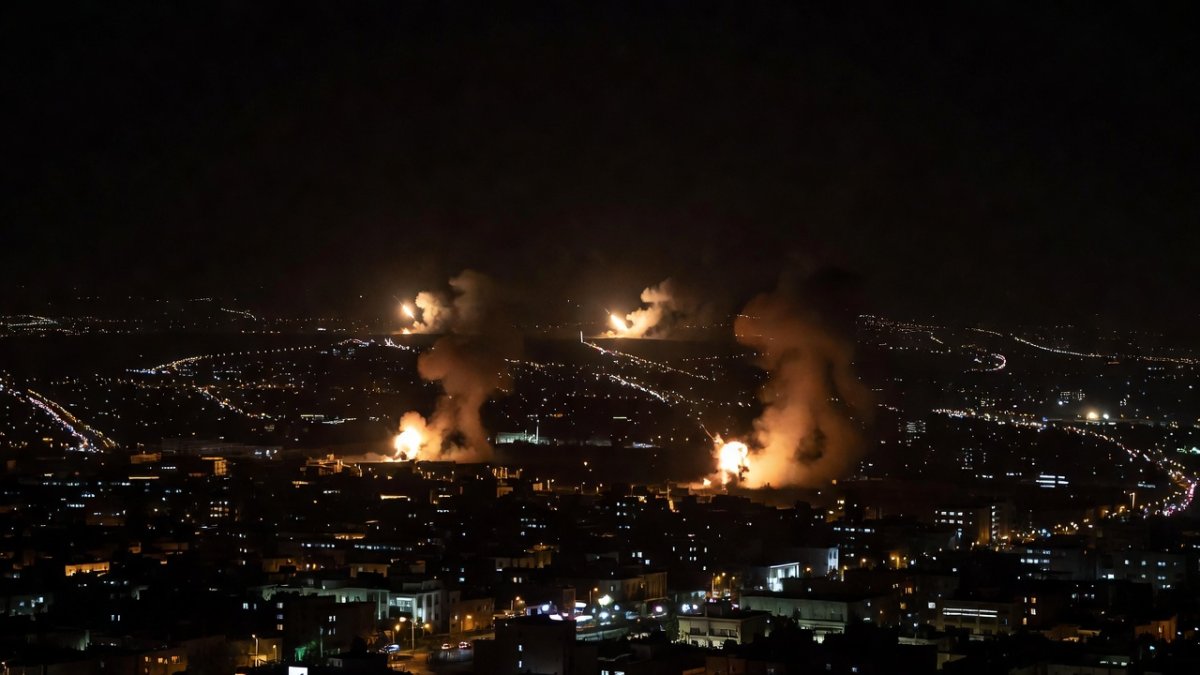
Details of the Israeli Operation: Tehran, Isfahan, Tabriz Targeted
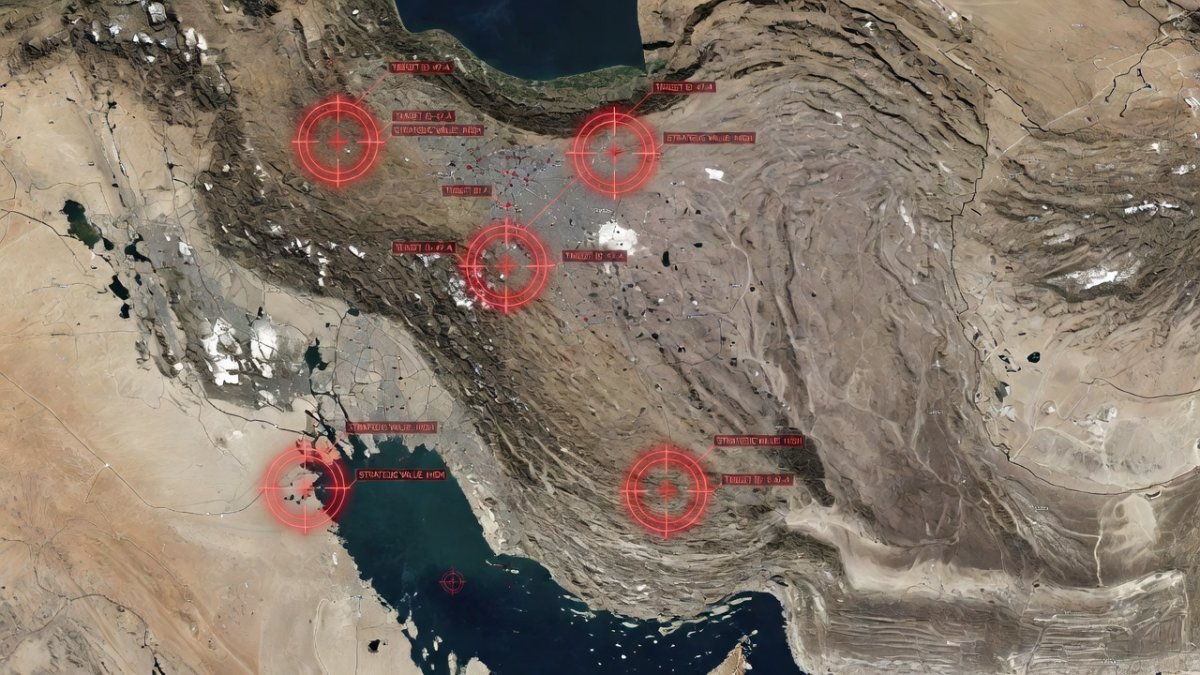
The Israeli military confirmed that it struck military targets across western and central Iran during an overnight operation involving multiple waves of aircraft and standoff weapons. Multiple cities and strategic locations were affected, including areas near Tehran's Imam Khomeini International Airport, the nuclear-related facilities around Isfahan, the northwestern city of Tabriz, Kermanshah near the Iraq border, Karaj just west of Tehran, Najafabad which hosts drone assembly infrastructure, and Eslamabad-e-Gharb where an IRGC compound was reportedly hit. The target set specifically included IRGC military facilities, ballistic missile production and storage sites, air defense radar systems, early warning installations, and drone assembly and logistics centers. Open-source assessments indicate the strikes focused on degrading Iran's capacity for future missile launches against Israeli territory.
According to open-source intelligence assessments circulating among analysts, the operation employed air-launched ballistic missiles that may have been released from Israeli aircraft operating in Iraqi airspace, combined with sea-launched cruise missiles fired from vessels in the Mediterranean Sea. Reports indicate that between ten and fifteen separate sites were struck during the operation, with emphasis placed on degrading Iran's ability to conduct further missile strikes against Israel. Iranian authorities responded by closing the airspace around Tehran's main airport, temporarily halting civilian air traffic and grounding flights as a precautionary measure. The full extent of damage to the targeted facilities remains unclear, as Iranian state media has provided limited information and Western intelligence assessments are still being compiled. What is clear is that the operation represents the most extensive Israeli military action on Iranian territory since the conflict began.
Strikes used air-launched ballistic missiles, possibly from Iraqi airspace, along with some sea-launched cruise missiles. Up to 10-15 sites were hit in total. Iran closed airspace around Tehran's Imam Khomeini International Airport immediately after the operation. These measures reflect Tehran's efforts to manage immediate security concerns while limiting further civilian disruption. The precise impact on Iranian military capabilities will require additional verification from independent sources over the coming days.
Iran's Missile Attack on Northern Israel Sparked the Escalation
On Sunday, Iran launched approximately ten ballistic missiles toward northern Israel in what the Islamic Revolutionary Guard Corps described as a retaliatory operation. Israeli air defense systems including the Arrow, THAAD, and Patriot batteries successfully intercepted the incoming salvo, and authorities confirmed no major damage or casualties resulted from the attack. The IRGC issued a statement declaring that "this operation is not a passing event, but rather the beginning of a full week of continuous strikes," signaling Tehran's intent to maintain military pressure on Israel through additional actions in the immediate future rather than treating Sunday's barrage as a single symbolic response. The statement was released through official IRGC channels and widely reported by regional media outlets.
The Iranian attack was itself a direct response to Israeli strikes on Hezbollah positions in Beirut's southern suburbs days earlier, which Iran and its allies characterized as violations of the ceasefire agreement that had been in place since April. The IRGC's statement accused Israel of repeated ceasefire violations through its military operations in Lebanon and warned that further Israeli actions would draw additional retaliatory measures. This tit-for-tat escalation illustrates a fundamental challenge facing all parties: once the cycle of retaliation begins at this level of intensity, each side finds itself under domestic political pressure to respond in kind, creating a momentum toward escalation that becomes increasingly difficult to arrest through diplomatic means alone. Hezbollah's earlier rocket attack on northern Israel served as the immediate trigger for the current round of exchanges.
Iran fired approximately ten ballistic missiles at northern Israel on June 7. All were intercepted by Arrow, THAAD, and Patriot systems. The IRGC described the launch as the start of a full week of continuous strikes. No major damage or casualties occurred inside Israel. These details come from official statements by both the Israeli military and the IRGC, providing a consistent account of the events despite differing interpretations of responsibility.
Washington's Role: Trump Urged Restraint, Israel Proceeded
US President Donald Trump reportedly spoke with Israeli Prime Minister Benjamin Netanyahu in the hours before the Israeli operation and urged him not to retaliate against the Iranian missile strikes. According to multiple outlets, Trump told Netanyahu that the two sides were "close to doing something good in terms of a deal" and asked Israel to show restraint to preserve the diplomatic window. The White House subsequently stated that the United States was not involved in the Israeli strikes and had no advance warning of the operation's timing or scope. This clarification was issued through official administration channels to distinguish US policy from the actions taken by Israel.
Israel's decision to proceed with the strikes despite Trump's personal appeal represents a significant divergence between Washington and Jerusalem at a critical moment. Analysts suggest this could complicate the ongoing US-Iran peace negotiations, which Trump has identified as a foreign policy priority during his current term. The Al-Monitor described Israel as "defying Trump's call for restraint," while other commentary noted that the relationship between the two leaders faces a test as their strategic priorities diverge on how to handle the Iranian threat. The US administration now faces the challenge of maintaining credibility as a mediator while its closest regional ally conducts military operations that undermine the diplomatic track. Further coordination between the two capitals will be essential in the days ahead.
Trump urged Netanyahu not to retaliate, stating the parties were close to a deal. The United States confirmed it was not involved in the Israeli strikes. These positions highlight differing priorities between Washington and Jerusalem regarding the timing and scope of military responses. The gap in approach may affect future diplomatic efforts involving Iran and its regional allies.
Regional Fallout: Oil Prices Surge, Houthis Join the Fight
Brent crude surged more than 3.5 percent to above 96 dollars per barrel on Monday as energy markets reacted to the escalating direct confrontation between Israel and Iran. The Strait of Hormuz, through which roughly one-fifth of the world's oil passes, has been severely disrupted since the war began in February, with Iranian threats and blockade actions restricting tanker traffic. Further escalation risks pushing oil prices significantly higher, with potential knock-on effects for global inflation, central bank policy, and economic growth across both developed and emerging markets. Energy analysts continue to monitor tanker movements and insurance rates for signs of additional strain on supply routes.
Yemen's Houthi movement, which receives Iranian support, fired additional ballistic missiles toward central Israel following the Israeli strikes, demonstrating the multi-front nature of the conflict. Israel responded by closing the Kerem Shalom and Rafah crossings with Gaza. The earlier Hezbollah rocket attack on northern Israel, which triggered the current cycle of escalation, illustrates how actions on one front quickly cascade across the region. The simultaneous activation of multiple theaters — Lebanon, Gaza, Yemen, and now direct strikes on Iranian territory — presents Israel's military and political leadership with a complex strategic calculus. Coordination among Iranian-backed groups remains a key variable in the evolving situation.
Brent crude rose above 96 dollars per barrel after the strikes. Houthis fired additional missiles toward central Israel. Israel closed the Kerem Shalom and Rafah crossings in response. These developments connect the direct Israel-Iran confrontation to wider regional dynamics involving multiple proxy forces and supply chain vulnerabilities.
Analysis and Outlook: A New Phase in the 100-Day War
The direct exchange of strikes between Israel and Iran marks a dangerous new phase in the conflict that began on February 28, now more than 100 days old. For the first three months of this war, the United States and Israel conducted operations against Iranian targets while Iran retaliated through proxies and occasional direct strikes, but an informal firewall prevented either side from striking the other's homeland on a significant scale. This week's escalation has shattered that restraint, moving the confrontation into a pattern of direct state-on-state military action that carries fundamentally higher risks of miscalculation and uncontrolled escalation. The involvement of additional fronts increases the potential for unintended consequences across the region.
Iran's IRGC has explicitly warned of a full week of continuous strikes, and Israeli defense officials anticipate further ballistic missile or UAV attacks in the coming days. Hezbollah's continued involvement from southern Lebanon adds a second active front that could flare at any moment, while Houthi operations from Yemen extend the conflict across the entire Middle East. The risk of a broader regional war drawing in Gulf states, Iraqi militias, and other actors is now higher than at any point since this conflict began. Each side appears prepared to absorb significant costs to demonstrate strategic resolve. External powers continue to assess their options for limiting further expansion of hostilities.
The diplomatic path forward remains deeply uncertain. Trump's peace initiative between Washington and Tehran appears increasingly undermined by the escalation, as each round of violence erodes the political space for compromise. For Moscow and Beijing, watching from the sidelines, this protracted conflict diverts American attention and resources away from other strategic theaters. The coming days will determine whether the region's major powers can find a way back from the brink or whether the Middle East is headed for an even wider and more destructive war. All parties face pressure to balance military signaling with efforts to avoid total breakdown of communication channels.
By Irina Volkov, Staff Writer
This article was produced with AI-assisted research and editorial support. Reporting is based on sources cited in the article.
What's Your Reaction?
 Like
0
Like
0
 Dislike
0
Dislike
0
 Love
0
Love
0
 Funny
0
Funny
0
 Wow
0
Wow
0
 Sad
0
Sad
0
 Angry
0
Angry
0

Russia/Eastern Europe Correspondent at Global1.News. Covering Russian politics, energy, security, and the shifting dynamics of the post-Soviet space. Provides clear-eyed analysis on one of the world's most opaque regions.














Comments (0)