
US-Iran Deal Nears as Pakistan Mediates Nuclear Talks
US-Iran Deal Nears as Pakistan Mediates Nuclear Talks Iranian Foreign Minister Abbas Araghchi signals a potential US-Iran agreement on nuclear dismantlement and Strait of Hormuz reopening, backed by Pakistan, Saudi Arabia, Türkiye, Egypt and Qatar. **Keywords:** US-Iran agreement, Abbas Araghchi, Strait of Hormuz, Iran nuclear program, Pakistan mediation, Saudi Arabia, Türkiye,
The Emerging Contours of a US-Iran Understanding
Iranian Foreign Minister Abbas Araghchi stated on Friday that the United States and Iran have never been closer to an agreement capable of ending the current round of hostilities in the Middle East. His reference to the Islamabad Memorandum of Understanding points to the Pakistani capital as the locus of earlier indirect contacts. Araghchi cautioned media outlets against speculating on details until the text receives final approval in both capitals. This measured tone reflects the sensitivity surrounding provisions that would address Iran’s nuclear activities and maritime access through the Strait of Hormuz.
President Donald Trump has repeatedly indicated in recent weeks that the two sides stand on the cusp of a deal. A senior U.S. official, speaking anonymously, identified the removal and destruction of Iran’s nuclear material together with the dismantling of Tehran’s nuclear program as central elements. Regional officials briefed on the talks expect the phased lifting of sanctions and the release of frozen Iranian assets once the agreement is signed. These steps remain contingent on verification mechanisms that have yet to be finalized.
Historically, U.S.-Iran relations have oscillated between confrontation and fleeting diplomacy since the 1979 Islamic Revolution, with the 2015 JCPOA representing the most recent structured attempt at nuclear restraint before its unraveling in 2018. The current talks build on that legacy while incorporating lessons from the 2019-2020 tanker attacks and Soleimani assassination, underscoring how decades of mistrust necessitate third-party facilitation to bridge gaps that direct negotiations have repeatedly failed to close.
Pakistan’s Mediation Role and Gulf State Backing
Pakistan, under the leadership of army chief Field Marshal Asim Munir, has served as the principal mediator. Islamabad’s geographic position and established channels with both Washington and Tehran have allowed it to shuttle proposals without the baggage carried by larger powers. Foreign Ministry spokesperson Tahir Andrabi confirmed continued involvement, though no official comment emerged on Friday regarding the latest draft.
Saudi Arabia, Türkiye, Egypt and Qatar have provided diplomatic cover. Their collective endorsement signals a rare convergence of Sunni-majority states willing to support an outcome that could stabilize energy markets and reduce the risk of wider escalation. For Riyadh and Abu Dhabi, such stability aligns with ongoing economic diversification programs that require predictable oil revenues. Ankara views the process as consistent with its interest in preventing further refugee flows and maintaining leverage in Levantine affairs. Cairo and Doha see an opportunity to ease domestic economic pressures tied to higher global fuel prices.
Pakistan’s own history of balancing ties with Iran and Saudi Arabia, rooted in Cold War-era alliances and shared intelligence cooperation against extremism, lends credibility to its mediation. This role also reflects Islamabad’s strategic interest in preventing a broader conflict that could destabilize its borders and strain its already fragile economy dependent on Gulf remittances and investment.
Strategic Calculus Behind Nuclear Dismantlement
The destruction of Iran’s nuclear material stands as the most consequential demand from the U.S. side. Tehran has long maintained that its program serves peaceful purposes, yet the United States and Israel have cited weaponization concerns as justification for military action that began on February 28. Any agreement must therefore include intrusive verification arrangements acceptable to the International Atomic Energy Agency while preserving Iran’s claim to civilian nuclear technology.
From Tehran’s perspective, verifiable limits on enrichment in exchange for sanctions relief could restore access to global financial systems and allow the Islamic Republic to redirect resources toward domestic priorities. For Washington, the removal of breakout capacity reduces the immediate threat of a nuclear-armed Iran and its potential transfer of technology to proxy networks such as Hezbollah and Hamas. The strategic trade-off therefore centers on whether short-term Iranian concessions can produce durable constraints on future weaponization efforts.
Iran’s nuclear program traces its origins to the Shah’s era in the 1970s, when Western assistance helped establish the foundation later expanded under the Islamic Republic. The current demand for dismantlement echoes earlier U.S. positions but must contend with Iran’s accumulated technical expertise and domestic political narratives framing the program as a symbol of sovereignty and resistance to external coercion.
Reopening the Strait of Hormuz and Energy Implications
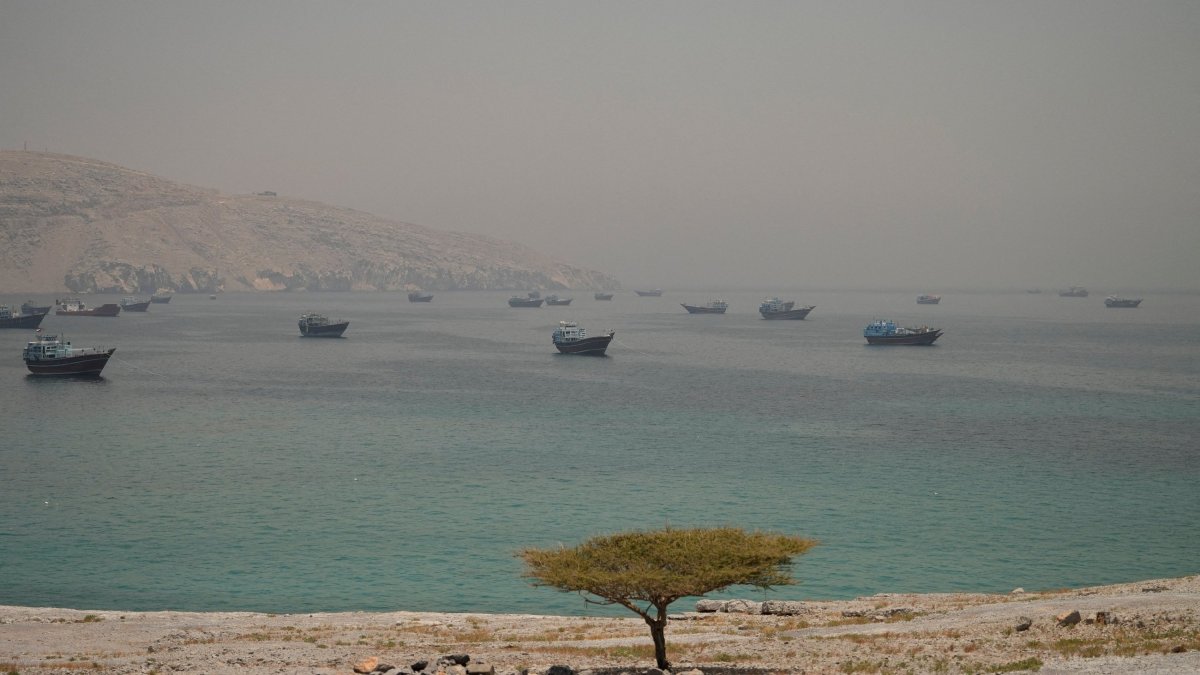
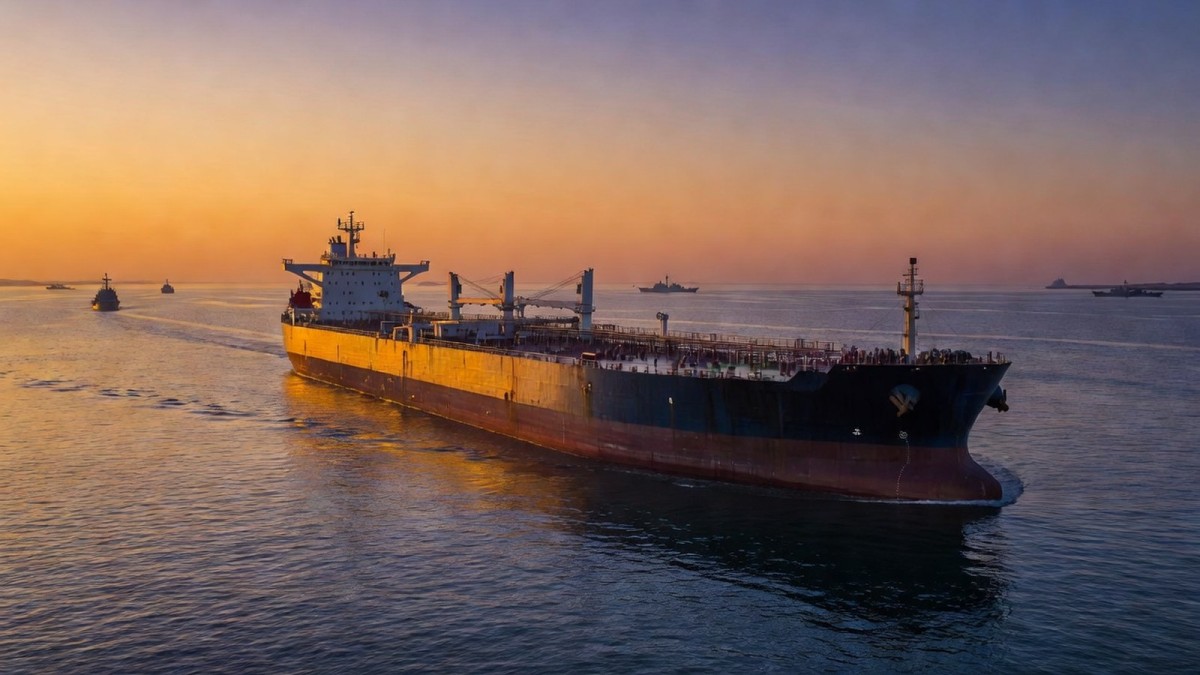
Iran’s effective closure of the Strait of Hormuz has halted significant volumes of oil and liquefied natural gas exports from Gulf producers since late February. The resulting supply shock has elevated global fuel prices and increased costs for imported food and manufactured goods across Asia and Africa. A naval blockade imposed by the United States since mid-April has simultaneously curtailed Iran’s own crude shipments, tightening the economic vise on both sides.
Reopening the waterway under monitored conditions would immediately ease pressure on OPEC+ members seeking to balance output quotas with revenue needs. Saudi Arabia and the United Arab Emirates, whose diversification agendas depend on stable energy income, have particular interest in restoring full transit. Qatar, a leading LNG exporter, would likewise benefit from predictable shipping lanes. The agreement’s energy provisions therefore carry direct consequences for fiscal planning in multiple Gulf capitals.
Beyond immediate price stabilization, sustained Hormuz access could reshape global energy markets by enabling Gulf producers to meet rising Asian demand without the premium associated with geopolitical risk. European importers, still adjusting from prior Russian supply disruptions, would also gain indirect relief through diversified sourcing, potentially moderating inflation pressures that have persisted since 2022.
Israeli Calculations and Territorial Realities
Israeli Prime Minister Benjamin Netanyahu has stated that Israel is not a party to the emerging deal yet remains in full agreement with Washington that Iran must not acquire nuclear weapons. Defense Minister Israel Katz indicated that Israel retains the option to act independently and will not withdraw from positions it occupies in Lebanon, Syria and Gaza. These positions reflect Israel’s assessment that Iranian proxy capabilities in the Levant continue to pose direct threats regardless of any bilateral U.S.-Iran text.
Israeli insistence on maintaining buffer zones complicates Iranian demands that any comprehensive settlement also address ongoing operations in Lebanon. Hezbollah’s rocket arsenal and command structure remain intact, giving Tehran leverage to link Lebanese and Iranian fronts. The resulting tension illustrates how local territorial disputes intersect with the broader nuclear and maritime negotiations.
Ceasefire Fragility and Path to Implementation
A fragile ceasefire has held since April 7 following three days of direct exchanges between Iran, the United States and Israel. President Trump’s public warning that Iranian officials must “get their act together, and FAST” underscores the narrow margin for error. Iranian Foreign Ministry spokesperson Esmail Baghaei described the draft text as “mostly finalized,” yet both sides must still secure domestic approvals before a signing ceremony can be scheduled.
Regional officials anticipate that the ceremony could occur within days once Washington and Tehran complete their internal reviews. Vice President JD Vance described the prospective accord as having the potential to remake the region and produce lasting peace. Realization of that potential will depend on whether verification protocols for nuclear dismantlement and maritime access can be implemented without renewed violations.
Regional Realignment and Great-Power Context
A successful agreement would intersect with existing frameworks such as the Abraham Accords and ongoing efforts to manage Sunni-Shia competition. Gulf states that normalized relations with Israel may view reduced Iranian nuclear risk as an opportunity to deepen economic ties with both Washington and Asian powers seeking stable energy supplies. At the same time, Russia and China continue to cultivate influence in Tehran through energy purchases and diplomatic cover, complicating any assumption of exclusive U.S. leverage.
The involvement of Pakistan alongside Saudi Arabia, Türkiye, Egypt and Qatar demonstrates that middle powers can shape outcomes when direct U.S.-Iran channels remain constrained. Whether this constellation of actors can translate a signed text into sustained behavioral change will test the durability of the emerging regional order.
China’s Belt and Road investments in Iran and Russia’s arms sales create parallel influence channels that could dilute U.S. gains from any deal. Moscow and Beijing may quietly encourage Tehran to retain residual leverage, ensuring the agreement does not fully align Iran with Western economic structures and thereby preserving multipolar competition in the Gulf.
Verification Mechanisms and Implementation Challenges
Effective verification will require expanded IAEA access to previously restricted sites, real-time monitoring of enrichment facilities, and third-party oversight of nuclear material destruction. Past experiences with the JCPOA highlight how disputes over inspection modalities can derail implementation, necessitating clear dispute-resolution mechanisms and automatic sanctions snapback provisions acceptable to all parties.
Implementation challenges include Iran’s domestic political resistance to perceived sovereignty infringements, logistical difficulties in safely dismantling sensitive infrastructure, and the need for sustained international funding to support monitoring infrastructure. Regional actors will also demand transparency guarantees to prevent covert reconstitution of capabilities once sanctions relief begins flowing.
Implications for Arab-Israeli Normalization and Sunni-Shia Dynamics
Reduced Iranian nuclear pressure could accelerate further Arab-Israeli economic integration under the Abraham Accords framework, enabling Gulf states to prioritize technology and investment partnerships with Israel without the shadow of regional escalation. However, Sunni-Shia dynamics remain delicate: a deal perceived as favoring Sunni Gulf interests might exacerbate sectarian tensions in Iraq, Lebanon, and Yemen, where Iranian-backed groups could interpret concessions as weakness and intensify proxy activities to reassert influence.
Conversely, successful implementation might encourage pragmatic de-escalation between Riyadh and Tehran, building on earlier Chinese-brokered dialogues and fostering limited cooperation on shared concerns such as Red Sea security and pilgrimage management. The ultimate test lies in whether nuclear and maritime provisions translate into broader behavioral restraint across sectarian fault lines.
By Malik Hassan, Staff WriterThis article was produced with AI-assisted research and editorial support. Reporting is based on sources cited in the article.
What's Your Reaction?
 Like
0
Like
0
 Dislike
0
Dislike
0
 Love
0
Love
0
 Funny
0
Funny
0
 Wow
0
Wow
0
 Sad
0
Sad
0
 Angry
0
Angry
0

Middle East Correspondent at Global1.News. Based in Beirut, covering politics, conflict, energy, and society across the Middle East. Brings context and depth to a region often reduced to headlines.












Comments (0)