
US-Iran 60-Day MOU: Nuclear Deal Talks Advance in June 2026
The Road to Negotiations: From Operation Epic Fury to Ceasefire The current diplomatic window opened after US-Israeli strikes codenamed Operation Epic Fury began on February 28, 2026. Those operations targeted Iranian nuclear and military sites, triggering weeks of regional escalation that included exchanges involving Hezbollah in Lebanon and Houthi attacks on Red Sea shipping.
The Road to Negotiations: From Operation Epic Fury to Ceasefire
The current diplomatic window opened after US-Israeli strikes codenamed Operation Epic Fury began on February 28, 2026. Those operations targeted Iranian nuclear and military sites, triggering weeks of regional escalation that included exchanges involving Hezbollah in Lebanon and Houthi attacks on Red Sea shipping. The conflict, which marked the most significant direct US-Israeli military action against Iran in decades, sent shockwaves through global energy markets as Brent crude briefly surged past US$120 per barrel.
A Pakistan-brokered temporary ceasefire took effect on April 8, 2026. This pause, mediated by Prime Minister Shehbaz Sharif, created space for indirect talks mediated by Oman that have now produced a draft 60-day memorandum of understanding. The MOU focuses on extending the ceasefire while opening a narrow channel for nuclear discussions — a framework far more limited in scope than the comprehensive settlement some had hoped for.
Key Elements of the 60-Day MOU Draft
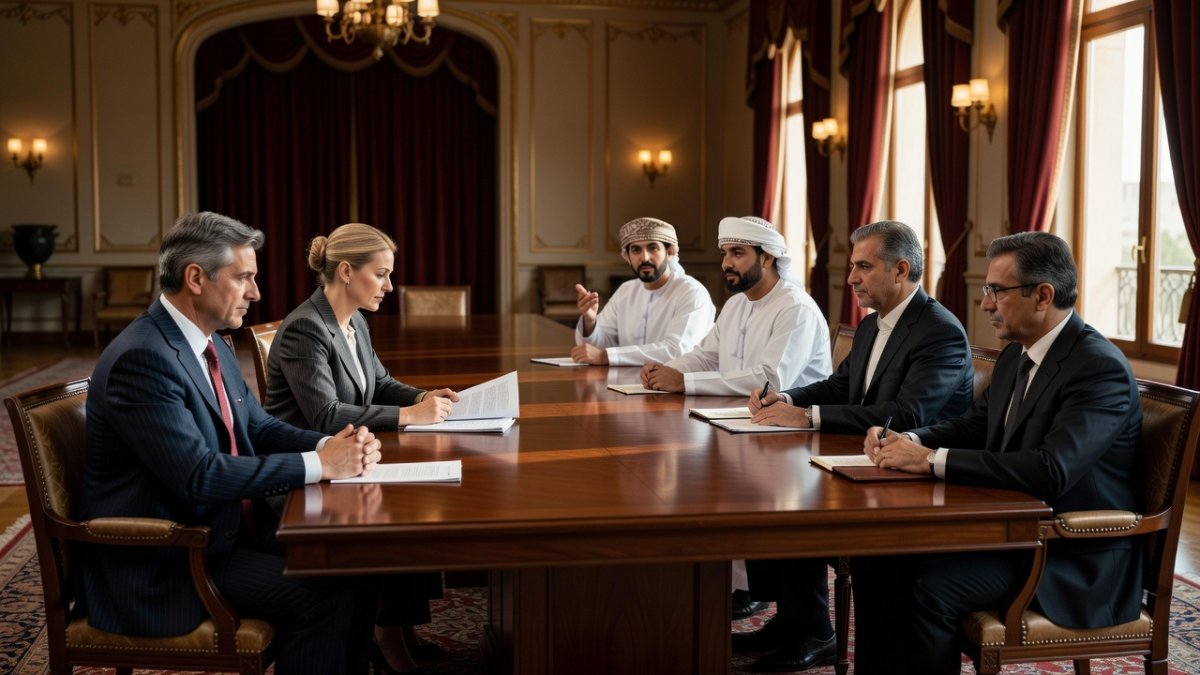
Iranian state media reported a 14-point draft that includes an immediate and permanent ceasefire on all fronts, including Lebanon, which would directly impact Hezbollah's operational posture along Israel's northern border. Additional provisions call for US non-interference in Iran's internal affairs, lifting of the naval blockade within 30 days, reopening of the Strait of Hormuz to unrestricted passage, comprehensive sanctions relief, and the unfreezing of Iranian assets held abroad.
An Axios report dated May 28 outlined Iranian commitments not to pursue nuclear weapons and a 60-day window to negotiate disposal of enriched uranium. However, International Relations Expert Dr. Elie Al Hindy, speaking on Al Arabiya English, described the package as a "very LIMITED agreement" that stops well short of a comprehensive settlement. The MOU would reportedly leave the most contentious issues — including the final disposition of Iran's enriched uranium stockpile, the future of its centrifuges, and the scope of its ballistic missile program — for later negotiation rounds.
Iran's 14-point draft also includes a demand for US$300 billion in reconstruction aid from the United States and its allies, a figure that Washington has neither confirmed nor publicly addressed. The provision for a complete and immediate end to hostilities on all fronts, including Lebanon, would effectively freeze the current battlefield situation across the region.
Iran's Cautious Stance on the Agreement
On Saturday, June 13, 2026, Foreign Ministry spokesperson Esmaeil Baghaei stated that signing of the MOU "will not be tomorrow" but may occur in the "coming days." Foreign Minister Abbas Araqchi echoed this assessment, noting the possibility of announcing an understanding soon while stressing that the text is "not yet final" and that further consultations in Tehran were required.
Pakistan Prime Minister Shehbaz Sharif had claimed the deal text was agreed and signing would happen within 24 hours, a statement sharply contradicted by Iranian officials. The discrepancy between Pakistani optimism and Iranian caution reflects the complex multi-party nature of the talks, with Oman and Pakistan both playing mediating roles. Tehran's measured tone reflects its assessment that any accord must deliver tangible sanctions relief without appearing as capitulation to domestic audiences or to regional allies like Hezbollah and the Houthis.
Republican Strategist Adolfo Franco, in comments to Al Arabiya English, argued that "Iran only understands STRENGTH" and warned that Tehran "is playing the LONG GAME." Franco noted that economic pressure affects the United States differently because it is a democracy subject to voter sentiment, whereas Iran's totalitarian system can absorb economic hardship for extended periods. This asymmetry in pain tolerance, he suggested, gives Tehran leverage in protracted negotiations.
US Deliberations and the Trump Factor
President Trump indicated he wants "a couple of days to think about it" before signing off on the memorandum, according to US officials who spoke to Axios. The president's hesitation reflects the domestic political calculus surrounding any agreement with Iran, particularly given his administration's "maximum pressure" campaign and the strong opposition from Israeli Prime Minister Benjamin Netanyahu, who has warned that Iran "will never have nuclear weapon" and has pressed for more stringent inspection and dismantlement requirements.
The White House has emphasized that the MOU is not a final peace treaty but a framework agreement — what Trump described as "a little conceptual" — that sets the stage for more detailed negotiations over the following 60 days. Senior administration officials stressed that sanctions relief would be phased and conditional on verifiable Iranian compliance, with snapback mechanisms included in the draft text.

Regional Dynamics and Gulf State Reactions
The proposed MOU directly touches Sunni-Shia geopolitical competition through its Lebanon ceasefire clause, which would constrain Hezbollah operations funded and armed by Tehran. Gulf states, particularly Saudi Arabia and the United Arab Emirates, have watched the negotiations closely, concerned that a rushed deal might leave Iran's nuclear threshold capability intact while legitimizing its regional proxy network.
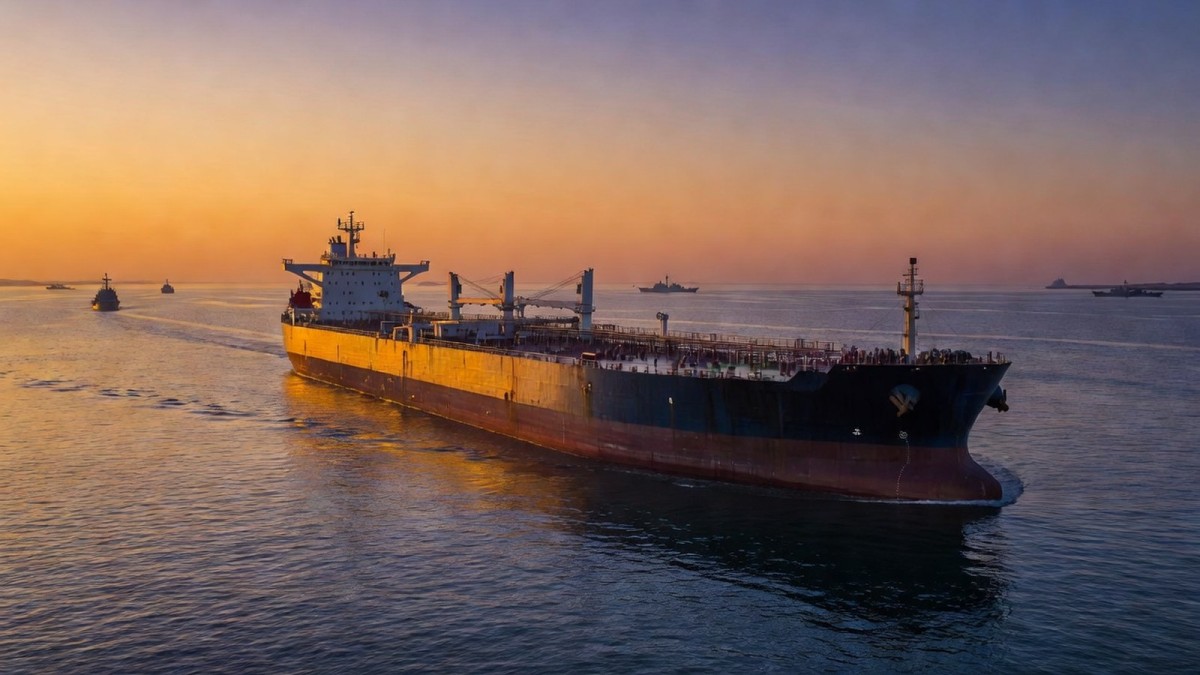
The reopening of the Strait of Hormuz — a chokepoint through which approximately 20% of global oil transits — represents a critical economic dimension. Gulf Cooperation Council states have faced repeated disruptions to shipping since February, with insurance premiums for tanker traffic spiking and energy markets pricing in a sustained risk premium. Saudi Arabia's Vision 2030 economic diversification plans have been complicated by the uncertainty, as foreign investment flows into the kingdom have slowed during the crisis.
Turkey, under President Recep Tayyip Erdogan, has maintained a careful balancing act, offering mediation services while maintaining its economic relationship with Tehran. Ankara's position has been complicated by its NATO obligations and its own energy needs, which include both Gulf and Iranian sources. Egypt and Jordan have also expressed concern about the regional security implications, particularly regarding stability in Iraq and Syria.
Energy Markets and Economic Calculations
The draft's sanctions relief and asset unfreezing provisions represent Iran's primary incentive — Tehran faces severe economic strain after months of war and sanctions, with inflation exceeding 50% and the rial trading at record lows against the US dollar. For Washington, the 60-day framework offers a test of whether Tehran will verifiably address enriched uranium stockpiles before any deeper commitments are made.
Oil markets have reacted cautiously to the news, with Brent crude settling around US$78 per barrel as traders price in a 60-70% probability of a signed agreement. The Gulf sovereign wealth funds — estimated at over US$3 trillion combined — have maintained diversified portfolios but face pressure to support reconstruction efforts if the deal proceeds. OPEC+ diplomacy, already complicated by Russian production quotas and internal disagreements, faces additional uncertainty as Iranian oil could return to global markets under any sanctions relief framework.
Prospects for a Lasting Resolution
If implemented, the limited MOU would buy time for disposal negotiations on enriched uranium while maintaining the April 8 ceasefire. However, analysts at Chatham House and the Carnegie Middle East Center caution that the agreement's narrow scope leaves core disputes unresolved: Iran's nuclear threshold status, its ballistic missile program, its network of regional proxies, and the fundamental question of whether any negotiated framework can survive the opposing strategic objectives of Washington and Tehran.
Israeli intelligence assessments reportedly diverge from US optimism, with Mossad assessments suggesting Iran may use the 60-day window to further conceal nuclear material rather than dismantle. The International Atomic Energy Agency (IAEA) has requested access to Iranian sites for verification, but Tehran has not yet granted permission for expanded inspections. The IAEA's ability to verify compliance will be a critical factor in determining whether the 60-day window leads to meaningful nuclear rollback or merely delays further confrontation.
The coming days will test whether Iranian statements about an imminent announcement align with US willingness to proceed. Any signed text would mark only the first step in a longer process whose success depends on verifiable compliance, sustained regional restraint, and the ability of both sides to manage their domestic political constituencies. For a region that has weathered three months of direct US-Iranian military conflict, even a limited MOU represents a fragile but meaningful step away from broader catastrophe.
By Malik Hassan, Staff Writer
This article was produced with AI-assisted research and editorial support. Reporting is based on sources cited in the article.
What's Your Reaction?
 Like
0
Like
0
 Dislike
0
Dislike
0
 Love
0
Love
0
 Funny
0
Funny
0
 Wow
0
Wow
0
 Sad
0
Sad
0
 Angry
0
Angry
0
Middle East Correspondent at Global1.News. Based in Beirut, covering politics, conflict, energy, and society across the Middle East. Brings context and depth to a region often reduced to headlines.













Comments (0)