
Brown University Study Documents Israeli Quadcopter Targeting of Children in Gaza
In a recent Middle East Eye report, the latest findings from a Brown University study reveal how Israeli quadcopter drones have been systematically deployed against civilians in Gaza, with medical evidence showing children as young as four years old struck by single shots to the head and chest.
In a recent Middle East Eye report, the latest findings from a Brown University study reveal how Israeli quadcopter drones have been systematically deployed against civilians in Gaza, with medical evidence showing children as young as four years old struck by single shots to the head and chest. The study, titled "Lethal Precision Without Accountability: Israeli Government 'Quadcopter' Use in Gaza," from the Costs of War Project, documents patterns of precision targeting that researchers argue have intensified rather than reduced civilian harm and raises urgent questions about accountability under international law.
Study Reveals Systematic Quadcopter Targeting of Children in Gaza
Gaza Strip — July 24, 2026 — The Costs of War Project at Brown University released the report titled "Lethal Precision Without Accountability: Israeli Government 'Quadcopter' Use in Gaza." Authors include Dr. Mimi Syed, an emergency medicine physician who worked in Gaza, Wes J. Bryant, a former Pentagon precision warfare chief, Charles O. Blaha, a former State Department official, and Stephanie Savell, director of the Costs of War Project. The document examines the use of small unmanned aerial vehicles by Israeli forces and their effects on the civilian population in the Gaza Strip.
Medical Evidence: Patterns of Targeting
Dr. Syed recorded 18 cases of children shot in the head or chest during August 2024 alone. The report presents radiological images and forensic sketches from five specific cases, showing single projectile wounds to the head, neck, chest, and abdomen. These injuries are described as consistent with the use of quadcopter drones equipped for precision firing. The medical details illustrate how such weapons can deliver targeted shots in densely populated urban areas where children move through streets and residential zones as part of daily routines.
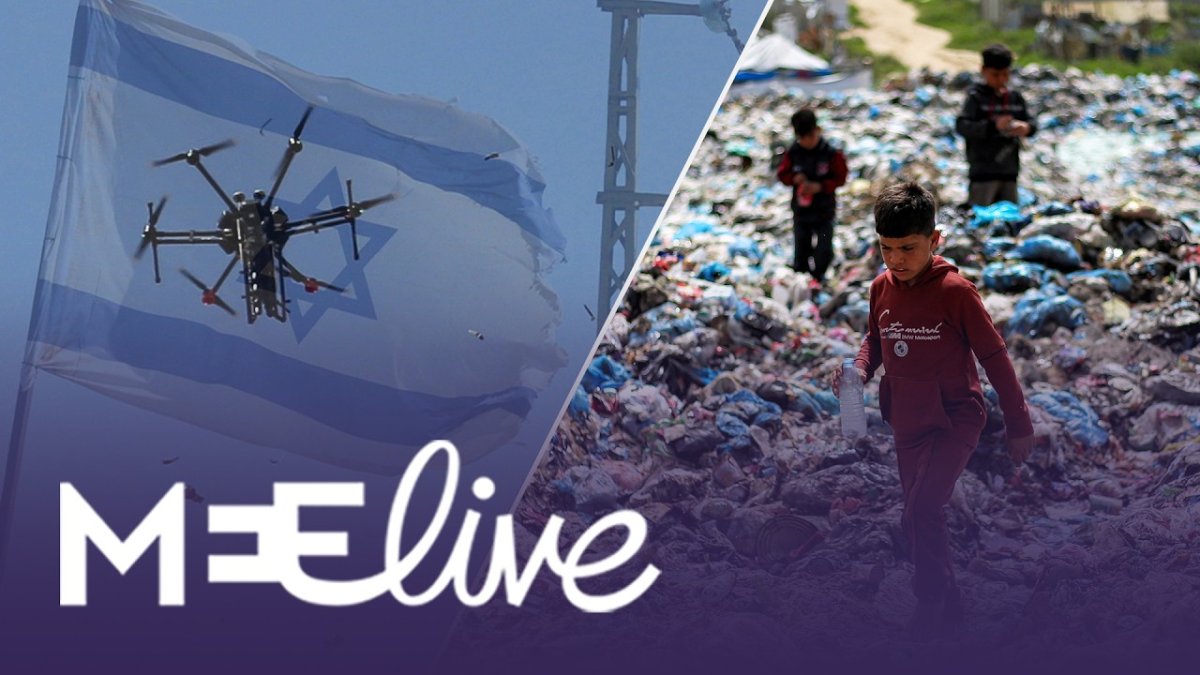
The Scale of Child Casualties in Gaza
The Save the Children estimate of more than 21,000 children killed in Gaza since October 2023 places this conflict among the deadliest for minors in recent history. Global trends from conflicts in Syria, Yemen, and Ukraine show child casualties typically range between 20-40 percent of total deaths, yet Gaza's figures suggest a higher proportion amid dense urban fighting and repeated strikes on residential areas. This scale underscores a humanitarian crisis where entire generations face erasure, with long-term demographic impacts on Palestinian society already evident in disrupted education and orphaned populations.
Gaza's healthcare system, already strained by years of blockade, has collapsed under the weight of mass casualties, with hospitals reporting shortages of pediatric specialists, incubators, and trauma care for surviving children. Families attempting to document deaths encounter insurmountable barriers, including destroyed civil registries, inaccessible morgues, and the constant threat of further bombardment that prevents proper identification or burial rites. These challenges compound grief, leaving many parents without official records to seek aid or justice.
The report places these figures alongside data from other conflicts, noting 791 children killed in Ukraine between February 2022 and May 2026. In Gaza, families face repeated displacement, limited access to medical care, and the destruction of schools and homes, which compounds the loss of young lives. Local communities have long relied on tight family networks and neighborhood support systems that are now strained by the scale of these casualties. Human stories emerge from the rubble: mothers searching rubble for remains, siblings separated in evacuation chaos, and communities mourning lost futures.
The Israeli Military's Response
The Israeli military has rejected the report's claims. Officials deny that forces deliberately target civilians or children. The response maintains that operations focus on military objectives and that any civilian harm results from the presence of armed groups in populated areas. This position has been stated in official communications without reference to the specific medical cases or drone footage examined in the Brown University document.
Precision Warfare Rhetoric vs Reality
The report argues that precision warfare rhetoric has not reduced civilian harm but intensified it. Quadcopters allow operators to fire from above with claimed accuracy, yet the documented injuries suggest that this technology can enable repeated single-shot engagements against individuals, including children. In Gaza's crowded conditions, where markets, schools, and homes stand close together, the distinction between combatant and civilian becomes difficult to maintain even with advanced sighting systems. The authors note that the promise of reduced collateral damage has instead coincided with higher numbers of child deaths.
Former Pentagon official Wes J. Bryant and former State Department official Charles O. Blaha lend significant credibility to these analyses, highlighting discrepancies between stated precision capabilities and observed outcomes. Their insights reveal how advanced systems, intended for targeted engagements, have resulted in widespread civilian harm when applied in densely populated zones without adequate safeguards.
Quadcopter technology, marketed globally as a tool to minimize collateral damage through real-time surveillance and precise munitions, has been deployed in Gaza in ways that contradict these claims, including persistent hovering over civilian areas leading to repeated strikes. This shift raises questions about operational doctrines prioritizing speed over verification, amplifying risks to non-combatants. Families report drones enabling surveillance that precedes devastating attacks on homes, leaving survivors to navigate loss amid shattered promises of surgical warfare.
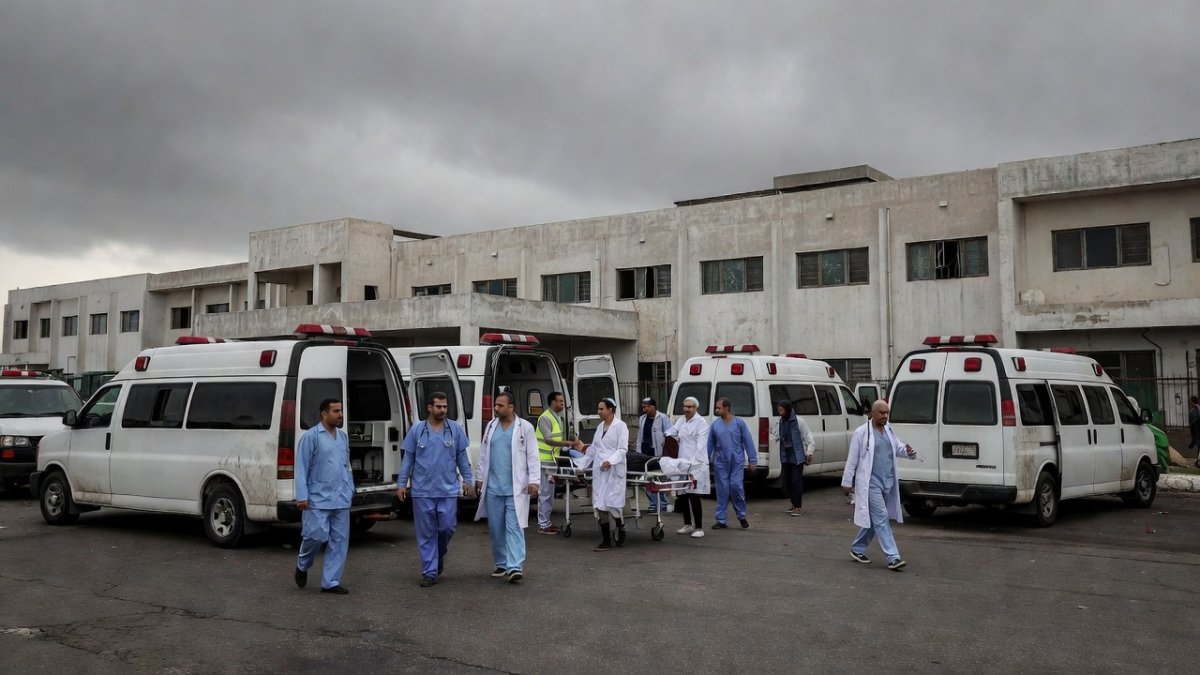
International Law and Accountability
International humanitarian law requires distinction between combatants and civilians, as well as proportionality in attacks. The report raises questions about whether quadcopter operations meet these standards when single shots repeatedly strike children in the head or chest. No independent mechanism currently exists to review the specific incidents detailed in the medical records. Palestinian families affected by these losses continue to seek avenues for documentation and redress through local and international channels, though access remains restricted.
ICC investigations into alleged war crimes in Gaza, ongoing since 2021 and expanded post-October 2023, highlight potential accountability pathways, yet face criticism for slow progress amid political pressures. UN officials, including the Secretary-General and Special Rapporteurs, have repeatedly called for adherence to international humanitarian law, emphasizing the need for independent probes into civilian targeting. The ICJ's role in the South Africa v. Israel case has brought provisional measures ordering prevention of genocidal acts, though enforcement remains elusive.
Under international humanitarian law, the principles of proportionality, ensuring that civilian harm does not outweigh military advantage, and distinction, separating combatants from non-combatants, are central yet contested in Gaza's context of high-density strikes. Palestinian families encounter profound barriers to justice, from restricted access to international courts to fears of reprisal and lack of legal representation in documenting incidents for potential prosecutions. These mechanisms, while symbolically vital, often fail to deliver timely redress, leaving bereaved families in limbo.
The Broader Context
Daily life in Gaza has long been shaped by blockade, repeated military operations, and restricted movement. Children attend school when possible, play in limited safe spaces, and help with household tasks amid economic hardship. The introduction of quadcopter drones adds a new layer to this environment, where surveillance and targeted fire can occur from above without ground presence.
This pattern of high child casualties and contested accountability signals a troubling evolution in modern warfare, where technological advances outpace ethical and legal frameworks designed to shield civilians. Future conflicts may see increased reliance on autonomous systems, potentially normalizing higher tolerance for collateral damage unless international norms are urgently reinforced through binding treaties and monitoring bodies.
Civilian protection mechanisms, including those under the Geneva Conventions, face existential tests as urban battlefields blur lines between military and residential spaces. Without robust accountability, the erosion of distinction and proportionality principles could embolden further violations, diminishing the protective value of international humanitarian law worldwide. The Costs of War Project places these developments within the wider history of the Israeli-Palestinian conflict, where civilian protection remains a central concern for communities on both sides. Strengthened mechanisms for justice and prevention are essential to safeguard human dignity amid evolving threats.
By Fatima Al-Rashid, Staff Writer
This article was produced with AI-assisted research and editorial support. Reporting is based on sources cited in the article.
What's Your Reaction?
 Like
0
Like
0
 Dislike
0
Dislike
0
 Love
0
Love
0
 Funny
0
Funny
0
 Wow
0
Wow
0
 Sad
0
Sad
0
 Angry
0
Angry
0
Gulf/MENA Correspondent at Global1.News. Based in Doha, covering Gulf politics, energy markets, diplomacy, and development across the Middle East and North Africa. Tracks the economic transformation of the Gulf states.















Comments (0)