
Oaxaca Journalist Francisco Leyva Assassinated in Mexico
In the quiet streets of San Pablo Etla, the sound of gunfire shattered more than just the morning calm—it silenced a voice that had long spoken for those without power. Francisco Alejandro Leyva Aguilar's assassination on that ordinary July 2026 day stands as a stark reminder of the deadly risks journalists face in Mexico, where truth-telling can cost everything.
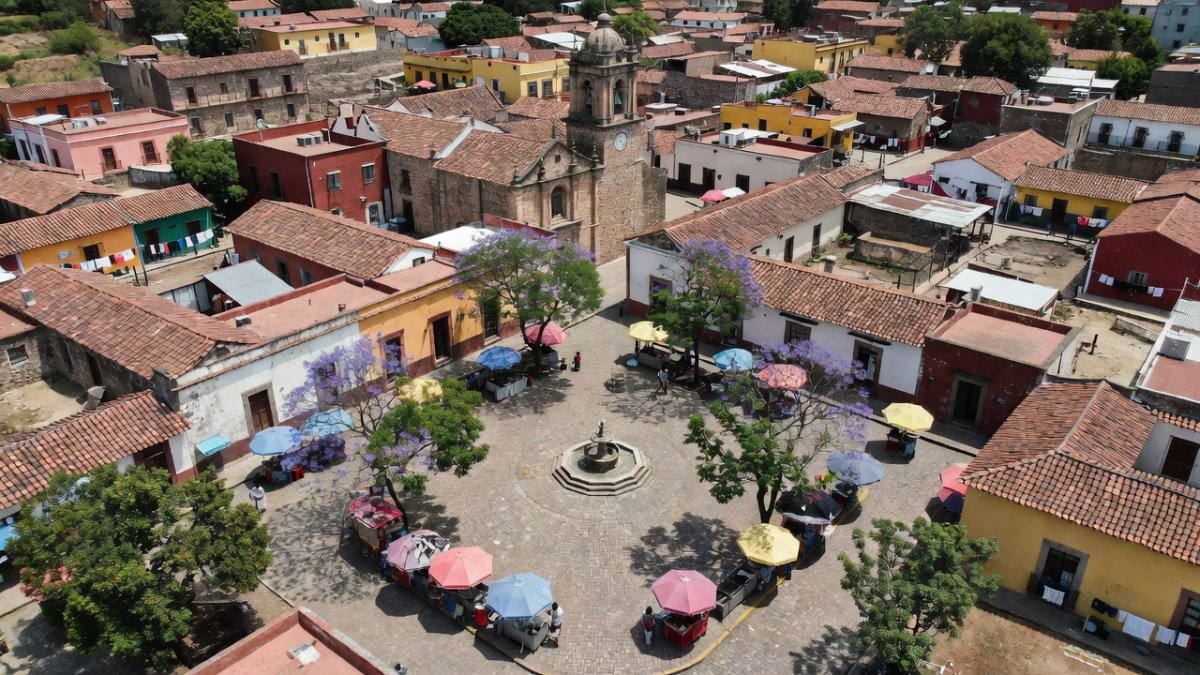
The Brutal Killing That Shook San Pablo Etla
On a quiet Wednesday morning in July 2026, Francisco Alejandro Leyva Aguilar sat enjoying breakfast at a street food stand in San Pablo Etla, just outside Oaxaca City. The 60-year-old veteran journalist never finished his meal. Two assailants on a motorcycle pulled up and opened fire, leaving him with multiple gunshot wounds that proved fatal. Neighbors who witnessed the attack described scenes of panic as the gunmen sped away, turning an ordinary community gathering spot into a site of profound loss.
This assassination did not happen in isolation. It struck at the heart of a region where journalists often serve as the only voice for rural families facing land disputes, corruption, and neglect. Leyva's death immediately rippled through local markets and family kitchens, where people who once read his columns over morning coffee now wonder who will hold power accountable next.
Community members in San Pablo Etla gathered in small groups afterward, lighting candles and sharing stories of how Leyva's reporting had exposed issues affecting their daily lives, from water rights to local government mismanagement. The warmth of these gatherings reflects the deep Mexican value placed on collective memory and solidarity in times of grief.
A Career Rooted in Service to Oaxaca
Francisco Alejandro Leyva Aguilar had spent nearly three decades chronicling the political and social landscape of Oaxaca. He previously directed the state's public radio and television network, known as Cortv, where he worked to bring regional stories to wider audiences. Colleagues remember him as a steady presence who mentored younger reporters and insisted on covering stories that mattered to ordinary families rather than just political elites.
His columns often blended sharp analysis with a deep affection for Oaxaca's indigenous traditions and community resilience. Leyva wrote in a style that felt like a conversation with neighbors, using his platform to highlight everything from cultural festivals to the struggles of market vendors. This approach earned him respect across generations in a state where journalism remains a vital thread in the social fabric.
Even after stepping away from Cortv, Leyva continued writing independently, maintaining the same commitment to truth-telling that defined his earlier career. His work embodied the Mexican journalistic tradition of serving as a bridge between government actions and the people they affect most directly.
Threats, Criticism, and a Final Column
Leyva had long been a vocal critic of Oaxaca Governor Salomón Jara Cruz and the Morena party administration. In his last published column, he directly addressed the corruption he saw in state government while openly discussing the death threats he had received. Those threats dated back to 2025, when he filed formal complaints with authorities, yet little protective action followed.
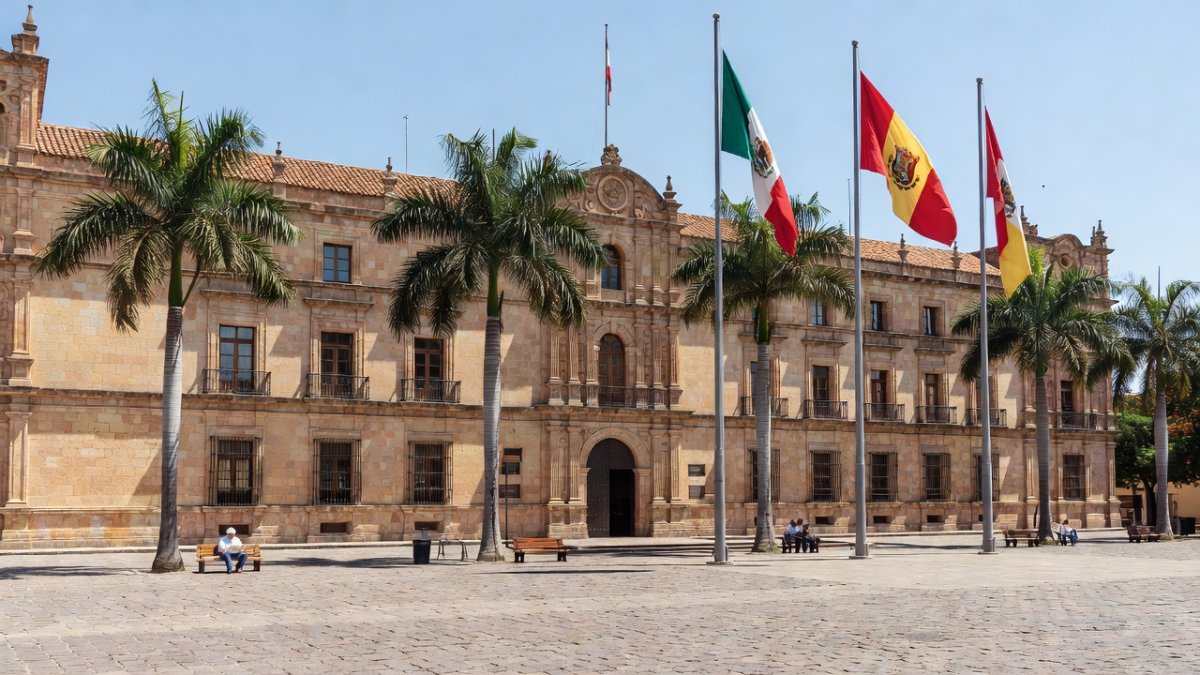
Friends and family say Leyva refused to be silenced, viewing his role as essential to Oaxaca's democratic health. He continued reporting despite the risks, a choice many journalists in Mexico make daily out of dedication to their communities. His final words in print served as both a warning and a testament to his courage.
The pattern of threats against outspoken reporters like Leyva highlights a broader cultural tension in Mexico, where speaking truth to power can carry heavy personal costs. Yet Leyva's persistence inspired others to keep writing, reinforcing the communal belief that information belongs to the people.
Mexico's Journalist Protection Mechanism: A System in Crisis
Created in 2012 as a federal response to rising attacks on the press, Mexico's Mecanismo de Protección para Personas Defensoras de Derechos Humanos y Periodistas was meant to offer real safeguards through risk assessments, bodyguards, and emergency relocation. Yet more than a decade later, the program remains chronically underfunded and poorly coordinated, with many journalists killed while already enrolled in its protections. Families across Oaxaca and beyond have watched as bureaucratic delays turn urgent requests into fatal waiting periods, leaving reporters exposed in the very states where danger runs highest.
Critics, including Article 19 and local press groups, point to a lack of political will that has turned the mechanism into little more than a symbolic gesture. In Leyva's case, repeated complaints about threats yielded no meaningful intervention, a story repeated too often in a country where over 150 journalists have been murdered since 2000. This failure cuts deep in Mexican communities that rely on independent voices to navigate daily life, reminding families that even official promises of safety can ring hollow when resources and resolve fall short.
Oaxaca Compared to Other States
Oaxaca stands among Mexico's most perilous states for journalists, rivaling Veracruz and Guerrero in its grim tally of unsolved killings and intimidation. While Veracruz has long held the darkest record with dozens of media workers slain, Oaxaca's combination of rural isolation, indigenous land conflicts, and entrenched political interests creates a uniquely hostile environment where local reporters operate with little backup. Data from Reporters Without Borders shows Oaxaca accounting for a disproportionate share of recent attacks, even as states like Mexico City offer marginally better institutional support through quicker federal coordination.
This regional disparity leaves small-town journalists in places like San Pablo Etla feeling especially vulnerable, knowing that their counterparts in less volatile areas might receive faster responses to threats. The comparison underscores how geography and local power structures amplify risks, turning what should be a national protection standard into a patchwork of uneven safety that fails entire communities.
Mexico's Deepening Crisis of Impunity
Leyva's murder marks the seventh journalist killed in Mexico during 2026, according to Reporters Without Borders and Article 19. It is the fourth such killing since June and the second in less than a week, painting a grim picture of escalating violence. Oaxaca ranks among the country's most dangerous states for media workers, where the 98 percent impunity rate for journalist murders leaves families without justice or closure.
The Federal Attorney General's Office, known as the FGR, has assumed control of the investigation from state prosecutors. While this federal involvement offers some hope, critics note that past cases have stalled despite similar handovers. Article 19 has called for the probe to incorporate a freedom-of-expression lens, emphasizing how these attacks silence entire communities.
The FGR takeover signals a federal acknowledgment that state-level authorities often lack the capacity or independence to pursue these cases effectively, especially when political figures like Governor Jara Cruz face direct criticism from the victims. Yet this shift also highlights ongoing tensions between federal and state responses, where handovers can delay momentum and allow evidence to grow cold. Families in Oaxaca watch with cautious optimism, knowing that without sustained federal pressure, the pattern of impunity will persist.
Mexico's federal Protection Mechanism for Journalists, intended to safeguard at-risk reporters, faces widespread criticism for slow responses and inadequate resources. Families across the country watch these developments with heavy hearts, knowing that without real reform, the cycle of violence will continue to claim voices that defend the public interest.
How This Loss Touches Ordinary Mexican Families
When a journalist like Leyva falls, the impact extends far beyond newsrooms into kitchens, plazas, and family conversations nationwide. Parents in Oaxaca now hesitate to discuss local issues openly with their children, fearing that honest dialogue could invite danger. Rural communities lose a trusted source of information that once helped them navigate government programs and expose wrongdoing.
Journalists in other states feel the chill as well, with many reconsidering assignments that might draw threats. Yet this tragedy has also sparked renewed solidarity, as colleagues organize vigils and share Leyva's columns to keep his message alive. The Mexican spirit of resilience shines through these acts of remembrance and mutual support.
In small towns across Oaxaca, the silence left by Leyva's absence means families must piece together news from less reliable sources, eroding trust in public institutions and leaving everyday struggles—from water shortages to missing persons—without a champion. Press freedom forms a cornerstone of any healthy democracy, and each silenced voice weakens the collective ability to demand accountability. Leyva's death reminds families everywhere that when journalists cannot work safely, the stories of everyday struggles—from rising prices to missing services—go untold.
The 2026 Election Cycle and Political Violence
As Mexico approaches key 2026 electoral contests, the killing of outspoken journalists like Leyva intersects dangerously with rising political violence, where critical reporting on candidates and parties can mark reporters as targets. Oaxaca's tense local races amplify these risks, as campaigns stir old land disputes and corruption allegations that Leyva had long covered. This climate forces journalists in small communities to weigh their duty against personal safety, knowing that election seasons often bring spikes in threats.
The pattern echoes broader national concerns, where press freedom suffers amid polarized politics and the need for independent scrutiny grows more urgent. Families in affected regions feel this pressure most acutely, as the loss of voices like Leyva's leaves them less informed during moments when democratic choices matter most.
International Outcry and Calls for Action
Global organizations responded swiftly to Leyva's murder, with the Committee to Protect Journalists condemning the attack as a direct assault on Mexico's democratic fabric and urging immediate federal action. Reporters Without Borders highlighted the case as emblematic of the country's press freedom crisis, calling for thorough investigations that address the root causes of impunity. UNESCO issued a statement expressing deep concern over the escalating killings, emphasizing that the safety of journalists remains essential to sustainable development and informed societies.
These international voices add pressure on Mexican authorities, reminding communities that the world watches as families grieve and demand justice. Yet without concrete follow-through, such statements risk becoming routine echoes in a cycle that continues to claim lives.
Calls for Real Protection and Accountability
Governor Salomón Jara Cruz publicly condemned the killing and offered condolences to Leyva's family, echoing statements from federal officials. However, advocacy groups stress that words must translate into concrete improvements to the Protection Mechanism and faster investigations by the FGR. Without these steps, Mexico risks further erosion of its democratic foundations.
Article 19 and other organizations continue pushing for systemic change, including better coordination between federal and state authorities. Community leaders in Oaxaca emphasize that protecting journalists means protecting the right of families to know the truth about their government and society.
As Mexico grapples with this latest loss, the memory of Francisco Alejandro Leyva Aguilar stands as a call to strengthen the institutions meant to defend press freedom. His life and work remind us that journalism rooted in community serves as a vital force for justice and connection across the nation.
What to Watch For
In the months ahead, attention will turn to whether the FGR delivers a transparent investigation that names not only the gunmen but any intellectual authors behind the attack. Observers will also monitor if the Protection Mechanism receives meaningful funding increases and faster response protocols, alongside real coordination with state governments. For families in Oaxaca and beyond, the true test lies in whether Leyva's death sparks lasting reforms that allow journalists to report without fear, preserving the communal right to information that strengthens Mexico's democracy.
By Rosa Martinez, Staff WriterThis article was produced with AI-assisted research and editorial support. Reporting is based on sources cited in the article.
What's Your Reaction?
 Like
0
Like
0
 Dislike
0
Dislike
0
 Love
0
Love
0
 Funny
0
Funny
0
 Wow
0
Wow
0
 Sad
0
Sad
0
 Angry
0
Angry
0
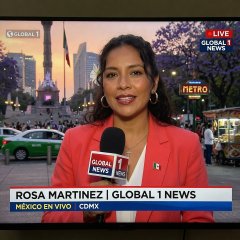
Latin America/Andes Correspondent at Global1.News. Based in Bogota, covering politics, environment, energy, and social movements across the Andean region. Passionate about environmental journalism and communities protecting their land.










Comments (0)