
UN Warns Israeli Raid Led by Minister on Al Aqsa Mosque 'Very Dangerous' for Status Quo
The UN, via Stephane Dujarric, warned that Itamar Ben-Gvir's raid with extremist groups on Al-Aqsa threatens the Jerusalem holy sites status quo. Turkiye condemned it strongly. Historical context on Al-Aqsa and status quo included. Grounded in source facts with relative timing.
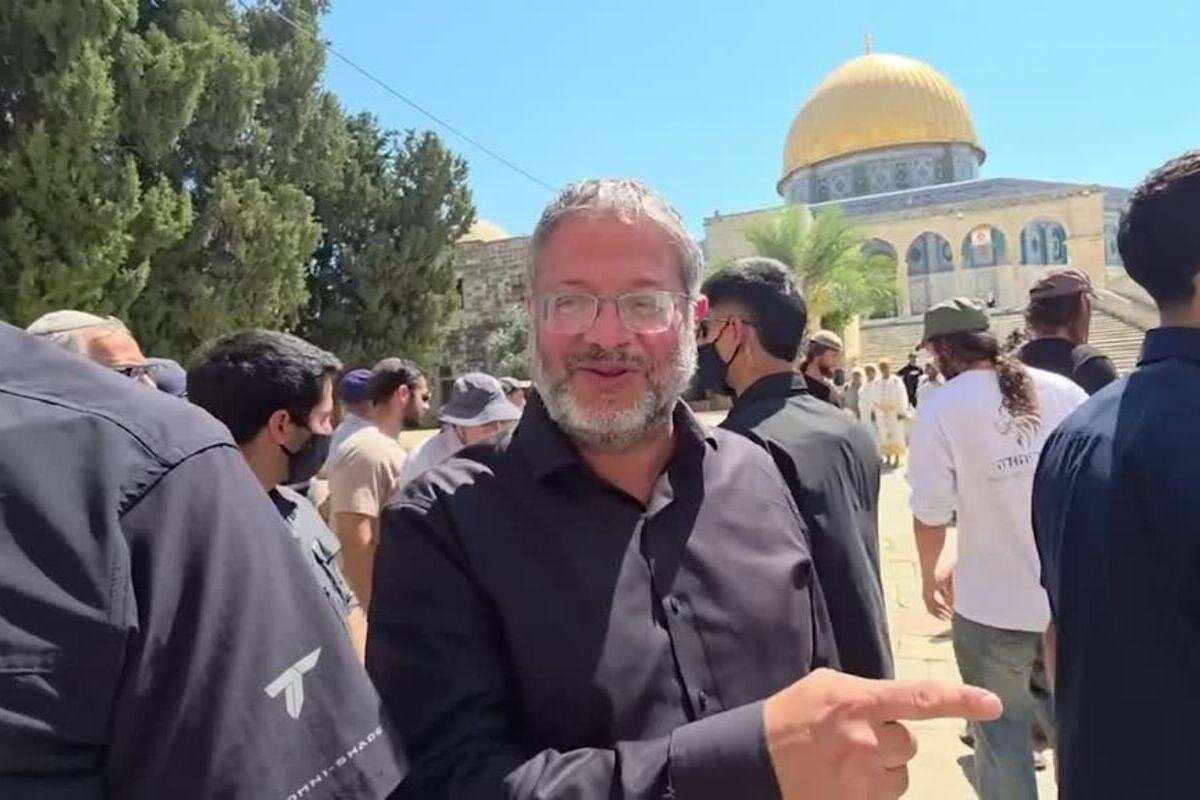
UN Issues Stark Warning on Al-Aqsa Raid
The United Nations has described a recent raid on the Al-Aqsa Mosque compound in occupied East Jerusalem as very dangerous for the long-standing status quo at the holy sites. Spokesperson Stephane Dujarric emphasized that the status quo covering Judaism, Christianity, and Islam must be respected by Israeli authorities to allow faithful of all religions to access their sites freely.
Historical Significance of Al-Aqsa Mosque
Al-Aqsa Mosque stands as one of the holiest sites in Islam, revered for its spiritual and historical importance to Muslims worldwide. For generations, it has served as a place of worship and reflection, symbolizing resilience amid occupation. Its location in occupied East Jerusalem ties it deeply to Palestinian identity and the broader quest for justice in the region.
Al-Aqsa Mosque was constructed during the Umayyad period in the early eighth century as part of the broader development of Islamic architecture in Jerusalem. It ranks as the third holiest site in Islam after the mosques in Mecca and Medina, drawing pilgrims who seek to pray at this location tied to early Islamic history.
Adjacent to the mosque stands the Dome of the Rock, forming part of the same compound revered by Muslims. Islamic tradition holds that the Prophet Muhammad undertook the Night Journey, known as Isra and Mi'raj, from this site, ascending to heaven after traveling from Mecca.
Over centuries the compound has become a central symbol of Palestinian national identity, reflecting both religious devotion and the enduring connection of local communities to the land under successive administrations.
Understanding the Status Quo Agreements
The status quo at Jerusalem's holy sites has long governed access and conduct to maintain peace among different faiths. Stephane Dujarric noted that this arrangement requires respect from all parties, particularly Israeli authorities, to ensure believers can engage with their sacred places without interference or provocation.
The status quo arrangement at the holy sites was established following the 1967 war to regulate access and prevent clashes among religious groups. Jordan retained its role as custodian of Islamic holy sites through the 1994 peace treaty with Israel, providing a framework for oversight.
The Islamic Waqf has handled daily management of the compound, maintaining its character as a place of Muslim worship. Earlier challenges to these arrangements, such as Ariel Sharon's visit to the site in 2000, led to widespread escalations and prolonged unrest across the region.
Details of the Raid Involving Itamar Ben-Gvir
Israeli far-right National Security Minister Itamar Ben-Gvir joined thousands of extremist Jews in the raid on the Al-Aqsa Mosque compound. This action, carried out with extremist groups, has drawn immediate international attention for threatening the delicate balance at the site.
Itamar Ben-Gvir emerged from the ideological tradition of Rabbi Meir Kahane's banned Kach movement before entering the Knesset and later becoming national security minister. His previous visits to the Al-Aqsa compound were widely viewed as deliberate provocations.
Through his Otzma Yehudit party, Ben-Gvir has advocated altering the existing status quo to permit Jewish prayer at the site, a position that directly conflicts with long-standing agreements governing the compound.
Turkish Condemnation and Broader International Response
Turkiye condemned the raid in the strongest terms, aligning with the UN's concerns. The international community, through voices like Stephane Dujarric, has stressed the need for Israeli authorities to uphold the status quo and protect the rights of all religious communities to worship freely.
Palestinian Voices and Human Impact
Palestinians view such raids as direct assaults on their religious freedoms and cultural heritage. The involvement of a high-ranking minister like Itamar Ben-Gvir amplifies fears that these actions erode the protections meant to safeguard shared holy spaces, leaving communities feeling vulnerable and marginalized.
Analysis of Risks to Peace and Religious Freedom
This incident highlights ongoing tensions around the status quo, where provocative actions can escalate divisions. By joining extremist groups in the raid, Itamar Ben-Gvir's participation raises questions about official commitment to preserving access for all faiths. Human rights advocates urge restraint to prevent further harm to interfaith harmony in Jerusalem.
Raids on Al-Aqsa have repeatedly acted as flashpoints that ignite wider violence throughout the occupied territories, linking tensions at the holy sites to broader patterns of conflict. Such incidents often draw responses from the international community, including statements from the UN Security Council and the Arab League, aimed at restoring calm and upholding established arrangements for religious access.
Calls for Respect and Future Outlook
Stephane Dujarric's statements serve as a reminder that respecting the status quo is essential for stability. As Turkiye and the UN voice their positions, the focus remains on ensuring that the faithful can continue their practices without fear, fostering a path toward greater understanding and protection of sacred sites.
By Fatima Al-Rashid, Staff Writer SUMMARY: The UN, via Stephane Dujarric, warned that Itamar Ben-Gvir's raid with extremist groups on Al-Aqsa threatens the Jerusalem holy sites status quo. Turkiye condemned it strongly. Historical context on Al-Aqsa and status quo included. Grounded in source facts with relative timing.This article was produced with AI-assisted research and editorial support. Reporting is based on sources cited in the article.
What's Your Reaction?
 Like
0
Like
0
 Dislike
0
Dislike
0
 Love
0
Love
0
 Funny
0
Funny
0
 Wow
0
Wow
0
 Sad
0
Sad
0
 Angry
0
Angry
0
Gulf/MENA Correspondent at Global1.News. Based in Doha, covering Gulf politics, energy markets, diplomacy, and development across the Middle East and North Africa. Tracks the economic transformation of the Gulf states.












Comments (0)