
US Airstrike Kills Tren de Aragua Leader in Bolivar State Environmental Toll of Illegal Gold Mining
The US Strike and Guerrero's Death - Details of the Operation In recent days, the United States carried out an airstrike that killed the leader of the Venezuelan gang Tren de Aragua in Venezuela's Bolívar state. President Donald Trump announced that at his direction the United States Southern Command delivered a swift and lethal kinetic strike to successfully execute Niño Guerr
The US Strike and Guerrero's Death - Details of the Operation
In recent days, the United States carried out an airstrike that killed the leader of the Venezuelan gang Tren de Aragua in Venezuela's Bolívar state. President Donald Trump announced that at his direction the United States Southern Command delivered a swift and lethal kinetic strike to successfully execute Niño Guerrero. The action targeted a compound associated with the gang and was coordinated closely with Venezuelan authorities.
Venezuelan officials described the event as a combined operation against organised crime in Bolívar state. Defence Secretary Pete Hegseth confirmed the location of the strike on a Tren de Aragua compound. Footage of the airstrike was shared publicly as part of the announcement.
This operation marks a significant development in efforts against the gang's activities. Venezuelan authorities confirmed their involvement in what they described as a joint operation. The strike occurred amid ongoing collaboration between the two countries on security matters.
The death of the longtime leader removes a central figure from the organisation's command structure. Reports indicate that the military action was executed with precision in the remote mining region of Bolívar state. Such operations highlight the transnational nature of responses to criminal networks operating across borders.
Tren de Aragua's Gold Mining Empire in Bolívar State - The Scale of Operations
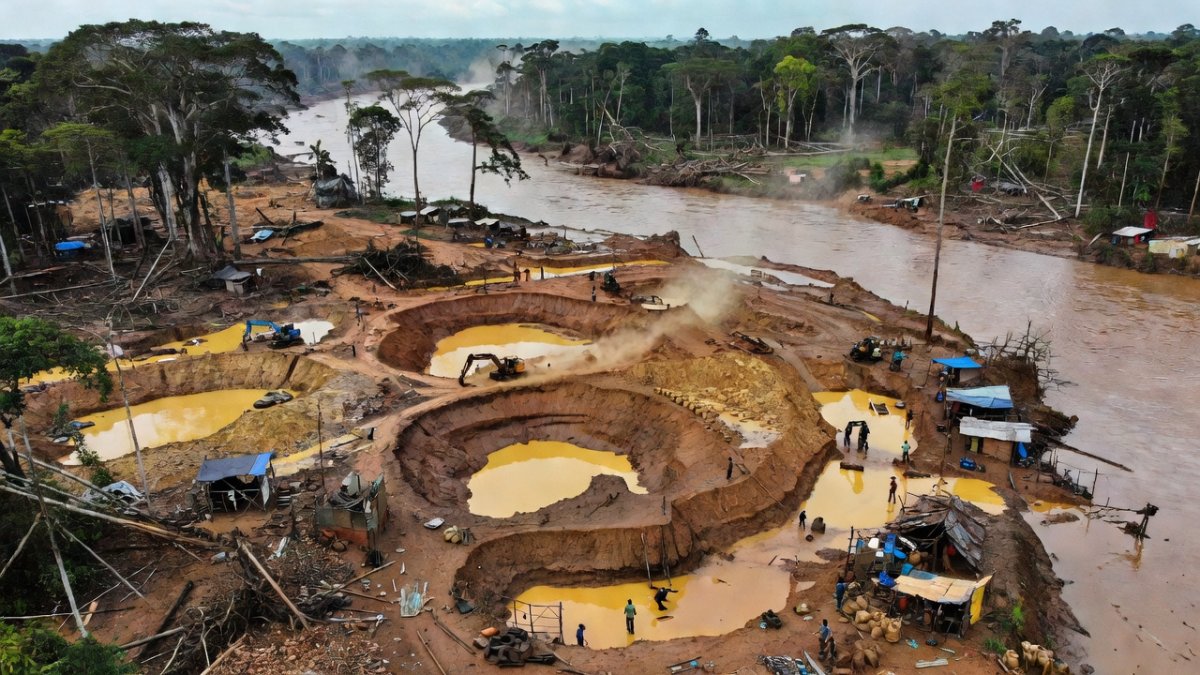
Under the leadership of Niño Guerrero, Tren de Aragua seized control of gold mines in Bolívar state. These operations formed a key part of the gang's economic activities alongside drug corridors on the Caribbean coast and clandestine border crossings. The gang established dominance over these sites during Venezuela's humanitarian and economic emergency that began in 2014.
The scale of the mining empire allowed the group to generate substantial revenue through illegal extraction. Bolívar state became a central hub for these activities, with the gang maintaining control over multiple sites. This control extended to the movement of extracted resources through hidden routes.
Illegal gold mining in Bolívar state has caused widespread deforestation and mercury contamination of rivers in the Amazon basin region. The gang's operations integrated these environmental impacts into their broader criminal portfolio. Expansion from the original prison base enabled this diversification into resource extraction.
The mines provided both financial resources and territorial influence within Venezuela. Gang members formed alliances that secured their hold on these areas. This empire in Bolívar state represented a shift toward resource-based criminal enterprises.
Environmental Destruction - Deforestation, Mercury Contamination in the Amazon
Illegal gold mining operations run by Tren de Aragua in Bolívar state have led to extensive deforestation across the Amazon basin region. Forests have been cleared to access mineral deposits, disrupting ecosystems that span multiple countries. This destruction contributes to broader patterns of habitat loss in Latin America.
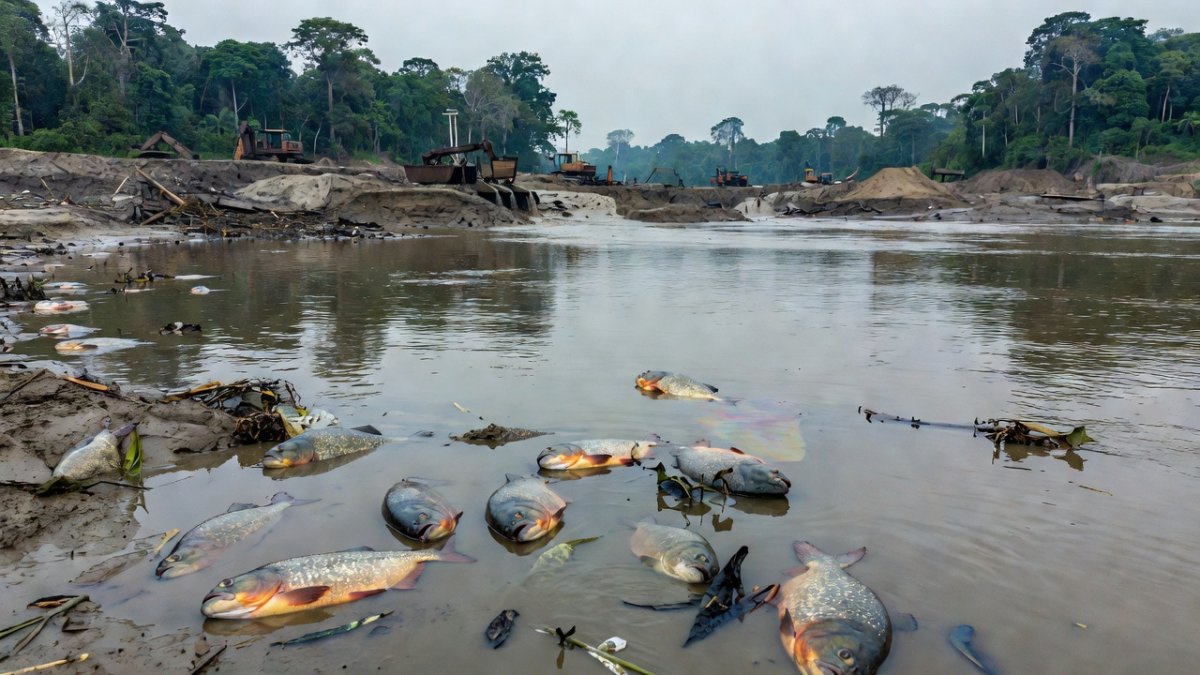
Mercury used in the gold extraction process has contaminated rivers flowing through the Amazon basin. The pollution spreads downstream, affecting water quality over large distances. Such contamination from mining activities poses long-term risks to the environmental balance of the region.
The gang's control of these mines has accelerated the pace of environmental damage. Operations in Bolívar state tie directly into the wider issue of unregulated extraction that threatens the Amazon's integrity. Deforestation and chemical pollution together create compounding effects on the landscape.
These activities mirror other illegal mining efforts across Latin American territories. The resulting damage extends beyond immediate sites to influence regional climate patterns and biodiversity. Continued operations under gang control have sustained this cycle of destruction.
Impact on Indigenous Communities and Rivers
Indigenous territories in the Amazon basin region have faced direct consequences from the mercury contamination caused by Tren de Aragua's gold mining in Bolívar state. Rivers that serve as vital resources for these communities carry pollutants that disrupt traditional ways of life. The spread of contamination affects fishing and water access essential to daily survival.
Deforestation linked to the gang's operations has encroached on lands historically occupied by Indigenous groups. Clearing of forests for mining removes protective cover and alters the natural environment around settlements. This intrusion compounds pressures already present from other extractive activities in the area.
The pollution of rivers in the Amazon basin region threatens the health of ecosystems that Indigenous communities depend upon. Mercury accumulation in fish and water sources creates ongoing hazards that persist beyond the immediate mining sites. Such impacts highlight the intersection of criminal mining and environmental justice concerns.
Communities in affected zones experience the ripple effects of these operations through degraded natural resources. The gang's presence in Bolívar state has intensified challenges to preserving Indigenous territories amid expanding illegal extraction.
The Gang's Transformation from Prison Gang to Transnational Criminal Organization
Tren de Aragua originated as a prison gang centered on the Tocorón Prison in northern Venezuela. Under Niño Guerrero's leadership, the group transformed the facility into a leisure complex featuring a zoo, restaurants, nightclub, betting shop and swimming pool. This evolution demonstrated the gang's growing organisational capacity.
The gang expanded beyond prison walls during Venezuela's humanitarian and economic emergency that began in 2014. It diversified from extorting migrants into activities including sex-trafficking, contract killing and kidnapping. This shift marked a move toward more complex criminal enterprises.
Control of gold mines in Bolívar state became central to the organisation's growth. The illegal operations provided revenue streams that supported further expansion. Environmental damage from these mines formed an unintended but significant byproduct of this transformation.
The original prison base served as a foundation for building networks that extended across borders. Guerrero's escape following a 2023 military raid on the jail allowed the group to continue its development into a transnational entity.
Regional Spread Across Latin America (Ecuador, Colombia, Peru, Chile)
Under Niño Guerrero's direction, Tren de Aragua expanded into Colombia, Ecuador, Peru and Chile. The gang formed alliances with local criminal organisations to establish footholds in these countries. In Ecuador, it works with groups affiliated with Mexico's Sinaloa cartel, while in Colombia it collaborates with the ELN.
This regional spread allowed the gang to control additional drug corridors and border crossings beyond Venezuela. The move out of Venezuela coincided with the country's humanitarian and economic emergency starting in 2014. Nodes of the organisation now exist in eight other countries including the United States.
The expansion incorporated illegal gold mining profits from Bolívar state into a wider network of activities. Environmental destruction tied to these mines in Venezuela thus connects to transnational criminal flows across Latin America. Alliances facilitated the movement of resources and personnel.
The gang's presence in multiple nations has created interconnected operations that leverage local partnerships. This structure supports continued involvement in resource extraction and other crimes throughout the region.
Political Context - US-Venezuela Relations Under Rodríguez, Maduro's Arrest
Earlier this year, American forces seized then-Venezuelan President Nicolás Maduro to face criminal charges in New York. The US accused him of collaborating with Tren de Aragua, and the indictment named Niño Guerrero as a co-conspirator. This event shifted the political landscape in Venezuela.
Since Maduro's removal, the US has sought to tighten ties with his successor, Delcy Rodríguez. Sanctions have been lifted as part of efforts to collaborate on extraction of Venezuela's oil reserves. These developments occurred alongside security cooperation against the gang.
The recent airstrike in Bolívar state was coordinated closely with Venezuelan authorities under the new leadership. This joint operation reflects evolving relations between the two countries. The focus on organised crime in the region aligns with broader diplomatic adjustments.
Political changes have influenced responses to the gang's activities, including its gold mining operations. Collaboration on security matters now intersects with discussions around resource management in areas like Bolívar state.
What This Means for Environmental Justice in the Amazon
The death of Niño Guerrero raises questions about the future of illegal gold mining in Bolívar state and its effects on the Amazon basin region. Removal of the gang's leader could disrupt operations that have driven deforestation and mercury contamination. Such changes might offer opportunities to address environmental damage in affected zones.
Indigenous territories impacted by river pollution stand to benefit from any reduction in mining activities. The gang's control previously sustained practices that harmed ecosystems across borders. Environmental justice efforts in Latin America often center on halting similar extractive crimes.
Broader regional dynamics, including alliances in Ecuador and Colombia, suggest that environmental challenges extend beyond a single location. Continued attention to these networks could support protection of Amazon resources. The strike highlights connections between security actions and ecological outcomes.
Ultimately, addressing the legacy of Tren de Aragua's mining empire requires sustained focus on restoring contaminated rivers and forests. This case illustrates how criminal control of resources intersects with the need for stronger safeguards in the Amazon basin region.
By Elena Vasquez, Staff WriterThis article was produced with AI-assisted research and editorial support. Reporting is based on sources cited in the article.
What's Your Reaction?
 Like
0
Like
0
 Dislike
0
Dislike
0
 Love
0
Love
0
 Funny
0
Funny
0
 Wow
0
Wow
0
 Sad
0
Sad
0
 Angry
0
Angry
0

Latin America Correspondent at Global1.News. Based in Mexico City, covering politics, economics, energy, and culture across the region. Brings an on-the-ground perspective to stories spanning from the Rio Grande to Patagonia.














Comments (0)