
Meta claims Israeli spyware firm NSO Group failed to complain, demands further pressure by US gov't
Meta Levels New Claims Over Alleged Phishing by NSO Group Meta has accused the Herzliya-based Israeli firm NSO Group of operating a phishing campaign designed to direct users toward malicious websites. The company stated that NSO Group did not reply to prior complaints about the activity and called on the US government to increase pressure on the surveillance technology develop
Meta Levels New Claims Over Alleged Phishing by NSO Group
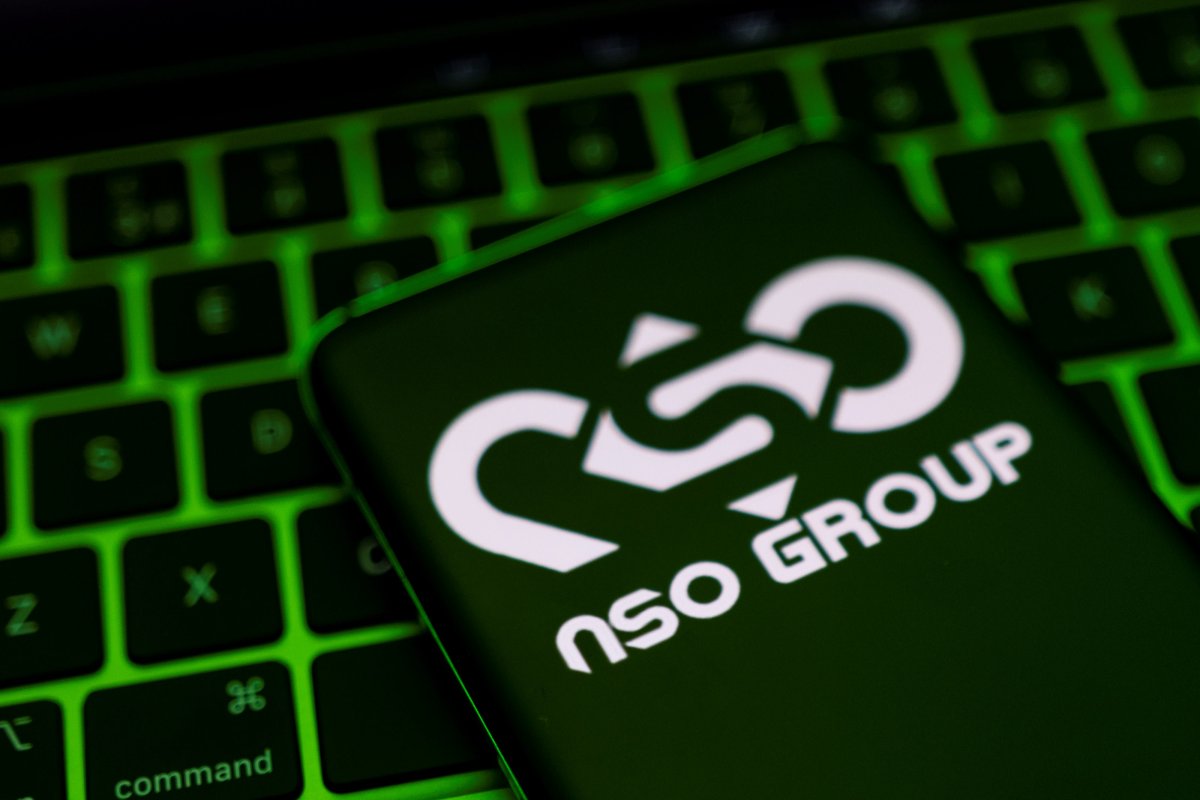
Meta has accused the Herzliya-based Israeli firm NSO Group of operating a phishing campaign designed to direct users toward malicious websites. The company stated that NSO Group did not reply to prior complaints about the activity and called on the US government to increase pressure on the surveillance technology developer.
According to the report published on June 8, 2026, Meta described the effort as an attempt to compromise user accounts through deceptive links. The social media giant framed its latest move as part of ongoing efforts to protect its platforms from external interference.
History of Disputes Between Meta and NSO Group
Meta, operating at the time as Facebook, initiated legal action against NSO Group in 2019. The suit alleged that the Israeli company exploited WhatsApp to install spyware on targeted devices. That case centered on claims that NSO Group used the messaging service as a vector for its Pegasus system.
Apple later filed its own lawsuit against NSO Group, focusing on the FORCEDENTRY exploit used to access iPhones. These cases have kept the Herzliya firm under sustained legal and regulatory examination in the United States.
NSO Group Position on Its Technology and Operations
NSO Group has consistently stated that its products serve counterterrorism and law enforcement purposes only. The company maintains its headquarters in Herzliya and markets its tools to government agencies for investigations into serious crimes.
Israeli officials have noted that NSO Group operates under export controls and licensing requirements set by the Defense Ministry. The firm has faced repeated questions from human rights organizations regarding the end use of its spyware in various countries.
US Commerce Department Actions and Ongoing Pressure
The US Commerce Department placed NSO Group on its blacklist in 2021, citing concerns over surveillance practices. Meta's latest statement urges additional steps by Washington to address the reported phishing activity.
US officials have not yet issued a public response to the specific demands contained in Meta's recent filing. The blacklisting remains in place and continues to restrict certain business dealings involving the Israeli company.
Impact on Israel's Technology Sector and Regional Security Role
Israel's cybersecurity industry has grown into a significant exporter of defensive and intelligence tools, with Herzliya serving as a central hub for many firms. NSO Group's Pegasus system has been referenced in discussions about monitoring threats from groups such as Hamas in Gaza and other actors in the region.
Israeli policymakers often highlight the dual-use nature of such technologies, balancing commercial interests with national security needs. Scrutiny from US regulators can affect licensing decisions and partnerships between Israeli companies and American platforms.
Broader Diplomatic and Human Rights Dimensions
Relations between Israel and the United States include close cooperation on intelligence matters, yet commercial disputes involving surveillance tools occasionally create friction. Meta's call for further US action arrives amid continued international debate over the regulation of spyware exports.
Organizations monitoring digital rights have documented cases where Pegasus was allegedly deployed against journalists and activists in the Middle East and beyond. NSO Group maintains that any misuse falls outside its contractual agreements with client governments.
The current exchange between Meta and NSO Group underscores the intersection of private sector platform security and state-linked cyber capabilities. Both companies operate within frameworks shaped by Israeli export policy and US regulatory oversight.
By Hannah Berg, Staff WriterThis article was produced with AI-assisted research and editorial support. Reporting is based on sources cited in the article.
What's Your Reaction?
 Like
0
Like
0
 Dislike
0
Dislike
0
 Love
0
Love
0
 Funny
0
Funny
0
 Wow
0
Wow
0
 Sad
0
Sad
0
 Angry
0
Angry
0

Israel Correspondent at Global1.News. Based in Tel Aviv, covering Israeli politics, security, technology, and society. Provides balanced, deeply-sourced reporting on one of the most closely-watched regions in the world.















Comments (0)