
UN and Palestinian Feminist Collective Detail Israel's Reproductive Genocide in Gaza
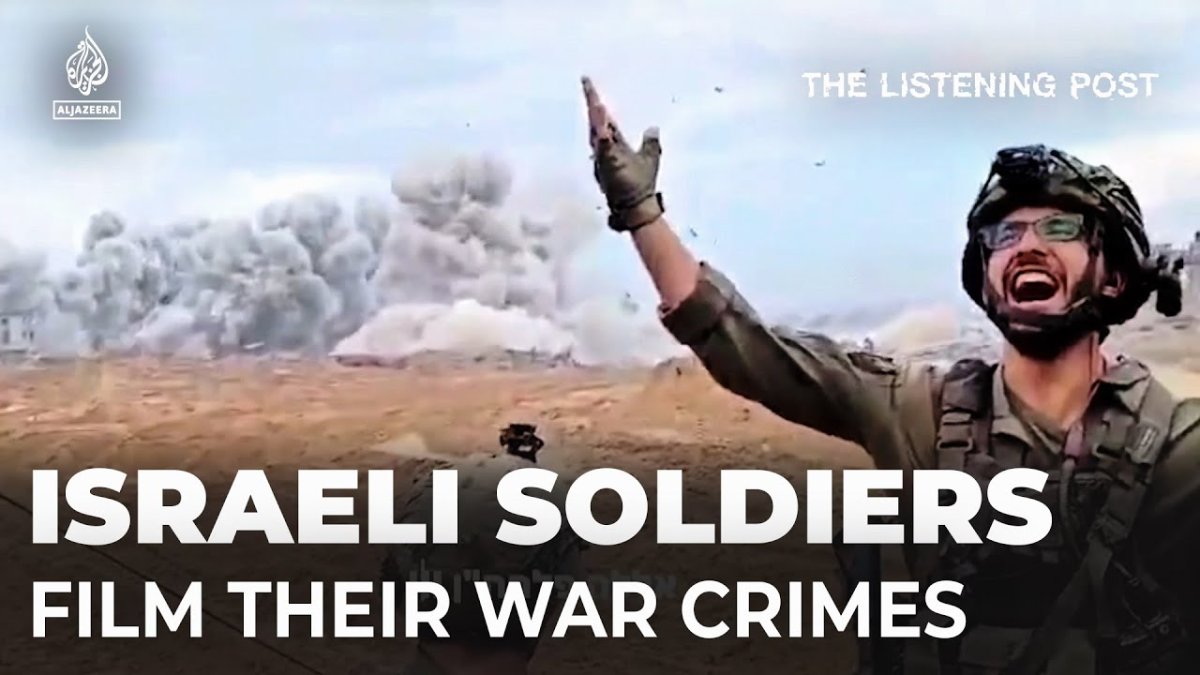
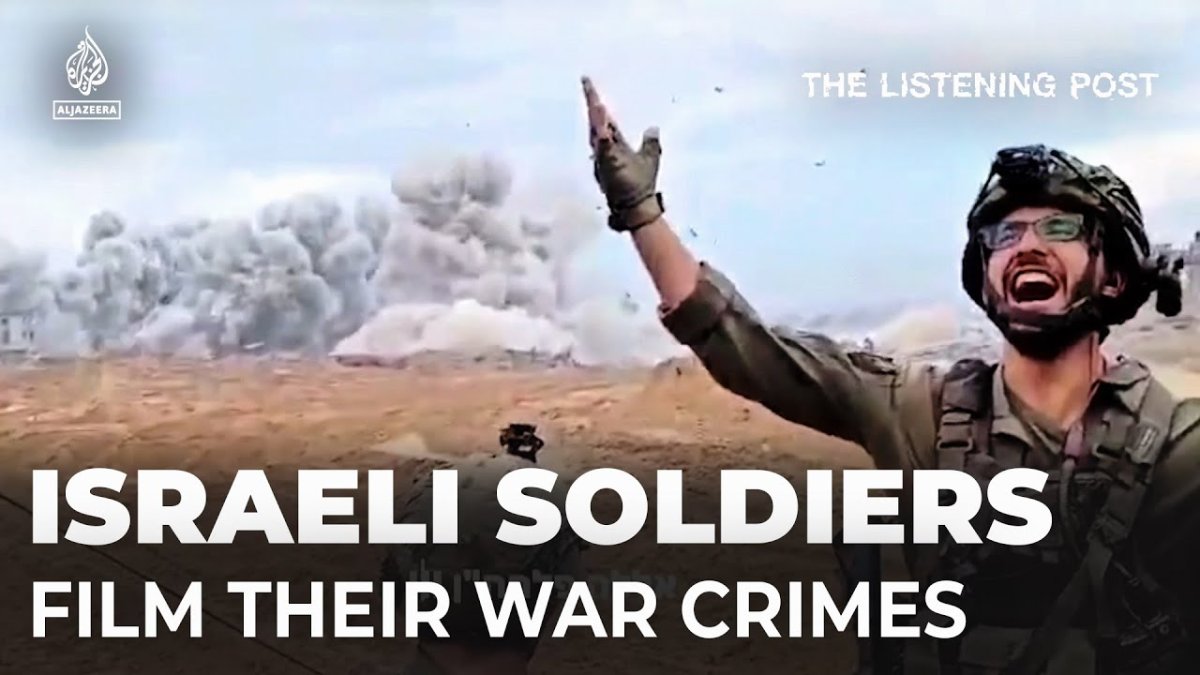
In a recent Middle East Eye report titled "Genocide in Gaza through the eyes of Israeli soldiers," which documents how Israeli soldiers have been filming and sharing their own war crimes in Gaza on social media, the footage reveals patterns of deliberate destruction that extend far beyond immediate combat. These visual records align with broader findings in two major reports re
Outlining the Scope of Reproductive Genocide
The Palestinian Feminist Collective released an 188-page report titled "A Predatory State: Israeli Systemic Sexualized and Gendered Violence Against Palestinians," supported by Progressive International. The document details decades of policies that the authors characterize as reproductive genocide. These include the systematic destruction of medical facilities, the killing of women and children, and environmental degradation intended to impair fertility. Since the Hamas-led attacks of October 7, 2023, the report states that these measures have intensified with the explicit aim of rendering continued Palestinian life in Gaza impossible.
The analysis draws on medical data, witness accounts, and official records to show how attacks on reproductive infrastructure form part of a longer pattern. Israeli forces have struck maternity wards and in vitro fertilization clinics, while the use of white phosphorus and other toxic munitions raises concerns about long-term effects on soil, water, and human reproductive health. The report emphasizes that these actions affect not only current pregnancies but also future generations through intergenerational damage.
UN Commission Documents Deliberate Targeting of Children
A separate 88-page report issued on June 23, 2026, by the Independent International Commission of Inquiry on the Occupied Palestinian Territory, including East Jerusalem and Israel, reached parallel conclusions. Chaired by Justice Srinivasan Muralidhar, the commission found that Israeli forces deliberately targeted Palestinian children. Between October 2023 and October 2025, more than 21,000 Palestinian children were killed, with an additional 5,160 estimated to remain buried under rubble. At least 15,000 children had lost their mothers by October 2024.
The commission recorded specific incidents that illustrate the pattern. A 10-day-old infant was shot in the head by an Israeli quadcopter while being breastfed. A four-year-old girl was shot in the head while eating with her family. At al-Nasr paediatric hospital, electricity was cut, resulting in the deaths of four infants still connected to life-support equipment. These cases are presented alongside statistical evidence of widespread destruction of civilian infrastructure.
Effects on Pregnancy and Maternal Health
At the outset of the current escalation, approximately 50,000 pregnant women lived in Gaza, with roughly 5,500 births occurring each month. The Palestinian Feminist Collective report records a rise in miscarriages exceeding 300 percent, attributed to malnutrition, anaemia, and the collapse of prenatal care. Hospitals operating under repeated strikes and supply shortages could no longer provide routine monitoring or emergency interventions.
Destruction of maternity wards and IVF clinics removed critical services for women already facing displacement and food insecurity. The report notes that environmental contamination from munitions may produce lasting fertility problems, though precise long-term data remain limited. These conditions compound the immediate loss of life with obstacles to any future recovery of population health.
Individual Accounts of Reproductive Loss
The Palestinian Feminist Collective highlights concrete cases that demonstrate the human scale of these policies. Rania Abu Anza underwent ten years of IVF treatment to conceive twins Naeim and Wissam. Both children and their father were killed in an Israeli airstrike in March 2024. Jomana Arafa died together with her newborn twins and her own mother while sheltering in an area Israeli authorities had designated a safe zone.
Such stories illustrate how the targeting of medical infrastructure and civilian spaces intersects with the destruction of families already formed through assisted reproduction. The report frames these losses not as isolated tragedies but as outcomes of a system that treats Palestinian reproductive capacity as a threat to be neutralized.
Historical Statements and Policy Continuity
The Palestinian Feminist Collective places current events within a longer record of Israeli statements linking Palestinian population growth to security concerns. In 1995, geographer Arnon Soffer described the wombs of Arab women as the most serious threat facing Israel. Former Prime Minister Golda Meir publicly stated that her nightmares involved the birth of another Palestinian child. The report argues that these views have informed planning and military doctrine over successive decades.
Francesca Albanese, the United Nations Special Rapporteur on the occupied Palestinian territories, described the Palestinian Feminist Collective report as an indictment of a system that has converted Palestinian bodies, homes, families, and reproductive existence into instruments of control. Her statement underscores the continuity between past rhetoric and present military operations.
Broader Implications for Palestinian Society
The combined findings of the two reports point to consequences that reach beyond immediate casualty counts. The loss of mothers, the destruction of neonatal and fertility services, and the contamination of living environments create conditions that hinder any rapid restoration of community life. Palestinian families in Gaza already navigate daily constraints on movement, access to water, and economic activity; the added burden of reproductive violence deepens these pressures.
Analysts note that the documented practices align with earlier patterns observed in other occupied areas, where restrictions on family reunification and medical access have limited population growth. The current acceleration in Gaza, however, occurs at a scale and speed that the reports describe as unprecedented. International observers continue to examine whether these actions meet legal definitions of genocide under existing conventions.
Local Palestinian organizations emphasize that recovery will require not only reconstruction of physical infrastructure but also restoration of the social and medical conditions that allow families to form and children to survive. The reports together provide a detailed record for future accountability processes, though the timeline for any such proceedings remains uncertain.
By Fatima Al-Rashid, Staff WriterThis article was produced with AI-assisted research and editorial support. Reporting is based on sources cited in the article.
What's Your Reaction?
 Like
0
Like
0
 Dislike
0
Dislike
0
 Love
0
Love
0
 Funny
0
Funny
0
 Wow
0
Wow
0
 Sad
0
Sad
0
 Angry
0
Angry
0
Gulf/MENA Correspondent at Global1.News. Based in Doha, covering Gulf politics, energy markets, diplomacy, and development across the Middle East and North Africa. Tracks the economic transformation of the Gulf states.













Comments (0)