
ICC Removes Prosecutor Karim Khan in Historic Vote — What It Means for Gaza Justice
In a dramatic turn that exposes the fragile intersection of international justice and raw geopolitical power, the ICC's unprecedented ouster of its chief prosecutor has sent shockwaves through diplomatic circles and conflict zones alike. This moment forces a reckoning with whether global institutions can withstand the very forces they were designed to constrain. ICC Removes Prosecutor Karim Khan in Historic First Over Misconduct and Geopolitic...
In a dramatic turn that exposes the fragile intersection of international justice and raw geopolitical power, the ICC's unprecedented ouster of its chief prosecutor has sent shockwaves through diplomatic circles and conflict zones alike. This moment forces a reckoning with whether global institutions can withstand the very forces they were designed to constrain.
ICC Removes Prosecutor Karim Khan in Historic First Over Misconduct and Geopolitical Pressures
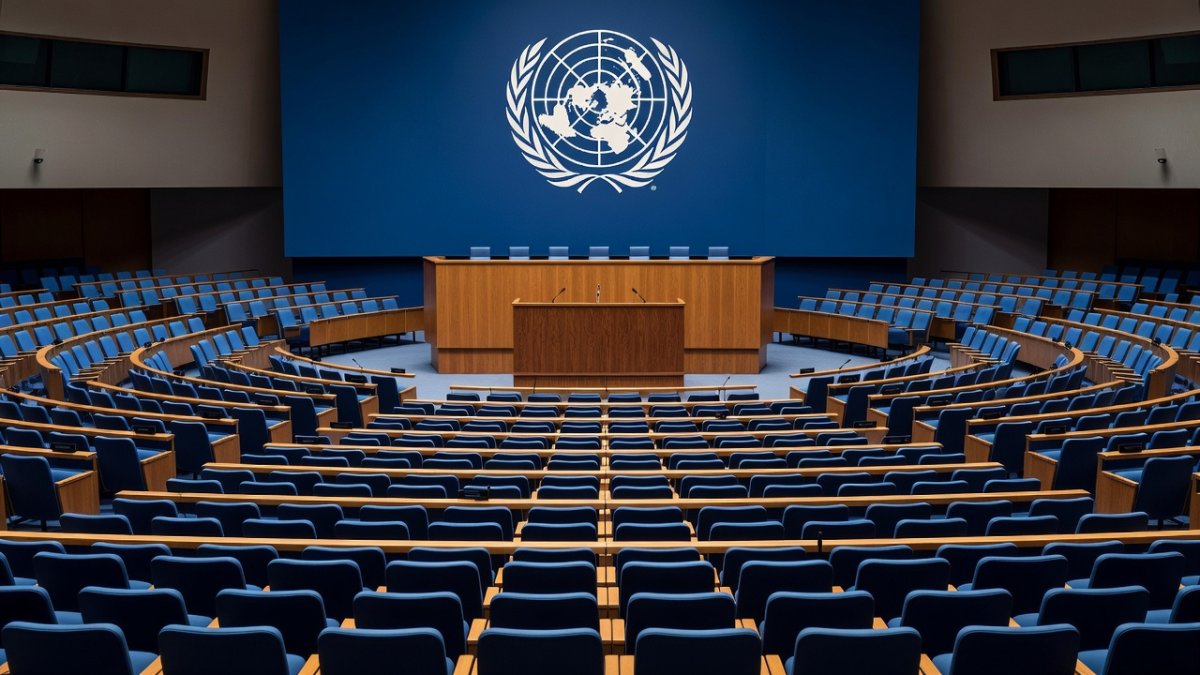
New York, USA – July 24, 2026 — In a recent Middle East Eye report, the International Criminal Court faced a pivotal moment on July 24, 2026, when member states gathered at United Nations Headquarters in New York to decide the fate of chief prosecutor Karim Khan through a secret ballot vote.
The Assembly Vote and Confirmation of Removal
The Assembly of States Parties conducted the vote among the court's 125 member states, with 82 casting ballots in favor of dismissing Khan. This total exceeded the absolute majority threshold of 63 required for removal. President of the Assembly of States Parties Paivi Kaukoranta announced the outcome in a live statement on UN Web TV, confirming that the states determined the elected official had committed serious misconduct and a serious breach of duty through prohibited conduct against a subordinate staff member. The ICC had already suspended Khan from his duties ahead of the vote, drawing on a UN investigative report and recommendations from an ad hoc panel of judicial experts. If implemented, this decision would initiate the process to elect a successor, with the new prosecutor not expected before next year.
The ICC's disciplinary mechanism, outlined in the Rome Statute, has never before resulted in the removal of a sitting prosecutor, making this vote a historic first that underscores the court's evolving internal accountability structures. Established in 2002, the Assembly of States Parties has handled prior complaints through investigations but stopped short of dismissal, often favoring resignation or lesser sanctions to preserve institutional stability. The secret ballot process at UN Headquarters required an absolute majority of 63 out of 125 member states, with 82 votes ultimately cast in favor after closed-door deliberations that shielded individual positions from public scrutiny and potential retaliation.
Key member states including several European nations and Global South representatives supported the removal based on the UN investigative report, while others from Latin America and Africa expressed reservations, citing concerns over due process and external political interference. In the immediate aftermath, diplomats lingered in the UN corridors for informal briefings, with the Assembly president fielding questions on succession planning. The outcome triggered immediate procedural steps, including notifications to the UN Security Council and preparations for an expedited election cycle that could reshape the court's leadership dynamics for years to come.
Details of the Allegations and Khan's Defense
Karim Khan, 56, faced accusations of sexual misconduct from a female junior colleague identified only as Sarah, who served as his direct assistant. The claims centered on sexual harassment and groping. Khan denied all allegations through his lawyer Sareta Ashraph, describing the ICC process as unjustified and unlawful. The suspension occurred prior to the member states' decision, reflecting the internal mechanisms triggered by the investigative findings. Sarah has rejected suggestions that her complaint carried political motivations or formed part of any external effort to undermine Khan, noting that such conflation has only helped to distract and deflect from the validity of her complaint.
Sarah detailed to CNN how Khan's behavior escalated from inappropriate comments during private meetings to physical groping in his office, creating a hostile work environment that exploited the stark power imbalance between a chief prosecutor and his junior assistant. She described repeated incidents over months where professional feedback sessions turned personal, leaving her fearing career repercussions if she resisted. The two-year saga began with an internal complaint in 2024, leading to a formal UN investigation that compiled witness statements, emails, and timelines before recommending suspension.
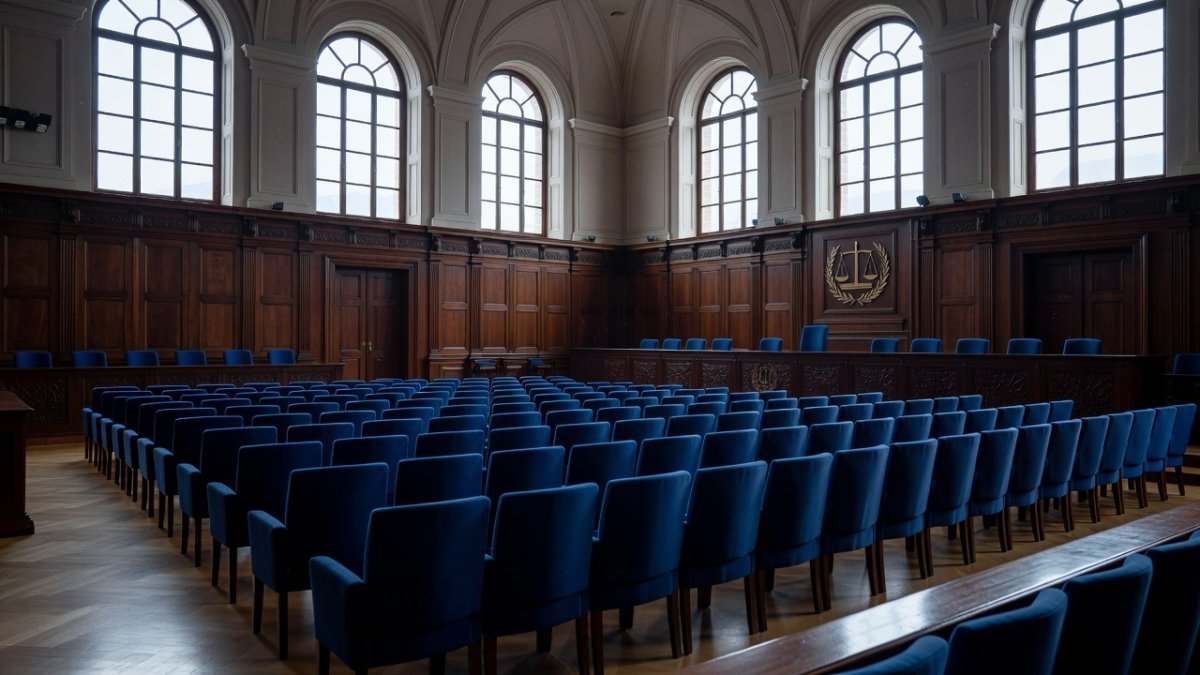
The UN report substantiated claims of serious misconduct through documented patterns of prohibited conduct, prompting the ad hoc judicial panel's referral to member states. Khan's lawyers argued that US sanctions barred him from attending his own hearing, violating fundamental rights to defense and rendering the process unlawful under international standards. They emphasized that the sanctions, imposed after the Gaza warrant applications, effectively silenced his participation and highlighted how external pressures compounded the internal disciplinary flaws.
Khan's Actions on Gaza Warrants and External Pressures
As ICC prosecutor, Khan submitted applications in 2024 for arrest warrants targeting Israeli Prime Minister Benjamin Netanyahu and then-Defense Minister Yoav Gallant over alleged war crimes in Gaza, while also seeking warrants for Hamas leaders. These steps prompted the United States to impose sanctions on Khan and other ICC officials, with commitments to a whole-of-government response aimed at systematically disabling the tribunal. Active arrest warrants issued under Khan's tenure remain in effect, as only ICC judges hold the authority to withdraw them, independent of the prosecutor's position. Researcher Iva Vukusic of Utrecht University observed that political considerations have been folded into this matter, particularly as it marks the first instance of a prosecutor pursuing warrants against a Western ally.
Khan's Gaza investigation timeline accelerated after the October 2023 Hamas attacks and Israel's subsequent military response, with evidence collection involving field visits, satellite imagery, and survivor testimonies that formed the basis for warrant applications against Netanyahu and Gallant on charges including starvation as a method of warfare and attacks on civilians. The applications also targeted Hamas figures for their roles in the initial assault, reflecting a balanced approach that drew both praise and condemnation. Israel and pro-Israel groups denounced the moves as biased and antisemitic, launching diplomatic campaigns to rally support against the ICC.
US sanctions on Khan and other officials froze assets and restricted travel, severely hampering the court's global operations by deterring witnesses and complicating cooperation with third countries wary of secondary penalties. This financial and logistical strain extended beyond Gaza, forcing the ICC to reroute resources and rely more heavily on European funding. The sanctions illustrated how powerful states could indirectly influence the tribunal's reach, even as existing warrants remained active under judicial authority independent of the prosecutor's status.
Responses from International Figures and Palestinian Organizations
Former EU chief diplomat Josep Borrell stated that the case against Khan forms part of a larger offensive against the ICC. A group of Palestinian organizations issued an open letter highlighting concerns over unwarranted political interference and the subversion of the disciplinary process. These statements underscore the broader tensions surrounding the court's operations in relation to events in Gaza, where Palestinian communities continue to experience the direct effects of ongoing conflict and displacement. The vote's outcome arrives amid efforts to hold accountable those responsible for actions affecting civilian populations in the region.
Josep Borrell expanded on his remarks by warning that the case against Khan represented a coordinated offensive aimed at weakening the ICC's independence, urging EU members to reaffirm support for the court amid rising geopolitical tensions. The Palestinian organizations' open letter, signed by over 30 groups including Al-Haq and the Palestinian Centre for Human Rights, detailed how the disciplinary process had been subverted by external actors and called for transparent safeguards to prevent future politicization.
Amnesty International and Human Rights Watch issued statements criticizing the removal as potentially undermining accountability efforts while stressing the need for fair internal procedures. Israeli officials welcomed the outcome as validation of their long-standing criticisms of Khan's impartiality. Perspectives from the Global South, particularly from African and Asian states, highlighted fears that the precedent could discourage prosecutors from pursuing cases against influential nations, potentially eroding the court's universal mandate.
Potential Effects on Accountability Efforts
The removal of Khan would not alter existing arrest warrants, preserving the judicial framework established for cases involving Gaza. However, the transition to a new prosecutor could introduce delays in ongoing investigations and future proceedings. Palestinian voices have emphasized the importance of sustained international mechanisms to address alleged violations, connecting the court's role to daily realities of occupation and humanitarian challenges in the West Bank and Gaza Strip. Historical patterns of external sanctions and diplomatic pressures on the ICC illustrate recurring obstacles to independent judicial processes in matters tied to Middle East geopolitics.
The election process for a successor is expected to unfold over the next 12 to 18 months, with the Assembly of States Parties likely convening special sessions to shortlist candidates from diverse regions, potentially including experienced jurists from Africa or Latin America to restore balance. Prominent names under discussion include former tribunal officials with backgrounds in international humanitarian law, though the US sanctions regime may deter some applicants. This transition risks delaying ongoing probes in Sudan, Ukraine, Myanmar, and Afghanistan, where evidence preservation and witness protection could suffer from leadership gaps.
Dismissed prosecutors retain limited appeal options through the Assembly or International Court of Justice mechanisms, though success remains uncertain given the finality of the secret ballot. The shift could slow case momentum across multiple dockets, prompting civil society to advocate for interim measures like deputy prosecutors assuming expanded roles. Ultimately, the episode tests whether the ICC can sustain investigative continuity despite leadership upheaval.
Broader Context for Human Rights Monitoring
The events at the United Nations Headquarters reflect intersecting dynamics of internal ICC governance and external geopolitical influences. Palestinian organizations have documented how such developments may affect the pursuit of justice for communities enduring prolonged conflict. The focus remains on ensuring that disciplinary outcomes do not overshadow the substantive work of documenting and addressing war crimes allegations. With the election timeline extending into the following year, attention turns to how the court will maintain its mandate amid these shifts, particularly in cases linked to the lived experiences of those under occupation.
This development signals a potential chilling effect on international criminal justice, where future prosecutors may hesitate to target officials from powerful states due to fears of personal and institutional repercussions. The US sanctions have already chipped away at the ICC's perceived legitimacy by restricting its operational capacity and signaling that accountability mechanisms remain vulnerable to unilateral pressure. Palestinian civil society views the removal as another obstacle in their pursuit of justice, emphasizing that sustained documentation of violations in the West Bank and Gaza must continue regardless of leadership changes.
The precedent established here could reshape how the court approaches cases involving Western allies, pushing it toward greater reliance on regional partnerships and alternative funding sources. Observers note that maintaining the ICC's relevance will require reforms to protect against external interference while upholding rigorous internal standards.
Looking ahead, the ICC must navigate a precarious path of leadership renewal and operational resilience if it hopes to preserve its role as an impartial arbiter in an era of intensifying great-power rivalries and regional conflicts. The coming election and its outcomes will determine whether the court emerges stronger or further diminished in its pursuit of accountability.
By Fatima Al-Rashid, Staff WriterThis article was produced with AI-assisted research and editorial support. Reporting is based on sources cited in the article.
What's Your Reaction?
 Like
0
Like
0
 Dislike
0
Dislike
0
 Love
0
Love
0
 Funny
0
Funny
0
 Wow
0
Wow
0
 Sad
0
Sad
0
 Angry
0
Angry
0

Gulf/MENA Correspondent at Global1.News. Based in Doha, covering Gulf politics, energy markets, diplomacy, and development across the Middle East and North Africa. Tracks the economic transformation of the Gulf states.












Comments (0)