
The Accountability Reckoning That Almost Happened: What Dominion v. Fox Would Have Looked Like, and Why the $787.5 Million Settlement Still Shapes Media Law Today
The Accountability Reckoning That Almost Happened: What Dominion v. Fox Would Have Looked Like, and Why the $787.5 Million Settlement Still Shapes Media Law Today It was supposed to be the media trial of the century. In April 2023, Dominion Voting Systems was hours away from presenting its $1.6 billion defamation case against Fox News in a Wilmington, Delaware courtroom. Jury s
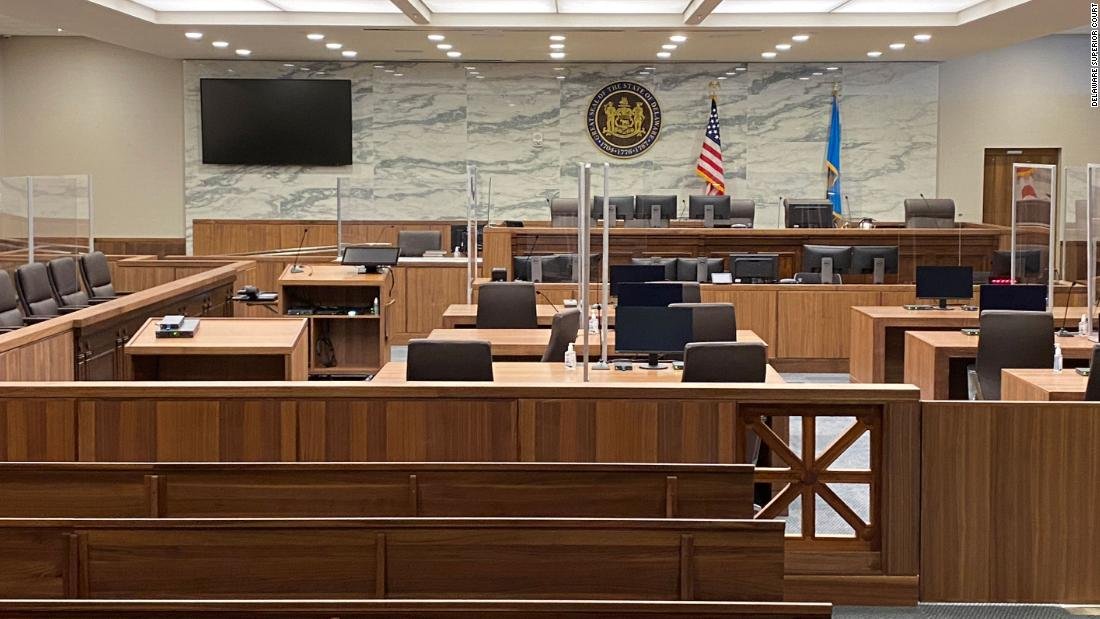
It was supposed to be the media trial of the century. In April 2023, Dominion Voting Systems was hours away from presenting its $1.6 billion defamation case against Fox News in a Wilmington, Delaware courtroom. Jury selection was done. Three hundred potential jurors had been summoned. The judge had a full panel ready. And then, on April 18, moments before opening statements were set to begin, Fox News wrote a check for $787.5 million — the largest defamation settlement in American history — and the trial vanished. Here's what almost happened, why it matters, and how the case that never went to a jury still changed media law forever.
The $1.6 Billion Suit That Forced Fox to the Brink
Dominion Voting Systems filed its $1.6 billion defamation lawsuit against Fox News in 2021, alleging the network knowingly broadcast false claims that the company's voting machines rigged the 2020 presidential election. The suit targeted internal communications showing hosts and executives privately doubted those claims while airing them to viewers. This case stood apart from prior controversies because the evidence included emails and texts from top figures at the network.
Pre-trial rulings already exposed the gap between what Fox broadcast and what its own personnel believed. The judge rejected multiple attempts to dismiss the case, signaling that the network would face a fact-driven examination rather than the usual on-air deflection. Dominion's filings cited specific segments from Tucker Carlson and Sean Hannity that repeated election fraud allegations without evidence.
The lawsuit carried the potential to test whether a major cable network could be held liable for amplifying demonstrably false statements about election infrastructure. With damages sought at $1.6 billion, the stakes extended beyond Fox to the broader media industry.
Jury Selection Completed in Wilmington Courtroom 7E
Jury selection wrapped up in April 2023 after 300 potential jurors were summoned to Courtroom 7E in Wilmington, Delaware. The presiding judge confirmed enough qualified individuals remained to proceed with the trial as scheduled. This process occurred under intense scrutiny, with both sides vetting candidates for bias related to the 2020 election and media coverage.
The selection phase revealed the case's national significance, drawing attention to how ordinary citizens would evaluate claims made by high-profile hosts. Dominion's legal team prepared to present internal Fox documents showing hosts expressed skepticism about election fraud allegations in private messages.
By the end of the day, the court had assembled a panel ready for opening statements the following Monday. The presence of 300 summoned jurors underscored the resources already committed to what would have been one of the most closely watched media trials in decades.
The Trial Scheduled for April 17 That Never Began
Opening statements were set for Monday, April 17, 2023, in Courtroom 7E. Dominion planned to call witnesses who would detail how Fox executives, including Rupert Murdoch and Suzanne Scott, received warnings about the falsehoods being aired yet continued the coverage. The network's defense strategy centered on arguments about opinion versus fact, but pre-trial motions suggested this approach faced serious hurdles.
Evidence already disclosed in hearings included text messages from Tucker Carlson and Sean Hannity questioning the credibility of election fraud claims they promoted on air. These communications would have formed the core of Dominion's case that Fox acted with actual malice.
The scheduled start date placed Fox in an unfamiliar position: required to defend its reporting under oath and cross-examination rather than through commentary segments. The judge had already expressed frustration with the network's legal team during earlier proceedings.
Internal Communications That Would Have Been Public
Discovery materials showed Fox hosts privately doubted the election fraud narrative while broadcasting it to millions. These documents would have been introduced through witness testimony and exhibits once the trial began. The contrast between private doubts and public statements formed the backbone of Dominion's defamation argument.
Rupert Murdoch and Suzanne Scott were named in filings as recipients of internal alerts about the risks of continuing the coverage. Their potential testimony would have addressed whether corporate leadership prioritized ratings over accuracy in the weeks after the election.
Carlson and Hannity faced the prospect of explaining their on-air statements against the record of their own messages. The absence of any opportunity for them to clarify those contradictions in open court left the public record incomplete.
The April 18 Settlement That Stopped Everything
On April 18, 2023, Fox News settled with Dominion for $787.5 million just before opening statements were to begin. The agreement came after jury selection concluded but before any witness took the stand. This payout remains the largest defamation settlement in U.S. history.
The timing meant no executives or hosts ever testified under oath in open court. Dominion received substantial compensation without the full public airing of evidence that a completed trial would have produced. Fox avoided the risk of a potentially larger jury verdict.
The settlement closed the case without a verdict, yet the disclosed pre-trial record already documented the internal contradictions at the network. The $787.5 million figure sent a clear financial signal to media companies weighing similar risks.
Ongoing Legal Exposure: The Smartmatic Case
Fox News also faces a separate defamation lawsuit from Smartmatic, another voting technology company, seeking $2.7 billion in damages over similar 2020 election coverage. As of late 2025, a judge was weighing whether that case should proceed to trial, with Smartmatic urging the court to set a date and accusing Fox of using delay tactics to exhaust the company's resources.
Unlike the Dominion case, the Smartmatic lawsuit remains unresolved. The allegations mirror the same pattern: Fox hosts aired claims about Smartmatic's involvement in election fraud that the company says destroyed its business. The case has now been pending for more than 1,660 days as of August 2025.
The continued legal pressure demonstrates that the 2020 election coverage has produced lasting consequences for Fox beyond the Dominion settlement. Whether the Smartmatic case reaches a jury will determine if a full trial ever tests the network's defenses under oath.
Why the Almost-Trial Still Matters for Media Law
The Dominion case established that internal communications can serve as powerful evidence in defamation suits against media organizations. Future plaintiffs now have a clearer roadmap for discovery requests targeting private doubts versus public statements. The $787.5 million settlement provides a benchmark for calculating potential damages in similar disputes.
Because no executives testified, the public never heard direct explanations under oath from Murdoch, Scott, Carlson, or Hannity. This gap limits the precedent's instructional value for accountability while still delivering financial consequences.
The trial that almost happened continues to influence how media companies assess risk when covering contested political claims. The record of pre-trial disclosures remains available for reference in ongoing and future litigation.
What This Means for Viewers and Accountability
The Dominion case proves that defamation law can hold media organizations accountable even without a jury verdict. The $787.5 million check written before opening statements speaks louder than any on-air apology. Viewers who followed the post-2020 coverage now have a concrete benchmark for what spreading election lies costs a network.
The unresolved question is whether the absence of a trial — no witness testimony, no cross-examination, no verdict — means the full truth about Fox's internal decisions remains hidden. The pre-trial record is extensive, but it is not the same as evidence tested under oath in open court.
The case that almost went to trial still has lessons worth learning. And with the Smartmatic suit still active, the question of whether a Fox executive or host will ever testify under oath about 2020 election coverage remains open.
By Jessica Ali, Staff WriterThis article was produced with AI-assisted research and editorial support. Reporting is based on sources cited in the article.
What's Your Reaction?
 Like
0
Like
0
 Dislike
0
Dislike
0
 Love
0
Love
0
 Funny
0
Funny
0
 Wow
0
Wow
0
 Sad
0
Sad
0
 Angry
0
Angry
0

Editor-in-Chief at Global1.News. Atlanta-based journalist who cuts through the BS and tells it like it is. Lead anchor, host, and the voice you hear when the spin stops and the truth starts.












Comments (0)