
Piggott Details US-Israel Coordination on Syria and Lebanon Security
In a recent i24NEWS English interview on the American View program, State Department Spokesperson Tommy Piggott outlined the Trump administration's foreign policy priorities, emphasizing ongoing coordination with Israeli partners on Syria and the launch of US-brokered pilot zones in southern Lebanon.
In a recent i24NEWS English interview on the American View program, State Department Spokesperson Tommy Piggott outlined the Trump administration's foreign policy priorities, emphasizing ongoing coordination with Israeli partners on Syria and the launch of US-brokered pilot zones in southern Lebanon. The July 24, 2026 discussion highlighted concrete steps in the Trilateral Framework and maximum pressure tactics toward Iran, directly addressing security dynamics along Israel's northern and northeastern borders.
US-Israel Daily Coordination on Syria Border Operations
Tommy Piggott stated during the interview that the United States holds frequent conversations with Israeli partners on Syria security matters. This coordination occurs as the IDF maintains positions in the demilitarized buffer zone adjacent to the Golan Heights following the December 2024 fall of the Assad regime. The IDF continues patrols along the Syrian border to counter threats from Iran-backed militias, including the Islamic Resistance in Syria, which has claimed attacks on Israeli positions in recent weeks.
Israel and Syria established a Joint Liaison Mechanism during 2026 talks in Paris to manage border incidents. The mechanism operates alongside Israeli security concerns over potential Iranian weapons transfers through Syrian territory. Piggott's comments confirm that these exchanges form a routine part of the US-Israel partnership, with the Prime Minister's Office in Jerusalem receiving regular updates from the State Department.
Trilateral Framework Pilot Zones Begin Operations in Southern Lebanon
The State Department announced on July 20, 2026 that pilot zone operations had started in the villages of Zawtar al-Gharbiyeh, Froun, and Srifa under the Trilateral Framework agreed by Israel, Lebanon, and the United States at the end of June. Lebanese Armed Forces deployed personnel to verify the zones remain clear of Hezbollah operatives and weapons, following months of diplomatic talks held in Washington and Rome.
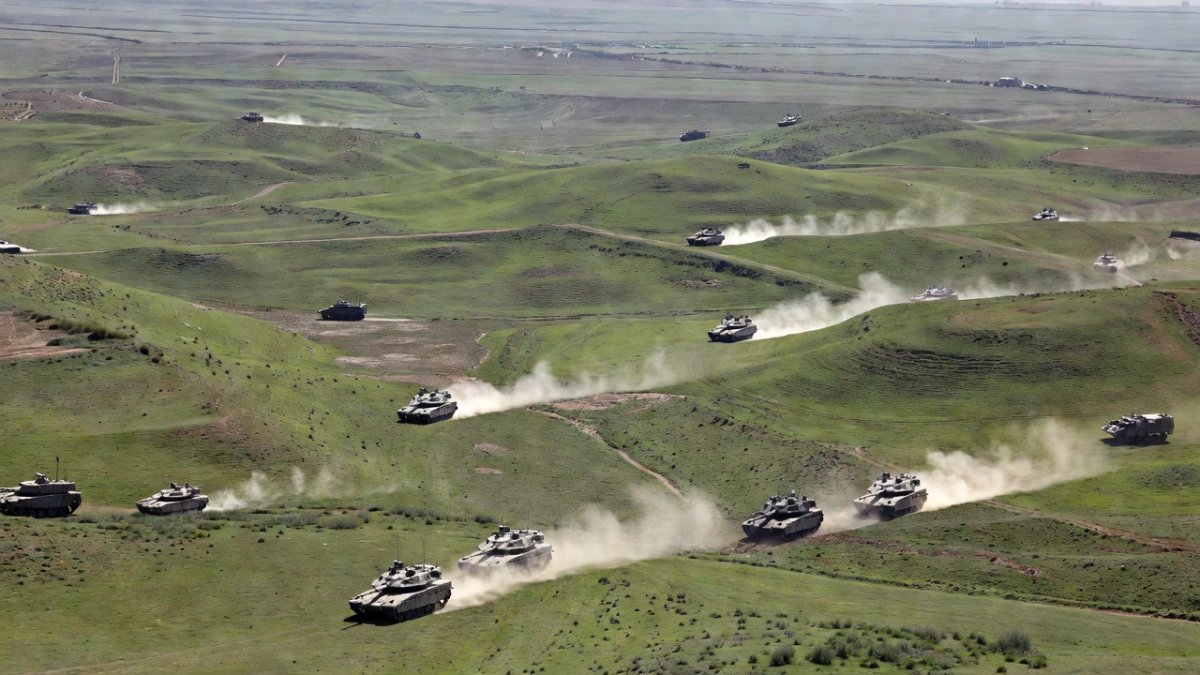
Israel has maintained a military presence in southern Lebanon since the 2024 war with Hezbollah, with the ceasefire extended by 45 days in May 2026. The pilot zones represent an initial test of Lebanese Armed Forces control in areas previously influenced by Hezbollah. Israeli officials in the Foreign Ministry monitor these deployments closely due to their proximity to the northern border communities near Metula and Kiryat Shmona.
The Trilateral Framework emerged after six rounds of US-brokered talks between Israel and Lebanon that spanned several months and addressed core security disputes along the shared border. These negotiations, held primarily in Washington and culminating in the Rome talks during July 2026, produced the agreement at the end of June that authorized the pilot zones. Lebanese Armed Forces personnel now conduct verification operations in Zawtar al-Gharbiyeh, Froun, and Srifa to confirm the absence of Hezbollah operatives and weapons caches, a process complicated by Hezbollah's continued refusal to disarm as required under the framework terms.
Displaced residents from northern Israeli communities such as Metula and Kiryat Shmona have voiced cautious optimism about the pilot zones, expressing a strong desire to return to their homes once Lebanese forces demonstrate sustained control. Many families have lived in temporary housing since the 2024 conflict and view successful verification as essential for restoring normalcy. Local leaders emphasize that any re-infiltration by Hezbollah would undermine these efforts and prolong displacement.
The IDF has outlined an assessment timeline spanning the next several months to evaluate whether the zones remain secure enough to permit phased withdrawals from southern Lebanon. Officials stress that withdrawal decisions will depend on concrete evidence of Lebanese Armed Forces effectiveness rather than diplomatic assurances alone, with ongoing monitoring coordinated through established channels with US partners.
Maximum Pressure Policy Toward Iran Continues Alongside Diplomatic Channels
The Trump administration maintains its maximum pressure campaign on Iran while keeping limited diplomatic channels open, as described by Piggott in the i24NEWS interview. Iran rejected a US ceasefire proposal on July 24, 2026, citing insufficient provisions regarding the Strait of Hormuz. This rejection follows repeated Israeli warnings about Iranian nuclear advances and proxy activities across the region.
Israeli security assessments in Tel Aviv link Iranian rejectionism to continued support for Hezbollah and other militias. The policy affects daily life in northern Israel, where residents near the Lebanese border remain under heightened alert due to potential rocket threats from groups funded through Iranian channels.
Iran's rejection of the US ceasefire proposal on July 24, 2026, centered on objections to provisions involving the Strait of Hormuz, where a US naval blockade remains in place amid Iranian threats to disrupt commercial shipping lanes. This stance has reinforced Israeli assessments that Tehran intends to sustain proxy operations rather than pursue de-escalation. The maximum pressure campaign continues to target Iranian funding streams that support Hezbollah and other militias active in Syria and Lebanon.
Israeli defense officials in Tel Aviv have linked the Hormuz developments directly to heightened risks along the northern and northeastern borders, noting that Iranian rejectionism enables continued weapons transfers and militia activities. These calculations influence daily security planning, with particular attention to potential escalation scenarios involving proxies operating from Syrian territory or southern Lebanese villages.
Responses from Israeli officials highlight the need for sustained coordination with US forces to counter Iranian influence, including intelligence sharing that tracks proxy movements. The policy framework maintains diplomatic channels while applying economic and military pressure, a dual approach viewed as necessary to limit Tehran's regional reach and protect Israeli border communities from rocket and infiltration threats.
Israeli Security Concerns Drive Focus on Hezbollah Disarmament
Lebanese Armed Forces verification efforts in the pilot zones of Zawtar al-Gharbiyeh, Froun, and Srifa aim to prevent Hezbollah re-infiltration after the 2024 conflict. Israeli defense officials note that any failure to maintain these zones clear of weapons would require renewed IDF operations along the border fence. The Shin Bet continues to track Hezbollah command structures operating from Beirut and southern Lebanese villages.
The Trilateral Framework emerged from rare direct talks between Israeli, Lebanese, and American representatives. Success in these zones could influence future decisions by the Knesset regarding long-term security arrangements north of the border.
Broader Trump Foreign Policy Approach and NATO Commitments
Piggott addressed the administration's stance on NATO commitments during the interview, linking them to overall Middle East strategy. The United States continues to prioritize alliances that support Israeli qualitative military edge, including intelligence sharing through established channels between the IDF and US Central Command. This approach shapes responses to threats originating from both Syria and Lebanon.
Regional dynamics in the Middle East remain tied to these US policy choices, with Israeli diplomats in the Foreign Ministry tracking how NATO-related decisions affect arms flows and sanctions enforcement against Iran.
Implications for Daily Life and Regional Stability
Residents in Israeli communities along the Golan Heights and northern border monitor developments in the Syrian buffer zone and Lebanese pilot zones for signs of reduced threat levels. The IDF's continued presence in these areas reflects ongoing operational requirements rather than temporary measures. Diplomatic progress through the Trilateral Framework offers one pathway to easing these pressures, though Israeli officials emphasize verification over declarations.

These developments connect directly to Israeli political debates in the Knesset over defense budgets and settlement security in the West Bank and Golan regions. The Trump administration's approach, as outlined by Piggott, reinforces existing partnerships while testing new mechanisms for containing Iranian influence across multiple fronts.
By Hannah Berg, Staff WriterThis article was produced with AI-assisted research and editorial support. Reporting is based on sources cited in the article.
What's Your Reaction?
 Like
0
Like
0
 Dislike
0
Dislike
0
 Love
0
Love
0
 Funny
0
Funny
0
 Wow
0
Wow
0
 Sad
0
Sad
0
 Angry
0
Angry
0
Israel Correspondent at Global1.News. Based in Tel Aviv, covering Israeli politics, security, technology, and society. Provides balanced, deeply-sourced reporting on one of the most closely-watched regions in the world.











Comments (0)