
UK Defence Crisis: Healey Quits Over Spending Row With Starmer
Healey and Carns Resign Over Defence Spending Stalemate Britain's defence secretary John Healey has resigned along with armed forces minister Al Carns after Sir Keir Starmer refused to commit sufficient funding to the armed forces. Healey warned that the defence investment plan falls well short of what is required. He accused the prime minister and the chancellor of having been
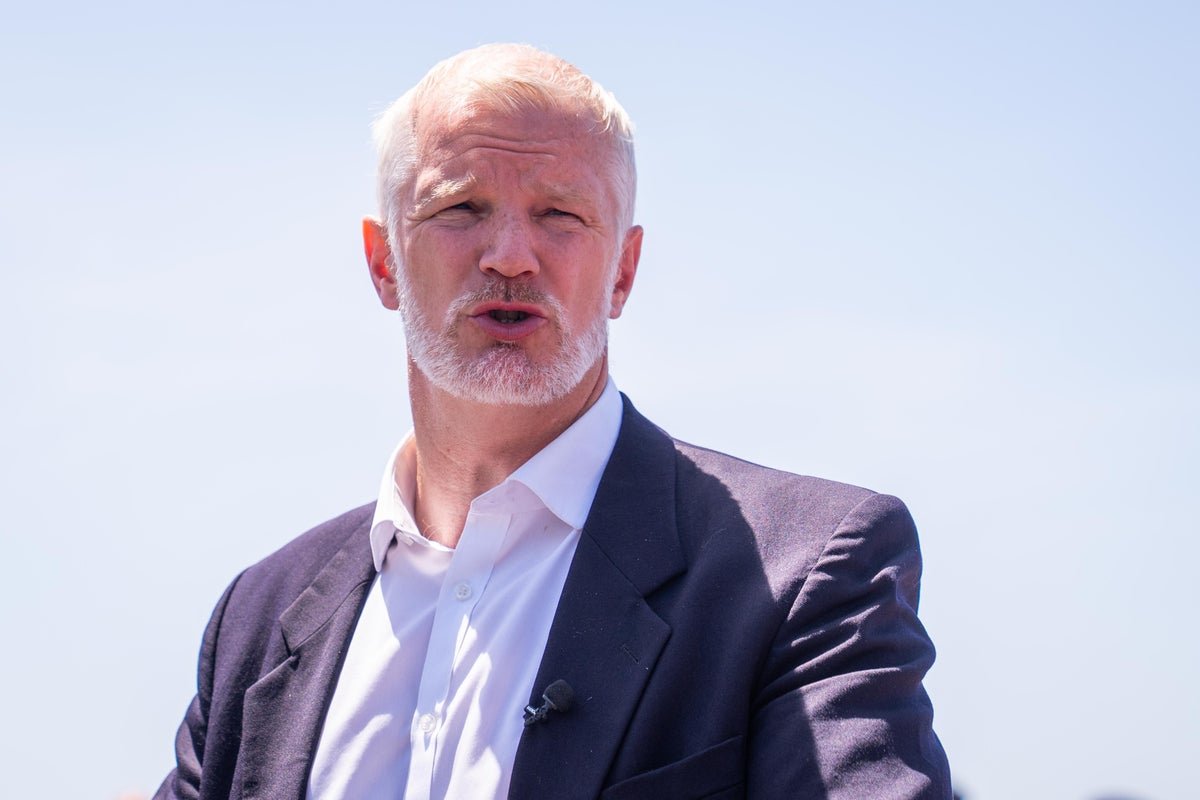
Healey and Carns Resign Over Defence Spending Stalemate
Britain's defence secretary John Healey has resigned along with armed forces minister Al Carns after Sir Keir Starmer refused to commit sufficient funding to the armed forces. Healey warned that the defence investment plan falls well short of what is required. He accused the prime minister and the chancellor of having been unwilling to commit the resources that the nation needs to defend the country at this time of rising threats. The resignations came after prolonged cabinet tensions over the long-delayed defence investment plan. Government sources confirmed that the Treasury offer lacked any firm date for reaching 3 per cent of GDP on defence.
The departures have placed immediate strain on the government's defence posture amid rising threats. John Healey stated that the plan moved too slowly with defence spending rising to just 2.68 per cent in 2030 after hitting 2.6 per cent next year. Al Carns left his post at the same time as the defence secretary. The pair had pushed for faster increases in resources for the armed forces. Their exit follows months of internal debate over the defence investment plan.
Business secretary Peter Kyle denied that the defence investment plan was in tatters. He insisted the plan is being developed and that the government is determined to get it right. Peter Kyle noted that his department was making cuts to contribute to the increase in defence funding. These cuts would not be detailed before the plan's publication ahead of the Nato summit. The resignations have already drawn comment from Conservative MP Kevin Hollinrake who said the government is turning in on itself.
Dan Jarvis Takes Command at the MoD
Dan Jarvis a Parachute Regiment veteran who has been serving as security minister has been appointed as the new defence secretary. He replaces John Healey following the latter's resignation over funding levels. Dan Jarvis is set to speak this morning on the challenges facing the Ministry of Defence. His military background is expected to shape his approach to the defence investment plan. The appointment comes at a moment of heightened pressure on the armed forces budget.
Dan Jarvis inherits a department still awaiting the final shape of the defence investment plan. The plan will set out how new equipment and defence infrastructure will be funded in the next decade. Sources indicated that the Treasury deal offered to the Ministry of Defence did not put a date on increasing spending to 3 per cent. Instead it had tried to force the MoD to plan to only reach that figure in 2034/35. Dan Jarvis will now lead negotiations ahead of the Nato summit.
The new defence secretary must address the gap between the government's 3.5 per cent of GDP commitment by 2035 and current spending trajectories. Defence spending is due to reach 2.6 per cent next year before rising to 2.68 per cent in 2030. Dan Jarvis will work with the chancellor to close this shortfall. His previous role as security minister gives him insight into cross-government priorities. The appointment signals an attempt to stabilise the Ministry of Defence after the double resignation.
The Defence Investment Plan: A Treasury-MoD Fault Line
The defence investment plan remains the central point of friction between the Treasury and the Ministry of Defence. John Healey said the plan falls well short of what is required to meet rising threats. The Treasury proposal avoided setting a date for 3 per cent spending and pushed the target to 2034/35. Business secretary Peter Kyle maintained that the plan is being developed and that the government is determined to get it right. Publication is scheduled before the Nato summit.
Peter Kyle confirmed that his department was making cuts to contribute to the increase in defence funding. He declined to reveal details before the defence investment plan appears. The long-delayed document will outline funding for new equipment and defence infrastructure over the next decade. Tensions have mounted in the cabinet over the absence of faster spending increases. The government has committed to 3.5 per cent of GDP by 2035 yet current projections show only 2.68 per cent in 2030.
The chancellor has resisted earlier dates for higher defence outlays. John Healey accused the prime minister and the chancellor of being unwilling to commit the resources the nation needs. The resulting stalemate triggered the resignations of both the defence secretary and the armed forces minister. Peter Kyle insisted the plan would be finalised correctly despite the departures. The outcome will determine Britain's ability to meet its Nato commitments.
Westminster Fallout and Starmer's Precarious Position
The resignations of John Healey and Al Carns have heaped pressure on the prime minister who already faces the threat of a leadership challenge. Conservative MP Kevin Hollinrake said the government is turning in on itself. The departures expose deep divisions over defence priorities at a time of rising threats. Sir Keir Starmer must now manage the transition to Dan Jarvis while preparing for the Nato summit. The episode has intensified scrutiny of the prime minister's handling of the defence investment plan.
Business secretary Peter Kyle sought to downplay the crisis by stating that the plan is being developed. He emphasised that the government is determined to get it right. The comments came as the cabinet continues to debate the pace of spending increases. John Healey's warning that the plan falls well short has resonated across Westminster. The prime minister's position is further complicated by the need to finalise the document before the Nato summit.
Dan Jarvis now carries responsibility for restoring stability at the Ministry of Defence. His appointment follows the exit of two senior ministers over funding disagreements. The government has set a target of 3.5 per cent of GDP by 2035 yet the Treasury has resisted earlier milestones. Peter Kyle confirmed cross-departmental cuts are under way to support higher defence spending. These developments have left Sir Keir Starmer navigating both internal dissent and external security demands.
UK Economy Shrinks as Iran Conflict Bites
The UK economy contracted by 0.1 per cent in April amid signs the Iran war is taking its toll on some sectors. The Office for National Statistics said GDP declined by 0.1 per cent in April from growth of 0.3 per cent in March. Chancellor Rachel Reeves acknowledged the war in the Middle East was hitting the economy. She noted that before the conflict in the Middle East growth was higher than expected and inflation was falling. This is not a war we wanted or joined but one that will have an impact at home she said.
The contraction adds to the fiscal pressures facing the chancellor as she negotiates the defence investment plan. Rachel Reeves must balance the economic effects of the Iran conflict with demands for higher defence spending. The 0.1 per cent decline in April reversed the 0.3 per cent growth recorded in March. Government sources linked the slowdown directly to the Middle East conflict. The timing coincides with cabinet arguments over the pace of reaching 3.5 per cent of GDP on defence by 2035.
Business secretary Peter Kyle has indicated that departmental cuts are being made to fund defence increases. These measures come as the economy shows signs of strain from the Iran war. The Office for National Statistics data highlights the vulnerability of growth to external shocks. Rachel Reeves has warned that the conflict will have an impact at home. The combination of economic contraction and defence funding disputes places additional strain on the Treasury.
Nato Summit Puts Britain's Defence Credibility on Display
The long-delayed defence investment plan must be published before the Nato summit. Peter Kyle confirmed that details of departmental cuts would not be released until then. The summit will test Britain's ability to meet its 3.5 per cent of GDP commitment by 2035. John Healey had warned that current proposals fall well short of what is required. Dan Jarvis will represent the Ministry of Defence at the gathering following his appointment.
The absence of a firm date for 3 per cent spending in the Treasury offer has raised questions ahead of the summit. The plan had sought to delay that milestone until 2034/35. Peter Kyle insisted the government is determined to get the defence investment plan right. The resignations of John Healey and Al Carns have added to the scrutiny Britain will face in Nato discussions. The summit timing places extra pressure on the new defence secretary to demonstrate progress.
Dan Jarvis is set to speak this morning before the international meeting. His remarks will address how the government intends to close the gap between current spending and the 3.5 per cent target. Peter Kyle has stated that his department is contributing cuts to support higher defence outlays. The outcome of these efforts will shape perceptions of Britain's reliability within the alliance. The Nato summit therefore arrives at a moment of domestic turbulence over defence funding.
What the Crisis Means for Britain's Armed Forces
The resignations of John Healey and Al Carns leave the armed forces facing continued uncertainty over future funding. The defence investment plan has yet to resolve the difference between the 2.6 per cent target next year and the 3.5 per cent goal by 2035. Dan Jarvis now leads the Ministry of Defence with responsibility for delivering new equipment and infrastructure. The Treasury's reluctance to set an earlier date for 3 per cent spending has already prompted senior departures. The armed forces must plan within these constraints while threats continue to rise.
John Healey stated that the plan falls well short of what is required at this time of rising threats. The armed forces will therefore operate under spending levels that reach only 2.68 per cent in 2030. Dan Jarvis a Parachute Regiment veteran brings direct military experience to the role. He will oversee the final stages of the defence investment plan before the Nato summit. The outcome will determine the pace at which new capabilities can be introduced.
Peter Kyle has confirmed that other departments are making cuts to support the defence increase. These contributions are intended to help close the funding gap identified by the former defence secretary. The armed forces now await clarity on timelines that the Treasury has so far withheld. Dan Jarvis must translate the government's 3.5 per cent commitment into concrete programmes. The coming weeks will reveal whether the new leadership can secure the resources the services require.
By Erica Thornton, Staff WriterThis article was produced with AI-assisted research and editorial support. Reporting is based on sources cited in the article.
What's Your Reaction?
 Like
0
Like
0
 Dislike
0
Dislike
0
 Love
0
Love
0
 Funny
0
Funny
0
 Wow
0
Wow
0
 Sad
0
Sad
0
 Angry
0
Angry
0

US Politics and Policy Correspondent at Global1.News. Based in Washington DC, covering American politics, policy, elections, and the courts. Knows how the system works and tells you what it actually means.















Comments (0)