
Mexico 2-0 South Africa: Three Red Cards in World Cup 2026 Opener
The return of Bafana Bafana to the World Cup after 16 years carried the weight of an entire nation's hopes on June 11, 2026, as South Africa faced co-host Mexico at the iconic Estadio Azteca in front of more than 87,000 spectators. What began as a celebration of Africa's record 10 teams at the expanded tournament quickly turned into a night defined by three red cards, the first
The return of Bafana Bafana to the World Cup after 16 years carried the weight of an entire nation's hopes on June 11, 2026, as South Africa faced co-host Mexico at the iconic Estadio Azteca in front of more than 87,000 spectators. What began as a celebration of Africa's record 10 teams at the expanded tournament quickly turned into a night defined by three red cards, the first such occurrence in a World Cup opener and the first in any World Cup match in 20 years. The 2-0 defeat left South African fans reeling, yet the story of resilience amid chaos demands full examination.
Mexico 2-0 South Africa: Three Red Cards Define World Cup 2026 Opener as Bafana Bafana Return Ends in Heartbreak
Mexico City, Mexico – Today — South Africa's long-awaited return to the global stage ended in heartbreak at Estadio Azteca, where Mexico secured a 2-0 victory in the Group A opener on June 11, 2026. Julian Quinones opened the scoring, and a second Mexico player added the second goal, but the match will be remembered for the three red cards issued, two to Bafana Bafana and one to Mexico. The result came on the same ground that hosted the 1970 and 1986 World Cup finals, with the opening ceremony featuring Shakira and a tribute to indigenous Mexican culture broadcast live on SuperSport in South Africa.
The Weight of 16 Years Away
Bafana Bafana last appeared at a World Cup in 2010 as hosts, and their absence since then made the June 11 clash at Estadio Azteca a landmark moment for South African football. Coach Hugo Broos led the side into a tournament where Africa fields a record 10 teams, raising expectations that this generation could finally advance beyond the group stage. The captain, goalkeeper Ronwen Hayden, carried the armband with the responsibility of anchoring a defense under intense pressure from the home crowd.
Estadio Azteca's history added layers to the occasion, as the venue prepared to host matches across the Mexico-USA-Canada co-hosted tournament. South African supporters tuned into SuperSport to witness whether the team could translate domestic form into international results on the biggest stage. The pre-match atmosphere mixed celebration of the expanded African representation with the reality that every point would matter in Group A.
Opening Ceremony Sets the Stage
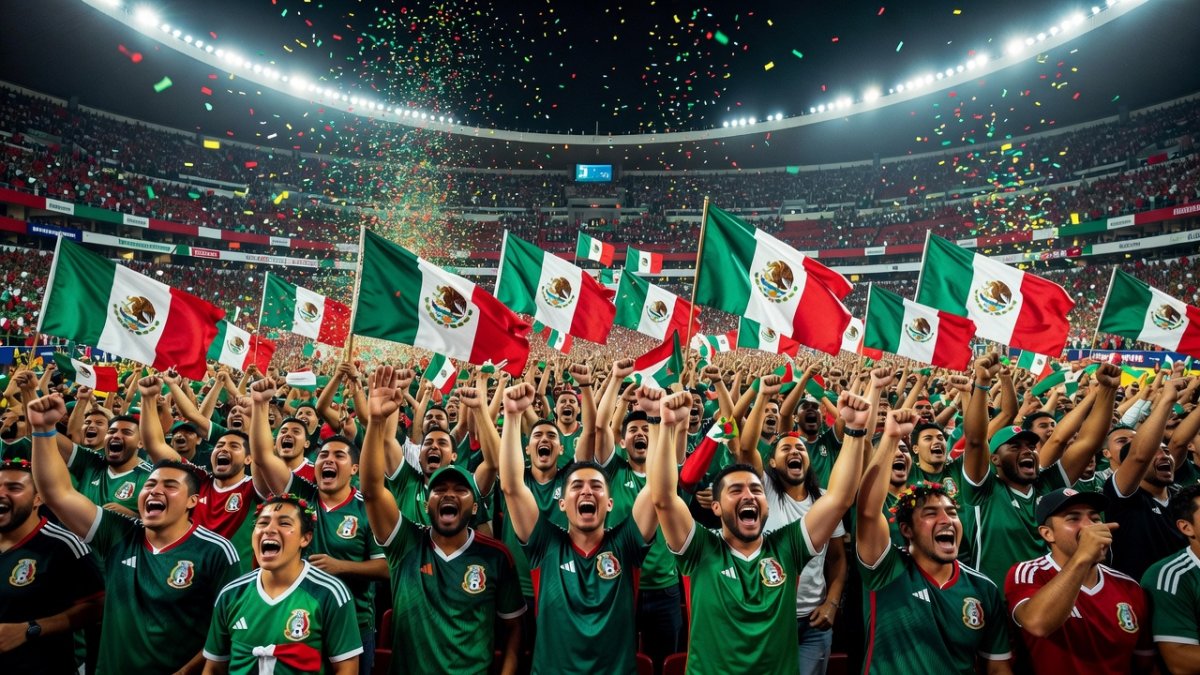
The opening ceremony at Estadio Azteca featured Shakira performing alongside a tribute to indigenous Mexican culture, creating an electric environment before kickoff. Mexico fans filled the stands with energy that reflected the nation's dual role as co-host and opening-match participant. For South African viewers, the broadcast on SuperSport captured both the grandeur and the challenge of competing in such a charged setting.
This historic return carried concrete implications for the broader South African sporting landscape, where football remains a unifying force across provinces. The presence of 10 African nations at the 2026 World Cup signaled growing continental strength, yet each match still tested individual preparations built over years of qualifiers.
Red Cards Reshape the Contest
Three red cards defined the match, marking the first time a World Cup opener produced that total and the first such occurrence in any World Cup fixture in 20 years. Bafana Bafana received two of those dismissals, while Mexico received one, fundamentally altering the tactical battle on the pitch. These decisions came at critical moments and left both teams navigating with reduced numbers.
The disciplinary chaos forced Hugo Broos to adjust his setup repeatedly, testing the depth of a squad that had prepared for a full 90 minutes at full strength. Ronwen Hayden, as captain and goalkeeper, faced the added burden of organizing a backline already under pressure from Mexico's attacking transitions. The red cards turned what could have been a controlled group-stage encounter into a test of composure under extreme conditions.
Goals Decide the Outcome
Julian Quinones scored the opening goal for Mexico, giving the co-hosts the lead that proved decisive. A second Mexico player added another goal later in the match, sealing the 2-0 result. These strikes came amid the disruptions caused by the three red cards, highlighting Mexico's ability to capitalize on numerical advantages at key intervals.
South Africa's defensive efforts, anchored by Hayden, could not prevent the concessions despite periods of organized resistance. The result left Bafana Bafana with zero points from their opening fixture in Group A, where remaining matches still offered opportunities to recover.
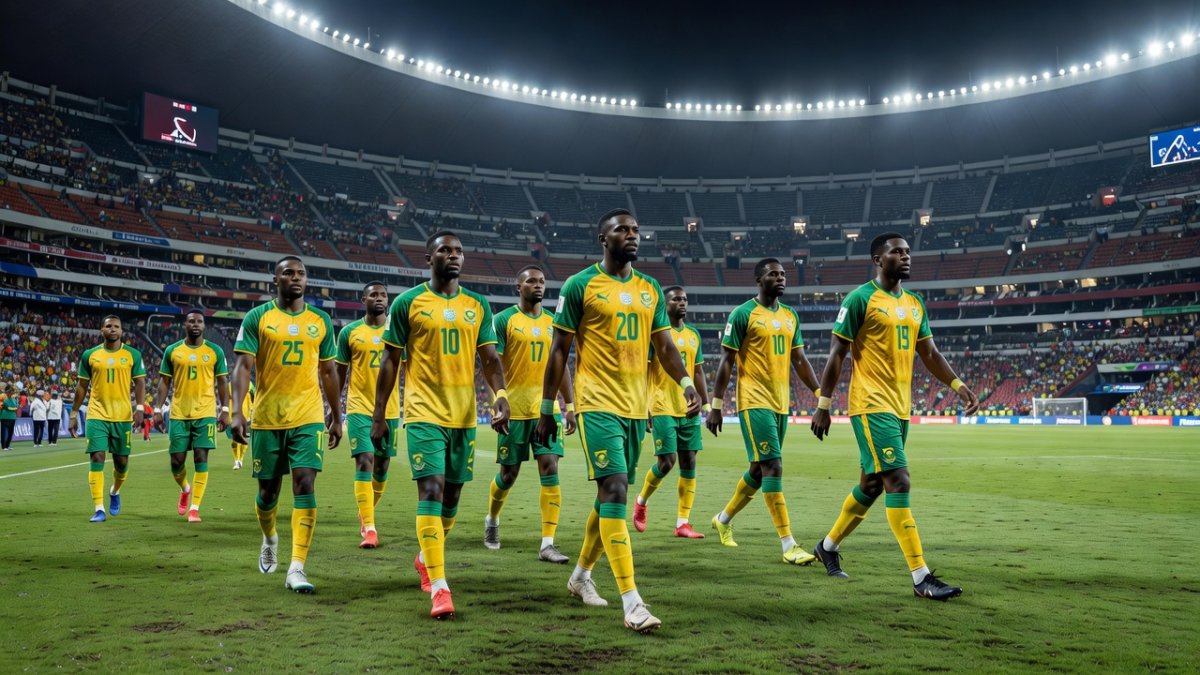
Why This Matters for South African Football
The three-red-card opener carries direct consequences for South Africa's campaign and the perception of African teams at the 2026 tournament. With 10 African sides present, every result influences narratives about continental progress and the investment required to compete consistently at this level. Bafana Bafana's two red cards exposed areas that Hugo Broos must address before the next group fixtures.
For fans across South Africa, the match underscored the fine margins that separate progress from disappointment on the global stage. The return after 16 years remains a milestone regardless of the scoreline, yet the disciplinary record demands immediate attention if the team intends to secure points in subsequent games. Mexico's victory as co-host sets a tone for the tournament, while South Africa must regroup with the knowledge that their World Cup journey continues.
Looking Ahead in Group A
Group A still holds remaining matches that will determine whether South Africa can salvage points and advance. The lessons from the Estadio Azteca defeat, particularly around maintaining discipline, will shape preparations under Broos. Ronwen Hayden's leadership will remain central as the squad focuses on recovery and tactical refinement.
The broader context of Africa's record participation adds weight to every result, as nations across the continent monitor how early setbacks translate into long-term development. South African football now turns its attention to the next fixtures, carrying the passion and expectations that define the sport in the country.
By Dante Williams, Staff WriterThis article was produced with AI-assisted research and editorial support. Reporting is based on sources cited in the article.
What's Your Reaction?
 Like
0
Like
0
 Dislike
0
Dislike
0
 Love
0
Love
0
 Funny
0
Funny
0
 Wow
0
Wow
0
 Sad
0
Sad
0
 Angry
0
Angry
0

Breaking News and Investigations Correspondent at Global1.News. Based in London, covering global breaking news, security, and investigative stories. Known for digging deeper and connecting the dots across continents.











Comments (0)