
One Year After Sisaket: A Community Remembers
since the rocket attack that shattered lives at a Sisaket petrol station along the Thai-Cambodian border, claiming eight civilians and leaving deep scars on the Isaan community. Families, monks, and officials recently gathered for a quiet merit-making ceremony to honor the fallen, yet the trauma of that July day still lingers in startled hearts and empty chairs. In the gentle hills where kinship meets sorrow, this anniversary reminds us of the enduring need for peace and healing.
One Year After Sisaket: A Community Remembers
Sisaket, Thailand — Article continues...
Honoring the Fallen at the Kantharalak Petrol Station
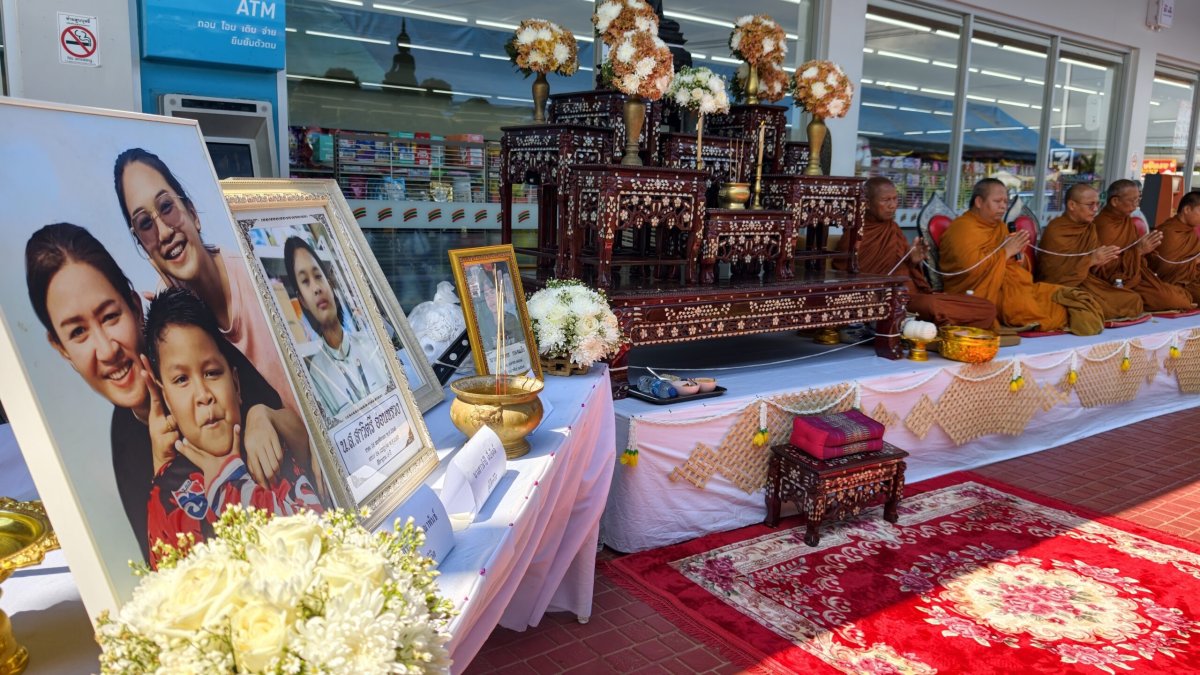
On Wednesday, families, local residents and security officials gathered at the PTT petrol station in Ban Phue, Kantharalak district, Sisaket province, for a merit-making ceremony marking the first anniversary of the Cambodian rocket attack.
Buddhist monks from the local sangkha chanted prayers and dedicated merit to the eight civilians killed when a BM-21 multiple rocket launcher struck the station on July 24 last year during the opening day of armed clashes between Thai and Cambodian forces.
The ceremony took place two days before the exact anniversary date because the monks were available on Wednesday, according to Kamonrat Phonsettalerd, owner of the petrol station.
In the gentle hills of Isaan, where the Thai-Cambodia border has long whispered stories of both kinship and sorrow, the July 2025 clashes at Kantharalak echo a deeper history of tension. The Preah Vihear temple dispute, rooted in colonial-era maps and unresolved since the 1962 International Court of Justice ruling, flared into violence during 2008-2011 clashes that claimed dozens of lives on both sides. These moments remind us how sacred spaces can divide as much as they unite, with families on either border sharing rice harvests yet fearing the next spark. The recent rocket strikes fit into this long arc, where old grievances resurface amid shifting regional powers, urging us to seek the quiet strength of dialogue that Thai elders have always cherished.
The BM-21 'Grad' multiple rocket launcher, a Soviet-era system from the 1960s, can unleash 40 rockets in mere 20 seconds, its range stretching several kilometers with devastating spread. Its deployment near civilian zones in this latest incident carries heavy weight, as such weapons blur the line between military targets and the everyday lives of farmers and traders. In Thai hearts, this raises quiet questions about protection and restraint, for the land here holds not just soldiers but grandmothers tending mango groves and children cycling to school, their safety woven into the very fabric of border harmony.
Ban Phue in Kantharalak district lies in rural Sisaket, where Isaan families have long depended on agriculture and cross-border trade for their modest livelihoods. The attack shattered this rhythm, scattering livestock and halting the flow of goods that once connected Thai and Cambodian markets in warm exchange. Yet even amid the dust, the resilient spirit of these communities shines, as neighbors gather to replant fields and share stories of endurance, reminding us that peace grows from the soil of shared humanity.
Buddhist Rituals and Community Grief in the Isaan Region
Grieving relatives placed offerings and listened as the monks recited chants to bring peace to the spirits of the deceased in keeping with long-standing Thai Buddhist traditions of merit-making for those who have passed.
Busaba Khamwang, mother of one victim, attended the ceremony and stated that the pain of losing her son has not faded despite the passage of a year, adding that no amount of assistance can replace her child.
She expressed her greatest wish that the violence along the border never happens again, reflecting the deep desire for stability shared by many in the Isaan communities of Sisaket province.
Merit-making, or thambun, lies at the heart of Thai Buddhist life, offering a gentle path for families to honor the departed and ease the spirits toward peace. In ceremonies following the Kantharalak tragedy, monks chant softly while villagers offer alms, their actions weaving a tapestry of healing that binds the community closer. These rituals matter deeply because they transform raw sorrow into shared purpose, allowing the living to find solace in the belief that good deeds ripple outward like lotus petals on still water, nurturing both the soul and the village's collective heart.
Isaan communities, often distant from Bangkok's bustling lights, face quiet hardships of poverty and limited opportunities, yet their temples stand as vibrant centers of culture and support. The attack struck at this foundation, disrupting festivals and daily gatherings that sustain the region's rich heritage of folk songs and silk weaving. Still, the warmth of Isaan resilience endures, with elders guiding the young to rebuild through faith and mutual aid, proving that even in Thailand's most challenged corners, cultural roots run deep and nourishing.
Busaba Khamwang's loss of her son reflects the broader reality for many Isaan families, where loved ones often migrate to Bangkok or abroad for work, sending remittances that hold households together. Such a sudden absence creates not only emotional voids but also economic ripples, forcing relatives to shoulder extra burdens with quiet grace. In this context, community rituals become lifelines, offering comfort and reminding everyone that no one walks alone through grief along these ancient borderlands.
Personal Stories of Loss from Komsan Prachan and Others
Komsan Prachan, who lost his wife and two children in the attack, returned to the petrol station site for the first time since the tragedy and described how the visit brought back painful memories of his family.
Although he has received government compensation, Komsan Prachan noted that no financial assistance could erase the loss and urged that renewed fighting be avoided to protect remaining border residents.
Kamonrat Phonsettalerd, the station owner, said memories of the BM-21 strike remain vivid and that loud noises still leave her startled even after twelve months.
The trauma of losing an entire family in a single moment weighs heavily on Komsan Prachan, whose wife and two children were taken at the petrol station. Such profound loss echoes other mass casualty events in Thailand, like past floods or accidents, where survivors carry invisible scars that time alone cannot erase. Yet in the Isaan way, these stories unfold with tender dignity, as neighbors offer silent presence and small acts of kindness, helping the bereaved navigate the long road toward light while honoring the memories that linger like incense in the evening air.
Thailand's government compensation for civilian victims of border incidents provides some financial relief, often covering basic needs but falling short of the deeper emotional recovery required. Programs offer modest sums for medical care and funerals, yet they cannot mend the quiet ache of empty chairs at family tables. This gap highlights the need for holistic support, blending aid with counseling rooted in Buddhist compassion, so that healing touches both the purse and the spirit in equal measure.
Kamonrat Phonsettalerd's ongoing struggle with PTSD, startled by sudden loud noises, speaks to the lasting psychological toll on border survivors. In rural Sisaket, where daily life once hummed with market calls and temple bells, such triggers disrupt the gentle flow of seasons. Community efforts now include quiet gatherings for shared breathing exercises and storytelling, fostering resilience so that the next generation may grow in safety and peace, their hearts shielded by collective care.
Rebuilding Livelihoods in Sisaket Border Villages
Border communities in Kantharalak district continue to struggle to rebuild livelihoods damaged by the attack that also injured 13 people and caused extensive damage to the petrol station and nearby properties.
Residents have rehearsed evacuation plans and stand prepared to leave immediately if authorities from the Royal Thai Army issue another warning about potential clashes.
These preparations highlight the ongoing resilience of Isaan families who maintain daily routines while remaining alert to developments along the Thai-Cambodia frontier.
The damage to the PTT petrol station in Kantharalak has rippled through local economies, cutting fuel supplies essential for farmers transporting rice and cassava across dusty roads. Recovery timelines stretch as crews work patiently to restore pumps and tanks, yet villagers adapt with shared resources and alternative routes, their determination reflecting the enduring Isaan bond with the land. This incident underscores how border incidents touch not just security but the simple rhythms of trade that sustain families from one harvest to the next.
Evacuation rehearsals in these villages involve careful drills where families practice gathering essentials and moving to safe zones, all while striving to preserve the normalcy of school runs and market days. Communities balance preparation with hope, teaching children the value of calm awareness without letting fear overshadow their laughter. Such efforts strengthen the fabric of daily life, ensuring that even amid uncertainty, the warmth of routine offers comfort and continuity.
Since the July 2025 clashes, the Royal Thai Army has bolstered border protection with increased troop presence and early warning systems along the frontier. These measures aim to safeguard villages like those in Sisaket, blending vigilance with respect for civilian spaces. As patrols move gently through the countryside, they carry the promise of stability, allowing farmers and traders to focus once more on growth and the quiet joys of community life.
Implications for Thailand's Border Security and ASEAN Stability
The memorial underscores the human cost of the July 24 clashes and raises questions about long-term security measures needed to protect civilian sites such as the PTT station in Ban Phue from future cross-border incidents.
For Thai readers in the Isaan region, the event demonstrates why sustained dialogue through the Thai Ministry of Foreign Affairs remains essential to prevent renewed fighting that could again endanger communities near Sisaket.
Regional peace in Southeast Asia depends on avoiding escalation, as any return to armed conflict would affect not only local families but also broader ASEAN efforts to maintain stable borders between Thailand and Cambodia.
ASEAN's mechanisms, including the Thailand-Cambodia Joint Commission on Demarcation for Land Boundary, offer structured paths for resolving disputes through patient talks and surveys. Progress has been slow yet steady, with recent meetings fostering small steps toward clearer borders that honor both nations' histories. In this framework, Thailand's voice remains one of measured diplomacy, seeking solutions that protect lives while nurturing the regional family ties that define Southeast Asia's gentle strength.
The Thai-Cambodia situation fits into a wider regional tapestry, where Myanmar's civil war strains Thai borders, Sabah disputes linger between Malaysia and the Philippines, and South China Sea tensions simmer. Each challenge calls for the same spirit of dialogue that has long guided ASEAN, reminding us that shared waters and lands thrive best under cooperation rather than conflict, with Thailand positioned as a steady bridge in these waters.
Preventing another rocket attack would require thoughtful steps like demilitarized zones, enhanced intelligence sharing, and sustained diplomatic engagement between neighbors. These measures, rooted in mutual respect, could transform tense frontiers into zones of quiet exchange, allowing border communities to flourish in safety and the hope that future generations inherit peace instead of echoes of past sorrows.
Community Hopes for Lasting Peace Along the Frontier
Participants at the ceremony prayed for lasting peace, a sentiment echoed by relatives who emphasized that financial support cannot heal the trauma still felt in Kantharalak district one year later.
The gathering at the petrol station served as a reminder that border security involves both military readiness by the Royal Thai Army and the emotional recovery of civilians who live daily with the memory of the BM-21 attack.
By focusing on merit-making and shared remembrance, the Sisaket community continues to draw on Buddhist practices to foster resilience while advocating for diplomatic steps that protect the region from further violence.
The Thai Ministry of Foreign Affairs continues its careful negotiations with Cambodia, building on recent engagements that emphasize open communication and joint patrols. These talks carry the warmth of cultural understanding, seeking agreements that honor the intertwined histories of the two lands. Through such efforts, Thailand extends a hand of friendship, believing that words spoken with sincerity can mend divides and open pathways for enduring harmony along the frontier.
Local peace initiatives flourish through cross-border trade fairs and cultural exchanges, where Thai and Cambodian villagers share temple festivals and folk traditions that span the line. Temple networks, linking sacred sites on both sides, serve as bridges of compassion, hosting joint merit-making events that heal old wounds. These grassroots bonds remind us that peace often begins in the simple acts of neighbors greeting one another across fields, their smiles lighting the way forward.
Despite the deep pain from recent events, Isaan communities hold fast to hopes for lasting peace, their resilience shining like the morning sun over rice paddies. Families rebuild homes and hearts with quiet faith, drawing strength from Buddhist teachings and the land's enduring gifts. In this spirit, the frontier becomes not a barrier but a place of renewal, where the gentle determination of the people promises a future bright with understanding and shared prosperity.
By Ann Srisawat, Staff WriterThis article was produced with AI-assisted research and editorial support. Reporting is based on sources cited in the article.
What's Your Reaction?
 Like
0
Like
0
 Dislike
0
Dislike
0
 Love
0
Love
0
 Funny
0
Funny
0
 Wow
0
Wow
0
 Sad
0
Sad
0
 Angry
0
Angry
0

Southeast Asia Correspondent at Global1.News. Based in Bangkok, covering Thai and Southeast Asian politics, economy, technology, and culture. Deep regional perspective on one of the world's most dynamic regions.











Comments (0)