
Sahel Nations Burkina Faso Mali Niger Bid for 2032 Afcon
d forces in a landmark joint bid to host the 2032 Africa Cup of Nations. Representatives from Burkina Faso, Mali and Niger met in New York before the World Cup final to submit their formal application, marking a fresh chapter of regional ambition on the continental stage. The move reflects both shared heritage and practical cooperation among neighbours facing common challenges.
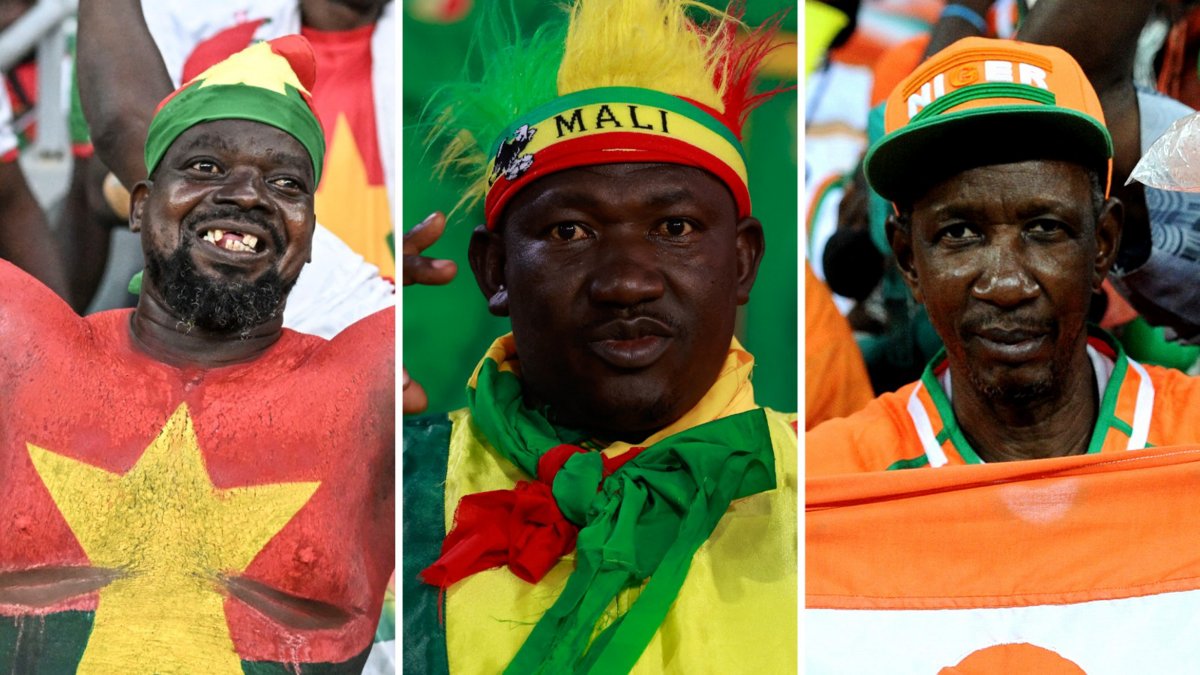
Three Sahel nations have joined forces in a landmark joint bid to host the 2032 Africa Cup of Nations. Representatives from Burkina Faso, Mali and Niger met in New York before the World Cup final to submit their formal application, marking a fresh chapter of regional ambition on the continental stage. The move reflects both shared heritage and practical cooperation among neighbours facing common challenges.
Sahel Nations Unite for 2032 Afcon Bid
Dakar, Senegal — In a meeting attended by Colonel-Major Djibrilla Hima Hamidou of the Fifa Council, representatives from Burkina Faso, Mali and Niger formally submitted their joint application to host the 2032 Africa Cup of Nations. The Malian Football Federation framed the proposal around three pillars: solidarity, regional integration and the sustainable development of African football. CAF had opened the application window for the 2028, 2032 and 2036 editions, and this Sahel trio moved quickly to present a united front.
The Joint Bid Takes Shape
CAF president Patrice Motsepe noted that the bidders will have as good a chance as everybody else. The joint proposal arrives as the Africa Cup of Nations moves to a four-year cycle from 2028, following the first three-nation hosting by Kenya, Tanzania and Uganda in 2027. Burkina Faso hosted in 1998 and Mali hosted in 2002, giving the group prior experience with the event. This approach highlights how smaller nations are stepping forward to shape the future of the tournament while drawing on lessons from past successes.
A successful bid would translate into concrete demands for upgraded stadiums meeting CAF standards, modern training centres, reliable transport corridors linking the three capitals, and improved accommodation for teams and fans. Past tournaments in smaller nations offer clear lessons. Equatorial Guinea in 2012 built new venues that later struggled with upkeep, while Gabon in 2017 showed how shared hosting can spread costs yet still requires careful planning for long-term use. The 2027 East African model, with Kenya, Tanzania and Uganda pooling resources, demonstrates how neighbouring countries can divide matches across borders and create lasting regional connections rather than isolated projects.
From a Senegalese perspective, such practical steps echo the way our own communities have long pooled resources for large celebrations, ensuring that every village contributes what it can so the whole gathering succeeds. The Sahel bid would need similar coordination to avoid the pitfalls seen elsewhere and to turn temporary infrastructure into enduring assets for local football development.
Political Shifts Across the Sahel
These three nations now operate under military governments and left the Economic Community of West African States last year to form the Alliance of Sahel States. The move marked a deliberate turn toward closer cooperation among neighbours who share the same vast landscape and similar security pressures. From a Senegalese vantage point, the development carries weight because Senegal has long viewed the Sahel as an extension of its own cultural and economic space, connected by centuries of trade, migration and family ties that predate modern borders. The Malian Football Federation described the project as rooted in solidarity and regional integration, language that connects directly to the creation of the Alliance of Sahel States and the practical steps the countries are taking together. The bid therefore serves as one visible sign of their shared direction.
Security Realities and CAF's Stance
CAF president Patrice Motsepe stated that the three countries will have as good a chance as any other bidder. He emphasised that they would not be disadvantaged because they are led by military juntas. At the same time, Motsepe noted that democracy, freedom of speech and regular elections remain non-negotiable values for the continent. The security situation on the ground remains fragile, with ongoing attacks by armed jihadist groups. Motsepe plans to visit the countries to discuss football matters directly, a step that signals CAF's willingness to engage rather than dismiss the bid outright. No single country among the three is positioned to host the Africa Cup of Nations alone under current conditions, making the joint bid a practical response to shared circumstances. The proposal therefore reflects both ambition and realism.
Football Roots in the Sahel
Burkina Faso hosted the Africa Cup of Nations in 1998 and Mali followed in 2002. Both tournaments left lasting memories across the region. The Sahel has produced players whose skill and resilience echo the endurance required to live in this demanding climate. Next year's finals, co-hosted by Kenya, Tanzania and Uganda, will mark the first time three nations share the responsibility. From 2028 onward, the tournament will move to a four-year cycle, giving bidders more time to prepare infrastructure and build lasting legacies. The Alliance of Sahel States is also developing joint media outlets, including Daande Liptako Radio and Tafouk TV, platforms that may support wider communication across borders and add another layer to the ongoing effort at closer ties.
Football as Shared Celebration
In Sahelian communities, football matches often unfold like the evening gatherings where griots recount history under the stars. The game carries the same communal spirit that binds families during naming ceremonies or harvest festivals. When supporters fill stadiums, they bring the same energy that animates traditional wrestling matches or market-day storytelling. For people across Burkina Faso, Mali and Niger, hosting Afcon would mean more than infrastructure projects; it would affirm that their daily lives and collective hopes deserve a place on the continental stage. The Malian Football Federation has framed the bid around solidarity and sustainable development, themes that suggest hosting could support everyday connections across the region.
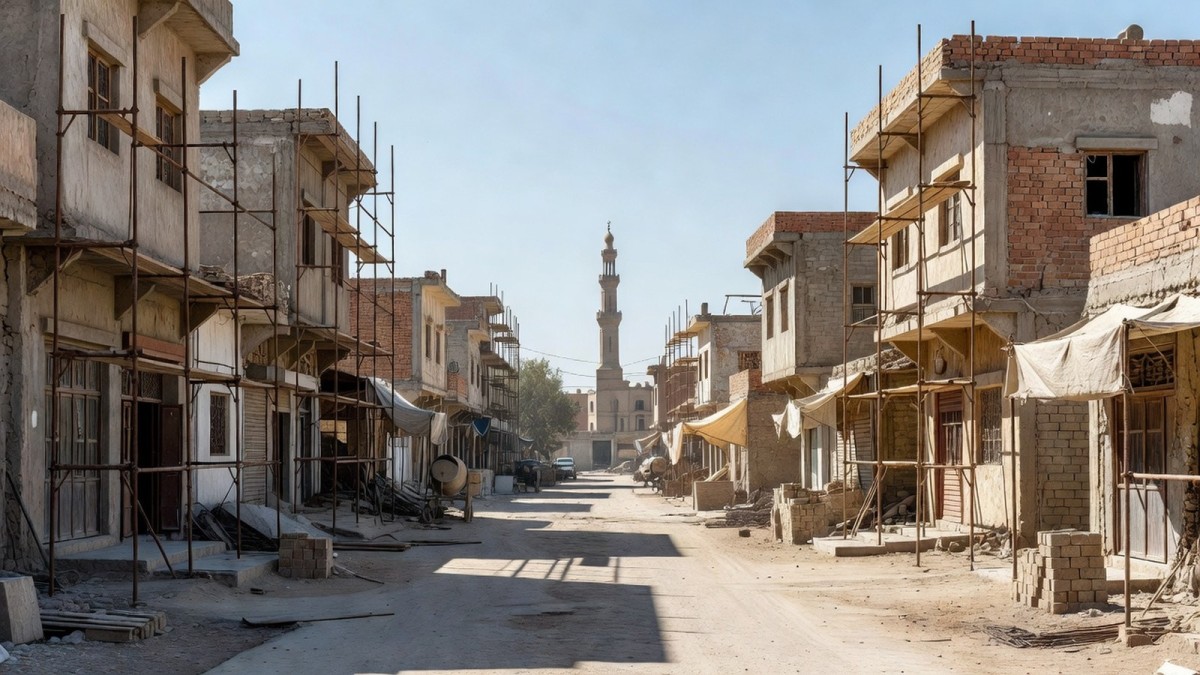
The economics of hosting Afcon extend far beyond ticket sales and broadcast rights. A successful tournament would draw thousands of visitors, boosting hotels and restaurants while creating immediate opportunities for street vendors selling grilled meats, fresh juices and handmade scarves near the stadiums. Local businesses in markets from Ouagadougou to Bamako and Niamey would feel the ripple effects, much as Senegalese traders experience during major cultural festivals when visitors fill every corner with life and spending. Tourism potential for the Sahel lies in showcasing its rich heritage alongside the matches, turning the event into a celebration that benefits entire communities rather than only large contractors.
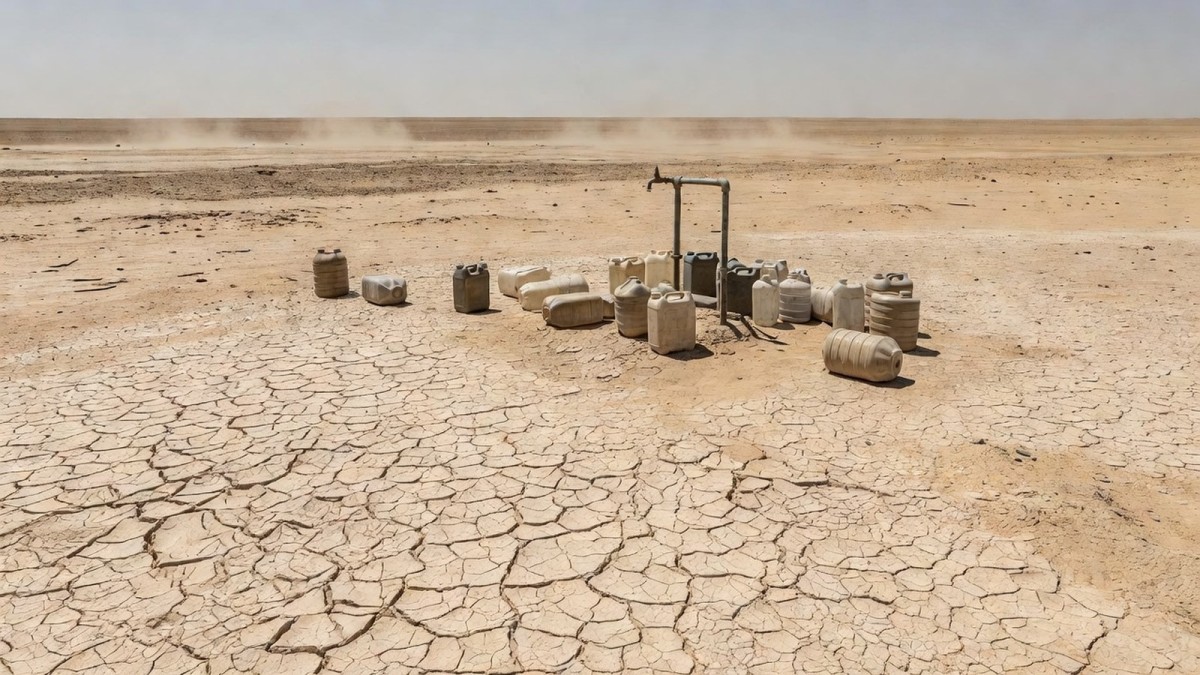
Yet the challenges remain real. Building and maintaining infrastructure in a region facing security concerns and climate pressures such as extreme heat and desertification demands careful, sustainable choices. From Dakar, we understand how fragile gains can be when resources are stretched, and the bid partners would need to balance ambition with practical steps that protect both people and the land they call home.
Implications for West Africa
Senegal watches these developments with a mixture of familiarity and cautious optimism. The three AES nations were once fellow ECOWAS members, and their football federations have long exchanged players, coaches and ideas. The creation of joint media platforms such as Daande Liptako Radio and Tafouk TV shows how cultural cooperation can continue even amid political change. Whether the 2032 bid succeeds or not, the effort highlights a broader desire for regional self-reliance. For Senegal, whose own football identity is rooted in Teranga hospitality and community pride, the Sahel bid serves as a reminder that West African football thrives when neighbours stand together. This initiative could inspire similar cross-border partnerships elsewhere on the continent, strengthening African football's collective voice in global conversations.
This joint effort sends a clear message about the future of African football governance. Smaller nations are asserting their rightful place, moving beyond the pattern where only larger countries hosted major tournaments. By coming together, Burkina Faso, Mali and Niger demonstrate how hosting rights can be democratised, allowing diverse voices to shape the continent's game and ensuring that the spirit of unity, so central to our shared Senegalese and Sahelian traditions, guides the sport forward.
By Amara Diop, Staff Writer
This article was produced with AI-assisted research and editorial support. Reporting is based on sources cited in the article.
What's Your Reaction?
 Like
0
Like
0
 Dislike
0
Dislike
0
 Love
0
Love
0
 Funny
0
Funny
0
 Wow
0
Wow
0
 Sad
0
Sad
0
 Angry
0
Angry
0

West Africa/Sahel Correspondent at Global1.News. Dakar-based journalist covering politics, security, climate, and development across Francophone and Anglophone West Africa. Tells the stories of a region undergoing profound transformation.









Comments (0)