
Japan FTC Fines 30 Firms Over Condo Renovation Bid-Rigging
Japan FTC to Fine 30 Firms Over Condo Renovation Bid-Rigging According to a Japan Times report published June 12, 2026, Japan's Fair Trade Commission is preparing to fine 30 construction companies for colluding on bids for large-scale condominium renovation projects in the Kanto region. The firms pre-selected contractors before formal bidding, eliminating genuine competition on
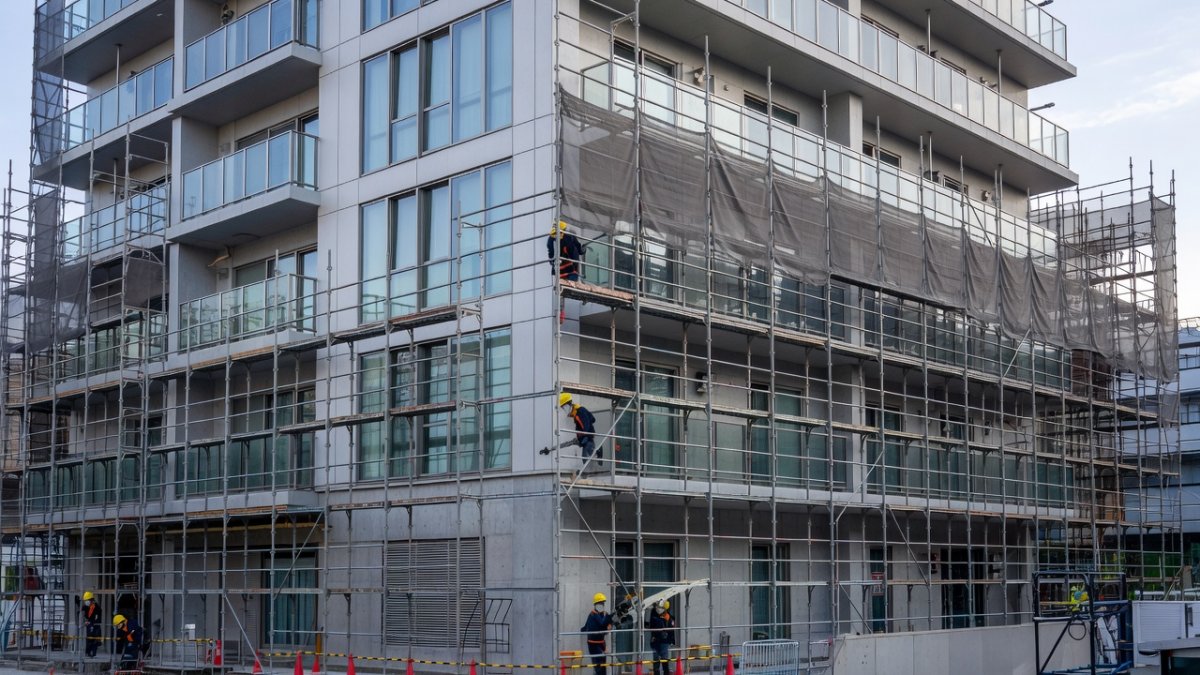
Japan FTC to Fine 30 Firms Over Condo Renovation Bid-Rigging
According to a Japan Times report published June 12, 2026, Japan's Fair Trade Commission is preparing to fine 30 construction companies for colluding on bids for large-scale condominium renovation projects in the Kanto region. The firms pre-selected contractors before formal bidding, eliminating genuine competition on projects worth billions of yen.
Tags: Japan FTC, bid-rigging, dango, Antimonopoly Act, Kanto condo market, construction industry, JFTC fines, METI, condominium renovation, corporate compliance
The FTC Action: Pre-Selection of Contractors in Kanto Projects
The Japan Fair Trade Commission investigation uncovered a systematic scheme in which the 30 firms coordinated to designate winners for renovation contracts on aging condominiums across Tokyo, Kanagawa, Saitama, Chiba, Ibaraki, Tochigi, and Gunma prefectures. Rather than allowing open competition, the companies met in advance to allocate projects among themselves. This practice ensured each participant received a predetermined share of work while maintaining the appearance of competitive bidding.
The JFTC documented multiple instances where bid prices were inflated by 15 to 25 percent above market rates. The commission is expected to issue surcharge payment orders under the Antimonopoly Act, targeting the firms' relevant sales from the rigged contracts. This action follows standard JFTC procedure for bid-rigging violations.
How Dango Operates in Japan's Construction Sector
Dango functions through a structured rotation system. Companies first divide upcoming public and private projects into informal allotments. They then submit coordinated bids, with the designated winner submitting the lowest price while others submit higher figures to create the illusion of competition. Losers receive compensation through future allocations or side payments.
Keiretsu relationships reinforce this system. Major general contractors maintain tight networks with subcontractors and material suppliers, creating closed circles that limit outsider participation. These vertical and horizontal alliances reduce the number of genuine competitors and make collusion easier to sustain over multiple bidding cycles.
The construction sector's vulnerability stems from its project-based nature, high fixed costs, and reliance on long-term relationships. With Japan's annual construction market valued at approximately ¥50 trillion, even small markups on renovation work generate substantial profits for participants in dango schemes.
Japan's Legal Framework: Antimonopoly Act and JFTC Enforcement
The Antimonopoly Act prohibits private monopolization and unfair trade practices, including bid-rigging. The JFTC holds authority to investigate violations, issue cease-and-desist orders, and impose administrative surcharges. For large corporations, these surcharges can reach up to 10 percent of the relevant sales generated during the violation period.
Enforcement follows a consistent pattern. The commission calculates affected sales from the rigged contracts, applies the statutory rate, and issues payment orders. Criminal referrals to prosecutors remain possible in severe cases, though administrative surcharges constitute the primary penalty. The JFTC coordinates with the Ministry of Economy, Trade and Industry on competition policy affecting regulated industries such as construction, ensuring antitrust measures align with broader industrial objectives.
Recent precedent includes the 2025 Tokyo Olympics-related bid-rigging case, which resulted in ¥3.3 billion in fines against Dentsu and associated firms. That action demonstrated the commission's willingness to pursue large-scale collusion in public-adjacent projects.
The Kanto Region's Central Role in Condominium Renovations
The Kanto region contains Japan's highest concentration of aging condominium stock requiring large-scale repairs. Many buildings constructed during the 1970s and 1980s now face mandatory seismic and safety upgrades. These projects typically exceed ¥100 million each, creating attractive targets for coordinated bidding.
High population density and strict building regulations amplify project values. Renovation demand is expected to remain elevated through the 2030s as buildings reach critical maintenance thresholds. The JFTC's focus on Kanto reflects both the volume of activity and the economic harm to homeowners who ultimately bear inflated costs through management fees and special assessments.
Historical Context: Persistent Dango Culture in Construction
Bid-rigging has characterized Japanese public works and private construction for decades. The term "dango" itself dates to the postwar period when industry associations openly allocated contracts. Although overt industry-wide cartels largely ended after the 1990s, localized collusion persists in specific market segments such as condominium renovations.
Keiretsu structures and long-standing subcontractor relationships create structural barriers to new entrants. Past JFTC actions against road-paving and bridge-construction cartels showed similar patterns of pre-arranged bidding. The current condominium case follows the same template, indicating that enforcement pressure alone has not eliminated the underlying incentives for collusion.
Implications for Condo Owners, Housing Market, and Industry Reform
Kanto condominium owners face direct financial consequences from inflated renovation costs, which translate into higher monthly management fees and larger one-time assessments. In extreme cases, owners may delay necessary repairs, accelerating building deterioration and reducing property values.
The broader housing market absorbs these costs through elevated resale prices and insurance premiums. Persistent dango practices also distort resource allocation, directing work toward established firms rather than more efficient competitors. This reduces overall productivity in a sector already facing labor shortages.
For the construction industry, sustained JFTC scrutiny combined with METI oversight may accelerate reforms. Companies could face internal compliance requirements, third-party bid monitoring, and greater transparency in subcontractor selection. Homeowner associations may increasingly demand independent cost audits before approving major projects.
What to Watch: Next Steps from the FTC and Potential Reforms
The JFTC is expected to finalize surcharge orders within the coming months. Affected firms may appeal through administrative hearings or court proceedings. Observers should monitor whether the commission expands its investigation to additional regions or project types.
Legislative proposals could strengthen criminal penalties or introduce mandatory debarment from public contracts for repeat offenders. METI may promote digital bidding platforms that reduce opportunities for pre-meeting coordination. Industry associations could face renewed pressure to dissolve informal allocation mechanisms that sustain dango practices.
Continued enforcement will determine whether the current action marks a turning point or merely another chapter in Japan's long-running effort to eliminate construction collusion.
By Kenji Tanaka, Staff Writer
This article was produced with AI-assisted research and editorial support. Reporting is based on sources cited in the article.
What's Your Reaction?
 Like
0
Like
0
 Dislike
0
Dislike
0
 Love
0
Love
0
 Funny
0
Funny
0
 Wow
0
Wow
0
 Sad
0
Sad
0
 Angry
0
Angry
0

Japan Correspondent at Global1.News. Tokyo-based voice covering Japanese politics, technology, economy, and culture. Tracks the intersection of tradition and innovation in one of the world's most dynamic societies.















Comments (0)