
Japan Leads Seven-Nation Bid for 2046 FIFA World Cup
Khaosod English reported recently that the Japan Football Association has formally announced a joint bid to host the 2046 FIFA World Cup with seven nations: Japan, South Korea, China, Thailand, Indonesia, Malaysia, and Singapore. The announcement, made this week, marks the first coordinated effort of its kind between East Asian and Southeast Asian football federations.
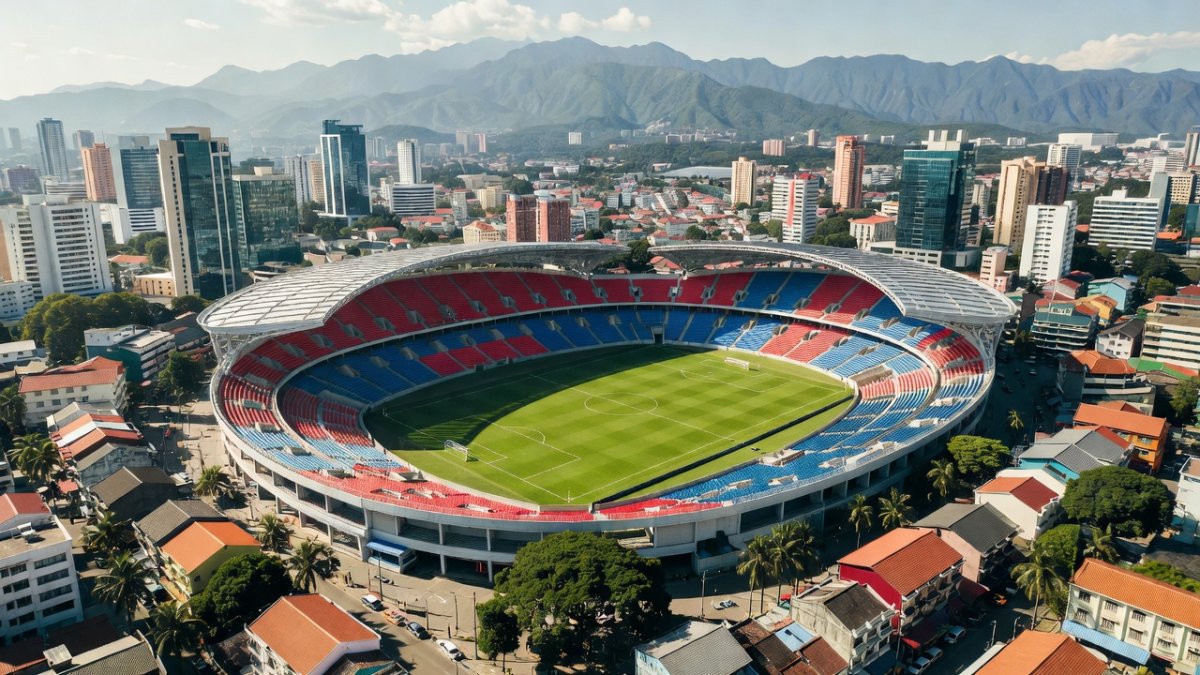
Japan Football Association Unveils Seven-Nation Bid for 2046 FIFA World Cup
Khaosod English reported recently that the Japan Football Association has formally announced a joint bid to host the 2046 FIFA World Cup with seven nations: Japan, South Korea, China, Thailand, Indonesia, Malaysia, and Singapore. The announcement, made this week, marks the first coordinated effort of its kind between East Asian and Southeast Asian football federations. According to the report, the bid aims to distribute matches across multiple countries to showcase regional diversity and shared infrastructure. Officials emphasize that this collaborative model would allow each participating nation to contribute its unique strengths while meeting FIFA’s rigorous standards for venues, logistics, and fan experiences.
The Seven Nations and Their Proposed Roles
The seven countries listed in the Japan Football Association announcement are Japan, South Korea, China, Thailand, Indonesia, Malaysia, and Singapore. Khaosod English noted that each nation would contribute venues and organizational capacity. Japan is expected to handle the largest share of matches, while Southeast Asian partners would focus on group-stage and early knockout games. The bid document emphasizes equitable revenue sharing and joint marketing under a single ASEAN-East Asia banner. This structure seeks to balance the technical expertise of more established football nations with the vibrant energy and growing fan bases of Southeast Asia, creating a tournament that feels truly representative of the wider region.
Thailand's Football Association and Sports Authority Prepare for Co-Hosting
Thailand's participation would be coordinated by the Football Association of Thailand and the Sports Authority of Thailand. These bodies would oversee venue upgrades and logistics for matches likely scheduled in Bangkok, Chiang Mai, and Phuket. The Football Association of Thailand has already begun internal reviews of stadium standards, while the Sports Authority of Thailand is tasked with coordinating security and transport plans. Khaosod English reported that Thai officials view the bid as a direct extension of the country's existing national sports development strategy, one that prioritizes sustainable growth and community involvement alongside international prestige.
Connecting Through Thai Culture and Football Passion
Football in Thailand carries deep cultural resonance that extends beyond the pitch. The sport often serves as a bridge between generations, with families gathering to watch matches in village squares or urban parks. Khaosod English highlighted how the seven-nation bid could amplify these traditions by inviting international visitors to experience Thai hospitality alongside the games. Local customs such as pre-match community feasts and traditional music performances at stadium entrances would add a distinctive warmth to the tournament atmosphere, reflecting Thailand’s gentle spirit of welcome and shared celebration.
A Rich History of Thai Football
Thai football has evolved steadily over decades, moving from modest regional competitions to a more structured professional league. Early clubs drew inspiration from community teams that played on school fields and temple grounds. Khaosod English noted that this grassroots foundation continues to influence the national approach to the 2046 bid, with planners drawing on lessons from past domestic tournaments to ensure smooth operations across multiple provinces. The history of steady progress gives Thai organizers quiet confidence in their ability to deliver a world-class event.
Thailand's Experience Hosting SEA Games and Asian Games
Thailand has hosted the Southeast Asian Games multiple times, most recently in 2007 and 2015, and staged the 1998 Asian Games in Bangkok. These events required upgrades to Rajamangala Stadium and the construction of supporting facilities in Nonthaburi and Pathum Thani. Organizers gained practical experience in managing large international crowds, ticketing systems, and broadcast operations. The Sports Authority of Thailand has cited these past projects as proof that the country can meet FIFA's technical requirements for 2046, particularly in areas such as crowd flow, medical services, and media facilities.
Highlighting Specific Thai Venues for the Tournament
Potential host venues include the iconic Rajamangala National Stadium in Bangkok, known for its expansive seating and central location. In the north, Chiang Mai’s municipal stadium offers cooler climates and scenic surroundings that could appeal to both players and spectators. Phuket’s modern facilities near the coast would provide a tropical setting for evening matches. Khaosod English reported that preliminary assessments already consider accessibility, training pitches nearby, and integration with local transport networks to ensure every venue meets international expectations.
The 2002 Korea-Japan World Cup Legacy and Japan's Return
Japan last hosted World Cup matches in 2002, when it co-hosted the tournament with South Korea. That edition introduced new stadiums such as Saitama Stadium and Shizuoka Stadium and left a lasting infrastructure legacy. Khaosod English reported that the current seven-nation bid explicitly references the 2002 model as a template for cross-border cooperation. Japanese officials have stated that 2046 would represent Japan's first return to World Cup hosting duties in 44 years, building on proven methods of shared organization while expanding the partnership to include Southeast Asian voices.
Investing in Youth Development Programs
The bid places strong emphasis on nurturing young talent across all seven nations. Joint academies and exchange programs would allow Thai teenagers to train alongside peers from Japan and South Korea. Khaosod English noted that such initiatives could extend beyond the tournament itself, creating lasting pathways for players who might otherwise lack access to high-level coaching. Thai football leaders see this focus on youth as essential for sustaining the sport’s growth long after the final whistle of 2046.
ASEAN Football Cooperation and the Thai League Connection
The bid aligns with growing ASEAN football ties. The Thai League has increased regional player exchanges, and stars such as Chanathip Songkrasin have competed in Japan's J-League, raising Thailand's profile. Football Association of Thailand officials believe the 2046 bid could accelerate similar pathways for other Thai players. Khaosod English noted that the seven-nation framework would also encourage joint youth tournaments and coaching programs among the participating countries, strengthening bonds that already exist through regular club competitions.
Analyzing Regional Cooperation in Southeast Asia
Regional cooperation under this bid would require careful coordination of immigration procedures, broadcasting schedules, and security protocols. Khaosod English reported that early discussions have focused on creating unified ticketing systems and shared digital platforms so fans can follow matches seamlessly across borders. This level of collaboration could set a precedent for future multi-nation sporting events in the region, demonstrating how diverse countries can work together toward common goals while respecting each nation’s sovereignty and cultural identity.
Economic Impact and Infrastructure Development Plans
Major sporting events have historically boosted Thai tourism and construction sectors. The 2015 SEA Games contributed to hotel occupancy rates above 85 percent in host provinces and accelerated road projects linking Bangkok with eastern venues. For 2046, the Sports Authority of Thailand has identified potential upgrades at Rajamangala National Stadium and new training centers in Chonburi. Economists estimate that hosting even a portion of World Cup matches could generate several billion baht in direct spending on accommodation, transport, and media services.
Economic Projections and Long-Term Benefits
Longer-term projections suggest sustained gains in tourism infrastructure and job creation. Upgraded stadiums and transport links would continue serving domestic leagues and international friendlies for years afterward. Khaosod English cited analysts who expect increased foreign investment in sports-related businesses, from equipment manufacturing to hospitality training. These benefits would extend beyond Bangkok to secondary cities, helping distribute economic activity more evenly across Thailand while strengthening the country’s position as a regional sports hub.
Next Steps for Thai Officials and Regional Partners
Following the Japan Football Association announcement, Thai authorities plan to form a joint steering committee with counterparts from the other six nations. The Football Association of Thailand will submit detailed venue assessments to FIFA by the end of 2026. Khaosod English reported that discussions will also cover broadcasting rights and sustainability measures, including carbon-neutral match operations. Thai fans and local clubs are expected to play a visible role in promoting the bid domestically, ensuring the excitement reaches every corner of the kingdom.
By Ann Srisawat, Staff WriterThis article was produced with AI-assisted research and editorial support. Reporting is based on sources cited in the article.
What's Your Reaction?
 Like
0
Like
0
 Dislike
0
Dislike
0
 Love
0
Love
0
 Funny
0
Funny
0
 Wow
0
Wow
0
 Sad
0
Sad
0
 Angry
0
Angry
0

Southeast Asia Correspondent at Global1.News. Based in Bangkok, covering Thai and Southeast Asian politics, economy, technology, and culture. Deep regional perspective on one of the world's most dynamic regions.














Comments (0)