
Trump Cancels Iran Strikes, Claims Deal Close — Israel Says It's Not at the Table
In a recent i24NEWS report that has reshaped the diplomatic landscape across the Middle East, President Donald Trump announced on Truth Social that he had canceled scheduled strikes and bombings against Iran, claiming that discussions had been brought to the highest level of Iranian leadership and approved. The announcement, which came after a day of escalating threats includin
In a recent i24NEWS report that has reshaped the diplomatic landscape across the Middle East, President Donald Trump announced on Truth Social that he had canceled scheduled strikes and bombings against Iran, claiming that discussions had been brought to the highest level of Iranian leadership and approved. The announcement, which came after a day of escalating threats including Trump's vow to seize Kharg Island and hit Iran "VERY HARD, TONIGHT," represents one of the most dramatic policy reversals in the ongoing Iran-US crisis. For Israeli security officials in Tel Aviv and Jerusalem monitoring their northern and eastern fronts, the sudden pivot from military escalation to diplomatic framework raises urgent questions about the reliability of any agreement negotiated without direct Israeli participation at the table.
Trump's Iran Reversal Sparks Israeli Concerns Over Unilateral Diplomacy
Jerusalem, Israel – this week — President Donald Trump announced on Truth Social on Thursday that he had canceled scheduled strikes and bombings against Iran after discussions reached the highest level of Iranian leadership and received approval. The move followed Trump's earlier vow to seize Kharg Island and hit Iran "VERY HARD, TONIGHT," marking a sharp policy shift in the ongoing crisis. Israeli security officials in Tel Aviv and Jerusalem now face urgent questions about agreements negotiated without direct Israeli input at the table.
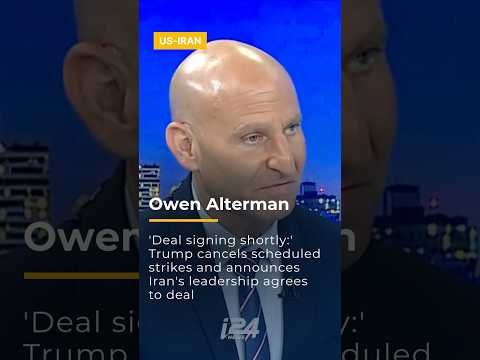
Details of the Announcement and the 60-Day Framework
President Donald Trump stated on Truth Social on Thursday that an MOU had been approved in concept and great detail by the United States, Saudi Arabia, the UAE, and Qatar. The framework extends the ceasefire for 60 days, including Lebanon, and opens a window for nuclear negotiations. It specifically addresses Iran's enriched uranium stockpile while keeping the US naval blockade in place until the deal is finalized.
Trump described the deal as a little conceptual but insisted it was going to get done, adding that Iran will never have a nuclear weapon. The Kharg Island operation was taken off the table following the announcement, which also led to a drop in oil prices. Earlier on Thursday, Trump had threatened to take Kharg Island and seize Iranian oil infrastructure.
The MOU does not include Israel as a party, according to statements from the Israeli Prime Minister's Office. Netanyahu spoke with Trump, but the announcement took the Israeli leader by surprise, as reported by CNN. Israeli sources indicated that Israel does not recognize the agreement reached, per Channel 12 reporting.
UN Secretary-General Guterres called for full ceasefire implementation in the wake of the announcement. Pakistan PM Shehbaz Sharif claimed the final text had been agreed. The framework builds on the ceasefire undermined by sporadic retaliatory strikes in recent months and follows the broader tensions that included the Twelve-Day War.
Forward-looking analysis from Israeli analysts in Jerusalem focuses on how easing sanctions under this framework could fund proxy activities by Iran. The 60-day period is intended to allow nuclear negotiations, yet the US naval blockade remains active as a leverage tool. This structure raises questions about enforcement mechanisms during the window.
Netanyahu's Reaction and Israel's Exclusion from the Deal
Prime Minister Benjamin Netanyahu expressed appreciation for the US commitment on enriched material removal, missile limits, and an end to proxy support during his call with Trump. However, the PMO confirmed that Israel is not a party to the MOU. Tensions between Trump and Netanyahu had already surfaced in recent weeks over US nuclear talks with Iran.
Israeli officials view any Iran nuclear deal as an existential threat, a position reinforced by the exclusion from the current framework. Netanyahu's surprise at the announcement highlights the lack of coordination with Jerusalem on key security matters. The Prime Minister's Office emphasized that Israel maintains its independent assessment of the agreement's viability.
IDF units have maintained heightened readiness along the northern border with Lebanon and in the West Bank amid the diplomatic developments. This posture reflects ongoing concerns that Hezbollah operations from Lebanon intersect directly with Iran dynamics. Israeli security assessments continue to track potential gaps in the MOU's coverage of proxy threats.
Historical precedents show that past agreements negotiated without Israeli participation often required subsequent adjustments to address Jerusalem's core concerns. Netanyahu's team is now evaluating how to influence the nuclear negotiations window during the 60-day period. The exclusion underscores broader questions about the reliability of frameworks that bypass direct Israeli input.
Forward-looking analysis suggests Netanyahu may seek bilateral assurances from Washington to supplement the MOU. Israeli analysts note that the surprise element could strain coordination on other regional files. The PMO's measured response aims to preserve channels with the Trump administration while signaling Israel's red lines.
Iranian Denials and Internal Political Dynamics
Foreign Ministry spokesman Esmail Baghaei stated that Iran has not reached a final conclusion on the agreement. Tasnim reported that Trump had claimed imminent deals 38 times in the past two months, casting doubt on the latest announcement. Supreme Leader Khamenei has reportedly not given final approval to the framework.
Sticking points remain over frozen assets, Strait of Hormuz reopening, and the precise nuclear framework. Iranian officials continue to emphasize that no final text has been endorsed at the highest levels. This internal dynamic creates uncertainty about whether the 60-day ceasefire extension will hold.
Israeli analysts in Jerusalem monitor how these Iranian political divisions could affect proxy activities supported by eased sanctions. The lack of Khamenei's approval introduces risks that the MOU could unravel before nuclear talks advance. Baghaei's comments reflect Tehran's cautious approach to public commitments.
Historical patterns show that Iranian leadership often uses public denials to manage domestic factions during sensitive negotiations. The current situation follows similar dynamics seen in earlier rounds of talks. Forward-looking analysis indicates that verification of any stockpile commitments will face immediate hurdles from these internal debates.
Regional observers note that sporadic retaliatory strikes in recent months already tested the prior ceasefire, and similar frictions could reemerge. Iran's position on the naval blockade adds another layer of complexity to implementation. Israeli security officials track these statements closely for signs of shifting Iranian posture.
Regional Fallout Across the Middle East
The MOU's approval by Saudi Arabia, the UAE, and Qatar signals shifting Gulf alignments that could influence energy markets and security cooperation. Oil prices fell immediately after Trump's Thursday announcement, reflecting market relief over de-escalation. Yet the continued US naval blockade maintains pressure on Iranian oil exports through the Strait of Hormuz.
Lebanon ceasefire provisions intersect with Hezbollah operations, raising questions about enforcement along Israel's northern border. The 60-day extension aims to create space for broader diplomacy, but sporadic incidents could undermine progress. Gulf states' involvement highlights their interest in limiting Iranian proxy influence.
Israeli analysts assess that any easing of sanctions under the framework could indirectly bolster Hezbollah and other groups. The exclusion of Israel from the MOU leaves Jerusalem to coordinate separately with Washington on northern front threats. Regional dynamics now include potential reopening of the Strait of Hormuz as a bargaining chip.
UN Secretary-General Guterres urged full implementation to prevent renewed escalation. Pakistan PM Shehbaz Sharif's claim of an agreed final text adds another diplomatic layer. Forward-looking analysis points to risks that proxy support could continue despite the missile limits mentioned in Netanyahu's appreciation statement.
The Twelve-Day War and earlier tensions provide context for why Gulf states engaged in the MOU. Israeli security concerns focus on how these regional shifts affect the West Bank and northern border postures. The framework's success depends on sustained coordination among the signatories.
Diplomatic Landscape and Verification Challenges
The MOU's conceptual nature leaves significant room for interpretation on enriched uranium stockpile management and missile limits. Trump stated that discussions had been approved at the highest Iranian levels, yet Iranian denials from Esmail Baghaei contradict this claim. Verification mechanisms remain undefined in public statements.
Israeli sources emphasize that Jerusalem does not recognize the agreement, complicating any joint monitoring efforts. The 60-day window for nuclear negotiations will test whether frozen assets and Strait of Hormuz issues can be resolved. Historical precedents from prior deals show that verification often becomes the first point of friction.
US naval blockade enforcement continues as leverage until finalization, according to the framework details. Netanyahu's appreciation for commitments on proxy support reflects Israeli priorities, but implementation details are absent. Forward-looking analysis highlights the challenge of aligning US, Gulf, and Israeli intelligence on compliance.
Guterres's call for full ceasefire implementation underscores international interest in stability. The involvement of Saudi Arabia, UAE, and Qatar introduces additional verification actors with their own interests. Iranian internal dynamics, including Khamenei's reported non-approval, add uncertainty to the timeline.
Israeli analysts in Jerusalem track how these verification gaps could allow continued proxy funding. The diplomatic landscape now requires rapid clarification on monitoring roles. Netanyahu's team is preparing positions for potential engagement during the negotiation window.
Implications for Israeli Security and What Comes Next
IDF heightened readiness along the Lebanon border and in the West Bank reflects immediate security concerns tied to the MOU. Hezbollah operations remain a focal point, as the ceasefire extension includes Lebanon but lacks explicit proxy enforcement details. Israeli officials view the Iran nuclear issue as existential, driving continued independent assessments.
Netanyahu's surprise at the announcement has prompted reviews of coordination protocols with Washington. The PMO's statement on enriched material removal and missile limits provides a baseline for future demands. Forward-looking analysis suggests Israel may pursue supplementary bilateral agreements to address gaps.
Regional fallout from eased sanctions could increase funding for proxies, a risk tracked by analysts in Jerusalem. The 60-day period offers a narrow window to influence nuclear talks before any finalization. Historical context from the Twelve-Day War informs current IDF posture decisions.
Israeli sources indicate ongoing non-recognition of the MOU, preserving flexibility for security measures. The US naval blockade's continuation offers some reassurance on Iranian oil revenue. Netanyahu continues to emphasize appreciation for US commitments while signaling Israel's distinct red lines.
What comes next depends on whether Iranian leadership, including Khamenei, endorses the framework. Israeli security officials will maintain vigilance on northern and eastern fronts. The diplomatic reversal underscores the need for direct Israeli participation in future regional security arrangements.
By Hannah Berg, Staff Writer
This article was produced with AI-assisted research and editorial support. Reporting is based on sources cited in the article.
What's Your Reaction?
 Like
0
Like
0
 Dislike
0
Dislike
0
 Love
0
Love
0
 Funny
0
Funny
0
 Wow
0
Wow
0
 Sad
0
Sad
0
 Angry
0
Angry
0
Israel Correspondent at Global1.News. Based in Tel Aviv, covering Israeli politics, security, technology, and society. Provides balanced, deeply-sourced reporting on one of the most closely-watched regions in the world.













Comments (0)