
NOAA Declares New El Niño Event — Latin America Braces for Climate Impacts
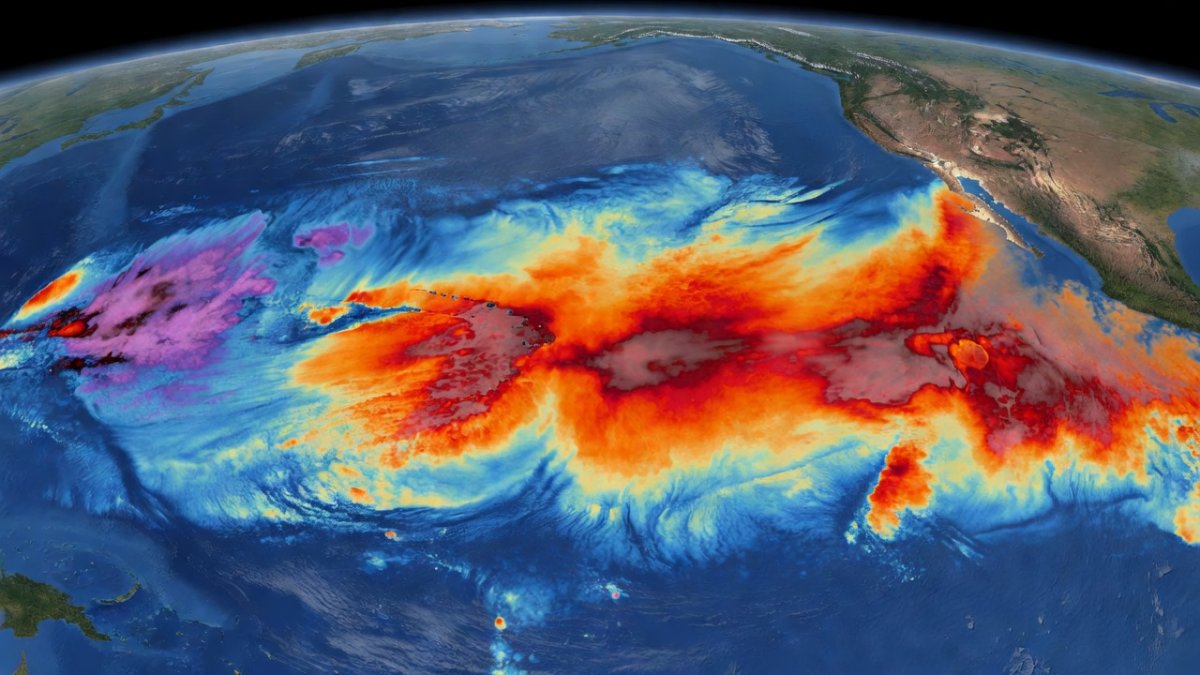
NOAA Declares New El Niño Event Underway This week the US National Oceanic and Atmospheric Administration confirmed that El Niño conditions have officially developed across the tropical Pacific. Sea surface temperatures have risen sharply and now exceed the 0.5C-above-average threshold used to define an event. The agency noted that above-average sea surface temperatures stretch
NOAA Declares New El Niño Event Underway
This week the US National Oceanic and Atmospheric Administration confirmed that El Niño conditions have officially developed across the tropical Pacific. Sea surface temperatures have risen sharply and now exceed the 0.5C-above-average threshold used to define an event. The agency noted that above-average sea surface temperatures stretch from the central to eastern equatorial Pacific, while winds above the equator have begun to shift in response to the warmer ocean.
Forecasters are already expressing unusual confidence in the event's potential strength. NOAA's June outlook assigns a 63 percent chance of a very strong El Niño during November through January, a level that would rank among the largest events since 1950. Some models from the United States and the European Centre for Medium-Range Weather Forecasts suggest temperatures could climb more than 3C above average by year's end, raising the possibility of a super El Niño.
Officials caution that even strong events do not produce identical impacts everywhere, yet stronger episodes tilt the odds more decisively toward expected outcomes. The current warming phase follows the end of a La Niña episode earlier this year and arrives at a moment when global temperatures are already elevated. This combination is prompting urgent monitoring across South America and Central America.
Global Warming Context Amplifies El Niño Risks
The 2024 calendar year remains the warmest on record, lifted by an El Niño that was not especially intense. Despite the cooling influence of the subsequent La Niña, 2025 still ranked as the third-warmest year globally, surpassing even the super El Niño year of 2016. These recent records illustrate how human-caused warming has already raised the baseline against which natural variability is measured.
Professor Adam Scaife of the UK Met Office warned that the present El Niño is riding on top of substantial global warming. A very strong event typically adds around 0.2C to global air temperatures by releasing stored ocean heat into the atmosphere. When that extra heat lands on an already hotter planet, regional temperatures can reach unprecedented levels.
Scaife added that the end of this year and the 2027 are likely to bring very high global temperatures. Excess heat on top of existing warming could easily push another calendar year above the 1.5C threshold relative to late-nineteenth-century levels. This long-term trend means that even a moderate El Niño can produce impacts previously associated only with the strongest historical events.
Amazon Drought Risk Intensifies Across Brazil
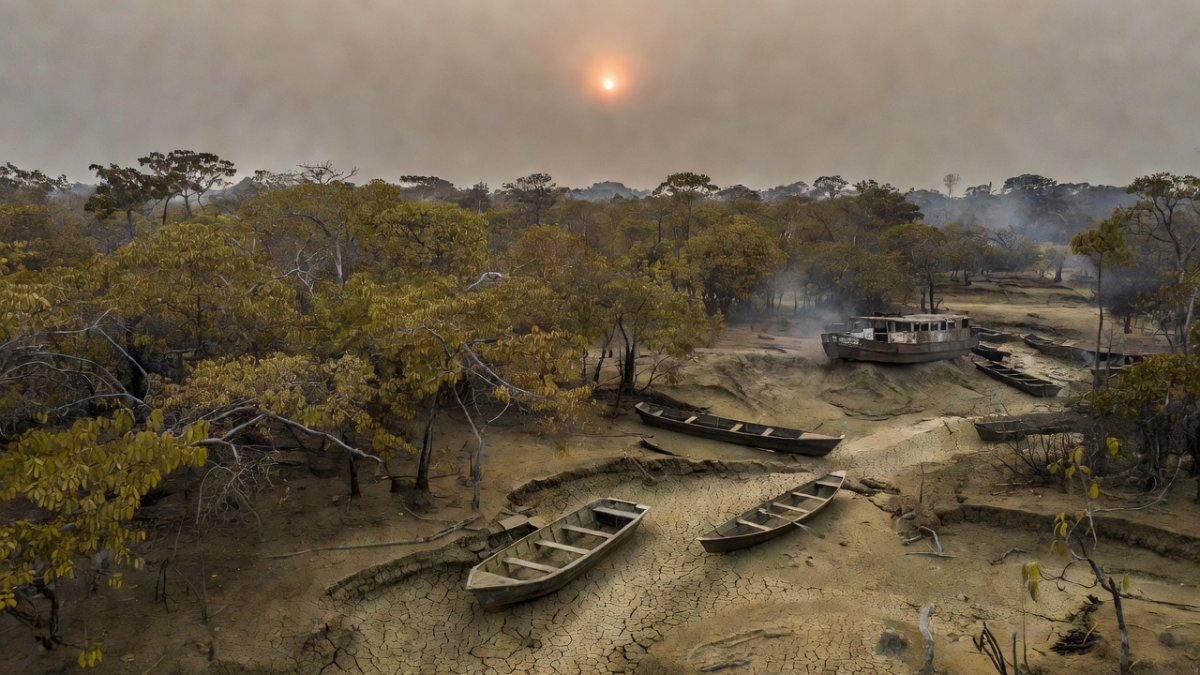
Brazilian agencies including IBAMA, ICMBio and ANA have stepped up monitoring of rainfall deficits and fire danger throughout the Amazon basin. Reduced precipitation is already lowering river levels, threatening barge traffic that supplies Manaus and other river cities with fuel and food. Historical patterns show that strong El Niño episodes can cut rainfall by 30 to 50 percent in parts of the western Amazon during the December-to-March wet season.
Wildfire risk is rising rapidly in both protected areas and agricultural frontiers. Early dry-season fires in southern Amazonas and northern Mato Grosso have prompted ICMBio to pre-position firefighting teams and equipment. Satellite data indicate that vegetation moisture levels are already below the ten-year average, increasing the likelihood of uncontrolled burns if the dry season extends into October.
Soybean and corn producers in Mato Grosso and Pará are revising planting calendars and irrigation plans. Lower river stages may also limit fertilizer deliveries by barge, raising costs for the 2026-2027 harvest. ANA has begun weekly bulletins on navigability thresholds for the Madeira and Tapajós rivers to give farmers and logistics firms advance warning of potential disruptions.
Northern South America Faces Severe Water Stress
In Colombia's La Guajira region, prolonged dry conditions linked to El Niño threaten the Wayuu indigenous communities who rely on seasonal rains for livestock and subsistence agriculture. Government water trucks are already operating on extended routes, yet reservoirs serving the peninsula remain at historic lows. Local leaders report that children are being pulled from school to help fetch water over longer distances.
Venezuela's Guri Dam, which supplies more than 70 percent of the country's hydroelectric power, is under close watch as inflows decline. Operators have reduced generation to conserve water, forcing the national grid to rely more heavily on costly thermal plants. Power rationing has been discussed in Caracas should levels continue to fall through the first quarter of 2027.
In Barranquilla, Colombia's fourth-largest city, municipal authorities have activated contingency plans for the Magdalena River intake. If salinity intrusion worsens, emergency desalination units will be deployed to protect drinking-water supplies for more than one million residents. Regional cooperation through the Amazon Cooperation Treaty Organization is being explored to share monitoring data and coordinate drought response.
Peru and Ecuador Brace for Coastal Flooding
Coastal communities in Piura, Tumbes and Ecuador's Machala province are preparing for above-normal rainfall and river flooding that historically accompany strong El Niño events. Civil-defense agencies have begun clearing drainage canals and reinforcing embankments along the Chira and Piura rivers. Forecasts indicate that heavy rains could begin as early as December and persist into March 2027.
The anchovy fishery, a cornerstone of both nations' fishmeal industries, faces significant disruption. Warmer surface waters push the nutrient-rich Humboldt Current offshore, reducing catches and forcing vessels to travel farther. Processing plants in Paita and Chimbote are already stockpiling raw material and negotiating import contracts to maintain export commitments.
Port infrastructure in both countries is being inspected for vulnerability to storm surges and swollen rivers. The port of Paita has accelerated dredging schedules, while Ecuadorian authorities in Machala are elevating container yards and strengthening breakwaters. Insurance premiums for coastal infrastructure have risen sharply in anticipation of possible damage during the peak rainfall months.
Central America Dry Corridor Confronts Crop Losses
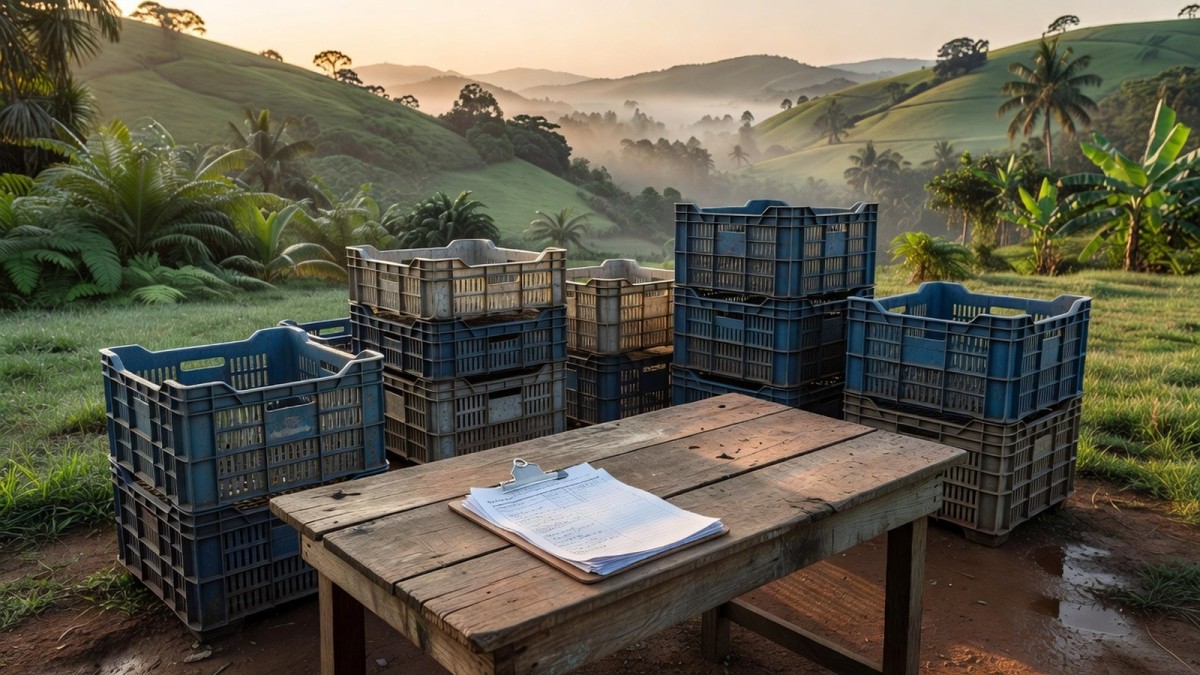
Farmers across Guatemala, Honduras and El Salvador are preparing for reduced rainfall in the traditional primera and postrera growing seasons. Maize and bean yields are expected to fall 20 to 40 percent in the driest parts of the corridor if the El Niño strengthens as projected. Governments have begun distributing drought-tolerant seed varieties developed by regional agricultural research centers.
Coffee producers are also on alert. Prolonged dry spells followed by unseasonal rains can trigger outbreaks of coffee leaf rust, a fungal disease that devastated Central American plantations during the 2012-2013 El Niño. Cooperatives are increasing fungicide applications and pruning schedules to limit spread, yet many smallholders lack the resources for preventive measures.
Regional food-security agencies have activated early-warning systems and are prepositioning grain reserves. The Central American Integration System has requested international assistance to finance emergency cash transfers for subsistence farmers who lose both harvests. Historical data show that strong El Niño events can push an additional 1.5 million people in the dry corridor into acute food insecurity.
Regional Economic Impacts Mount Across Latin America
Brazil's Central Bank is monitoring the potential pass-through of higher food prices into broader inflation. Soybean yields in the center-west could decline if rains fail during flowering, tightening global supplies and supporting prices. Analysts estimate that a 10 percent drop in Brazil's soybean crop would add roughly 0.4 percentage points to domestic food inflation by mid-2027.
Peru is preparing to increase imports of wheat and maize to offset expected shortfalls in domestic production. The government has already opened tariff-free import quotas for 500,000 tonnes of yellow maize to stabilize animal-feed prices. Finance officials warn that sustained higher food costs could complicate efforts to reduce poverty rates that rose during the 2024-2025 period.
Mohamed Adow of Power Shift Africa noted that an El Niño declaration is not merely another weather forecast but a deadly siren for millions. Failed rains, dying crops and rising food prices push families to the edge, especially in regions already battered by recent droughts and floods. Latin American governments are therefore coordinating fiscal buffers and social-protection programs ahead of the 2026-2027 agricultural cycle.
Conclusion and Regional Outlook
Brazil's National Institute of Meteorology (INMET) and the National Water Agency (ANA) are expanding observational networks and refining seasonal forecasts to give farmers and water managers earlier warnings. Pilot projects using soil-moisture sensors and satellite rainfall estimates are being scaled up in the Amazon and Northeast regions to improve drought monitoring at the municipal level.
Adaptation investments are accelerating. ANA is rehabilitating small reservoirs and promoting rainwater harvesting in the semi-arid Northeast, while INMET is training municipal civil-defense teams to interpret updated El Niño bulletins. These measures aim to reduce the gap between forecast and response that amplified losses during previous strong events.
Coordination across Amazon Cooperation Treaty Organization member states is intensifying. Joint technical working groups are sharing real-time river-level data and harmonizing wildfire-response protocols. Officials emphasize that while no two El Niño episodes are identical, the combination of a potentially very strong event with record global temperatures demands unprecedented regional preparedness through late 2026 and into 2027.
Images: (Global 1 News)
By Elena Vasquez, Staff Writer
This article was produced with AI-assisted research and editorial support. Reporting is based on sources cited in the article.
What's Your Reaction?
 Like
0
Like
0
 Dislike
0
Dislike
0
 Love
0
Love
0
 Funny
0
Funny
0
 Wow
0
Wow
0
 Sad
0
Sad
0
 Angry
0
Angry
0

Latin America Correspondent at Global1.News. Based in Mexico City, covering politics, economics, energy, and culture across the region. Brings an on-the-ground perspective to stories spanning from the Rio Grande to Patagonia.












Comments (0)