
South Korea's Ruling Party Sweeps Local Elections but Loses Seoul Mayor Race
The Ballots Dropped Like Thunder Across the Peninsula Folks, June 3, 2026, hit South Korea like a sudden monsoon. President Lee Jae-myung's Democratic Party of Korea rolled through most local races with the kind of momentum that makes opposition strategists sweat. Yet the one race that truly matters—the Seoul mayoral contest—slipped through their fingers. Conservative Oh Se-hoo
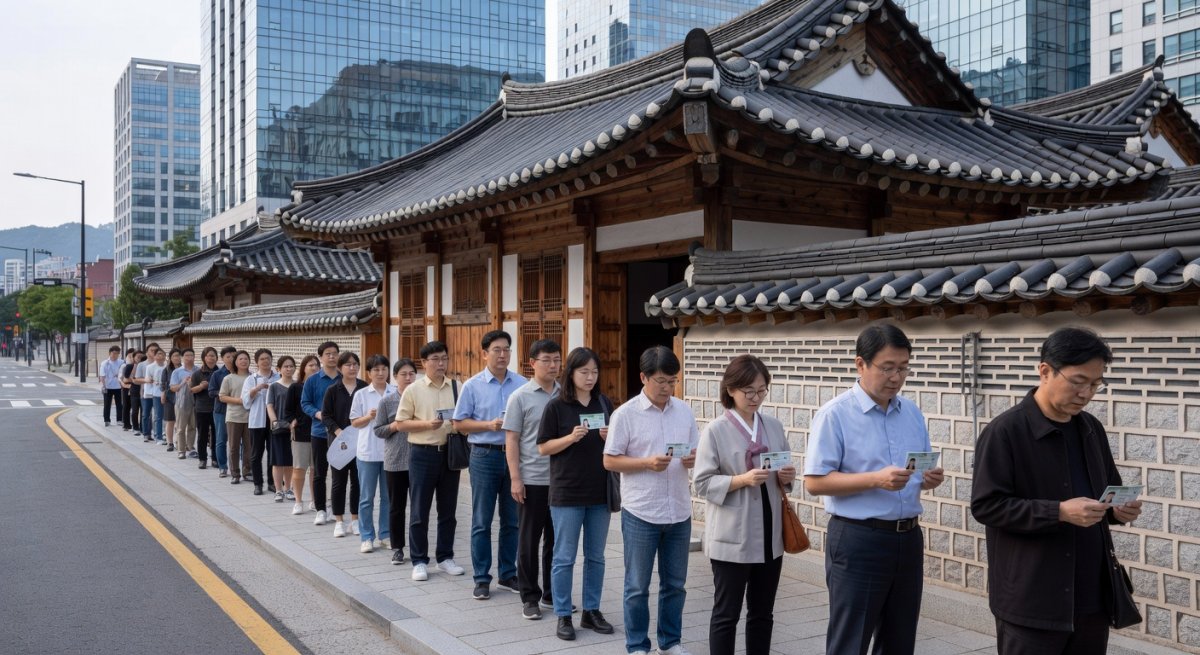
The Ballots Dropped Like Thunder Across the Peninsula
Folks, June 3, 2026, hit South Korea like a sudden monsoon. President Lee Jae-myung's Democratic Party of Korea rolled through most local races with the kind of momentum that makes opposition strategists sweat. Yet the one race that truly matters—the Seoul mayoral contest—slipped through their fingers. Conservative Oh Se-hoon claimed victory for the fifth time, according to The Diplomat. That single loss cast a long shadow over an otherwise dominant night, exactly as the New York Times headline warned: "Loss in Seoul Overshadows Governing Party's Wins."
Numbers That Tell the Real Story
Reuters called it straight: Lee's ruling party swept local elections but lost the Seoul mayor race. AP echoed the same line, noting the party won most races yet stumbled in the crucial capital contest. Japan Times framed it as the left winning big nationwide while still dropping Seoul. Bloomberg's pre-election polling had shown the ruling party "set for big election win," and the data largely delivered—except where it counted most. These weren't fringe outlets spinning narratives. These were the wires and papers tracking every precinct.
President Lee, roughly one year into his term since taking office in 2025, still commands strong public backing on bread-and-butter issues. But ABC News flagged the legal shadows trailing him—investigations that could turn into political quicksand if opponents play them right. The Foreign Policy Research Institute already started mapping what this means for the US-South Korea alliance, and the picture is complicated.
Why Seoul's Outcome Hits Washington Hard
South Korea sits at the center of America's Indo-Pacific strategy. The US-ROK military alliance, semiconductor supply chains, and coordinated pressure on North Korea all run through Seoul. When the opposition holds the capital, it gains a megaphone and a platform to challenge Lee's agenda on everything from troop rotations to chip export controls. Oh Se-hoon's fifth term gives conservatives a foothold to slow-roll or publicly critique policies that align too closely with progressive priorities.
The Foreign Policy Research Institute analysis points to potential friction on North Korea engagement. Lee has signaled openness to dialogue; a conservative mayor in Seoul can amplify voices demanding stricter sanctions and stronger deterrence. Trade talks on autos, batteries, and advanced chips could face new domestic pushback. None of this spells alliance collapse, but it raises the cost of every joint decision.
Legal Clouds and Political Oxygen
Lee enjoys genuine popularity on economic fairness and housing reform. Yet those legal matters ABC News highlighted refuse to vanish. Opponents will weaponize every court filing to paint the president as distracted or compromised. In a country where local offices feed national narratives, losing Seoul hands the opposition a daily media cycle advantage. The Democratic sweep elsewhere proves the party's grassroots strength, but it also shows how one high-profile defeat can dominate the conversation for months.
Bloomberg's polling data had captured the ruling party's momentum correctly. Voters rewarded Lee's domestic agenda in provinces and smaller cities. The Seoul exception reveals a capital electorate still wary of unchecked progressive control. That split verdict keeps the opposition competitive heading into future national contests.
Supply Chains, Semiconductors, and Strategic Leverage
Consider the hardware reality. South Korean firms produce critical chips that power American defense systems and consumer electronics. Any political turbulence in Seoul ripples straight into boardrooms in Silicon Valley and Washington. The Foreign Policy Research Institute flagged how a divided capital could complicate export licensing and technology-sharing agreements. US planners prefer predictable partners. A conservative mayor who publicly questions certain Lee initiatives adds friction, even if the underlying alliance remains intact.
North Korea policy sits at the center of this tension. Coordinated US-ROK messaging deters Pyongyang's provocations. When Seoul's mayor belongs to the opposition, that messaging faces daily second-guessing in local media. The result is slower consensus and more room for North Korean miscalculation. None of this is fatal, but it demands tighter coordination from American diplomats.
The Opposition Stays Dangerous
Oh Se-hoon's victory proves the conservative brand retains pulling power in the capital. Five terms in Seoul is not an accident; it reflects organized voter networks and a message that resonates with middle-class concerns about security and growth. Lee's party cannot treat this as a fluke. The national sweep shows broad support, yet the Seoul loss demonstrates that support has limits when voters weigh alliance stability and legal accountability.
Reuters and AP both stressed the same point: the ruling party won most races. That dominance matters for budgets, appointments, and local implementation of national policy. Still, the capital's result keeps the opposition in the game. Political analysts at the Foreign Policy Research Institute noted this balance prevents any single side from claiming total mandate.
What Comes Next for the Alliance
Washington needs steady engagement with both the Blue House and Seoul City Hall. Joint military exercises, intelligence sharing, and semiconductor resilience initiatives cannot wait for domestic political cycles to settle. The Foreign Policy Research Institute recommended sustained high-level visits and technical working groups that bypass partisan theater. Lee must manage his legal exposure without letting it paralyze foreign policy. Oh Se-hoon, now in his fifth term, will test how far he can push local autonomy on issues that touch national security.
Bloomberg had the polling right before the vote. The post-election reality shows a country still divided between progressive momentum and conservative resilience in key urban centers. That division is not a crisis; it is the normal rhythm of a vibrant democracy. The test lies in whether leaders on both sides keep the alliance above domestic score-settling.
Stay Sharp and Demand Accountability
Folks, this election was never just about one country. It shapes how America protects its interests in Asia while managing supply-chain risks and nuclear threats. You have power here. Contact your representatives and insist they prioritize steady funding for the US-ROK alliance and diversified semiconductor sourcing. Track statements from both President Lee and Mayor Oh Se-hoon on North Korea policy. Support independent journalism that cuts through partisan spin from every capital. Read the Foreign Policy Research Institute reports and the wire dispatches from Reuters and AP. Then act on what you learn. Democracy rewards citizens who refuse to look away. The next moves in Seoul will echo in Washington—make sure your voice is part of the conversation.
By Jessica Ali, Staff Writer
This article was produced with AI-assisted research and editorial support. Reporting is based on sources cited in the article.
What's Your Reaction?
 Like
0
Like
0
 Dislike
0
Dislike
0
 Love
0
Love
0
 Funny
0
Funny
0
 Wow
0
Wow
0
 Sad
0
Sad
0
 Angry
0
Angry
0

Editor-in-Chief at Global1.News. Atlanta-based journalist who cuts through the BS and tells it like it is. Lead anchor, host, and the voice you hear when the spin stops and the truth starts.














Comments (0)