
Six Nights of Fire: US Strikes Iran Again as Tehran Pummels Gulf States in Spreading War
The US completed its sixth consecutive night of strikes on Iran, hitting bridges, a railway station, an airport, and power infrastructure across southern Iran on Day 140 of the war. Iran retaliated by launching missiles at Qatar, Kuwait, Bahrain, and Jordan, with Qatari air defenses intercepting barrages over Doha and a child injured by debris. Brent crude surged toward $86 a barrel as just eight ships navigated the Strait of Hormuz, the lowest level in over a month. The I...
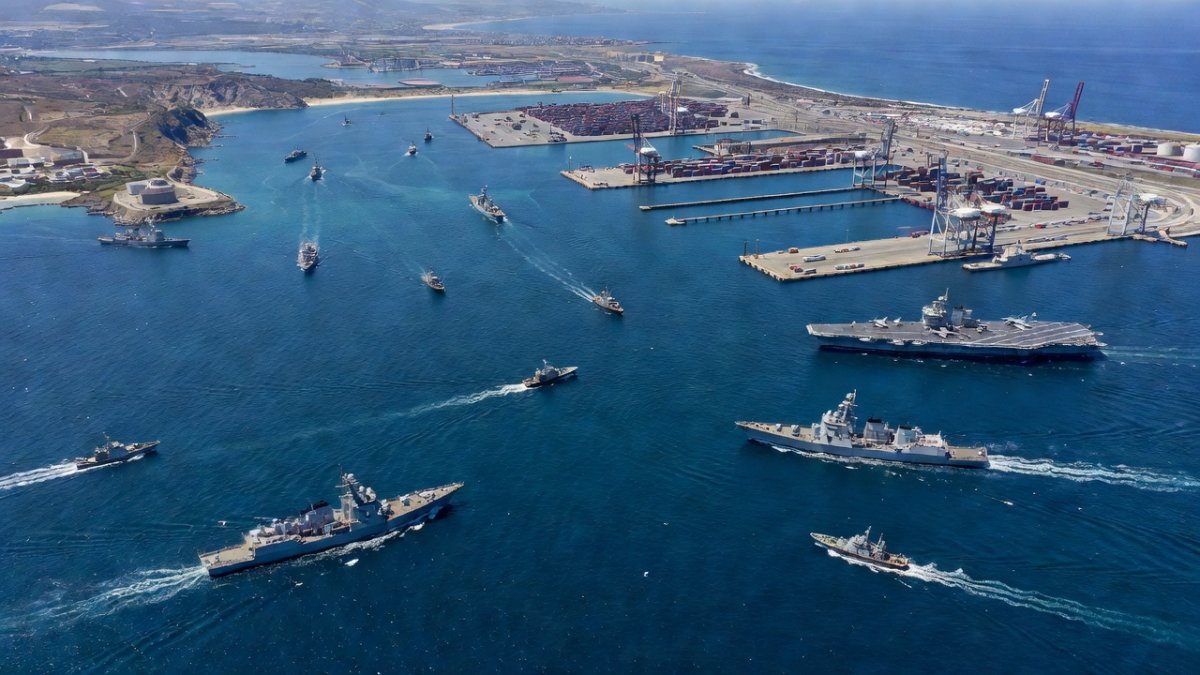
The sixth consecutive night of American airstrikes against Iran has pushed the nearly five-month-old war to its deadliest new phase yet — with Tehran responding not just against US forces, but by raining missiles down on Qatar, Kuwait, Bahrain, and Jordan in a dramatic expansion of the conflict. This isn't a tit-for-tat anymore. This is a full-blown regional war, and the Gulf states are now squarely in the crosshairs.
Six Nights of Fire: US Strikes Iran Again as Tehran Pummels Gulf States in Spreading War
Atlanta, GA — July 17, 2026 — The Iran war entered its 140th day Thursday with the United States completing its sixth consecutive wave of airstrikes against Iranian military targets — and Iran responding by striking at least four Gulf nations in what military analysts are calling the most significant geographic expansion of hostilities since the war began on February 28.
The Sixth Night: What CENTCOM Hit
US Central Command said it completed a fresh wave of strikes against Iran beginning at 1400 ET on Thursday, July 16, marking the sixth straight night of American bombing operations. The targets spanned southern Iran, with CENTCOM striking six bridges in Hormozgan province, a railway station, Iranshahr Airport, and multiple power infrastructure sites across the region. A third round of strikes collapsed a surveillance tower, according to operational reports published by GlobalSecurity.org.
Iranian state media reported that at least three people were killed in the strikes, with local officials in Hormozgan province confirming the bridge and infrastructure damage. Al Jazeera cited reports of eight killed and 20 wounded as civilian infrastructure, including bridges, airports, power facilities, and a train station, was hit. The United States maintains the targets were military in nature and aimed at degrading Iran's ability to threaten navigation in the Strait of Hormuz.
The strikes represent an escalation in both scope and location — moving beyond the coastal missile and drone sites that have been the primary focus of earlier operations and into inland transport and energy infrastructure. Since the war began on February 28, CENTCOM says it has struck over 11,000 targets across Iran.
Iran Strikes Back: Missiles Rain Down on Four Countries
Tehran's response was swift and geographically sweeping. Iran launched missile and drone attacks targeting Qatar, Kuwait, Bahrain, and Jordan — a quadruple-front retaliation that caught Gulf defenses on high alert.
Qatar's air defense systems intercepted multiple incoming Iranian missiles over Doha, with the Qatari Defense Ministry confirming that a child was injured by falling missile debris. The IRGC claimed credit for what it called a "powerful strike" on a Qatari base hosting American forces.
Kuwait's military confirmed it was responding to renewed Iranian aerial attacks on July 16, with air defense batteries engaging incoming projectiles. Bahrain's Defense Force announced it had intercepted and destroyed several Iranian aerial attacks, though reports on the ground — including from independent analyst OSINTtechnical — described the ballistic missile attacks on Bahrain as "the heaviest" of the night, with the Iran-Saudi causeway reportedly damaged.
Iran's Foreign Ministry characterized the strikes as retaliation for what it termed US attacks on "people and civilian infrastructure," with the IRGC warning that "crossing red lines and attacking people and civilian infrastructure will have a very severe and miserable price."
Oil at $86: The Strait of Hormuz Is Drying Up
The economic impact of the escalating conflict is no longer theoretical. Brent crude advanced toward $86 a barrel on Friday, according to Bloomberg data, after surging 11% over the previous two sessions. The culprit is clear: shipping through the Strait of Hormuz — the world's most important oil chokepoint — has all but collapsed.
Just eight ships navigated the strait on Thursday, according to maritime data firm Kpler, down from 13 the day before and the lowest level in more than a month. The US Navy's "steel wall" blockade, combined with Iranian threats to target any vessel violating it, has effectively strangled one of the planet's busiest commercial waterways. Before the war, roughly 20 million barrels of oil passed through the strait daily.
The White House had briefly floated — and then abandoned — a 20% fee on Hormuz cargo shipments, but the market impact of reduced supply is already doing what a tariff would have: driving prices up and squeezing global energy markets.
Civilian Infrastructure Under Fire
The most contentious dimension of the sixth-night strikes is the nature of the targets hit. Iranian state media and local officials reported that Iranshahr Airport in southeastern Iran, a railway station, and six bridges in Hormozgan province were struck in Thursday night's bombing campaign. Iran's government ordered nationwide power conservation measures after US strikes hit energy infrastructure, per IRIB news agency reports.
The Trump administration has consistently maintained that all targets are military in nature, but the distinction grows harder to defend as the campaign extends to bridges, rail lines, and power plants. The BBC reported that the US denied Iranian claims it had hit civilian infrastructure, while Iran's army spokesman declared that "the Strait of Hormuz will never return to its pre-war state."
The United Arab Emirates, which has sought to stay on the sidelines of the conflict, issued a strong condemnation of "renewed Iranian aggression" against Gulf states — a sign that even traditionally neutral regional powers are being drawn into the rhetorical war.
The IRGC's "Crushing" Promise and What Comes Next
Iran's Islamic Revolutionary Guard Corps has threatened "crushing" retaliation to the US strikes, with a spokesman declaring that US interference in the Strait of Hormuz is an "unbreakable red line." The IRGC said it struck a US command center and aircraft hangar at Al-Azraq Air Base in Jordan — though the Pentagon has not confirmed any damage to US assets at the base.
The threats are not empty. Iran has demonstrated this week that it has both the will and the reach to strike American allies across the Gulf. CNBC reported Friday morning that Iran expanded its attacks to include targets in Syria and Bahrain — a dual-front opening that suggests Tehran is widening the battlefield rather than consolidating its defenses.
Meanwhile, US-Iran negotiations that began in June showed fleeting signs of progress, with both sides reportedly working toward a memorandum of understanding on a war-ending deal. Those talks now appear to be in tatters.
The Human Toll: Five Months of War
Since February 28, when President Donald Trump announced "major combat operations" against Iran with massive joint US-Israeli strikes, the war has claimed thousands of lives on both sides. CENTCOM has struck over 11,000 targets across Iran. Iran has responded with missile and drone barrages against US positions, Israeli cities, and now Gulf state infrastructure.
In Qatar, a child injured by missile debris is the human face of a war that the Gulf states desperately tried to stay out of. In Kuwait, families spent Thursday night in shelters as air defenses boomed overhead. In Bahrain, the heaviest barrage yet tested a US ally's ability to protect its skies.
The International Atomic Energy Agency has warned repeatedly about the status of Iran's nuclear facilities amid the bombing, and humanitarian organizations have sounded alarms about civilian displacement across southwestern Iran. The conflict has reshaped global energy markets, redrawn the map of Middle Eastern alliances, and pushed the Strait of Hormuz — the artery of the world's oil supply — to the brink of closure.
What Happens on Night Seven?
The question nobody in Washington, Tehran, or the Gulf capitals can answer is simple: where does this end? Six consecutive nights of US strikes have not broken Iran's will to fight. Iran's multi-front retaliation has not deterred the United States from continuing its bombing campaign. The Strait of Hormuz is effectively closed. Oil is approaching $90 a barrel. And the IRGC is promising worse to come.
The diplomatic path — never promising — has all but vanished. Each night of strikes hardens positions on both sides. Each Iranian missile that falls on a Gulf state deepens the regionalization of a conflict that was supposed to be a limited campaign against Iranian naval capabilities. And each civilian casualty, whether in Iranshahr or Doha, makes a negotiated settlement harder to sell to domestic audiences.
Regional analysts are already drawing comparisons to the Iran-Iraq War of the 1980s — a grinding, multi-year conflict that bled both nations dry. Day 140 looked nothing like the "limited strikes" the administration described in February. Day 141 begins tonight. And the only thing that seems certain is more fire.
By Jessica Ali, Staff Writer
This article was produced with AI-assisted research and editorial support. Reporting is based on sources cited in the article.
What's Your Reaction?
 Like
0
Like
0
 Dislike
0
Dislike
0
 Love
0
Love
0
 Funny
0
Funny
0
 Wow
0
Wow
0
 Sad
0
Sad
0
 Angry
0
Angry
0

Editor-in-Chief at Global1.News. Atlanta-based journalist who cuts through the BS and tells it like it is. Lead anchor, host, and the voice you hear when the spin stops and the truth starts.












Comments (0)