
Peru Elects Its 10th President in a Decade: Fujimori vs Sanchez Runoff Today
The Polls Are Open: Peru Decides Its Fate Today Folks, the ballots are open right now on June 7, 2026. Peruvians are lining up to choose between Keiko Fujimori of Fuerza Popular and Roberto Sanchez in a runoff that feels less like an election and more like a high-stakes gamble on the country's future. This is not routine democracy. This is the tenth presidential contest in a de
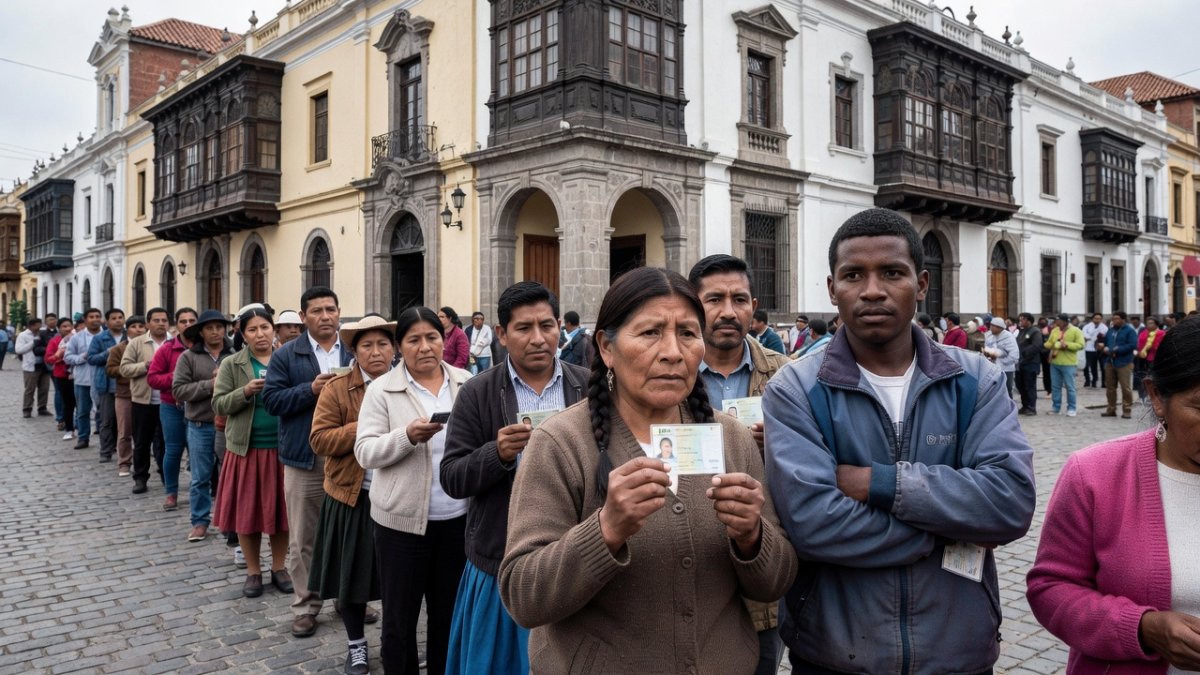
The Polls Are Open: Peru Decides Its Fate Today
Folks, the ballots are open right now on June 7, 2026. Peruvians are lining up to choose between Keiko Fujimori of Fuerza Popular and Roberto Sanchez in a runoff that feels less like an election and more like a high-stakes gamble on the country's future. This is not routine democracy. This is the tenth presidential contest in a decade of revolving-door leadership that has left institutions battered and citizens exhausted. The stakes stretch far beyond Lima. They reach straight into American boardrooms, border posts, and counter-narcotics operations.
Keiko Fujimori carries the weight of her father's 1990s legacy while trying to outrun it. Roberto Sanchez steps forward as the political heir to a jailed ex-president who tried to seize power by force. Ipsos polling, reported by Reuters, shows Sanchez closing ground fast in the final days. The race is tight, the country is raw, and the outcome will shape U.S. interests in copper, gold, cocaine routes, and migration flows for years to come.
Keiko Fujimori: Third Time's the Charm or Third Strike?
Keiko Fujimori has run this race before. She lost in 2011. She lost in 2016. She lost narrowly to Pedro Castillo in 2021. Now she stands at the threshold again, backed by the right-wing Fuerza Popular machine. Her name still evokes the authoritarian efficiency of Alberto Fujimori's era for some voters and the human-rights abuses for others. Bloomberg has tracked her campaign's focus on security and economic orthodoxy, yet the Fujimori brand remains polarizing in a nation that has cycled through presidents faster than most countries change prime ministers.
Supporters see her as the steady hand Peru needs after years of scandal and impeachment. Critics point to the corruption trials that have shadowed her and question whether another Fujimori presidency would simply recycle old power structures. Either way, her third bid lands at a moment when Peruvians have endured Dina Boluarte's interim rule following Castillo's dramatic fall. The data from Americas Quarterly shows voter fatigue running high, with turnout expectations hovering near historic lows in some regions.
Roberto Sanchez: Jailed Leader's Protege Enters the Ring
Roberto Sanchez carries the leftist banner but with the heavy baggage of Pedro Castillo's failed December 2022 self-coup attempt. Bloomberg labeled him the "Jailed Leader's Protege," and that description sticks. Sanchez positions himself as the voice of the marginalized, promising redistribution and a break from elite control. Yet his alignment with Castillo's legacy raises immediate red flags for markets and foreign investors already skittish after years of political whiplash.
Al Jazeera and Deutsche Welle have reported on Sanchez's late surge in Ipsos surveys, driven by rural and working-class voters who feel left behind by Lima's politics. His platform echoes Castillo's earlier promises on mining royalties and social spending. The question hanging over every polling station today is whether Peruvians will reward that continuity or punish it. NPR correspondents on the ground note that Sanchez's momentum has forced Fujimori's team into defensive messaging on economic stability.
Ten Presidents in Ten Years: A Record of Instability
Peru has cycled through seven presidents since 2016, and now voters are choosing their eighth in just over a decade. Pedro Castillo was impeached and arrested after his botched self-coup. Dina Boluarte took over as interim leader amid protests that turned deadly. Before them came a parade of short-lived executives felled by corruption allegations, congressional revolts, and street demonstrations. Deutsche Welle documented the pattern: each new leader inherits the same structural problems of inequality, weak institutions, and powerful regional interests.
This extraordinary churn has paralyzed long-term planning. Mining contracts stall. Anti-drug operations lose continuity. Public trust in democracy erodes with every scandal. Reuters analysis shows foreign direct investment in Peru dipped sharply during the most volatile stretches, a warning sign for any incoming administration. The June 7 runoff is not just another vote. It is an attempt to break the cycle before the next crisis arrives.
Why This Election Matters to the United States
Peru sits at the center of U.S. strategic interests in South America. It ranks among America's top trading partners in the region, with copper and gold exports feeding global supply chains critical to electric vehicles and electronics. Political chaos directly threatens those flows. Counter-narcotics cooperation, already strained by shifting leadership, could fracture further if Sanchez's victory tilts policy toward reduced U.S. engagement.
Migration pressures add another layer. Instability in Peru pushes more citizens northward, adding to the already complex border dynamics the United States faces. Al Jazeera reporting highlights how past Peruvian crises correlated with spikes in asylum claims. A Fujimori win might reassure investors and security partners. A Sanchez victory could accelerate policy shifts that complicate joint operations against drug cartels operating in the Andean corridor. Either outcome demands clear-eyed attention from Washington.
The Ipsos Numbers and What They Signal
Reuters has tracked the Ipsos polling closely. Sanchez has gained traction in the final stretch, narrowing what once looked like a Fujimori advantage. The movement reflects deep regional divides: urban centers lean toward Fujimori's security message while rural provinces respond to Sanchez's economic populism. These swings are not noise. They reveal a country still searching for a leader who can deliver both stability and fairness.
Americas Quarterly analysts note that late deciders often break against the establishment candidate in Peruvian runoffs. If that pattern holds, Sanchez's momentum could prove decisive. The data also shows unusually high undecided percentages even days before the vote, underscoring how little trust voters place in either option after a decade of disappointment.
The Road Ahead: Markets, Security, and Democracy
Whoever claims victory tonight will inherit a fractured mandate. Fujimori would face immediate pressure to prove her administration differs from her father's in its respect for institutions. Sanchez would confront market skepticism and the challenge of governing without repeating Castillo's mistakes. Both paths run through Congress, where fragmented parties have repeatedly blocked coherent policy.
The United States has tools to engage productively: sustained diplomatic focus, targeted economic partnerships, and continued support for anti-corruption efforts. Yet engagement requires consistency that has been missing on both sides of the relationship. Peru's tenth president in ten years deserves a partner willing to look beyond the next headline.
What You Can Do Right Now
Folks, knowledge is leverage. Track primary sources from Reuters, Bloomberg, and Americas Quarterly as results come in. Contact your representatives and demand sustained attention to Peru's stability rather than reactive crisis management. Support independent journalism that cuts through the spin. The outcome in Lima will ripple into American supply chains, security operations, and communities. Stay informed. Demand accountability. The next chapter starts today.
By Jessica Ali, Staff Writer
This article was produced with AI-assisted research and editorial support. Reporting is based on sources cited in the article.
What's Your Reaction?
 Like
0
Like
0
 Dislike
0
Dislike
0
 Love
0
Love
0
 Funny
0
Funny
0
 Wow
0
Wow
0
 Sad
0
Sad
0
 Angry
0
Angry
0

Editor-in-Chief at Global1.News. Atlanta-based journalist who cuts through the BS and tells it like it is. Lead anchor, host, and the voice you hear when the spin stops and the truth starts.










Comments (0)