
South Africa's Anti-Migrant Protests Escalate as Thousands Demand Deportation of Undocumented Foreigners
In a recent BBC News report, the Global News Podcast examined the escalating anti-migrant protests sweeping across South Africa, where thousands of demonstrators have taken to the streets demanding that all undocumented foreign nationals leave the country. South Africa's Anti-Migrant Protests Escalate as Thousands Demand Deportation of Undocumented Foreigners Johannesburg, Sout
In a recent BBC News report, the Global News Podcast examined the escalating anti-migrant protests sweeping across South Africa, where thousands of demonstrators have taken to the streets demanding that all undocumented foreign nationals leave the country.
South Africa's Anti-Migrant Protests Escalate as Thousands Demand Deportation of Undocumented Foreigners
Johannesburg, South Africa – 4 July 2026 — South Africa is facing its largest wave of anti-immigrant demonstrations in nearly two decades, as co-ordinated protests demanding the expulsion of undocumented foreign nationals swept through major cities this week in a crisis that is testing the government's capacity to balance domestic pressures with its international obligations.
South Africa's Anti-Migrant Protests Escalate as Thousands Demand Deportation of Undocumented Foreigners
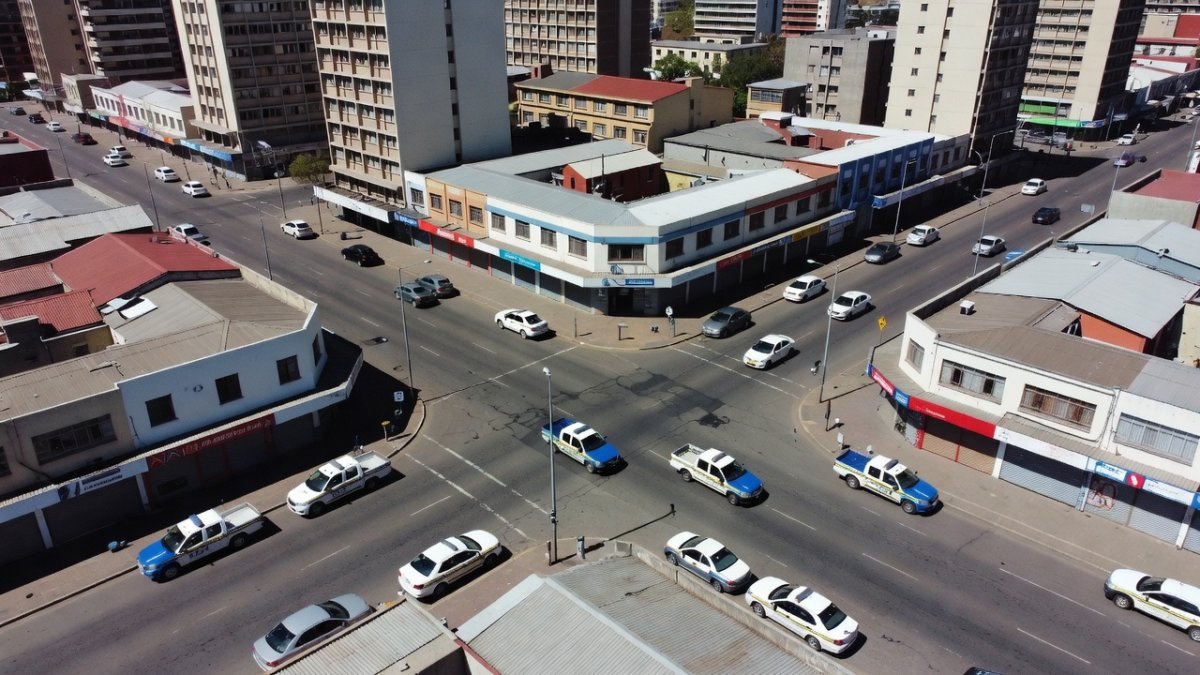
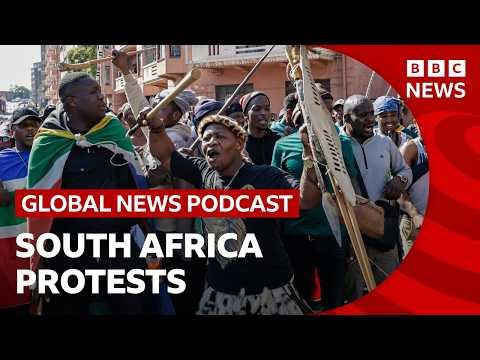
On Tuesday, 30 June, co-ordinated protests erupted across South Africa's major cities — Johannesburg, Durban, Pretoria, and Cape Town — as thousands of demonstrators answered calls from anti-migrant groups to demand the removal of all undocumented foreign nationals. The protests, largely peaceful but marked by isolated incidents of violence and looting, represent the largest wave of anti-immigrant demonstrations since the deadly 2008 xenophobic attacks that left over 60 people dead. Deputy National Police Commissioner Tebello Mosikili reported that 120 marches took place nationwide, with 108 proceeding peacefully while 12 required law enforcement intervention. Thousands of police officers, backed by private security guards and the South African army on a contingency basis, were deployed in urban centres to maintain order amid rising tensions.
South African authorities confirmed that the demonstrations drew participants from various communities frustrated by economic conditions. Police Minister Firoz Cachalia confirmed army deployment on a contingency basis to support overwhelmed local forces in high-risk areas. The scale of mobilisation highlighted deep public discontent, yet officials emphasised that most gatherings avoided major clashes. International observers noted the events could strain relations with neighbouring states that supply significant migrant labour to South African industries. Human rights monitors urged restraint to prevent escalation into broader communal violence.
The coordinated nature of the protests suggested strong organisational backing from established anti-migrant networks operating across provinces. Law enforcement recorded five arrests for looting in Soweto and ten in KwaZulu-Natal during related disturbances. These figures underscore the challenges facing security services tasked with balancing protest rights against public safety. Regional migration patterns indicate many foreign nationals contribute to key sectors, complicating any rapid policy shifts. Foreign governments have already begun monitoring developments closely for potential impacts on their citizens.
The Roots of the Crisis: Unemployment, Inequality, and the Politics of Migration
The protests did not emerge in a vacuum. South Africa currently has one of the highest unemployment rates in the world at 32.7 per cent, according to Statistics South Africa, which recorded 350,000 job losses in the first quarter of 2026 alone — the majority among young people. There are more than three million documented foreign nationals in South Africa. Anti-migrant groups such as Operation Dudula and March and March have tapped into this frustration, framing migration as the primary cause of the country's economic woes. This narrative resonates strongly in townships where competition for scarce resources remains intense.
Official data shows persistent structural inequalities that predate recent migration surges. Youth unemployment has reached critical levels, pushing many citizens toward protest movements that promise quick solutions. Operation Dudula leaders argue that prioritising local hiring would ease immediate pressures on social services. Yet economists point out that foreign workers often fill roles in agriculture, construction and informal trade that locals have historically avoided. This dynamic creates complex labour market tensions across provinces.
Broader Southern African migration flows reflect longstanding economic disparities between South Africa and its neighbours. The African Union has previously called for coordinated regional approaches to manage cross-border movement. Human rights groups stress that scapegoating migrants distracts from needed domestic reforms in education and job creation. Foreign governments, including those in Zimbabwe and Mozambique, have expressed concern that inflammatory rhetoric could trigger wider instability. Observers suggest sustained economic recovery remains essential to reducing such flashpoints.
Violence, Arrests, and Displacement: What Happened on the Streets
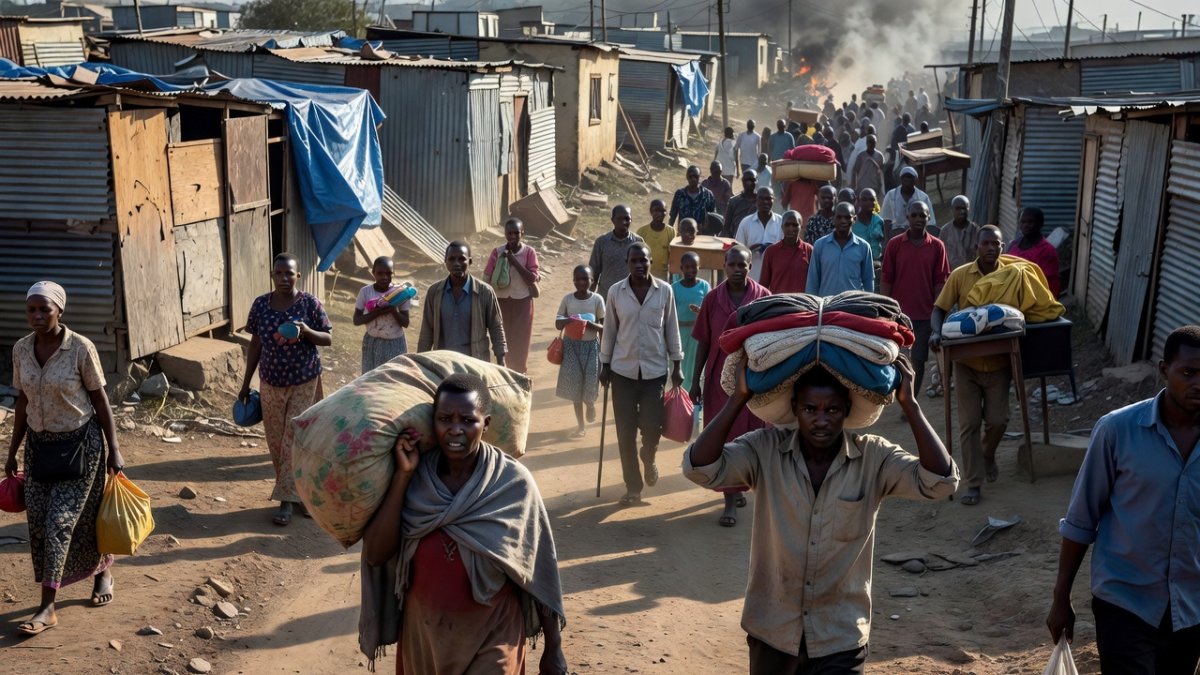
While the majority of the protests remained peaceful, authorities confirmed that approximately 900 people were arrested, with many detained for looting and immigration-related offences. In Hillbrow, a densely populated Johannesburg suburb with a high migrant population, three people opened fire on protesters. The marchers retaliated by torching the suspects' vehicle, and a 17-year-old was among those injured. In Yeoville, demonstrators threw bricks at homes of suspected foreign nationals. In Germiston, protesters went door to door, evicting residents they believed to be undocumented before handing suspects to police.
Police reports detail additional incidents in Soweto and KwaZulu-Natal where looting occurred despite official warnings. Deputy National Police Commissioner Tebello Mosikili stated that intervention teams responded swiftly to contain isolated flare-ups. Human rights organisations documented similar patterns of intimidation earlier in May 2026. Migrants caught in the unrest described sudden loss of homes and livelihoods, prompting urgent appeals for consular assistance from their home countries.
The events have drawn condemnation from Amnesty International and Human Rights Watch, which called for thorough investigations into excessive force claims. South African officials maintain that most arrests targeted criminal acts rather than peaceful assembly. Regional bodies warn that unchecked displacement could overwhelm border facilities in neighbouring states. Foreign diplomats have requested regular updates on citizen safety. This situation illustrates the delicate balance between domestic security concerns and international humanitarian standards.
Repatriation and Regional Fallout: Nigerians Among Thousands Fleeing
South African police confirmed that approximately 25,000 migrants, most from other African countries, have been repatriated so far. More than 600 Nigerians have been evacuated. Nigeria's acting High Commissioner Alexander Ajayi confirmed the government had begun documenting businesses and properties left behind. Foreign ministry spokesperson Kimiebi Imomotimi Ebienfa told the BBC compensation would be discussed at the highest levels. Oghodero Erejor Wilson, a 32-year-old Nigerian trader, abandoned goods worth 16,000 rand when forced to depart abruptly.
Repatriation logistics have strained resources in Zimbabwe, Mozambique, Malawi and Nigeria. These countries now face sudden influxes of returning citizens who require reintegration support. Nigerian officials have signalled plans to raise the issue through diplomatic channels and the African Union. Migrants interviewed described mixed experiences, with some expressing relief at reaching safety while others mourned lost investments built over years.
The scale of returns highlights interconnected labour markets across Southern Africa. Human rights advocates urge both sending and receiving nations to protect vulnerable individuals during transit. South African authorities have pledged case-by-case assessments to avoid wrongful deportations. Regional analysts note that abrupt policy changes risk damaging long-term economic ties. Foreign governments continue monitoring developments to safeguard their nationals and advocate for orderly processes.
Ramaphosa's Balancing Act: Between Restive Citizens and International Obligations
President Cyril Ramaphosa met protest leaders before the marches while also issuing warnings against vigilantism. In his weekly newsletter, he reminded citizens that lawful foreign nationals are entitled to protection. "The right to protest and freedom of expression does not allow people to threaten or intimidate others," he wrote. Chrispin Phiri from South Africa's foreign ministry told the BBC that claims could be assessed case-by-case. Police Minister Firoz Cachalia confirmed army deployment on a contingency basis to deter further unrest.
The president's approach seeks to acknowledge citizen grievances without endorsing unlawful actions. Government statements emphasise that documented migrants contribute significantly to the economy. International partners have welcomed these reassurances while pressing for transparent implementation. Opposition parties have criticised the response as insufficiently decisive on enforcement.
Diplomatic engagements with Nigeria and other affected states remain ongoing. Chrispin Phiri indicated that South Africa intends to uphold its regional leadership role while addressing domestic pressures. Human rights groups continue to monitor compliance with constitutional protections. Observers suggest the coming months will test whether this calibrated strategy can prevent renewed outbreaks. Broader African Union mechanisms may offer platforms for dialogue on sustainable migration governance.
Analysis — A Regional Crisis with Deep Structural Roots
The repatriation of 25,000 migrants places an immediate burden on neighbouring countries — particularly Zimbabwe, Mozambique, Malawi, and Nigeria. Analysts suggest the protests are more accurately understood as a symptom of South Africa's deeper structural crisis: an economy that has failed to generate sufficient employment. Human rights organisations, including Human Rights Watch and Amnesty International, have documented attacks targeting foreign nationals earlier in 2026. This pattern indicates recurring vulnerabilities that require comprehensive policy responses beyond immediate security measures.
Geopolitical dynamics within the Southern African Development Community add further complexity. Neighbouring governments must manage returning populations while maintaining bilateral trade relations with South Africa. The African Union has historically promoted free movement protocols that now face practical challenges. Economic interdependence means abrupt disruptions carry costs for all parties involved in cross-border supply chains.
Migrant perspectives reveal personal stories of contribution and hardship often overlooked in public debate. Foreign governments continue advocating for fair treatment and compensation mechanisms. Long-term stability will likely depend on addressing root causes of inequality rather than temporary enforcement surges. Regional cooperation frameworks offer potential pathways forward if political will can be sustained across capitals.
What Comes Next: Thursday Protests and the Long Road Ahead
Jacinta Ngobese-Zuma of March and March has announced protests every Thursday for six months. The sustained pressure will test both police capacity and Ramaphosa's political resolve. The coming weeks will likely see increased diplomatic friction with Nigeria. South Africa's treatment of this crisis will be closely watched across the continent as other nations grapple with similar migration debates. Continued monitoring by international observers remains essential to prevent further deterioration.
Authorities have begun preparing contingency plans for recurring demonstrations. Economic indicators suggest underlying frustrations will persist without structural reforms. Regional partners are engaging through established diplomatic channels to manage fallout. Human rights groups plan ongoing documentation of developments to ensure accountability.
The situation underscores the need for coordinated continental strategies on labour mobility. South African officials have reiterated commitments to lawful processes while addressing citizen concerns. Future outcomes will shape perceptions of governance effectiveness both domestically and abroad. Sustained dialogue offers the most viable route toward durable solutions that respect all stakeholders.
By Irina Volkov, Staff WriterThis article was produced with AI-assisted research and editorial support. Reporting is based on sources cited in the article.
What's Your Reaction?
 Like
0
Like
0
 Dislike
0
Dislike
0
 Love
0
Love
0
 Funny
0
Funny
0
 Wow
0
Wow
0
 Sad
0
Sad
0
 Angry
0
Angry
0

Russia/Eastern Europe Correspondent at Global1.News. Covering Russian politics, energy, security, and the shifting dynamics of the post-Soviet space. Provides clear-eyed analysis on one of the world's most opaque regions.









Comments (0)