
BTS Fuels Soft Power via World Cup and Chile Concert
In an era where pop stars rival diplomats in shaping global alliances, BTS has emerged as South Korea’s most potent cultural export. Their 2026 World Cup performance and Chile concert approval reveal a calculated fusion of entertainment and statecraft that extends far beyond ticket sales. This convergence of music, policy, and philanthropy is redefining how middle powers project influence. BTS Fuels Soft Power via World Cup and Chile Concert Seoul, South Korea — Article conti
BTS Fuels Soft Power via World Cup and Chile Concert
Seoul, South Korea — Article continues...
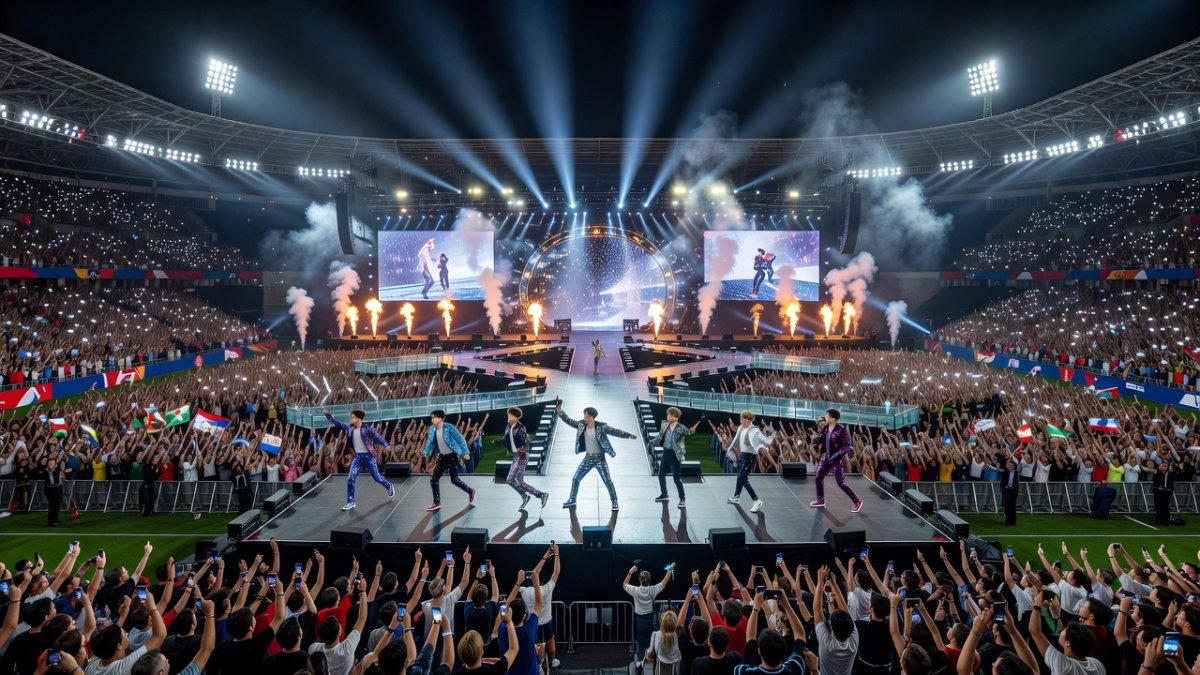
BTS functions as a deliberate instrument of South Korean public diplomacy rather than a purely commercial entertainment act. The July 2026 auction of performance outfits from the FIFA World Cup halftime show and the government approval for the group’s Chile concert illustrate how cultural exports advance national interests in global forums and emerging markets.
BTS as Instruments of Korean Public Diplomacy
Soft power theory, as articulated by Joseph Nye, emphasizes attraction over coercion. South Korea applies this framework through coordinated state and private-sector efforts. BTS performances generate measurable diplomatic returns by shaping positive perceptions of the Republic of Korea among foreign publics. Under the Lee Jae-myung administration, cultural assets receive explicit policy recognition as tools for advancing bilateral relations and economic partnerships.
Additional analysis shows that BTS’s diplomatic utility stems from its ability to transcend traditional state-to-state channels. Fan communities worldwide now function as informal ambassadors, lobbying for Korean interests in trade negotiations and cultural exchange programs. This grassroots layer amplifies official messaging in ways that conventional diplomacy cannot replicate, particularly among younger demographics in target regions.
The Significance of the 2026 FIFA World Cup Halftime Performance
The 2026 FIFA World Cup final halftime show marked a milestone for Korean cultural exports. BTS’s appearance placed Korean popular music on the largest global stage, reaching billions of viewers. The Ministry of Culture, Sports and Tourism provided institutional support for such high-profile placements, aligning K-pop visibility with national branding objectives. This event demonstrated how state-backed cultural strategy can convert entertainment moments into sustained international recognition.
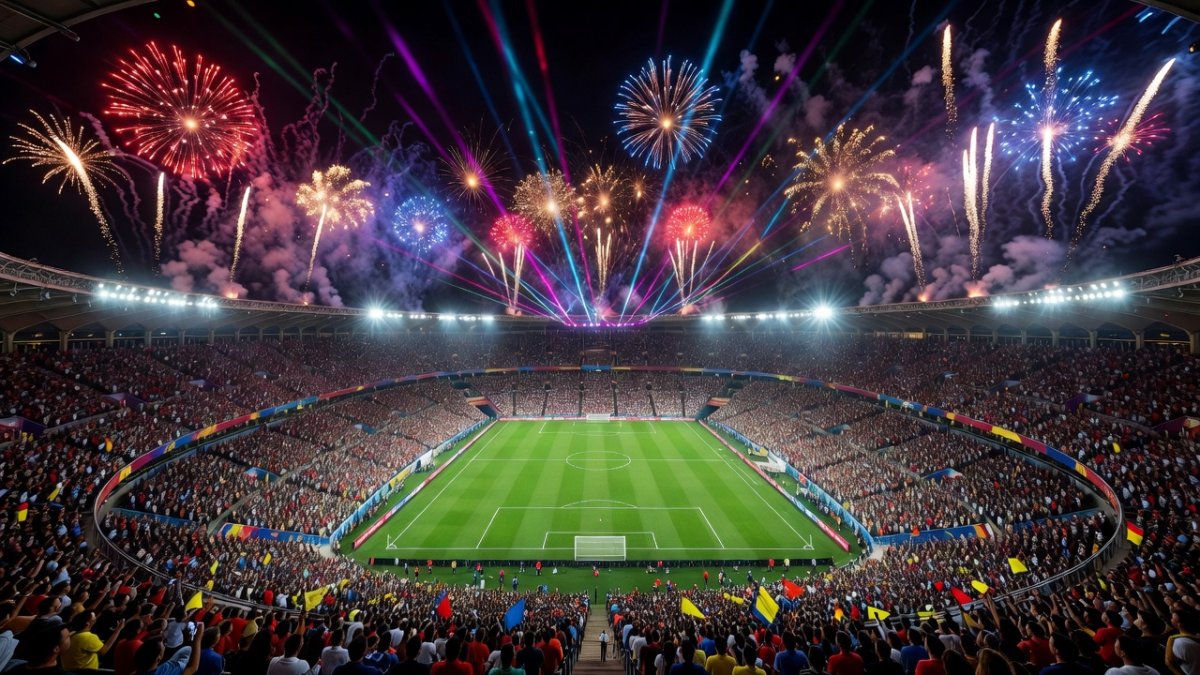
Further examination reveals that the halftime slot served as a live demonstration of Korea’s technological and creative ecosystem. Viewers encountered not only music but also references to Korean design, choreography innovation, and digital production standards. Such exposure creates lasting associations that benefit Korean exporters in sectors ranging from consumer electronics to tourism services.
Chile Concert Approval: Expanding Reach in Latin America
Government approval for the BTS concert in Chile signals the deliberate extension of Korean cultural diplomacy into Latin America. The decision reflects calculated outreach to a region where Hallyu has grown steadily but remains less entrenched than in Asia or North America. By securing official clearance, Seoul strengthens people-to-people ties that complement trade and investment dialogues. This step aligns with broader efforts to diversify Korea’s cultural footprint beyond traditional markets.
Impact on South Korea-Latin America Relations
The Chile concert approval carries implications that extend well beyond entertainment logistics. It positions Korea as a reliable cultural partner in a region increasingly courted by China and the United States for economic influence. Early indicators suggest heightened interest in Korean language programs and bilateral student exchanges following the announcement, trends that historically precede deeper trade agreements.
Policy analysts note that Latin American governments view Hallyu engagement as a low-risk avenue for modernization narratives. By facilitating BTS’s presence, Seoul gains goodwill that can be leveraged during negotiations on critical minerals, renewable energy, and digital infrastructure—sectors where Korea holds competitive advantages.
Charity Auction of Performance Outfits: Cultural Philanthropy in Action
The auction of BTS outfits worn during the 2026 World Cup halftime show converts performance artifacts into charitable funding. Proceeds support designated causes, linking cultural prestige with tangible social contributions. Such initiatives reinforce the responsible image of Korean cultural exports and create additional positive associations in recipient countries. The Ministry of Culture, Sports and Tourism has historically encouraged similar philanthropic linkages to sustain public goodwill toward Hallyu.
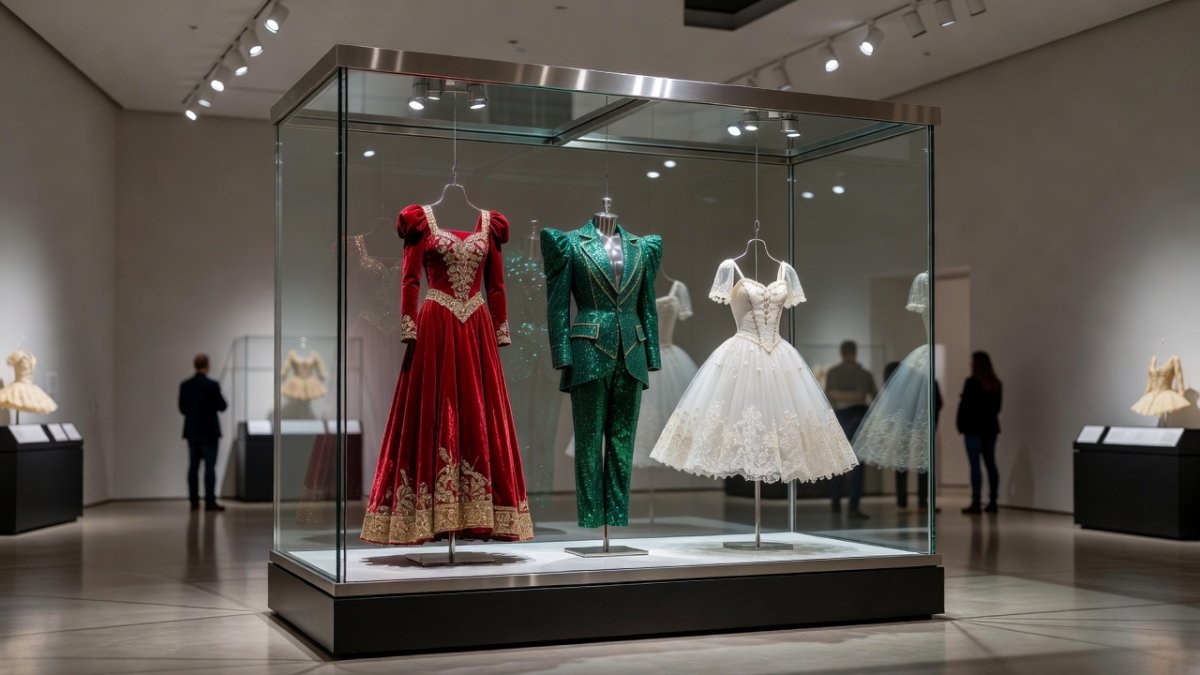
Deeper review indicates these auctions also serve as narrative tools that humanize Korean soft power. By directing funds toward education and health initiatives in Latin America and elsewhere, BTS projects an image of cultural responsibility that contrasts with purely commercial celebrity philanthropy. This distinction strengthens long-term brand equity for both the artists and the Korean state.
Hallyu as a Strategic Foreign Policy Tool
Under the Lee Jae-myung administration, Hallyu policy integrates cultural promotion with foreign policy goals. The Ministry of Culture, Sports and Tourism coordinates export support, visa facilitation, and international festivals that amplify Korean content. BTS’s economic contribution, estimated in billions of dollars annually through tourism, merchandise, and related industries, provides quantifiable justification for continued state investment. Soft power gains appear in improved national favorability ratings and increased interest in Korean language and products across multiple continents.
Comparative studies with Japan’s Cool Japan and China’s Confucius Institutes underscore Korea’s hybrid model, which blends private-sector creativity with targeted government facilitation. This approach yields higher returns on investment because it avoids perceptions of overt propaganda while still advancing national branding objectives.
Forward-Looking Analysis: Sustaining Korea's Soft Power Momentum
Future success depends on consistent alignment between commercial success and diplomatic objectives. The Chile concert and World Cup auction represent parallel tracks: market expansion and values projection. Academic observers note that sustained soft power requires periodic high-visibility events paired with measurable philanthropic outcomes. Korea’s approach under current leadership demonstrates an evolving model that treats popular culture as a renewable diplomatic resource rather than a transient trend. Continued coordination between the Ministry of Culture, Sports and Tourism and major acts such as BTS will determine whether these gains translate into lasting geopolitical influence.
Korea’s cultural policy roadmap through 2030 emphasizes three pillars: digital platform partnerships, regional diversification, and impact measurement frameworks. The Ministry plans to allocate increased funding for Hallyu infrastructure in Latin America and Africa while piloting joint content funds with European broadcasters. These initiatives aim to convert episodic visibility spikes into durable institutional presence. Success metrics will track not only export revenues but also shifts in foreign public opinion surveys and bilateral agreement signings linked to cultural exposure. By institutionalizing these linkages, Seoul seeks to ensure that BTS-era gains endure beyond any single administration or group iteration.
By Prof. David Park, Staff Writer
This article was produced with AI-assisted research and editorial support. Reporting is based on sources cited in the article.
What's Your Reaction?
 Like
0
Like
0
 Dislike
0
Dislike
0
 Love
0
Love
0
 Funny
0
Funny
0
 Wow
0
Wow
0
 Sad
0
Sad
0
 Angry
0
Angry
0
East Asia/Technology Correspondent at Global1.News. Seoul-based voice covering Korean politics, technology, business, and culture. Analyzes how technology and geopolitics intersect across East Asia.











Comments (0)