
Istanbul 2026 Floods Expose Chronic Infrastructure Risks
*Meta Description:** Record rainfall on July 4 2026 overwhelmed Istanbul districts on both sides of the Bosphorus, highlighting urgent needs for urban climate adaptation across Turkey and the Eastern Mediterranean region. **Keywords:** Istanbul floods 2026, Turkey infrastructure, Nuri Aslan, urban drainage, climate adaptation, Gulf cities resilience, Eastern Mediterranean weath
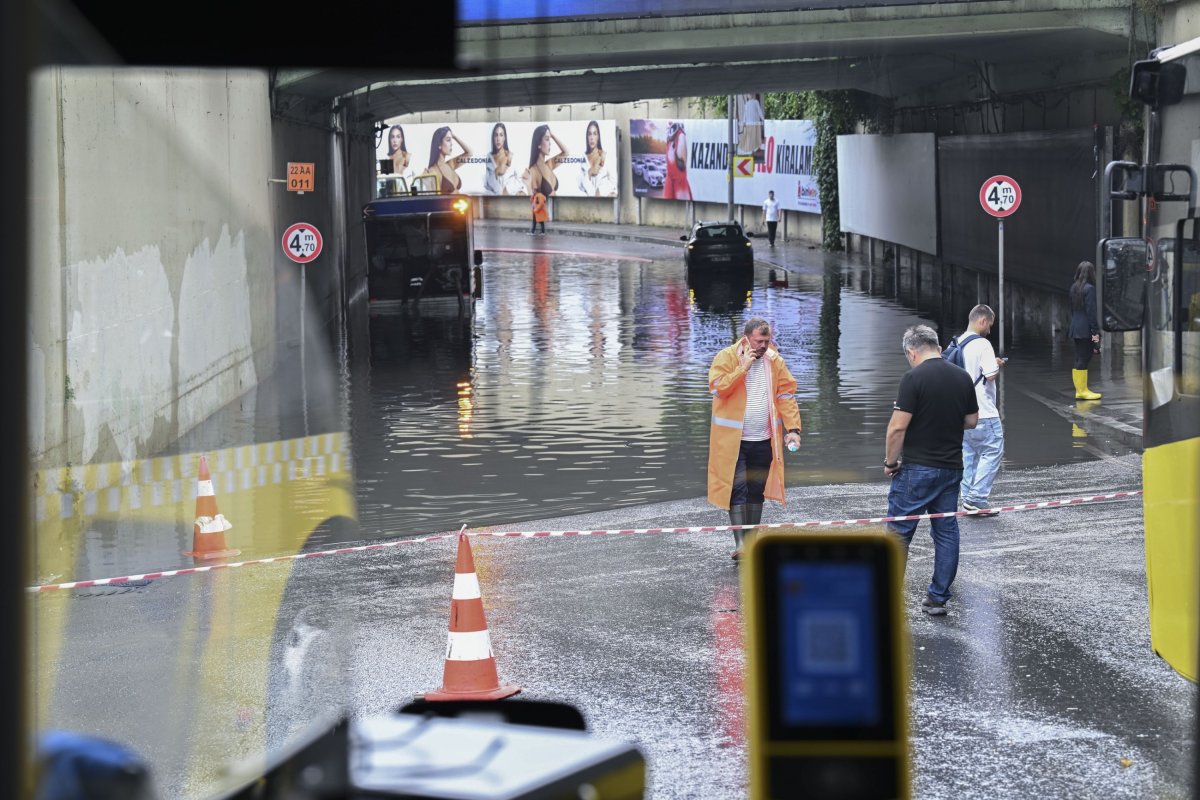
Istanbul Infrastructure Tested by Record Rainfall
The July 4 2026 floods struck Istanbul on a Saturday when the Turkish State Meteorological Service had already issued yellow-level warnings for heavy precipitation. Acting Mayor Nuri Aslan later reported that 40-57 kg/sqm of rain fell in roughly 45 minutes across both the European and Asian sides of the city. This intensity exposed long-standing vulnerabilities in Istanbul's urban systems that have accumulated through decades of rapid expansion without matching upgrades to water management networks.
Broader regional dynamics in the Eastern Mediterranean show similar patterns where sudden downpours interact with aging infrastructure. Istanbul's position as Turkey's economic hub amplifies the consequences because disruptions here ripple through national supply chains and international trade routes passing through the Bosphorus. The event underscores how climate variability now tests cities that grew faster than their foundational drainage capacities could accommodate.
Strategic analysis reveals that Istanbul's exposure stems from its unique geography straddling two continents. Officials have long recognized the need for integrated flood defenses yet implementation has lagged behind population growth that now exceeds 15 million residents. The July 4 2026 episode therefore serves as a concrete indicator of governance challenges that extend beyond immediate emergency management into long-term planning for resilience.
Acting Mayor Nuri Aslan Mobilizes Emergency Response
Acting Mayor Nuri Aslan monitored operations from the AKOM Disaster Coordination Center as 5,772 personnel and 2,035 vehicles were deployed across 267 locations throughout Istanbul. This scale of mobilization reflected the city's established protocols for coordinating multiple agencies during extreme weather events. The response focused on clearing blocked roads and assisting stranded residents while preventing secondary incidents in flooded underpasses.
Turkey's urban governance model places significant responsibility on municipal leaders like Nuri Aslan to integrate meteorological data with on-ground action. The yellow-level warnings issued earlier allowed some pre-positioning of resources yet the concentrated rainfall still overwhelmed local capacities in multiple districts. This highlights the tension between centralized warning systems and the decentralized nature of drainage maintenance across Istanbul's 39 districts.
Regional comparisons with other Turkish cities show that Istanbul's coordination mechanisms through AKOM represent one of the more advanced frameworks in the country. Nevertheless the July 4 2026 event demonstrated that even well-resourced responses cannot fully compensate for underlying infrastructure deficits. Future strategies will likely require greater investment in predictive modeling that incorporates both rainfall intensity and urban runoff patterns.
European Side Districts Bear the Brunt
European side districts including Besiktas, Sisli, Kagithane, Sultangazi, Fatih, and Bakirkoy experienced the most severe flooding on July 4 2026. Dramatic scenes unfolded at the Zincirlikuyu underpass where multiple vehicles became trapped by rapidly rising water. In Sisli a taxi remained stranded in chest-deep flooding illustrating how quickly low-lying transportation corridors turned into hazards during the 45-minute deluge.
These districts contain dense commercial and residential zones that generate high volumes of surface runoff when drainage systems fail. Historical development patterns prioritized vertical construction over comprehensive stormwater management leaving many neighborhoods reliant on sewers designed for earlier eras with lower population densities. The concentration of impacts here reveals spatial inequalities in infrastructure investment across Istanbul's European shore.
Strategic implications extend to daily mobility patterns because these districts host major business centers and transport hubs. Disruptions on July 4 2026 affected thousands of commuters and commercial operations forcing temporary halts in economic activity. Such events compound over time to influence investment decisions by firms evaluating Istanbul's reliability as a regional headquarters location.
Asian Side Districts Face Parallel Challenges
Asian side districts such as Umraniye, Cekmekoy, Kadikoy, Beykoz, and Uskudar encountered comparable flooding conditions on the same day. The rainfall totals matched those on the European side yet local topography and drainage configurations produced distinct patterns of water accumulation. These areas include expanding residential zones where recent construction has outpaced upgrades to underground infrastructure.
Cross-Bosphorus coordination remains essential because Istanbul functions as a single metropolitan entity despite its divided geography. The July 4 2026 floods demonstrated that emergency resources must flow seamlessly between sides to address simultaneous crises. Acting Mayor Nuri Aslan's oversight from AKOM facilitated this integrated approach though the scale of deployment tested logistical capacities.
Broader Eastern Mediterranean climate trends suggest that such synchronized impacts on both shores will become more frequent. Urban planners in Istanbul therefore face pressure to develop unified resilience strategies that treat the city as an interconnected system rather than separate European and Asian components. This approach aligns with regional efforts to build adaptive capacity against intensifying weather extremes.
Aging Drainage Systems and Dense Urbanization
Clogged drainage systems and overwhelmed sewers formed the core physical cause of the July 4 2026 flooding across Istanbul. Aging urban infrastructure proved unable to handle 40-57 kg/sqm of rainfall delivered in roughly 45 minutes even though the Turkish State Meteorological Service had provided advance yellow-level warnings. Decades of incremental expansion have left many pipes and channels undersized relative to current runoff volumes.
Dense urbanization amplifies these technical shortcomings because impermeable surfaces now cover large portions of former natural drainage areas. Historical records indicate that Istanbul's population growth accelerated dramatically after the 1980s creating pressure for rapid housing and commercial development. Infrastructure upgrades have not kept pace leaving the city vulnerable to events that earlier generations would have classified as exceptional.
Strategic analysis connects this situation to governance priorities that have emphasized visible megaprojects over routine maintenance of subterranean networks. The July 4 2026 floods therefore represent not merely a weather incident but a structural outcome of planning choices made across multiple municipal administrations. Addressing these deficits requires sustained political commitment to underground investments that yield fewer immediate political returns.
Turkiye Infrastructure Between Ambition and Reality
Turkey's national infrastructure agenda includes ambitious targets for modern transportation and energy systems yet urban drainage often receives secondary attention. The July 4 2026 Istanbul floods illustrate the gap between high-profile projects and the foundational systems that protect daily urban function. Acting Mayor Nuri Aslan's coordination through AKOM showed operational competence but could not overcome physical limitations built into the city's drainage fabric.
Government officials have acknowledged the need for climate-resilient design in new developments yet retrofitting existing districts presents greater technical and financial hurdles. Istanbul's experience on July 4 2026 provides a case study for other Turkish cities facing similar growth pressures. National policy frameworks may need adjustment to allocate dedicated funding streams for municipal stormwater upgrades.
Regional dynamics within Turkey show that Istanbul's challenges are not isolated. Cities along the Aegean and Mediterranean coasts encounter parallel issues where sudden rainfall interacts with expanding urban footprints. The absence of major injuries or fatalities on July 4 2026 offers some reassurance regarding emergency protocols yet underscores that prevention through infrastructure renewal remains the more sustainable path.
Regional Parallels: Gulf Cities Face Similar Pressures
Gulf cities such as Dubai, Doha, and Riyadh confront comparable risks from intense rainfall events despite their arid climates. Rapid urbanization in these centers has created extensive impervious surfaces that channel water into low-lying areas during rare but powerful storms. Istanbul's July 4 2026 experience offers transferable lessons on the importance of proactive drainage maintenance and integrated emergency coordination.
Climate adaptation strategies in the Eastern Mediterranean and Gulf regions increasingly emphasize nature-based solutions alongside engineered infrastructure. Istanbul's clogged sewers highlight the limitations of relying solely on traditional gray infrastructure. Regional organizations focused on urban resilience could facilitate knowledge exchange between Turkish municipalities and Gulf planning authorities facing parallel demographic and climatic pressures.
Strategic analysis indicates that shared vulnerabilities create opportunities for collaborative research on extreme weather modeling. Both Istanbul and Gulf capitals must balance economic growth objectives with investments that reduce exposure to infrastructure failures. The July 4 2026 event in Istanbul demonstrates that even well-managed cities require continuous adaptation as rainfall patterns shift under broader climatic influences.
Economic and Strategic Implications for Istanbul
Economic costs from the July 4 2026 floods include direct damages to vehicles and property plus indirect losses from disrupted commercial activity across affected districts. Besiktas, Sisli, and Kadikoy host significant retail and service sectors whose temporary closures ripple through supply chains. No major injuries or fatalities occurred yet the event still imposed measurable burdens on households and businesses already navigating inflationary pressures in Turkey.
Strategic positioning of Istanbul as a regional financial and logistics hub depends partly on perceptions of operational reliability. Repeated flooding incidents could influence decisions by international firms considering expansion in the city. Acting Mayor Nuri Aslan's visible leadership from AKOM helps maintain confidence in municipal responsiveness but long-term credibility requires visible progress on infrastructure renewal.
Broader regional dynamics link Istanbul's resilience to Turkey's overall economic stability. Disruptions in the country's largest city affect national GDP contributions and investor sentiment toward emerging markets in the Eastern Mediterranean. The July 4 2026 floods therefore carry implications that extend beyond immediate recovery into questions of sustained competitiveness.
The Road Ahead for Urban Climate Adaptation
Urban climate adaptation in Istanbul must prioritize comprehensive drainage modernization alongside continued enforcement of building codes that account for extreme rainfall. The July 4 2026 event with its 40-57 kg/sqm totals in 45 minutes provides empirical data that planners can use to recalibrate design standards. Integration of green infrastructure such as permeable surfaces and retention basins offers complementary approaches to traditional sewer upgrades.
Turkey's national government and municipal authorities including those led by Acting Mayor Nuri Aslan share responsibility for aligning adaptation investments with demographic realities. Istanbul's dual European and Asian geography requires coordinated strategies that avoid fragmented implementation. Regional cooperation with other Eastern Mediterranean cities can accelerate learning on effective measures against intensifying precipitation events.
Ultimately the July 4 2026 floods serve as a catalyst for re-evaluating the balance between growth and resilience in one of the region's most dynamic urban centers. Sustained attention to aging infrastructure combined with forward-looking climate policies will determine whether Istanbul can maintain its strategic importance while protecting residents from future extremes. Gulf cities watching these developments may draw parallels that inform their own adaptation roadmaps in coming years.
By Malik Hassan, Staff WriterThis article was produced with AI-assisted research and editorial support. Reporting is based on sources cited in the article.
What's Your Reaction?
 Like
0
Like
0
 Dislike
0
Dislike
0
 Love
0
Love
0
 Funny
0
Funny
0
 Wow
0
Wow
0
 Sad
0
Sad
0
 Angry
0
Angry
0

Middle East Correspondent at Global1.News. Based in Beirut, covering politics, conflict, energy, and society across the Middle East. Brings context and depth to a region often reduced to headlines.














Comments (0)