
Shigella Outbreak in Kerala Claims Second Child Life Amid 85 Confirmed Cases
A 4-year-old girl died from Shigella infection at Kozhikode Medical College on June 6, 2026, marking the second such child death in the district this year after an April fatality. Health authorities have confirmed 85 shigellosis cases across Kerala, with 443 patients seeking treatment and 68 inpatients recorded as of June 9. Shigella Outbreak in Kerala Claims Second Child Life
A 4-year-old girl died from Shigella infection at Kozhikode Medical College on June 6, 2026, marking the second such child death in the district this year after an April fatality. Health authorities have confirmed 85 shigellosis cases across Kerala, with 443 patients seeking treatment and 68 inpatients recorded as of June 9.
Shigella Outbreak in Kerala Claims Second Child Life Amid 85 Confirmed Cases
Kozhikode, Kerala – June 10, 2026 — The death of a young child at Kozhikode Medical College highlights gaps in India's school sanitation and water safety systems that continue to expose children under five to preventable bacterial threats.
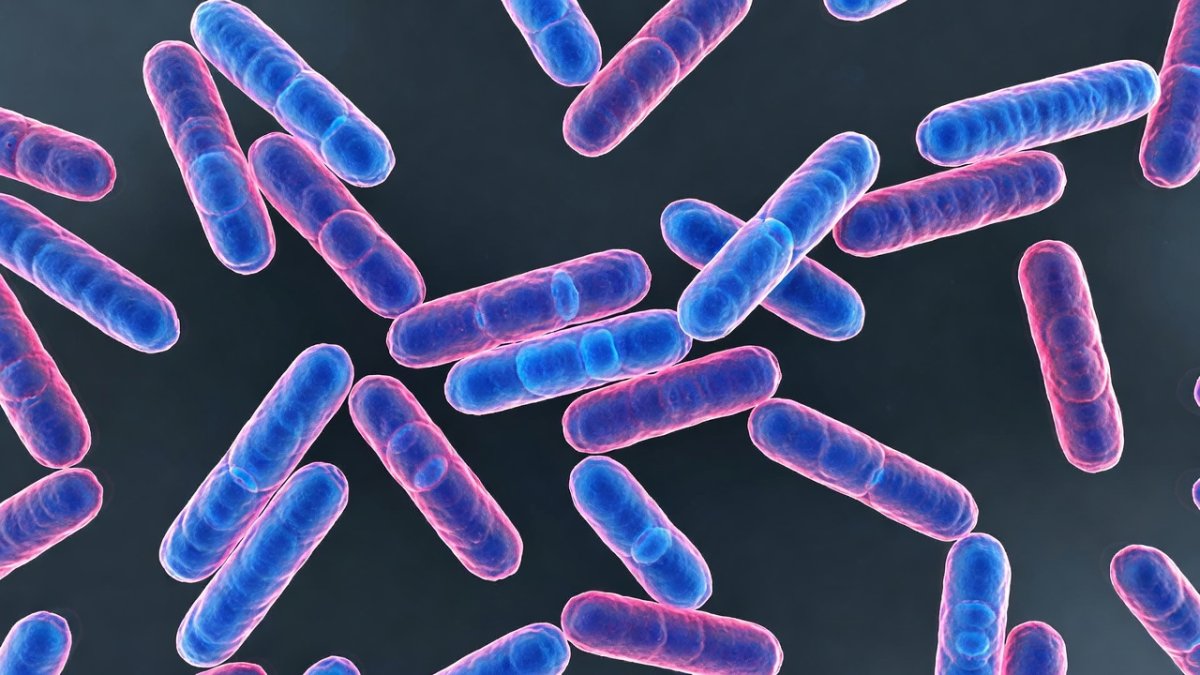
The Human Cost: Two Child Deaths and Rising Case Numbers
The June 6 fatality at Kozhikode Medical College followed an April death in the same district, both linked to Shigella. Official data show 85 laboratory-confirmed cases statewide through June 2026. Of 443 individuals who sought treatment, 68 remained hospitalized on June 9. Children under five face the highest risk of severe dehydration and complications from bloody diarrhoea, fever, abdominal cramps and vomiting, which are the hallmark symptoms of shigellosis.
School Clusters Drive Transmission in Wayanad and Kozhikode
A major cluster emerged at Mar Baselios AUP School in Koliyadi, Wayanad district, where two students initially tested positive and additional results continue to arrive. Over 300 children from the area sought hospital care at the Government Taluk Hospital in Sulthan Bathery. Surveillance now covers 800 households and 13 educational institutions in Wayanad, plus 12 schools and one engineering college in Kozhikode where siblings of infected students are enrolled. Limited toilet facilities in many government and aided schools accelerate person-to-person spread through contaminated surfaces and inadequate handwashing.
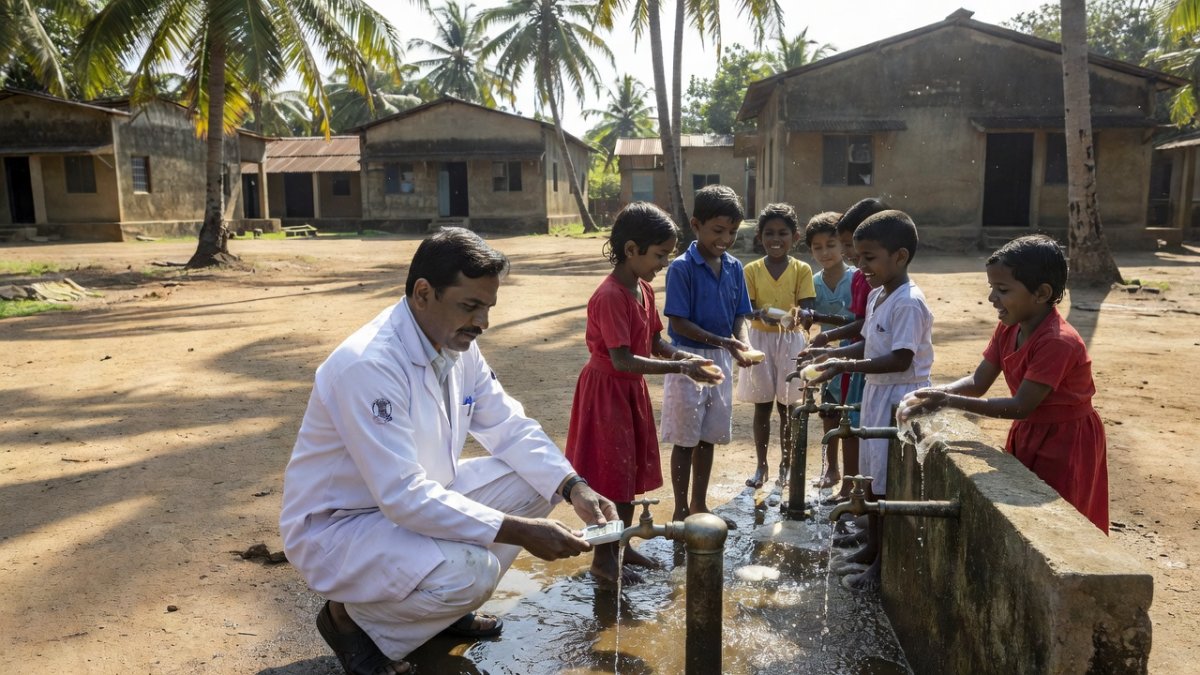
State Response: Minister Visits Affected Areas, Operation Clean Kerala Launched
Health Minister K Muraleedharan inspected Sulthan Bathery Taluk Hospital on June 9, meeting affected students and their families. The Food Safety Department launched Operation Clean Kerala to inspect food handling at schools and eateries across the state. District Medical Officer Dr K T Rekha confirmed that 68 patients were admitted as of noon on June 9, while warning that self-medication by parents could complicate treatment. The Education Department directed that siblings of infected students undergo a mandatory one-week quarantine.
Transmission Pathways and Clinical Management
Shigella spreads via contaminated food, water and close physical contact — a single infected child with poor hygiene can transmit the bacterium to an entire classroom. Treatment relies on targeted antibiotics such as ciprofloxacin and azithromycin, combined with oral rehydration salts to prevent dehydration. Early administration prevents progression to severe complications, yet rural households often lack immediate access to diagnostic stool testing. The current outbreak underscores the need for rapid testing capacity at primary health centres across Kerala and neighbouring states such as Tamil Nadu and Karnataka, where travel links increase spillover risk.
Implications for India's Public Health and Education Infrastructure
Kerala's experience mirrors national challenges in maintaining WASH — water, sanitation and hygiene — standards across 1.5 million schools. Recurrent outbreaks strain the already stretched resources of the Indian Council of Medical Research and state health departments. Taxpayers bear repeated costs of hospitalisation and surveillance while students lose learning days. Public health experts argue that policy must link midday meal hygiene audits with mandatory toilet-to-student ratios if similar clusters are to be prevented. The outbreak also raises questions about the effectiveness of the National Health Mission's disease surveillance network in catching outbreaks before they escalate to statewide alerts.
Prevention Priorities and the Path Forward
Handwashing with soap, safe drinking water and food hygiene remain the most effective barriers against Shigella transmission. The Health Ministry and state education departments should enforce annual sanitation audits and increase the number of nursing staff trained in outbreak response at the district level. Without sustained investment in school infrastructure and community health awareness, isolated Shigella clusters will continue to escalate into statewide health alerts, affecting the most vulnerable children first. The April and June deaths in Kozhikode should serve as a call for systemic reform rather than episodic response.
This article was produced with AI-assisted research and editorial support. Reporting is based on sources cited in the article.
What's Your Reaction?
 Like
0
Like
0
 Dislike
0
Dislike
0
 Love
0
Love
0
 Funny
0
Funny
0
 Wow
0
Wow
0
 Sad
0
Sad
0
 Angry
0
Angry
0

India/South Asia Correspondent at Global1.News. Analytical voice with a background in science and health journalism. Based in New Delhi, covering Indian politics, education, healthcare, technology, and policy. Breaks down complex data into clear, actionable reporting.















Comments (0)