
9 Premiers Agree to Ease Interprovincial Alcohol Trade Barriers
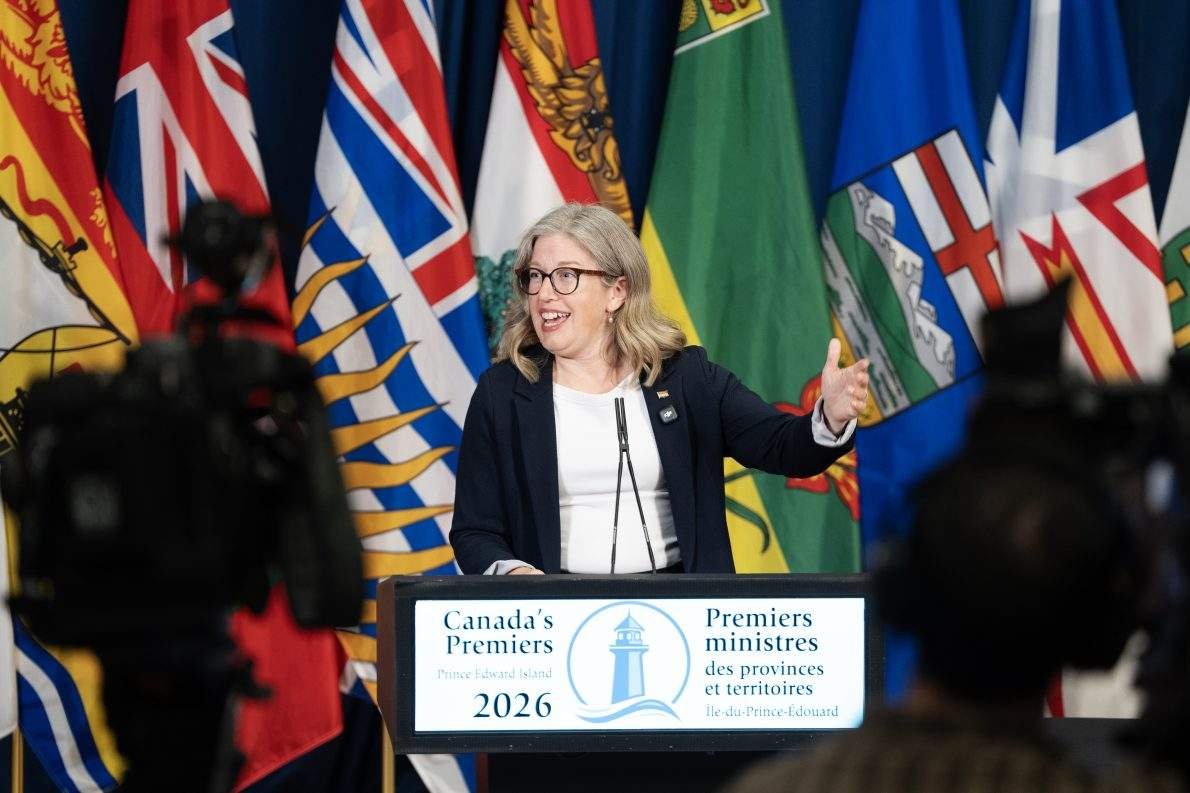
9 Premiers Agree to Ease Interprovincial Alcohol Trade Barriers Canadian premiers have reached an agreement to ease long-standing restrictions on the sale of alcohol across provincial lines, marking a notable step in efforts to reduce internal trade barriers. The deal involves nine premiers and focuses on allowing brewers and distillers to sell directly to consumers in other provinces.
9 Premiers Agree to Ease Interprovincial Alcohol Trade Barriers
Canadian premiers have reached an agreement to ease long-standing restrictions on the sale of alcohol across provincial lines, marking a notable step in efforts to reduce internal trade barriers. The deal involves nine premiers and focuses on allowing brewers and distillers to sell directly to consumers in other provinces.
Tags: interprovincial trade, alcohol sales, Canadian premiers, trade barriers, direct sales
The Deal
The agreement updates rules to permit more Canadian brewers and distillers to sell alcohol directly to consumers outside their home provinces. This change addresses barriers that have historically increased costs and complexity for manufacturers seeking markets beyond their own jurisdictions.
Under the new framework, participating provinces will adjust regulations to facilitate these direct sales. The premiers emphasised that the measure forms part of a broader initiative to tackle interprovincial trade obstacles across the country. While the source material does not specify exact implementation dates beyond existing commitments, the premiers have referenced prior timelines with caution.
Breaking Down Barriers
Interprovincial trade barriers in Canada have long complicated the movement of goods, including alcohol, between provinces and territories. These restrictions often stem from differing provincial regulations on distribution, taxation, and sales channels, which can limit consumer choice and raise expenses for producers.
The current agreement builds on a memorandum signed last year by all provinces and the Yukon. That document committed signatories to opening borders for direct consumer sales by May 2026. The new deal advances this goal for nine premiers, though full national alignment remains subject to further provincial actions.
Federal-provincial relations play a central role here, as premiers coordinate on economic measures that affect the national marketplace. Reducing these barriers could support Canadian manufacturers by expanding their reach without relying solely on traditional distribution networks.
Provincial Responses
Specific jurisdictions have already taken steps in this direction. New Brunswick and Manitoba have reached separate deals permitting increased interprovincial sales of certain alcohol types. These early actions demonstrate how individual provinces can pilot changes before wider adoption.
Quebec and the Yukon have indicated they aim to sign on to the agreement in the near future, according to the premiers' statement. British Columbia has stated it will allow companies to sell directly to consumers by February 2027. The source material does not provide further details on other provinces' exact positions or timelines, highlighting the need for ongoing clarification from each jurisdiction.
These varied responses underscore the complexities of federal-provincial coordination, where differing economic priorities and regulatory environments influence the pace of reform.
Tariff Context
The agreement emerges against the backdrop of external trade pressures. U.S. President Donald Trump has announced plans for steep tariffs on Canadian beer, wine, and spirits. This development adds urgency to domestic efforts to strengthen internal markets.
The proposed tariffs arrive at a time when Canada's trade diversification strategy has become a central pillar of economic policy. By strengthening interprovincial commerce, the premiers' agreement complements ongoing federal efforts to reduce reliance on the U.S. market. The Canadian government has pursued new trade agreements across the Indo-Pacific and Europe, and removing internal barriers represents a parallel track that premiers can advance without waiting for federal trade negotiations.
The alcohol sector is particularly exposed. Canadian craft breweries and wineries have grown substantially over the past decade, exporting an increasing share of production. The threat of steep U.S. tariffs — which the Trump administration has linked to what it describes as discriminatory Canadian measures — could undermine recent export growth. The premiers' move to open domestic markets provides some counterbalance, though the scale of U.S. demand far exceeds what interprovincial sales alone can replace.
Canadian exporters of alcohol products face potential disruptions from these proposed U.S. measures, which could affect an industry that contributes to the national economy through production, employment, and exports. Strengthening interprovincial sales offers one avenue to mitigate reliance on cross-border trade.
Trade policy remains a shared concern between federal and provincial governments, with premiers often advocating for measures that protect Canadian producers amid shifting international dynamics.
What This Means for Canadians
For consumers, the changes could eventually expand access to a wider range of Canadian-made beers, wines, and spirits from other provinces. This might lead to greater variety on store shelves and online platforms, though actual availability will depend on how quickly producers and retailers adapt.
The agreement also carries symbolic significance. Interprovincial trade barriers have been a subject of debate among economists and policymakers for decades, with the federal government repeatedly calling for their reduction. That premiers from across the political spectrum — governing parties ranging from Progressive Conservatives to New Democrats to the Coalition Avenir Québec — have found common ground on this file suggests a growing consensus around the economic costs of internal fragmentation.
For small and medium-sized breweries and distilleries, the impact could be transformative. Present regulations often require producers to navigate separate distribution agreements, labelling requirements, and tax regimes in each province, costs that disproportionately affect smaller operations. Direct-to-consumer sales bypass some of these hurdles, offering craft producers a more viable path to national reach. The practical effect will depend on how provinces implement the regulatory changes and whether shipping logistics remain cost-effective for individual consumers.
Canadian brewers and distillers stand to benefit from reduced logistical and regulatory hurdles, potentially lowering costs associated with selling outside their home provinces. The source material notes that current barriers make such sales more difficult or costly, so easing them aligns with goals of supporting domestic industry.
Broader economic effects could include modest boosts to regional economies through increased sales, though the full consumer impact will unfold gradually and requires monitoring of provincial implementation.
What Happens Next
Further sign-ons from Quebec and the Yukon are anticipated in the coming period, while British Columbia's February 2027 target provides a concrete benchmark for that province. The premiers' statement leaves room for additional details on enforcement and specific product categories.
Officials will likely continue discussions on related interprovincial trade issues, as the alcohol agreement represents one component of larger reform efforts. Canadians can expect updates from provincial governments as regulations are adjusted.
The situation remains fluid, with outcomes tied to the pace of provincial legislative and administrative changes. Observers note that sustained federal-provincial dialogue will be essential to realising the full potential of these measures.
By Alex Thompson, Staff Writer
This article was produced with AI-assisted research and editorial support. Reporting is based on sources cited in the article.
What's Your Reaction?
 Like
0
Like
0
 Dislike
0
Dislike
0
 Love
0
Love
0
 Funny
0
Funny
0
 Wow
0
Wow
0
 Sad
0
Sad
0
 Angry
0
Angry
0

Canada Correspondent at Global1.News. Based in Toronto, covering Canadian politics, energy, trade, and US-Canada relations. Provides the Canadian perspective on North American and global affairs.















Comments (0)