
Dozens Dead, Scores Missing After Guyana Ferry Disaster — MV Barima Capsizes Off Coast
The MV Barima disaster has ripped through Caribbean hearts once more, leaving dozens dead and scores still missing after an ageing ferry capsized in rough Atlantic waters off Guyana. Families across the region now wait in anguish, their grief echoing through tight-knit communities that have long depended on these vital sea links.
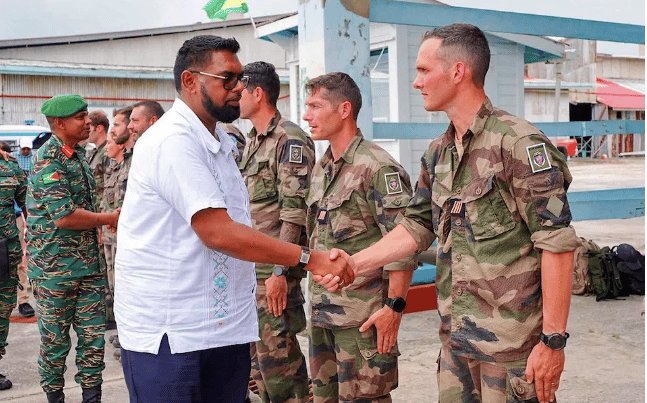
Dozens Dead, Scores Missing After Guyana Ferry Disaster — MV Barima Capsizes Off Coast
PORT OF SPAIN, Trinidad — The entire Caribbean is in mourning this week as news of the MV Barima tragedy spreads through family networks and church groups from Georgetown to Port of Spain.
The Night the MV Barima Went Down
The MV Barima, a 40-metre ferry built in 1939 and now 87 years old, left Georgetown bound for Port Kaituma in the Essequibo region on Saturday, July 18, 2026, at approximately 3:15pm. With 179 people on board, the vessel was carrying families, workers, and children heading to communities in Guyana's oil-rich western reaches. Around 11pm that same evening a distress call went out. By the time help arrived the ferry had capsized near Iron Punt off the coast. As of Tuesday, July 21, Prime Minister Mark Phillips confirmed 41 people dead. Seventy-seven survivors have been accounted for, among them at least 15 children. Private boats pulled at least 17 people from the water. Search and rescue operations continue.
The MV Barima departed Georgetown at 3:15pm on that fateful Saturday, embarking on what should have been an eight-hour crossing through the choppy waters toward Port Kaituma. Passengers settled in for the overnight voyage, many of them oil workers, families with young children, and traders carrying goods between the capital and the Essequibo communities. As darkness fell, the vessel ploughed onward, its ageing engines straining against the swell. By 11pm the distress call crackled over the radio, alerting authorities that the ferry was taking on water near Iron Punt. Rescue coordination began immediately, yet the nearest official vessels were hours away in the vast Atlantic expanse. Volunteer fishermen and private boat operators played a crucial role that night, launching into the blackness with only torches and local knowledge to guide them. These unsung heroes pulled at least seventeen survivors from the waves before dawn, their small craft battling the same treacherous currents that had overwhelmed the ferry. The Trinidad and Tobago Coast Guard and Guyanese naval units faced significant challenges, including limited night-vision equipment and the sheer scale of the search area. As first light broke over the rescue scene, debris and life jackets dotted the water, while helicopters joined the effort to spot survivors clinging to wreckage.
Families Waiting by the Water's Edge
In Port Kaituma and Georgetown, relatives have gathered at jetties and hospitals, clutching phones and photographs. The loss cuts deep in tight-knit Guyanese communities where everyone knows someone on that route. Children who survived are now with aunts and grandparents while parents remain missing. The human cost stretches beyond numbers: a grandmother who travelled to meet her grandchildren, a young father returning from work in the capital, schoolchildren on their way home for the holidays. These stories echo across the Caribbean, where ferry journeys often connect remote villages to bigger towns and where every family has felt the ache of waiting for news after a storm or mechanical failure.
Ageing Ferries and Shared Caribbean Worries
The MV Barima's age raises questions about ferry maintenance across the region. Many Caribbean nations still rely on vessels decades old to link islands and coastal communities. In Trinidad and Tobago, similar concerns surface whenever the inter-island ferry between Port of Spain and Scarborough faces delays or breakdowns. Cost of living pressures make people depend on these affordable routes rather than flying. When an 87-year-old ferry sails with 179 souls, the margin for error shrinks. Regional experts have long called for coordinated safety standards, yet progress moves slowly. This tragedy reminds us that infrastructure built in another era now carries the weight of modern traffic and expectations.
Jamaica’s ferry service between Kingston and Ocho Rios still operates vessels well over forty years old, while the Bahamas relies on ageing craft for inter-island links that often suffer mechanical breakdowns during peak tourist seasons. Barbados and St Vincent and the Grenadines face similar issues, with their government-run ferries requiring constant repairs that strain already tight national budgets. Replacing these workhorses costs tens of millions of US dollars, far exceeding the expense of piecemeal maintenance, yet the latter leaves safety margins dangerously thin across the region. International maritime safety standards set by the International Maritime Organisation demand rigorous inspections and modern navigation systems, standards that many Caribbean nations struggle to meet consistently due to limited resources and expertise. Trinidad’s Ministry of Works and Transport has repeatedly stated its commitment to ferry modernisation, citing recent upgrades to life-saving equipment on the Port of Spain to Scarborough route. However, progress remains slow, with officials acknowledging that full fleet renewal would require substantial foreign investment and regional cooperation that has yet to materialise.
Trinidad's Own Lessons from the Sea
Trinidadians remember the 2019 incident involving the MV Cabo Star and earlier ferry groundings that prompted reviews by the Ministry of Works and Transport. Those events led to stricter life-jacket checks and better radio protocols, yet gaps remain. Our waters see heavy small-vessel traffic, especially during the rainy season when flooding affects coastal roads. The Guyana disaster brings those memories close. Many Trinidadian families have relatives in Guyana or travel the same Caribbean routes for work and Carnival. When one country suffers a maritime loss, the shock travels through our shared waters and family networks. Practical steps such as joint training exercises between the Trinidad and Tobago Coast Guard and Guyanese authorities could prevent future heartbreak.
CARICOM and the Call for Better Disaster Response
Guyana, a CARICOM member state and part of the Commonwealth Caribbean, now faces a test of regional solidarity. Neighbouring countries including Trinidad and Tobago, Jamaica, and Barbados have offered search assets and medical support in past disasters. Coordinated response remains essential when vessels operate near borders and in waters shared by fishing communities. The Office of Disaster Preparedness in various islands already exchanges weather data during hurricane season. Extending that cooperation to ferry safety inspections and rapid rescue pacts would honour the spirit of Caribbean unity. Private boat operators who rescued at least 17 people in this case showed the value of local knowledge; formalising such help could save more lives when official vessels are hours away.
The Caribbean Disaster Emergency Management Agency, known as CDEMA, coordinates regional responses to hurricanes and other crises, having deployed assets during past operations such as the 2017 hurricane season rescues across the eastern Caribbean. Neighbouring states including Trinidad and Tobago and Jamaica have previously supplied aircraft and medical teams, demonstrating the value of pooled resources when disasters strike. The annual Aguila Azul air-sea exercises between Caribbean nations already practise joint search-and-rescue scenarios, yet these drills have not been fully extended to commercial ferry incidents. A coordinated Caribbean coast guard network could involve shared radar coverage, standardised radio protocols and rapid-response pacts that allow vessels from one member state to operate seamlessly in another’s waters. Such a framework would formalise the contributions of local fishermen, as seen in this rescue, while ensuring official assets reach stricken vessels faster. CARICOM leaders have discussed these measures for years, but the MV Barima tragedy underscores the urgent need to move from discussion to implementation before another ageing ferry meets a similar fate.
Essequibo, Oil, and the Shadow of Old Disputes
Port Kaituma lies in the Essequibo region, an area central to Guyana's oil boom and long-standing border questions with Venezuela. The ferry route serves workers and families drawn by energy-sector jobs at sites linked to Atlantic LNG-style projects and exploration. Yet the same waters that promise prosperity also expose travellers to rough conditions and ageing transport. Climate change adds pressure: rising seas and stronger storms affect small island developing states and coastal Guyana alike. Trinidad's own energy history with Petrotrin reminds us how sudden wealth can outpace infrastructure upgrades. The disaster highlights the need to pair economic growth with reliable, safe connections for ordinary citizens who keep communities alive.
Guyana’s oil production from ExxonMobil’s Stabroek block has surged past 600,000 barrels per day, drawing hundreds of workers who regularly travel the Georgetown to Port Kaituma ferry route for shifts at exploration sites and support facilities. These commuters represent the human backbone of the energy boom, yet they depend on infrastructure that has not kept pace with the influx of wealth and activity. The strategic importance of Port Kaituma as a gateway to the western reaches cannot be overstated, serving both commercial traffic and the growing population attracted by high-paying jobs. Venezuela’s long-standing border claim over the Essequibo region remains before the International Court of Justice, adding geopolitical tension to every crossing in these waters. The dispute casts a shadow over development plans, even as oil revenues transform Guyana’s economy. Trinidad’s experience with Petrotrin showed how sudden energy wealth can outstrip roads, ports and safety systems, leaving ordinary citizens vulnerable. Infrastructure upgrades have lagged behind the oil boom, leaving ferry passengers exposed to outdated vessels in increasingly busy sea lanes.
Guyanese Voices in Trinidad and the Wider Diaspora
Trinidad hosts a large Guyanese community, many of whom work in construction, healthcare, and the service sector. News of the MV Barima reached them through WhatsApp groups and church networks within hours. Some have already organised collections for survivors and funeral costs. Diaspora members in Canada, the United Kingdom, and the United States watch anxiously, wondering how to support relatives back home. Visa and immigration rules sometimes complicate quick travel for mourning, yet the Caribbean spirit of "one family" still prevails. Community centres in Port of Spain and San Fernando have begun planning memorial services that blend calypso tributes with Guyanese hymns. This tragedy touches every corner of our region because our people move freely across these waters for work, love, and survival.
Search teams continue their work off Iron Punt while families hold vigil. The coming days will bring more answers and more difficult conversations about how we protect those who travel our shared seas. In the meantime, Trinidad stands ready to offer whatever practical help our neighbours need, because when Guyana grieves, the whole Caribbean feels it.
By Sharon Sahatoo, Staff WriterThis article was produced with AI-assisted research and editorial support. Reporting is based on sources cited in the article.
What's Your Reaction?
 Like
0
Like
0
 Dislike
0
Dislike
0
 Love
0
Love
0
 Funny
0
Funny
0
 Wow
0
Wow
0
 Sad
0
Sad
0
 Angry
0
Angry
0

Caribbean Correspondent at Global1.News. Based in Port of Spain, Trinidad, covering Caribbean politics, economy, energy, climate, and culture. Amplifying the voices and stories of the Caribbean region.











Comments (0)