
Andy Burnham Scraps 5% VAT on Electricity Bills in First Cost of Living Move
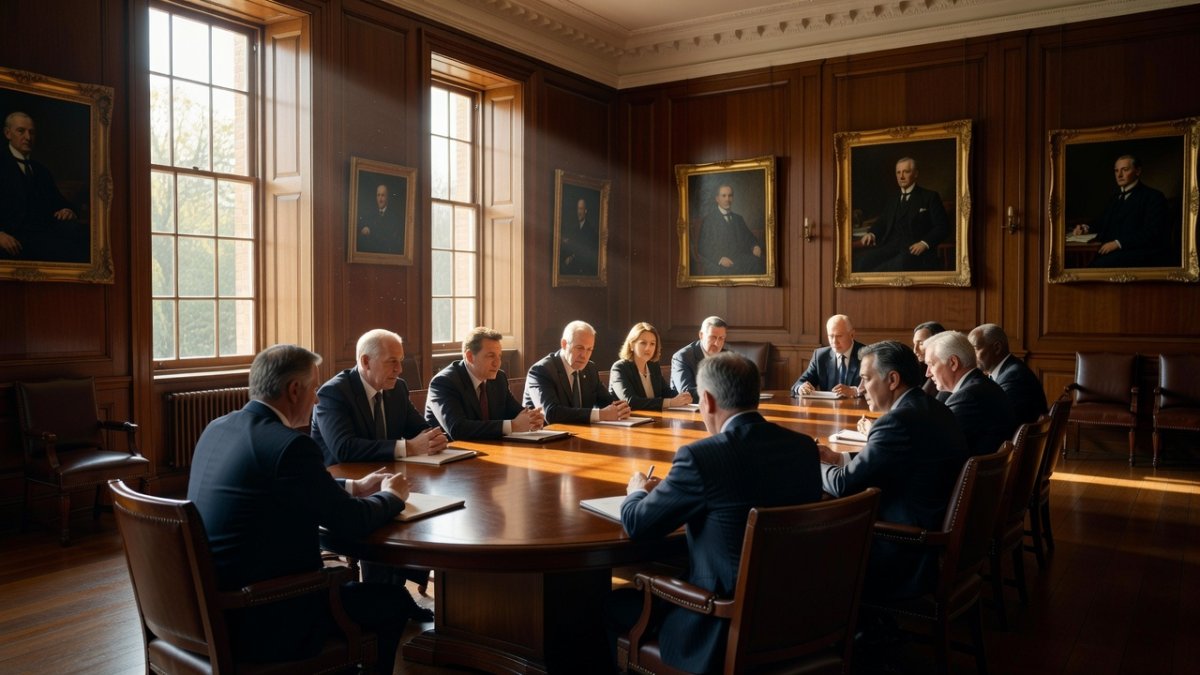
The new Prime Minister has moved swiftly to deliver on his pledge to lead a “cost of living government”. In his first cabinet meeting at 10 Downing Street on Tuesday 21 July 2026, Andy Burnham announced the immediate abolition of the 5% VAT rate on domestic electricity bills from October 2026.
The new Prime Minister has moved swiftly to deliver on his pledge to lead a “cost of living government”. In his first cabinet meeting at 10 Downing Street on Tuesday 21 July 2026, Andy Burnham announced the immediate abolition of the 5% VAT rate on domestic electricity bills from October 2026.
Burnham Scraps 5% VAT on Electricity Bills in First Cost of Living Move
London, UK – 21 July 2026 —
Policy Details and Household Impact
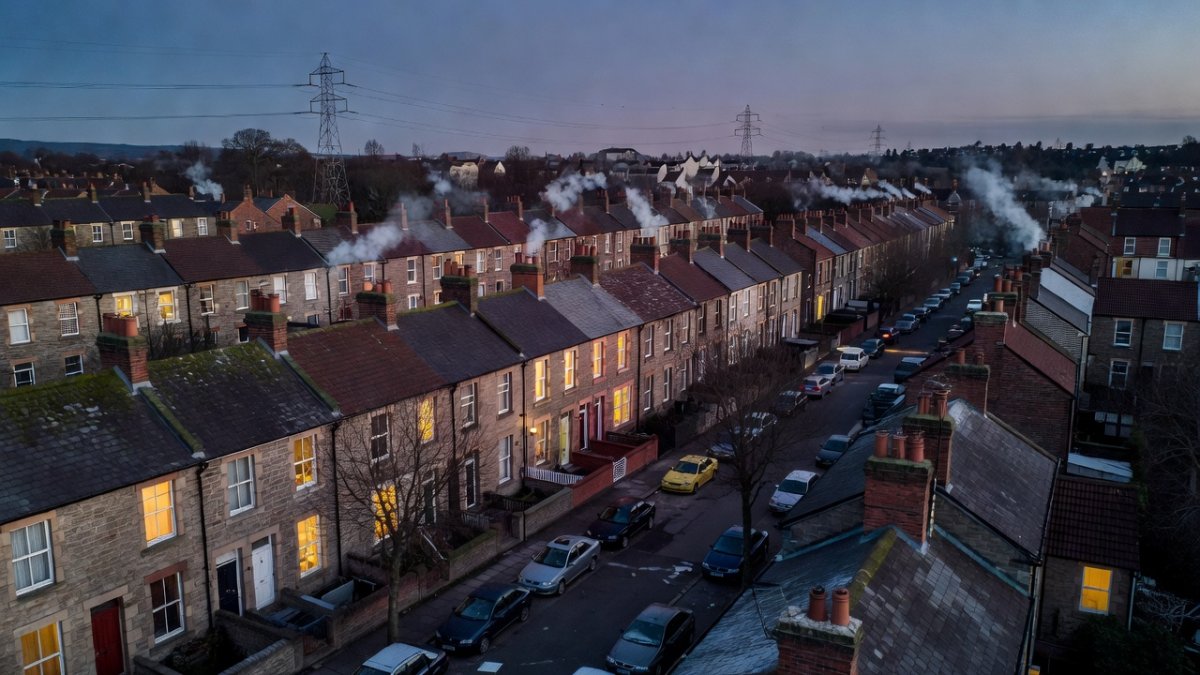
The measure will remove the standard rate of VAT currently applied to electricity supplied to homes. Ofgem data show that the average dual-fuel household uses 2,700 kWh of electricity annually. At current prices the 5% VAT element amounts to roughly £45 per year. The Treasury estimates the static cost at £850 million in 2026-27, rising modestly thereafter with demand and price movements.
The current VAT regime applies a reduced rate of 5 per cent to both domestic electricity and gas supplies, a concession introduced in the 1990s to mitigate the regressive effects of energy taxation on lower-income households. This stands in contrast to the standard 20 per cent rate levied on most goods and services. Within the framework of the Ofgem price cap, which currently stands at approximately £1,834 for a typical dual-fuel household on direct debit, the 5 per cent VAT is embedded in the calculation of unit rates and standing charges. Any reduction would therefore flow through directly to bills, though the precise mechanism would depend on whether the cut is applied at source by suppliers or reimbursed via the Treasury.
Previous interventions, notably the 2022 Energy Price Guarantee that capped bills at £2,500 and the subsequent £400 non-repayable rebate, delivered far more substantial short-term relief than the proposed £45 annual saving. In real terms, £45 represents less than 3 per cent of the average annual bill and falls well short of offsetting the £3.3 billion in energy debt currently held by households, according to Ofgem data. Pre-payment meter users, all-electric households in rural off-gas areas, and those in poorly insulated social housing stand to gain the most proportionally, as their consumption patterns and lack of access to cheaper tariffs amplify the impact of even modest rate reductions.
Funding Source and Treasury Accounting
Downing Street states the policy is “fully funded” by cancelling the digital identity card scheme proposed under the previous administration. The Office for Budget Responsibility will be asked to certify the switch at the forthcoming Budget. No additional borrowing or tax rises are required under current projections.
The digital ID scheme, initially floated as a means of streamlining benefit verification and public service access, carried an estimated development cost exceeding £1.2 billion before being quietly shelved in late 2024. Its abandonment has been presented as the fiscal headroom for the VAT cut, yet the Office for Budget Responsibility has yet to certify the move as fiscally neutral. Without formal scoring, the proposal risks being viewed as an accounting sleight of hand rather than a genuine reallocation.
Chancellor John Healey faces his first significant test of Treasury discipline. Orthodox departmental thinking has long resisted hypothecated revenues, preferring that all taxation flows into the Consolidated Fund to preserve flexibility. Redirecting savings from a cancelled digital identity programme therefore challenges established practice and may invite scrutiny from the Public Accounts Committee over whether the claimed offset is robust or merely notional.
Former Minister Darren Jones Challenges the Numbers
Darren Jones, dismissed as Chief Secretary to the Treasury on Monday, immediately questioned the arithmetic. In a post on X he wrote that the digital ID scheme had never been allocated funding and that “the government will have to set out how it will pay for its new policies at the budget”. Treasury officials maintain that the £850 million figure was already notionally reserved within the fiscal envelope.
Darren Jones, the former Chief Secretary to the Treasury and a noted Starmer loyalist until his abrupt removal in the summer reshuffle, has questioned the underlying arithmetic. His intervention carries particular weight given his intimate knowledge of departmental costings and his reputation for forensic examination of fiscal claims. By highlighting the absence of OBR certification, Jones has effectively accused the Greater Manchester mayor of advancing an unfunded commitment that could undermine No 10’s credibility on spending discipline.
This episode echoes earlier Treasury rows, including disputes over the funding of the 2019 Conservative manifesto and the subsequent costings of pandemic support schemes. In each case, the absence of independent verification allowed political opponents to portray the figures as optimistic at best and misleading at worst, eroding public trust in the government’s economic stewardship.
Regional Effects Across the United Kingdom
Households in the North East and North West, where pre-payment meters remain more prevalent, stand to gain the largest proportional benefit. In Scotland, Scottish Labour leader Anas Sarwar is expected to join the government and will be tasked with ensuring the VAT cut is reflected promptly on bills issued by Scottish Power and SSE. In rural Wales and parts of the South West, where electricity dependence is higher because of limited gas connections, the saving will be felt most acutely during winter months.
Fuel poverty rates remain markedly uneven across the United Kingdom. Latest ONS-derived figures show England at 11.4 per cent, with the North East and Yorkshire recording the highest concentrations. Scotland reports 13.9 per cent under its broader definition, while Wales stands at 14.1 per cent and Northern Ireland at 18.3 per cent, reflecting colder climates, older housing stock and higher reliance on oil and solid fuel. These disparities mean that any electricity VAT reduction would deliver uneven regional benefits, with households in colder, more deprived areas capturing greater absolute savings.
Social housing tenants, pensioners on fixed incomes and low-income families with children are disproportionately exposed. Pre-payment meter households, who already pay an average premium of £250 annually compared with direct-debit customers, would see the measure partially offset this surcharge. Existing schemes such as the Energy Company Obligation and the Warm Home Discount, which provides £150 to eligible low-income pensioners, have struggled to reach all those in need; the VAT cut could complement these programmes but would not replace the deeper structural investment required to address the underlying drivers of energy poverty.
Additional Spending Commitments
Alongside the VAT decision, Burnham confirmed £340 million over five years for rough sleeping services, building on the announcement made on his first Monday in office. The funding will be channelled through the Ministry of Housing, Communities and Local Government and local authorities in England, with parallel allocations for the devolved administrations.
Security and Foreign Policy Continuity
The cabinet also agreed to maintain existing arrangements allowing US forces to operate from British bases for defensive strikes against Iran. Foreign Secretary Ed Miliband and Defence Secretary John Healey confirmed that no change to operational permissions had been requested by Washington.
Defence Context: Russian Activity Near Plymouth
On Burnham’s first full day in office a Russian warship conducted a live-fire exercise 45 miles south of Plymouth. The incident was monitored by the Royal Navy and reported to NATO allies. No direct link has been drawn to the change of government, yet it underscored the continuing security pressures facing the new administration.
Institutional Reform: “No 10 North”
Burnham intends to establish a permanent Downing Street presence in Manchester, to be known as “No 10 North”. The unit will operate at least one day each week from the city, drawing on civil servants from the Cabinet Office under Louise Haigh and the Treasury under Chancellor John Healey. The move is designed to reduce the London-centric character of decision-making and improve coordination with northern local authorities.
Cabinet Message on Political Conduct
In his opening remarks to ministers, Burnham stressed that “there must be no more political squabbling”. The new Health Secretary Yvette Cooper and other senior figures have been instructed to focus on delivery rather than internal positioning ahead of the first Budget statement.
The VAT cut will be laid before Parliament in the autumn and is expected to receive cross-party support given its direct effect on household bills. The Office for Budget Responsibility will publish its formal costing alongside the Budget Red Book. For millions of families across England, Scotland, Wales and Northern Ireland the change will appear on October statements as a modest but tangible reduction in the cost of keeping the lights on.
By Erica Thornton, Staff Writer
This article was produced with AI-assisted research and editorial support. Reporting is based on sources cited in the article.
What's Your Reaction?
 Like
0
Like
0
 Dislike
0
Dislike
0
 Love
0
Love
0
 Funny
0
Funny
0
 Wow
0
Wow
0
 Sad
0
Sad
0
 Angry
0
Angry
0

US Politics and Policy Correspondent at Global1.News. Based in Washington DC, covering American politics, policy, elections, and the courts. Knows how the system works and tells you what it actually means.














Comments (0)