
Zelensky Sacks Syrskyi as Ukraine Faces Russian Onslaught
In a dramatic shake-up of Ukraine's military command, President Volodymyr Zelensky has dismissed General Oleksandr Syrskyi amid widespread protests, appointing Mykhailo Drapatyi in his place as Russian forces intensify attacks on civilian areas and supply routes. The move comes as new leadership in London seeks to bolster support, while Canada joins a key fighter jet programme. Zelensky Sacks Syrskyi as Ukraine Faces Russian Onslaught London, UK — Article continues...
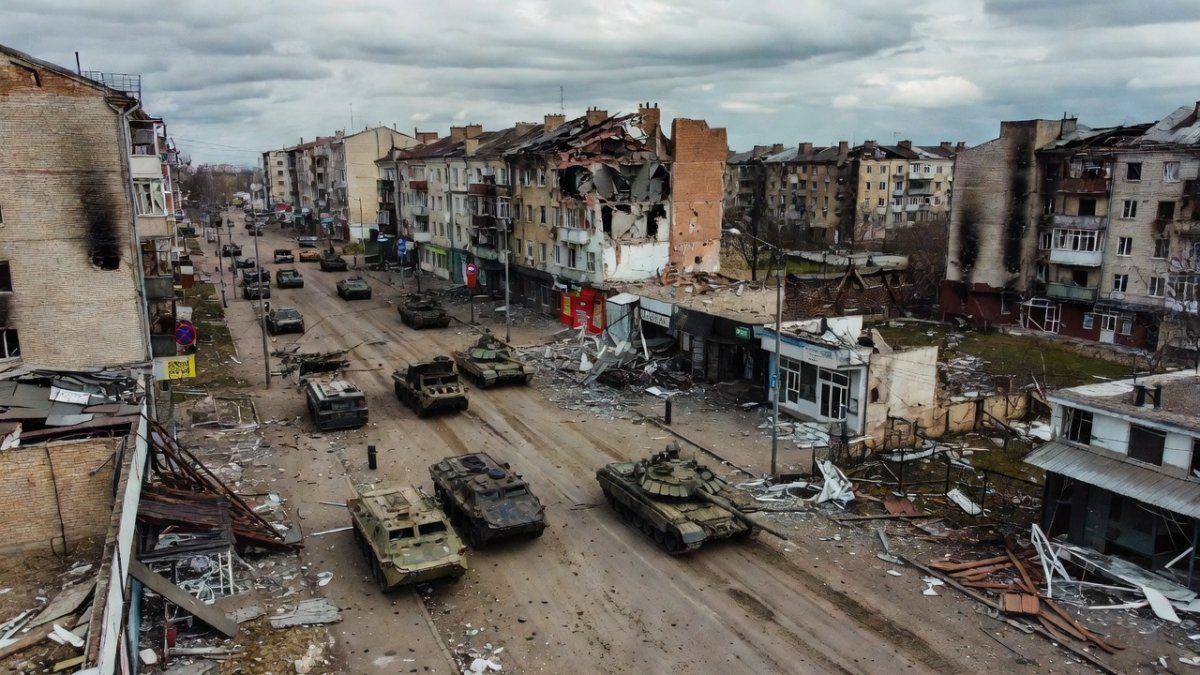
In a dramatic shake-up of Ukraine's military command, President Volodymyr Zelensky has dismissed General Oleksandr Syrskyi amid widespread protests, appointing Mykhailo Drapatyi in his place as Russian forces intensify attacks on civilian areas and supply routes. The move comes as new leadership in London seeks to bolster support, while Canada joins a key fighter jet programme.
Zelensky Sacks Syrskyi as Ukraine Faces Russian Onslaught
London, UK — Article continues...
Zelensky Acts Amid Protests to Reshape Military Leadership
Ukraine's president Volodymyr Zelensky has dismissed Gen Oleksandr Syrskyi as head of the armed forces and appointed Mykhailo Drapatyi in his place. The move follows days of mass protests across Ukrainian cities calling for Syrskyi's removal after the earlier sacking of former defence minister Mykhailo Fedorov.
Zelensky stated that the shared objective remains victory over the enemy together with conditions at the front and pressure on Russia that would force Moscow toward peace. The president emphasised that deep strikes on Russian territory would continue under the new commander-in-chief.
The dismissal of Gen Oleksandr Syrskyi follows mounting discontent over operational decisions linked to the earlier removal of defence minister Mykhailo Fedorov, whose sacking had already sparked accusations of mismanagement in procurement and frontline resource allocation. Protests in Kyiv and other cities highlighted public frustration with perceived stagnation in command structures, demanding accountability after a series of setbacks that eroded confidence in senior leadership.
Mykhailo Drapatyi's appointment introduces a figure associated with more agile field tactics, potentially signalling a shift towards decentralised decision-making within Ukraine's military hierarchy. This change may foster a culture less tolerant of rigid Soviet-inherited practices, encouraging innovation and closer integration with Western training doctrines while addressing internal calls for renewal amid the ongoing defence against Russian advances.
Russian Attacks Target Ukrainian Supply Lines
Moscow launched an attack on a Ukraine-bound gas tanker near Romania's coast. Romanian president Nicusor Dan confirmed the Liberian-flagged vessel sailing from Egypt to Ukraine was hit in an incident likely linked to Russia's war on Ukraine.
Kremlin spokesman Dmitry Peskov said on Tuesday that Russia would not stop striking vessels supplying Ukraine's military. The statement signals an intensification of efforts to disrupt Kyiv's logistics routes.
Diplomatic Reassurances from Britain's New Leadership
Mr Zelensky spoke with Britain's new prime minister Andy Burnham shortly after Burnham took office in London. Burnham assured that Britain's support for Ukraine would remain unchanged under his leadership, just hours after replacing Sir Keir Starmer in No 10.
Burnham also held talks with US president Donald Trump as part of his initial round of calls with world leaders. Both sides reaffirmed their unwavering support for Ukraine and agreed to continue discussions on bilateral cooperation.
Canada Joins GCAP Programme at Farnborough
Britain's new government secured an early defence win on Tuesday when Canada joined the delayed GCAP fighter jet programme. The development comes as European nations seek to reduce reliance on US weapons and coincides with the Farnborough Airshow.
New prime minister Andy Burnham named John Healey, who favours increasing the UK defence budget, as finance minister. Wes Streeting was given the defence brief, reflecting the government's focus on strengthening military capabilities through Whitehall and Westminster channels.
Canada's accession to the Global Combat Air Programme marks a significant boost for Britain's defence industry, expanding the collaborative framework beyond the original UK, Italy and Japan partners to include North American expertise in avionics and materials technology. At the Farnborough Airshow, this development was showcased through demonstrations of next-generation stealth capabilities, underscoring how the programme seeks to deliver a sixth-generation fighter by the mid-2030s with enhanced interoperability for NATO operations. The move reduces European reliance on American platforms while bolstering supply chain resilience across allied nations.
With John Healey overseeing increased defence spending commitments and Wes Streeting managing procurement, the GCAP initiative promises thousands of high-skilled jobs in aerospace hubs such as Lancashire and the West Midlands, preserving British sovereignty over critical technologies like sensor fusion and engine design. This strategic alignment strengthens the UK's position in global export markets, potentially generating billions in revenue while ensuring the nation retains control over operational parameters independent of foreign vetoes.
Civilian Deaths Reported in Zaporizhzhia Strike
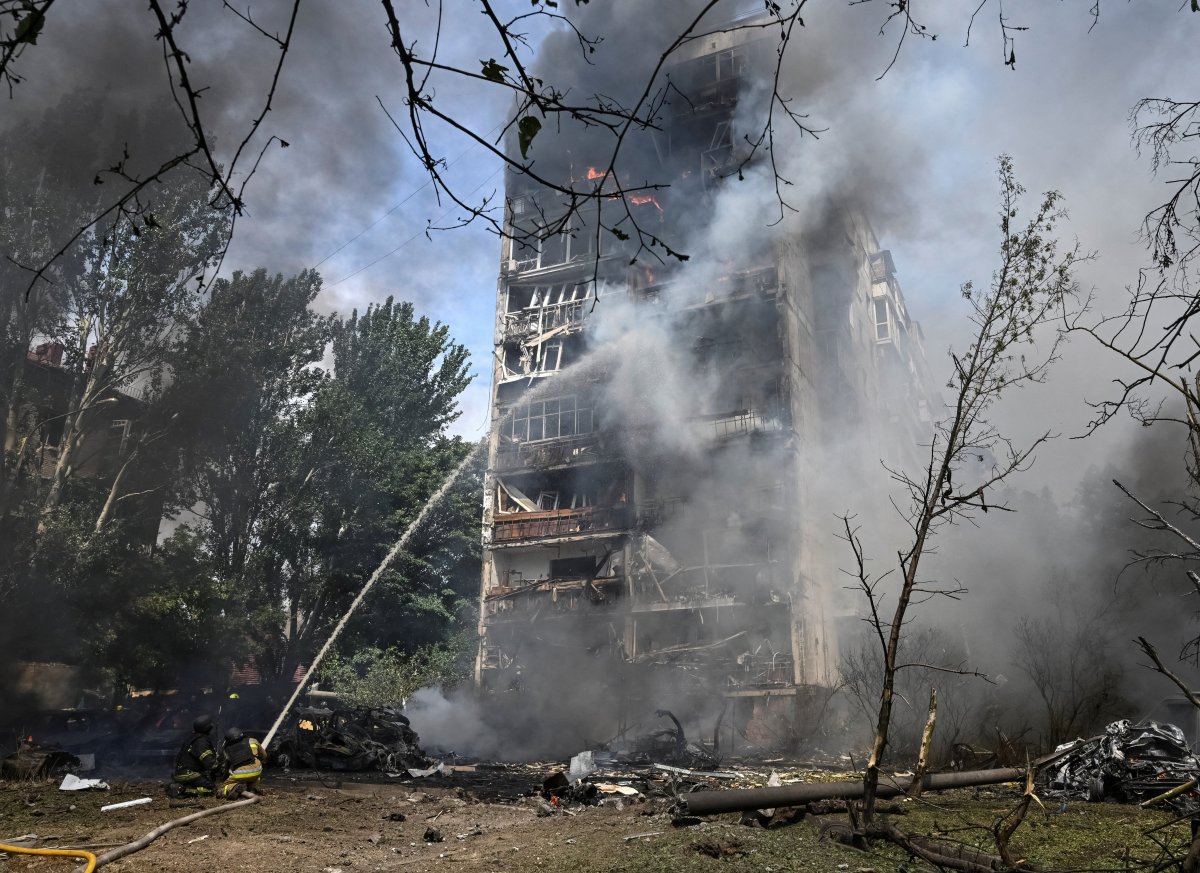
A Russian guided-bomb attack on Zaporizhzhia killed at least three people on Tuesday and injured more than a dozen others. Seven floors of a nine-storey apartment block were engulfed by flames, with two men aged 62 and 49 killed along with a 67-year-old woman.
The incident adds to the mounting civilian toll in the region as fighting continues without immediate signs of de-escalation.
The guided bomb strike on Zaporizhzhia unfolded in the early hours when Russian forces targeted a residential district near the city centre, with the nine-storey block erupting in flames that consumed seven floors within minutes. Rescue teams from the State Emergency Service worked through thick smoke and unstable structures to extract survivors, deploying ladders and hydraulic tools amid ongoing risks from secondary explosions. Local residents described scenes of chaos as families fled with minimal belongings, while emergency services treated burns and shrapnel injuries on site before transferring victims to regional hospitals.
This incident forms part of a broader pattern of intensified Russian use of glide bombs against Ukrainian urban centres, with over 150 such attacks recorded in the past month alone according to Ukrainian military data. The human cost extends beyond immediate fatalities, leaving hundreds displaced and straining local resources in a region already burdened by repeated infrastructure damage. Analysts note that these precision strikes aim to disrupt supply routes and civilian morale, echoing tactics seen in Kharkiv and Dnipro where similar munitions have caused comparable devastation and prompted renewed calls for enhanced air defence systems from Western partners.
Russian Fuel Disruptions and Indian Nationals Killed
Russian authorities are redirecting fuel supplies from Siberia and increasing imports from Belarus to prevent shortages in the Moscow region. Nationwide disruptions caused by Ukrainian drone attacks on refineries have reduced Russia's overall gasoline output to around 65 per cent of average seasonal consumption in early July.
Kremlin spokesman Dmitry Peskov confirmed Moscow was in touch with India after a missile strike killed four Indians on a Black Sea cargo ship. Russia hit the Golden Leo, a Guinea-Bissau-flagged vessel, with three cruise missiles on Sunday, killing 10 people including four Indians. New Delhi summoned the Russian charge d'affaires in response.
Ukrainian drone strikes have targeted more than twenty Russian oil refineries since the start of the intensified campaign, reducing processing capacity by an estimated 15 per cent and triggering widespread fuel shortages across the Moscow region where queues at petrol stations have stretched for hours. These precision attacks on facilities in Ryazan and Yaroslavl have forced authorities to impose purchase limits and prioritise military allocations, highlighting vulnerabilities in Russia's energy infrastructure that were previously considered robust.
The economic repercussions ripple through the war effort, with higher transport costs inflating logistics expenses for frontline units and contributing to inflationary pressures that echo Soviet-era rationing episodes of the 1980s. Moscow's attempts to import refined products from Asia have proven insufficient to offset domestic shortfalls, compelling the Kremlin to divert resources from civilian sectors and exposing how sustained Ukrainian operations could further constrain Russia's ability to sustain prolonged conflict without major economic concessions.
India's decision to summon Russia's envoy signals rare diplomatic friction over Moscow's handling of bilateral defence contracts, particularly delays in S-400 deliveries amid the Ukraine conflict. This development challenges New Delhi's longstanding non-aligned posture, as the country navigates pressure from Western allies seeking to isolate Russia while maintaining access to affordable energy and military hardware essential for its own security needs.
Within BRICS and Global South forums, the episode risks fracturing unified stances on multipolar governance, with India positioning itself as a bridge between competing blocs yet facing criticism from both sides for perceived inconsistencies. The tensions could accelerate diversification of Indian procurement towards European and American suppliers, altering longstanding trade dynamics and prompting Moscow to offer new concessions to retain influence in South Asian markets.
Outlook for Continued Pressure on Moscow
The appointment of Mykhailo Drapatyi occurs against a backdrop of sustained Ukrainian operations targeting Russian infrastructure. Officials in Kyiv have indicated that the strategy of deep strikes will persist as part of efforts to alter conditions on the battlefield.
With new leadership in both Kyiv and London, attention now turns to how these changes may influence coordination among Western partners and the prospects for meaningful negotiations with Russia.
By Erica Thornton, Staff Writer
This article was produced with AI-assisted research and editorial support. Reporting is based on sources cited in the article.
What's Your Reaction?
 Like
0
Like
0
 Dislike
0
Dislike
0
 Love
0
Love
0
 Funny
0
Funny
0
 Wow
0
Wow
0
 Sad
0
Sad
0
 Angry
0
Angry
0

US Politics and Policy Correspondent at Global1.News. Based in Washington DC, covering American politics, policy, elections, and the courts. Knows how the system works and tells you what it actually means.










Comments (0)