
Russia Recruits Cuba Latin America Fighters via WhatsApp (53 chars)
A recent DW News video titled "Russia's war: Families of foreign soldiers" exposes the systematic recruitment of fighters from Cuba and other Latin American nations to support Russia's operations in Ukraine. The report highlights how thousands of men from economically struggling regions are drawn into the conflict through digital channels, leaving their relatives across the hem
A recent DW News video titled "Russia's war: Families of foreign soldiers" exposes the systematic recruitment of fighters from Cuba and other Latin American nations to support Russia's operations in Ukraine. The report highlights how thousands of men from economically struggling regions are drawn into the conflict through digital channels, leaving their relatives across the hemisphere in prolonged distress over missing loved ones and unfulfilled commitments.
Russia Expands Fighter Recruitment from Cuba and Latin America Through WhatsApp Networks
Mexico City, Mexico – June 7, 2026 — A DW News investigation has uncovered ongoing efforts by Russian operatives to enlist fighters from Cuba and broader Latin America for deployment in Ukraine, despite earlier reports of recruitment pauses. The video details how approximately 28,000 foreign nationals have been transported to the front since 2022, according to Ukrainian intelligence estimates, with many originating from poorer communities in Cuba, Kenya, and Bangladesh. Families in these regions report sudden disappearances of young men who were promised stable incomes and legal protections that never materialized.
Cuba: The Dream of a Better Life
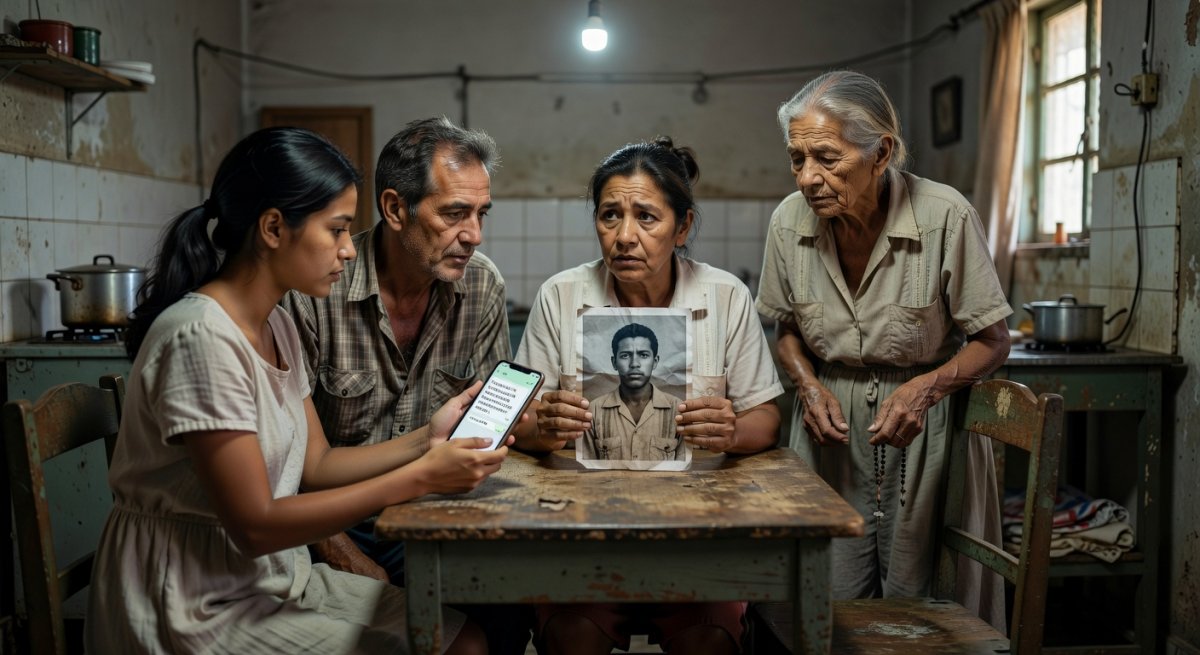
Cuban men facing chronic economic hardship have become prime targets for Russian recruitment drives. Many leave behind modest homes in Havana or Santiago with hopes of sending remittances that could transform their families' circumstances. The DW News report profiles several cases where individuals viewed the offer as an escape from daily shortages and limited job prospects on the island.
Recruiters emphasize opportunities for financial advancement and even pathways to Russian citizenship, painting a picture of secure employment far removed from the realities of combat. Families initially celebrate these prospects, believing their sons or brothers will return with savings after a short contract period. Yet the video reveals how quickly these aspirations collide with battlefield conditions that offer little chance of survival or return.
One Cuban mother interviewed in the DW News segment described her son's departure as a calculated risk for a better future, only to lose contact within weeks. The dream of improved living standards quickly gives way to grief when no updates arrive from the front lines. Cuban authorities have issued warnings about such schemes, but economic pressures continue to push young men toward the offers.
WhatsApp Recruitment and False Promises
Russian recruiters operate primarily through encrypted WhatsApp groups and direct messaging, targeting individuals in Cuba and neighboring countries with tailored pitches. Messages promise monthly salaries exceeding local averages, along with housing, medical care, and eventual legal residency in Russia. These claims are presented as straightforward employment contracts rather than combat roles.
The DW News video shows screenshots of recruitment chats where agents downplay dangers and stress quick financial returns. Recruits are told they will receive training and support, yet many are rushed into active duty with minimal preparation. Families later discover that promised payments stop arriving once the men reach Ukraine, leaving households without the expected support.
Despite public statements suggesting recruitment freezes, the practice persists through informal networks that evade official scrutiny. Latin American men report being contacted repeatedly until they agree to travel arrangements that include flights routed through third countries. The deception extends to assurances about post-service benefits that remain unfulfilled for survivors and the families of those who do not return.
Front-Line Realities for Recruits
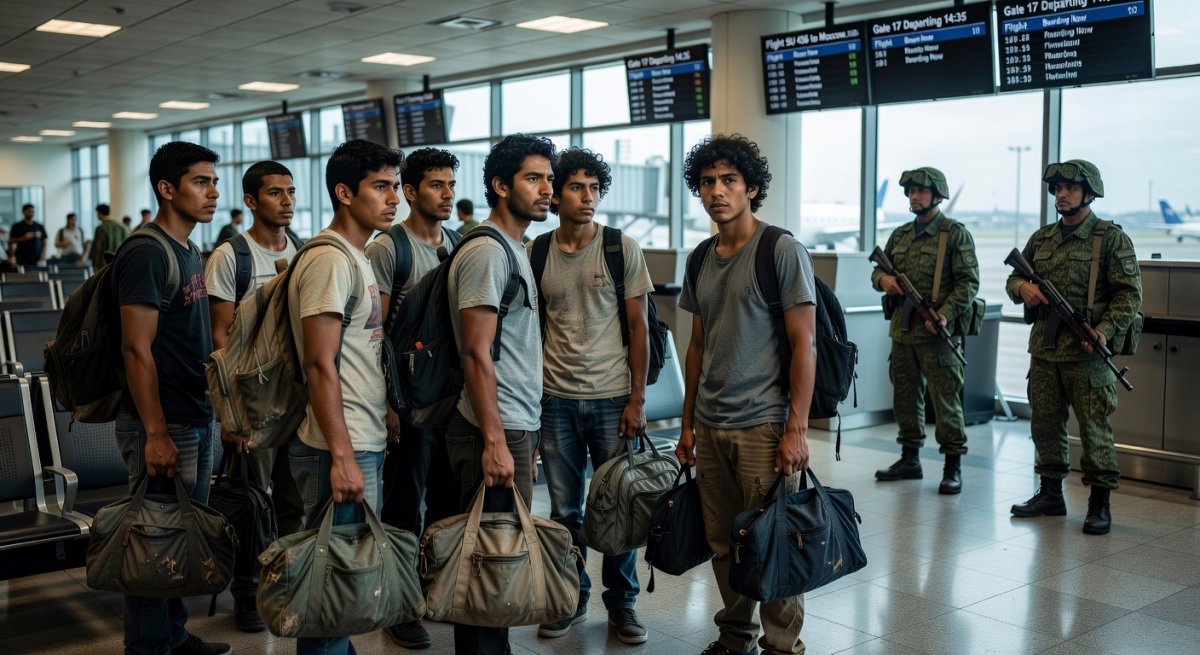
Once in Ukraine, foreign recruits from Latin America are frequently assigned high-risk positions with limited equipment or backup. The DW News report characterizes them as cannon fodder, deployed in waves to probe defenses or hold exposed positions where survival rates drop sharply within the first weeks. Ukrainian intelligence estimates indicate that many of the 28,000 foreign fighters brought since 2022 have already been lost in this manner.
Survivors who manage to contact relatives describe chaotic conditions and rapid turnover among their units. Recruits from Cuba and other nations often lack the language skills or local knowledge needed to navigate the environment, increasing their vulnerability. Reports of inadequate medical evacuation and delayed pay further compound the dangers they face daily.
The video underscores that these men are treated as expendable resources rather than valued personnel. Families receive no official notification when individuals go missing, forcing them to rely on sporadic messages from fellow fighters or social media fragments. This pattern repeats across multiple Latin American communities, where initial hopes for economic relief have been replaced by permanent loss.
Family Uncertainty Across Latin America
Relatives in Cuba and neighboring countries endure months without confirmation of their loved ones' status. The DW News segment captures the anguish of mothers and wives who check phones constantly for any sign of life, only to confront silence. This uncertainty extends beyond Cuba to communities in Central America and the Caribbean where similar recruitment has occurred.
Without formal channels for information, families turn to informal networks of returned fighters or diaspora contacts for clues. Some have organized small protests outside embassies, demanding accountability from both Russian and local authorities. The emotional toll is compounded by financial strain, as households that once counted on remittances now struggle to cover basic needs.
The report notes that even when men survive initial deployments, communication remains restricted. Families describe living in a state of suspended grief, unable to mourn or move forward without definitive news. This shared experience binds communities across the region in collective worry over the fate of those who left seeking opportunity.
Mexico-Cuba Relations and Shared Risks
Mexico maintains diplomatic ties with Cuba that include cooperation on migration and consular matters, yet the recruitment issue has introduced new strains. The SRE has issued alerts about foreign fighter schemes, advising citizens and residents to avoid unsolicited offers from unknown contacts. President Sheinbaum's administration has emphasized protecting Mexican nationals from similar entanglements while monitoring flows through Caribbean routes.
Cuban communities in Mexico City and other urban centers have voiced concerns that recruitment networks may extend across borders. Joint statements from Mexican and Cuban officials have condemned the practice, though enforcement remains challenging given the digital nature of the outreach. Families in both nations share parallel experiences of loss and unanswered questions.
Regional forums have begun discussing coordinated responses, including public awareness campaigns and support for affected households. Mexican lawmakers in the Congreso have called for hearings on how such recruitment intersects with broader security concerns in the hemisphere. These developments reflect growing recognition that the issue affects multiple countries beyond the immediate participants.
Broader Implications for Latin America
The recruitment of fighters from Cuba and Latin America carries consequences that extend beyond individual families to regional stability. Economic vulnerabilities that make men susceptible to these offers also highlight deeper inequalities that governments must address to prevent future exploitation. The DW News findings serve as a warning about how conflicts elsewhere can draw in distant populations through deceptive means.
Countries across the region face pressure to strengthen oversight of digital communications and travel facilitation that enable such movements. Civil society groups have stepped up efforts to educate communities about the risks, sharing stories from affected families to deter others. These initiatives underscore the human cost that statistics alone cannot convey.
Diplomatic engagement with Russia on the matter has yielded limited results, leaving Latin American nations to manage the aftermath independently. The continued flow of recruits despite reported halts suggests that economic incentives will persist as long as underlying hardships remain unaddressed in source countries.
What to Watch For
Observers anticipate further DW News updates on the status of remaining foreign fighters and any shifts in Russian recruitment tactics. Regional governments may introduce new travel restrictions or digital monitoring measures aimed at disrupting WhatsApp-based operations.
Advocacy organizations are preparing reports that track long-term outcomes for survivors and the families left behind. International pressure could prompt additional investigations into the scale of involvement from Latin America.
The stories documented in the video continue to resonate with communities still awaiting news of missing relatives. Latin American families remain at the center of this unfolding situation, their hopes and losses shaping the human dimension of a distant conflict.
By Rosa Martinez, Staff Writer
This article was produced with AI-assisted research and editorial support. Reporting is based on sources cited in the article.
What's Your Reaction?
 Like
0
Like
0
 Dislike
0
Dislike
0
 Love
0
Love
0
 Funny
0
Funny
0
 Wow
0
Wow
0
 Sad
0
Sad
0
 Angry
0
Angry
0

Latin America/Andes Correspondent at Global1.News. Based in Bogota, covering politics, environment, energy, and social movements across the Andean region. Passionate about environmental journalism and communities protecting their land.













Comments (0)