
Screwworm Confirmed in Texas Calf Near Mexico Border
**Meta Title:** Screwworm Parasite Confirmed in Texas Near Mexico Border **Meta Description:** USDA confirms New World screwworm in a Zavala County, Texas calf on June 4, 2026, days after a case in Coahuila, Mexico. Explore impacts on Mexican ranchers, ejidos, World Cup host cities, and cross-border families. **Keywords:** New World screwworm, screwworm Texas, Coahuila screwwor
Screwworm Parasite Confirmed in Texas Near Mexico Border
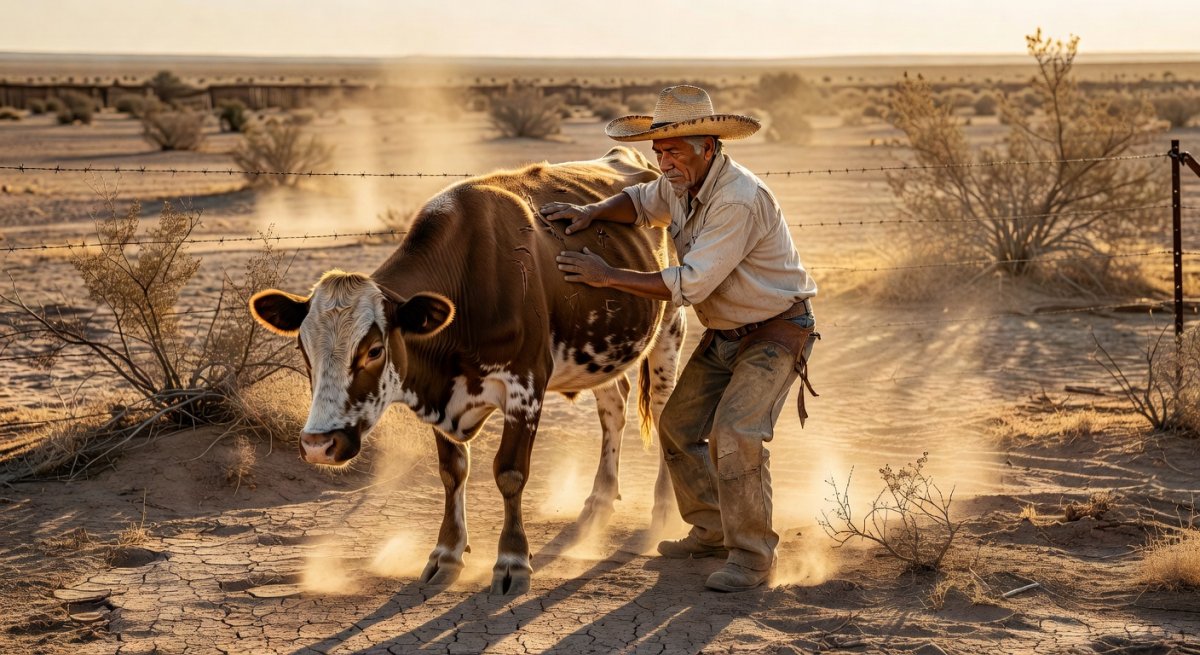
The confirmation of New World screwworm in a three-week-old calf in Zavala County, Texas on June 4, 2026 marks a significant development for families living along the border. Just five days earlier, the parasite appeared in a young sheep in Coahuila, Mexico, only 31 miles from the United States line. This progression follows the parasite’s northward movement from Central America through Mexico over the past year.
Tracing the Parasite’s Path Through Mexican Lands
Communities in rural Coahuila and surrounding states have watched this advance with concern. The New World screwworm resurfaced in summer 2024 after being eradicated in Mexico since 1991 and in the United States since the 1960s. Ejidos and small ranches that rely on cattle and sheep now face renewed vigilance. Campesinos who tend livestock in these areas understand how quickly an open wound on an animal can become a site for larvae to burrow and consume living tissue.
Ordinary Mexican families in colonias near the border discuss protective steps at evening gatherings. The Secretaría de Salud recommends long sleeves, pants, and authorized repellents when working outdoors. These practical measures connect directly to daily life for ranch hands and tianguis vendors who handle animals or meat products.
Human Cases Reported Across Mexico
Mexico’s Health Ministry has documented more than 350 human cases nationwide. Chiapas remains the most affected state with 131 cases. The first human case in Mexico City occurred on May 27, 2026, while the first case in Nuevo León appeared in early June 2026. Both cities are scheduled to host World Cup matches, raising questions for local health systems and visitors.
School children in affected regions learn basic wound care at home, while indigenous communities coordinate with local health posts. The parasite’s ability to kill untreated warm-blooded animals, including humans, underscores why families monitor even minor injuries closely.
World Cup Host Cities Prepare Amid Health Alerts
Mexico City and Nuevo León officials are reviewing sanitation protocols ahead of the tournament. Families who rent rooms to visitors or operate small food stands near stadiums wonder how additional precautions will affect daily routines. Cross-border trade in livestock and related goods has already faced interruptions, with the United States suspending cattle imports from Mexico three times in the past 18 months.
Ranchers in northern Mexico express worry about market access. The economic ripple reaches beyond large operations to smallholders who supply local markets and family tables.
Economic Pressures on Border Ranchers and Ejidos
USDA estimates place potential damage in the billions of dollars, with Texas alone facing possible losses of $1.8 billion. Mexican producers share these concerns because supply chains cross the border regularly. Historical cooperation between the two countries helped achieve eradication decades ago, and communities remember the collective effort required.
Forward-looking discussions in ejido assemblies focus on shared tools and monitoring programs. USDA official Dudley Hoskins stated, “The United States has defeated this pest before, and we will do it again. USDA invested heavily in the tools needed to eliminate NWS ever since cases started increasing in Central America and Mexico.” This message resonates with Mexican ranchers who seek similar sustained support.
Public Health Systems Respond in Both Nations
Agencies on both sides of the border coordinate surveillance. In Mexico, SSA works alongside IMSS facilities to treat cases and educate residents. Historical context shows that consistent sterile insect releases and wound management previously succeeded. Today’s challenge involves scaling those methods again while supporting families who cannot afford lost animals.
Campesinos in Coahuila describe checking herds at dawn and dusk. They note that early detection remains essential because larvae feed on living tissue and can overwhelm an animal quickly. Community health workers distribute information sheets in Spanish that emphasize covering wounds and using approved repellents.
Looking Ahead for Mexican Families and Trade
As authorities continue monitoring, rural households consider how to protect both livestock and personal health. The northward tracking of the parasite over more than a year highlights the need for ongoing vigilance rather than one-time action. World Cup preparations in host cities add another layer, as visitors may encounter educational campaigns about wound care.
Cross-border families maintain ties through trade and kinship. Any prolonged disruption in cattle movement affects income for ranchers on both sides. Historical success in eradication offers a model, yet current conditions require renewed investment in tools and community outreach.
Indigenous groups and colonias residents emphasize collective responsibility. They recall past campaigns that involved entire villages checking animals and reporting findings. Such traditions of mutual aid remain relevant as officials track developments in Zavala County and Coahuila.
Public health messaging continues to stress practical steps. Long sleeves and pants reduce exposure during fieldwork. Families teach children to report any unusual animal behavior promptly. These habits, rooted in daily life, form the first line of defense for communities that have lived with livestock for generations.
Analysts note that sustained cooperation between USDA and Mexican counterparts could limit further spread. The parasite’s return after decades of absence reminds everyone that vigilance must persist. Mexican ranchers, from large operations to small ejido plots, stand ready to participate in monitoring efforts that protect both animals and people.
Looking forward, the focus remains on supporting affected families through education, timely treatment, and economic assistance where needed. The June 4, 2026 confirmation in Texas and the earlier Coahuila finding serve as reminders that border communities share risks and responsibilities. Warm evenings in northern Mexico still feature conversations about protecting the next generation of calves and the livelihoods tied to them.
Community perspectives highlight resilience. Whether in Chiapas, Mexico City, Nuevo León, or Coahuila, residents draw on cultural strengths of family support and local knowledge. The path ahead involves careful steps, shared information, and continued attention to the parasite’s behavior in warm-blooded hosts.
Tags: New World screwworm, screwworm Texas, Coahuila screwworm, USDA screwworm, Mexico human cases, World Cup Mexico 2026, Zavala County calf, SSA screwworm, cross border cattle trade, Mexican ranchers impact, ejidos livestock, border communities health
By Rosa Martinez, Staff Writer
This article was produced with AI-assisted research and editorial support. Reporting is based on sources cited in the article.
What's Your Reaction?
 Like
0
Like
0
 Dislike
0
Dislike
0
 Love
0
Love
0
 Funny
0
Funny
0
 Wow
0
Wow
0
 Sad
0
Sad
0
 Angry
0
Angry
0

Latin America/Andes Correspondent at Global1.News. Based in Bogota, covering politics, environment, energy, and social movements across the Andean region. Passionate about environmental journalism and communities protecting their land.














Comments (0)